Do you want to turn your garden into a lively haven filled with colorful birds and cheerful songs? Learning how to garden to attract birds is easier than you think, and it can bring endless joy right outside your window.
Imagine waking up to the gentle chirping of your feathered visitors or watching them flutter among your flowers. You’ll discover simple, effective ways to create a bird-friendly garden that invites nature in and brightens your days. Keep reading, and you’ll soon see your garden come alive like never before.

Credit: www.amazon.com
Choose Bird-friendly Plants
Planting the right plants helps attract birds to your garden. Birds look for food, shelter, and places to nest.
Choosing plants that provide natural food and cover will encourage birds to visit and stay longer.
Native Flowers And Shrubs
Native flowers and shrubs are best for local birds. They offer familiar food and safe places for nesting.
These plants support insects that birds eat. They also provide shelter from weather and predators.
- Choose plants that bloom at different times for year-round food
- Include dense shrubs for nesting and hiding
- Pick plants that grow well in your area for easy care
Fruit-bearing Trees
Fruit-bearing trees give birds important food like berries and nuts. These foods are rich in energy.
Trees also provide branches for perching and nesting spots high off the ground.
- Plant native fruit trees like serviceberry, dogwood, or crabapple
- Choose trees that produce fruit at different times
- Avoid pesticides to keep fruits safe for birds
Seed-producing Plants
Seed-producing plants offer a steady food source for many bird species. Seeds are easy for birds to eat.
Leaving seed heads on plants during winter helps birds when food is scarce.
- Grow plants like sunflowers, coneflowers, and asters
- Let some plants go to seed instead of cutting them back early
- Mix tall and short seed plants for different bird types
Create Water Sources
Birds need fresh water to drink and bathe. Providing water sources in your garden helps attract more birds. Water also supports bird health and keeps them coming back.
There are many ways to add water to your garden. Choose options that fit your space and style. Clean water regularly to keep birds safe.
Birdbaths And Fountains
Birdbaths and fountains offer easy access to water. Shallow birdbaths are best for small birds. Moving water in fountains attracts birds by sound and sight.
- Use a shallow bowl or basin with a depth of 1 to 2 inches.
- Place the birdbath in a shady, safe spot.
- Add stones or pebbles for birds to perch on.
- Clean the birdbath weekly to prevent algae and germs.
- Use a small fountain pump to keep water moving.
Ponds And Natural Water Features
Ponds and natural water features attract many bird species. They provide drinking, bathing, and feeding spots. Adding native plants around the water helps birds feel safe.
| Feature | Benefits |
| Small Pond | Offers drinking and bathing space for larger birds |
| Shallow Edges | Allow safe access for small birds |
| Native Plants | Provide shelter and food near water |
| Water Circulation | Prevents mosquito breeding and keeps water fresh |
Provide Shelter And Nesting Spots
Birds need safe places to rest and raise their young. Your garden can offer shelter and nesting spots. This helps attract more birds to your space.
Simple changes in your garden create a welcoming home for many bird species. Focus on plants and structures that provide cover and protection.
Planting Dense Shrubs
Dense shrubs give birds protection from wind and predators. They also offer good places for nests. Choose native plants that grow thick and tall.
- Evergreen shrubs keep leaves year-round for shelter.
- Berry-producing bushes provide food and cover.
- Thorny plants protect birds from predators.
- Plant shrubs close together for better safety.
Installing Birdhouses
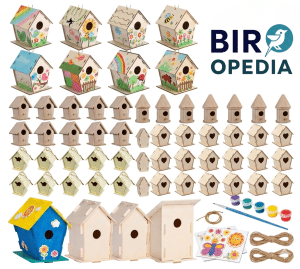
Birdhouses give safe nesting spots for birds that use cavities. Place them at the right height and facing away from strong winds.
| Birdhouse Tip | Details |
| Height | 5 to 10 feet above ground |
| Entrance Hole Size | 1 to 2 inches, depending on bird species |
| Placement | Near shrubs or trees for protection |
| Cleaning | Clean yearly to prevent disease |
Leaving Dead Trees And Branches
Dead trees and branches are natural homes for many birds. They provide places to perch, nest, and find insects to eat.
Benefits of dead wood in your garden:
- Offers nesting holes for woodpeckers and owls.
- Supports insects that birds feed on.
- Provides safe perches for hunting and resting.
- Helps keep the garden ecosystem healthy.

Credit: www.gardencentreoxford.com
Offer Food Throughout The Year
Providing food for birds all year helps keep them healthy and happy. Birds need different foods in different seasons.
Planning your garden feeding can attract many bird species. It also supports them during tough weather.
Seasonal Feeding Tips
In spring and summer, offer fresh fruits, nectar, and insects. These foods help birds raise their young.
In fall, provide seeds and nuts. These give birds energy for migration or winter.
- Winter: Offer high-energy seeds like sunflower and suet.
- Spring: Fresh fruit and mealworms support nesting birds.
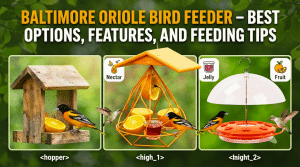
- Summer: Nectar feeders attract hummingbirds and orioles.
- Fall: Nuts and berries help birds store fat for cold months.
Choosing The Right Bird Feeders
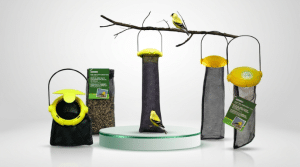
Different feeders suit different bird types and foods. Choose feeders that match the food you offer.
| Feeder Type | Best Food | Birds Attracted |
| Tube Feeder | Seeds, sunflower | Finches, chickadees |
| Suction Cup Feeder | Nectar | Hummingbirds, orioles |
| Platform Feeder | Mixed seeds, fruit | Robins, jays |
| Squirrel-Proof Feeder | Peanuts, sunflower | Woodpeckers, cardinals |
Avoid Harmful Chemicals
Using chemicals in your garden can hurt birds and other wildlife. Many pesticides and herbicides poison the insects birds eat.
Choosing safer ways to care for your garden helps birds stay healthy and visit more often. Avoiding harmful chemicals is key.
Organic Pest Control
Organic pest control uses natural ways to keep bugs away. It protects insects that birds feed on and keeps the garden safe.
Examples include using neem oil, insecticidal soap, or introducing helpful insects like ladybugs.
- Spray neem oil to stop harmful pests
- Use insecticidal soap for soft-bodied insects
- Attract ladybugs to eat aphids and mites
- Handpick pests off plants when possible
Safe Gardening Practices
Safe gardening means choosing plants and methods that protect birds and insects. Avoid chemical fertilizers and use compost instead.
Keep your garden clean by removing dead plants and debris. This helps prevent disease and pests without chemicals.
- Use compost to feed plants naturally
- Water plants early to reduce mold
- Plant native flowers for local birds and insects
- Remove dead leaves to stop pests
Maintain A Bird-friendly Habitat
Creating a garden that attracts birds takes care and attention. You must provide food, water, and shelter for them.
A bird-friendly garden helps birds feel safe and welcome. It also supports their needs throughout the year.
Regular Garden Care
Keep your garden clean and healthy to attract birds. Remove dead plants but leave some leaf litter for insects.
Trim bushes carefully to keep hiding spots but avoid cutting during nesting seasons. Water plants regularly to keep them fresh.
Encouraging Insects For Food
Birds eat many insects, so growing insect-friendly plants is helpful. Avoid using pesticides that can harm bugs and birds.
Plant native flowers and shrubs to attract butterflies, bees, and beetles. These insects provide natural food for birds.
- Grow a variety of native plants
- Leave some areas wild with natural debris
- Use organic gardening methods
- Provide shallow water for insects and birds

Credit: www.amazon.com
Frequently Asked Questions
What Plants Attract Birds To A Garden?
To attract birds, choose native plants that provide seeds, berries, or nectar. Sunflowers, coneflowers, and elderberries are excellent options. Native plants also offer shelter and nesting sites for birds. Additionally, they attract insects, providing a food source for insectivorous birds.
How Can Water Features Attract Birds?
Birds are attracted to water for drinking and bathing. Adding a birdbath or small fountain can entice them. Ensure the water is clean and fresh. Moving water, like from a fountain, is particularly attractive. Place it near shrubs or trees for a quick escape route from predators.
What Bird Feeders Should I Use?
Choose feeders based on bird species in your area. Tube feeders work for finches, while platform feeders attract larger birds. Suet feeders are great for woodpeckers. Ensure feeders are clean and filled with appropriate seeds. Place them near protective cover like trees or shrubs.
How Does A Bird-friendly Garden Benefit The Ecosystem?
A bird-friendly garden supports biodiversity by providing habitat and food. Birds help with pest control by eating insects. They also assist in plant pollination and seed dispersal. This contributes to a balanced ecosystem, enhancing the garden’s overall health and productivity.
Conclusion
Attracting birds to your garden brings joy and life outdoors. Plant native flowers and trees that provide food and shelter. Offer fresh water in a safe spot for drinking and bathing. Avoid chemicals to keep birds healthy and happy. Regular care helps create a welcoming space for many bird species.
Watching birds close by can brighten your day and connect you with nature. Start small, be patient, and enjoy the peaceful moments birds bring. Your garden can become a lively haven for feathered friends.