
Have you ever heard of the Kiwi Bird Fruit? It’s a fascinating little fruit that might just become your new favorite.
You probably know the kiwi as a tasty snack or a colorful addition to your smoothie, but there’s so much more to discover about it. If you want to learn what makes this fruit special, why it’s good for your health, and how to enjoy it in new ways, keep reading.
This guide will give you all the juicy details you need to know about Kiwi Bird Fruit.

Credit: www.saturdayeveningpost.com
Kiwi Bird Fruit Basics
Kiwi bird fruit is a unique fruit known for its sweet and tangy flavor. It is often enjoyed fresh or used in various recipes. This fruit is named after the kiwi bird due to its fuzzy brown skin.
Understanding kiwi bird fruit helps you appreciate its origin, look, and health benefits. Here are some key facts about this interesting fruit.
Origin And History
The kiwi bird fruit originally comes from China, where it was known as the Chinese gooseberry. It was brought to New Zealand in the early 20th century. New Zealand growers developed the fruit into what we know today.
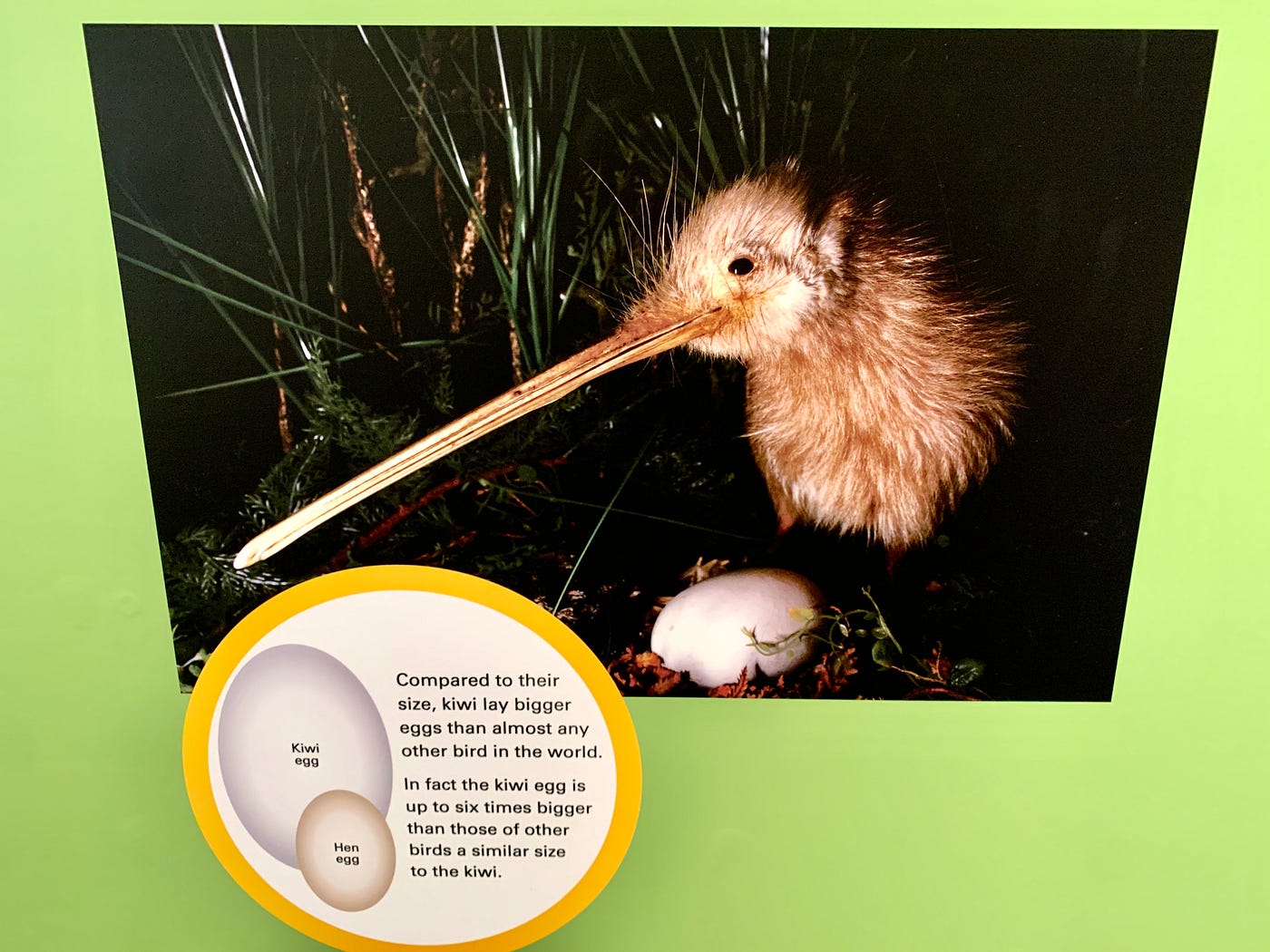
The fruit got its name from the kiwi bird, a national symbol of New Zealand. It became popular in many countries for its exotic taste and health benefits.
Physical Characteristics
Kiwi bird fruit is small and oval-shaped, about the size of a large egg. It has a fuzzy brown skin that protects the bright green flesh inside.
- Brown and fuzzy outer skin
- Bright green flesh with tiny black seeds
- Soft and juicy texture
- Sweet and slightly sour taste
The seeds are edible and add a slight crunch to the fruit. The green color comes from natural pigments called chlorophyll.
Nutritional Profile
| Nutrient | Amount per 100g |
| Calories | 61 |
| Vitamin C | 92.7 mg |
| Dietary Fiber | 3 g |
| Vitamin K | 40.3 mcg |
| Potassium | 312 mg |
| Carbohydrates | 15 g |
| Protein | 1.1 g |
Kiwi bird fruit is rich in vitamin C and fiber. It supports the immune system and helps digestion. The fruit also provides important minerals like potassium.
Growing Kiwi Bird Fruit
Kiwi Bird Fruit is a unique and tasty fruit that grows on vines. It needs special care to grow well. Many gardeners want to learn how to grow this fruit successfully.
This guide covers important information on climate, soil, planting, care, and harvesting of Kiwi Bird Fruit. Follow these tips for a healthy vine and good harvest.
Climate And Soil Needs
Kiwi Bird Fruit grows best in mild climates. It needs warm summers and cool winters. The plant does not like frost or very hot weather.
The soil should be well-drained and rich in organic matter. A slightly acidic soil with a pH between 5.5 and 7.0 works best. Avoid heavy clay soils that hold too much water.
- Temperature: 14°C to 29°C (57°F to 84°F)
- Soil type: Loamy or sandy soil
- Soil pH: 5.5 to 7.0
- Drainage: Good drainage is essential
- Sunlight: Full sun with some shade in hot areas
Planting And Care Tips
Plant Kiwi Bird Fruit vines in spring after the last frost. Space plants about 3 meters apart to allow room for growth. Use strong support like a trellis for the vines to climb.
| Care Aspect | Details |
| Watering | Keep soil moist but not waterlogged |
| Fertilizing | Use balanced fertilizer every 6 weeks |
| Pruning | Prune in winter to remove dead wood and shape vines |
| Pests | Watch for aphids and treat early |
| Mulching | Apply mulch to retain moisture and control weeds |
Harvesting Season
Kiwi Bird Fruit usually ripens in late autumn. The fruit is ready to harvest when it feels slightly soft and has a sweet aroma.
- Check fruit firmness weekly during harvest time
- Pick fruits gently to avoid bruising
- Store harvested fruit in a cool place
- Use fruit within two weeks for best taste
Taste And Culinary Uses
The kiwi bird fruit is a unique tropical fruit known for its sweet and tangy flavor. It is popular in many kitchens because of its bright taste and versatility.
People enjoy the kiwi bird fruit fresh or use it in different recipes. Its taste adds a fresh twist to many dishes.
Flavor Profile
The kiwi bird fruit has a juicy and slightly tart flavor. It combines sweetness with a hint of citrus, making it refreshing.
Its texture is soft and smooth, with tiny edible seeds inside. This adds a little crunch when you eat it.
Popular Recipes
Many recipes use kiwi bird fruit to add a fresh and fruity taste. It works well in desserts, drinks, and salads.
- Kiwi bird fruit smoothies with yogurt and honey
- Fresh fruit salads mixing kiwi bird fruit with berries
- Kiwi bird fruit tarts with a creamy filling
- Sorbet made from pureed kiwi bird fruit
Pairing Ideas
The kiwi bird fruit pairs well with both sweet and savory ingredients. It balances rich flavors with its bright taste.
- Mix kiwi bird fruit with fresh mint or basil for freshness
- Combine with creamy cheeses like ricotta or cream cheese
- Serve alongside grilled chicken or fish for a fruity touch
- Add to yogurt or oatmeal for a healthy breakfast

Credit: www.youtube.com
Health Benefits
The kiwi bird fruit is a small, nutrient-rich fruit known for its unique taste. It offers several health benefits that support overall well-being.
Eating kiwi bird fruit can help your body get essential vitamins, improve digestion, and boost your immune system.
Vitamins And Minerals
Kiwi bird fruit contains many important vitamins and minerals. These nutrients help keep your body strong and healthy.
| Vitamin/Mineral | Benefit |
|---|---|
| Vitamin C | Supports skin health and healing |
| Vitamin K | Helps with blood clotting and bone health |
| Potassium | Regulates blood pressure |
| Folate | Important for cell growth and DNA |
Digestive Aid
The kiwi bird fruit contains fiber and enzymes that help digestion. It can ease stomach discomfort and reduce constipation.
- Improves bowel movements
- Breaks down proteins for easier digestion
- Reduces bloating and gas
Immune Support
Eating kiwi bird fruit can strengthen your immune system. The fruit’s antioxidants protect your body from harmful germs.
Regular consumption may reduce the chance of getting colds and flu by supporting white blood cells.
Buying And Storing Tips
Kiwi Bird Fruit is a tasty and healthy fruit. It has a fuzzy skin and bright green inside.
Knowing how to pick and store kiwis helps keep them fresh and delicious longer.
Selecting Ripe Fruit
Pick kiwi fruit that feels slightly soft to touch. Avoid very hard or mushy fruits.
Look for kiwi with a dull brown fuzzy skin. Shiny skin usually means it is not ripe yet.
- Gently press the fruit to check softness.
- Choose fruits with no bruises or cuts.
- Smell the kiwi; a sweet aroma shows ripeness.
Storage Methods
Store kiwi in a cool place if you want to ripen it faster. Room temperature works well.
Once ripe, keep kiwi in the refrigerator to slow down the ripening process.
- Place unripe kiwi in a paper bag to ripen quickly.
- Keep ripe kiwi in a plastic bag in the fridge.
- Avoid storing kiwi near strong-smelling foods.
Shelf Life
Kiwi fruit lasts about 3 to 5 days at room temperature after ripening.
In the fridge, ripe kiwi can stay fresh for up to 2 weeks.
- Check kiwi regularly for soft spots or mold.
- Use ripe kiwi soon for best taste and nutrition.
Credit: medium.com
Fun Facts And Trivia
The Kiwi Bird Fruit is a unique and fascinating fruit named after the famous kiwi bird. It grows in specific regions and has some interesting traits. People enjoy learning about its links to culture and nature.
This fruit is more than just tasty. It has stories, special growing habits, and connections with wildlife. Let’s explore these fun facts and trivia about the Kiwi Bird Fruit.
Cultural Significance
The Kiwi Bird Fruit holds a special place in local traditions. Many people see it as a symbol of nature and survival. It appears in stories and festivals that celebrate the environment.
- Used in traditional dishes during harvest festivals.
- Represents good luck in some local myths.
- Often gifted as a sign of friendship and respect.
- Inspired artwork and crafts in nearby communities.
Unique Growing Habits
The Kiwi Bird Fruit grows in unusual ways. It needs a cool climate and rich soil. The plant climbs on trees, reaching sunlight high above the ground.
| Growing Factor | Description |
| Climate | Cool and moist |
| Soil Type | Rich, well-drained |
| Growth Method | Climbing vine |
| Time to Harvest | About 3 months |
Wildlife Connections
Many animals depend on the Kiwi Bird Fruit for food. Birds and small mammals eat the fruit and spread its seeds. This helps new plants grow in the wild.
- Kiwi birds enjoy eating the fruit’s seeds.
- Fruit attracts bees for pollination.
- Small mammals use the plant for shelter.
- Seed dispersal helps the forest grow.
Frequently Asked Questions
What Is Kiwi Bird Fruit?
Kiwi bird fruit, commonly known as kiwi fruit, is a small, fuzzy, brown fruit with bright green flesh. It is native to China but popularized in New Zealand. The fruit is sweet, tangy, and rich in vitamins C and K, fiber, and antioxidants.
How Is Kiwi Bird Fruit Different From Regular Kiwi?
Kiwi bird fruit refers to the same edible fruit often called kiwi or Chinese gooseberry. The term “kiwi bird fruit” highlights its connection to New Zealand’s native kiwi bird. The fruit itself remains the same, known for its unique taste and nutritional benefits.
What Are The Health Benefits Of Kiwi Bird Fruit?
Kiwi bird fruit boosts immunity with high vitamin C. It aids digestion due to dietary fiber. The fruit also supports heart health and skin vitality. Its antioxidants help protect cells from damage, making it a nutritious addition to any diet.
How To Choose And Store Kiwi Bird Fruit?
Choose kiwi bird fruit that is firm but slightly soft to touch. Avoid bruised or overly hard fruits. Store unripe kiwi at room temperature until ripe. Keep ripe kiwi in the refrigerator for up to one week to maintain freshness.
Conclusion
Kiwi bird fruit is a delightful, nutritious treat. It’s packed with vitamins and antioxidants. Great for boosting health. Its sweet-tart taste is unique and refreshing. Perfect for snacking or adding to dishes. Easy to incorporate into your daily diet. Remember, moderation is key for any fruit.
Enjoy its benefits without overindulging. Try it fresh or in smoothies. Experiment with recipes to find your favorite way. Embrace this small, vibrant fruit for its flavor and health perks. Kiwi bird fruit can be a tasty addition to your meals.