If you want to add a splash of bold color and unique beauty to your garden, the Desert Bird of Paradise is a perfect choice. But to keep this striking plant healthy and thriving, you need to know exactly how to care for it.
Imagine vibrant orange and blue flowers brightening your outdoor space all year round—sounds amazing, right? You’ll discover simple, effective tips to help your Desert Bird of Paradise grow strong and beautiful. Keep reading, and your garden will thank you!
Desert Bird Of Paradise Basics
The Desert Bird of Paradise is a striking plant known for its bright flowers and unique leaves. It adds color and life to dry gardens.
This plant is easy to care for if you know its needs. Learning about its features helps you grow it well.
Plant Characteristics
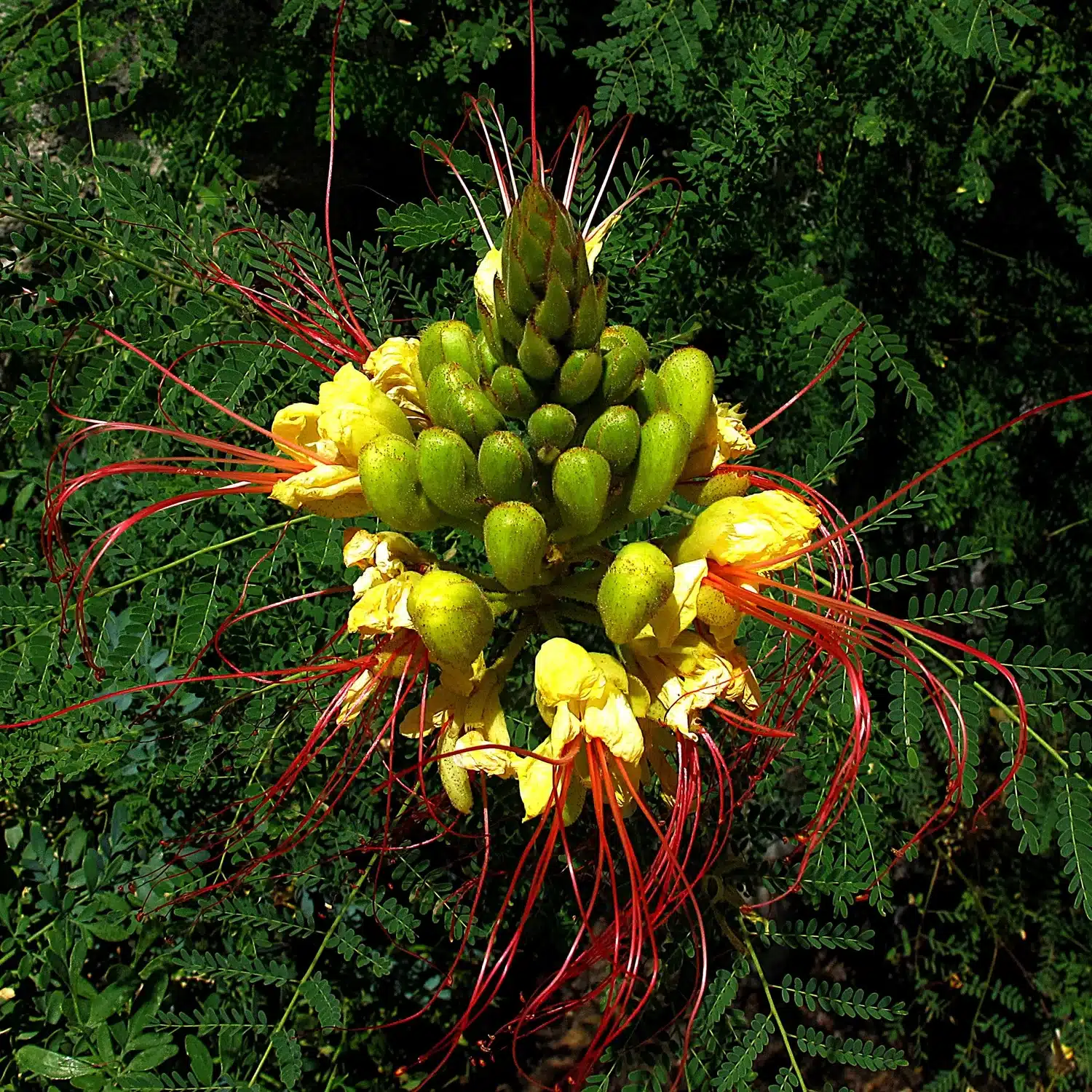
The Desert Bird of Paradise has tall, slender stems and long, green leaves. Its flowers look like a bird in flight and come in orange and blue colors.
- Height: 3 to 6 feet tall
- Leaf shape: Long and paddle-like
- Flower colors: Bright orange with blue highlights
- Bloom season: Spring through fall
Native Habitat
This plant grows naturally in desert areas with dry soil. It thrives in hot sun and needs little water to survive.
The Desert Bird of Paradise is found in parts of the southwestern United States and northern Mexico. It prefers sandy or rocky ground.
Common Varieties
| Variety Name | Flower Color | Height |
| Caesalpinia gilliesii | Yellow and red | 5 feet |
| Caesalpinia pulcherrima | Orange and red | 6 feet |
| Caesalpinia mexicana | Orange and yellow | 4 feet |
Ideal Growing Conditions
The Desert Bird of Paradise is a hardy plant that thrives in dry, warm areas. It needs special care to grow well.
Understanding its ideal growing conditions helps you keep it healthy and beautiful.
Sunlight Requirements
This plant loves full sunlight. It needs at least six hours of direct sun each day.
Too little sun can make it grow weak and slow. Bright light helps it bloom better.
Temperature Range
Desert Bird of Paradise grows best in warm temperatures. It likes daytime heat between 70°F and 90°F.
It can handle cooler nights but should not drop below 50°F. Avoid frost to keep it safe.
- Ideal daytime: 70°F to 90°F (21°C to 32°C)
- Minimum nighttime: 50°F (10°C)
- Protect from frost and freezing
Soil Type
This plant prefers sandy or well-drained soil. Good drainage stops roots from rotting.
Adding some gravel or coarse sand helps keep soil loose. Avoid heavy clay soils that hold water.
- Sandy or gravelly soil
- Good drainage is essential
- Avoid clay or soggy soil
Watering Guidelines
The Desert Bird of Paradise is a hardy plant that needs careful watering. Proper watering helps it grow strong and healthy. Too much or too little water can harm it.
Learn the best ways to water this plant by understanding its needs. This guide covers how often to water, signs of overwatering, and its drought tolerance.
Frequency And Amount
Water the Desert Bird of Paradise deeply but less often. It needs water mainly during hot months. Give the plant enough water to soak the soil about 6 inches deep.
- Water once every 7 to 10 days in summer.
- Reduce watering to once every 2 to 3 weeks in cooler months.
- Check soil moisture before watering to avoid excess water.
Signs Of Overwatering
Too much water can cause root problems. Look for these signs to protect your plant:
| Symptom | Description |
| Yellow leaves | Leaves turn yellow and fall off |
| Soft stems | Stems feel mushy or weak |
| Foul smell | Soil smells bad due to root rot |
| Slow growth | Plant stops growing or wilts |
Drought Tolerance
The Desert Bird of Paradise can survive dry spells. It stores water in its thick stems and leaves. It will recover after short droughts but needs water to stay healthy long-term.
- Water deeply after dry periods.
- Mulch around the base to keep moisture.
- Avoid watering daily during droughts.

Credit: windflowerflorist.com
Fertilizing Tips
The Desert Bird of Paradise needs the right fertilizer to grow well. Proper feeding helps it bloom and stay healthy. Knowing what to feed and when is key.
This guide covers the best fertilizer types, the schedule for applying them, and the plant’s nutrient needs.
Best Fertilizer Types
Choose fertilizers with balanced nutrients for Desert Bird of Paradise. A mix of nitrogen, phosphorus, and potassium supports growth and flowers.
- Slow-release granular fertilizer
- Liquid fertilizer with equal N-P-K ratio
- Organic compost or manure for natural feeding
- Fertilizers with micronutrients like magnesium and iron
Application Schedule
Feed the plant during its active growing season. Avoid fertilizing in cold or dormant periods to prevent damage.
- Start feeding in early spring as new growth appears
- Apply fertilizer every 4 to 6 weeks through summer
- Reduce feeding in early fall
- Stop fertilizing in winter when the plant rests
Nutrient Needs
| Nutrient | Role | Recommended Amount |
| Nitrogen (N) | Supports leaves and stem growth | Medium |
| Phosphorus (P) | Encourages root and flower development | High |
| Potassium (K) | Improves overall plant health | Medium |
| Magnesium | Aids in photosynthesis | Low |
| Iron | Prevents yellowing leaves | Low |
Pruning And Maintenance
Taking care of your Desert Bird of Paradise helps it stay healthy and look great. Pruning and maintenance keep the plant strong and encourage new growth.
Regular care prevents disease and keeps your plant tidy. Knowing when and how to prune is key for good results.
When To Prune
Prune your Desert Bird of Paradise in late winter or early spring. This timing helps the plant prepare for new growth in warmer months.
Avoid pruning during cold weather or heavy rain. Wait for dry, mild days to protect the plant from stress.
How To Prune
Use clean, sharp pruning shears to make smooth cuts. Cut back stems to healthy growth points or just above a leaf node.
Remove any weak or crowded stems to improve air flow. This helps prevent disease and encourages strong branches.
- Cut stems at a 45-degree angle
- Remove no more than one-third of the plant at once
- Clean tools before and after pruning
Removing Dead Leaves
Check your plant regularly for dead or yellow leaves. Removing these leaves keeps the plant neat and stops pests.
Gently pull off loose dead leaves or cut them near the base. Dispose of dead leaves away from the plant to avoid disease spread.
- Look for brown, dry, or yellow leaves
- Remove leaves that fall off easily
- Cut stubborn leaves with clean scissors
Pest And Disease Control
The Desert Bird of Paradise is a strong plant but can face pests and diseases. Proper care helps keep it healthy and vibrant.
Learning how to spot problems early helps you protect your plant. Let’s explore common pests, disease prevention, and natural remedies.
Common Pests
This plant often attracts pests that feed on leaves and stems. Watch for small insects that cause damage.
Common pests include aphids, spider mites, and scale insects. These bugs can weaken the plant if not controlled.
- Aphids: Small green or black bugs that cluster on new growth.
- Spider mites: Tiny red or brown pests that create webbing.
- Scale insects: Hard or soft shells stuck on stems and leaves.
Disease Prevention
Keeping your plant healthy lowers disease risks. Good air flow and proper watering stop many problems.
Remove dead leaves and avoid overwatering to prevent root rot and fungal infections. Clean tools before use.
- Water the plant at the base, not on leaves.
- Space plants to allow air circulation.
- Check for signs of mold or spots regularly.
- Use clean, sharp tools for pruning.
Natural Remedies
Natural methods help control pests without harsh chemicals. These remedies are safe for your plant and the environment.
Use insecticidal soap or neem oil sprays to reduce pest numbers. Homemade sprays with water and mild soap also work well.
- Spray affected areas with insecticidal soap weekly.
- Apply neem oil early in the morning or late evening.
- Introduce ladybugs to eat aphids naturally.
- Wash leaves gently with water to remove pests.
Propagation Methods
The Desert Bird of Paradise is a beautiful plant that you can grow yourself. Propagating it helps you get new plants from the original one. There are simple ways to do this.
This guide will explain how to propagate using seeds and cuttings. It also tells you the best time to start growing new plants.
Seed Propagation
You can grow Desert Bird of Paradise from seeds. Seeds need special care to sprout well. Soak them in warm water for 24 hours before planting.
Plant the seeds in a pot with well-draining soil. Keep the soil moist but not wet. Seeds usually take a few weeks to start sprouting.
- Soak seeds in warm water for 24 hours
- Use well-draining soil
- Keep soil moist, not soaked
- Place pot in a warm, bright spot
Cuttings Propagation
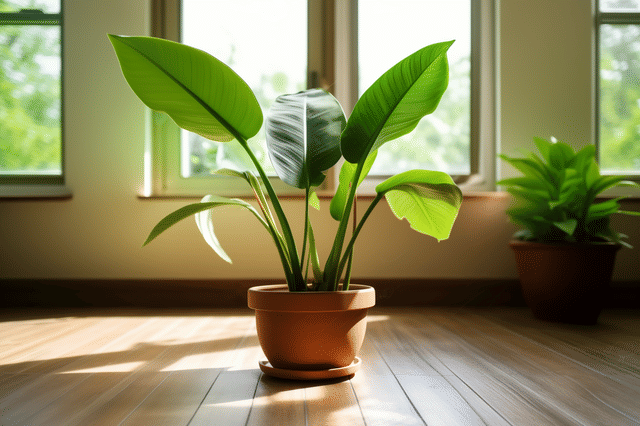
Cuttings are a fast way to grow new plants. Take a healthy stem from the plant. Make sure the cutting has at least two leaves.
Remove the lower leaves, then place the cutting in water or moist soil. Roots will start to grow in a few weeks. Keep the cutting in indirect sunlight.
- Choose a healthy stem
- Remove lower leaves
- Place cutting in water or moist soil
- Keep in indirect sunlight
- Wait for roots to grow
Best Time To Propagate
The best time to propagate Desert Bird of Paradise is during spring or early summer. The weather is warm, helping roots grow quickly.
Avoid cold or very hot seasons. These can slow down or stop the growth of new plants.
- Spring and early summer are ideal
- Warm temperatures help root growth
- Avoid cold or very hot periods
Credit: plantcareforbeginners.com
Container Vs. Ground Planting
The desert bird of paradise is a tough, beautiful plant. You can grow it in containers or in the ground. Each way has good points and challenges.
Choosing the right planting method helps the plant grow well. It also makes care easier for you.
Benefits Of Container Growing
Growing the desert bird of paradise in a container lets you control its environment better. You can move the plant to catch sun or avoid cold.
Containers help keep the soil dry, which the plant likes. You can also stop pests more easily.
- Easy to move for better sunlight or shade
- Controls soil moisture and drainage
- Reduces risk of pests and diseases
- Good for small spaces and patios
Ground Planting Tips
Planting in the ground gives desert bird of paradise more room to grow. It can develop bigger roots and grow taller.
Choose a sunny spot with well-draining soil. Avoid places where water collects after rain.
- Pick a location with full sun exposure
- Use sandy, well-drained soil
- Avoid heavy clay or wet areas
- Water young plants regularly until established
Transplanting Advice
When moving your desert bird of paradise, do it carefully to avoid root damage. Transplant in spring or early fall for best results.
Water the plant well before and after transplanting. Keep it in shade for a few days to reduce stress.
- Dig around the root ball gently
- Keep the roots moist during the move
- Plant at the same depth as before
- Water deeply after planting
- Place in a shaded area for a few days

Credit: wanderlustnursery.com
Frequently Asked Questions
How Often Should I Water Desert Bird Of Paradise?
Water your Desert Bird of Paradise once every 1-2 weeks. Allow the soil to dry between waterings. Overwatering can cause root rot, so ensure good drainage. Adjust frequency based on climate and season to keep the plant healthy.
What Type Of Soil Suits Desert Bird Of Paradise Best?
Desert Bird of Paradise thrives in well-draining, sandy or loamy soil. A mix with organic matter improves fertility and drainage. Avoid heavy clay soils as they retain too much moisture, which can harm the plant’s roots.
How Much Sunlight Does Desert Bird Of Paradise Need?
This plant prefers full sun to partial shade. Aim for at least 6 hours of direct sunlight daily. Proper sunlight encourages vibrant flowers and healthy growth. In very hot climates, some afternoon shade helps prevent leaf scorch.
Can I Grow Desert Bird Of Paradise Indoors?
Yes, it can be grown indoors with adequate light. Place it near a bright window with plenty of sunlight. Indoor plants require less water but maintain humidity. Regular pruning helps keep its size manageable indoors.
Conclusion
Caring for the Desert Bird of Paradise is simple and rewarding. Regular watering ensures healthy growth. Choose well-draining soil for strong roots. Sunlight keeps the plant vibrant. Pruning helps maintain its shape and beauty. Watch for pests and treat them promptly.
Fertilize during growing seasons for best results. Enjoy its stunning blooms and lush foliage. This plant thrives with attention and care. Make your garden a desert paradise. Appreciate the unique beauty it brings. With these tips, your plant will flourish.
A beautiful addition to any landscape. Happy gardening!