
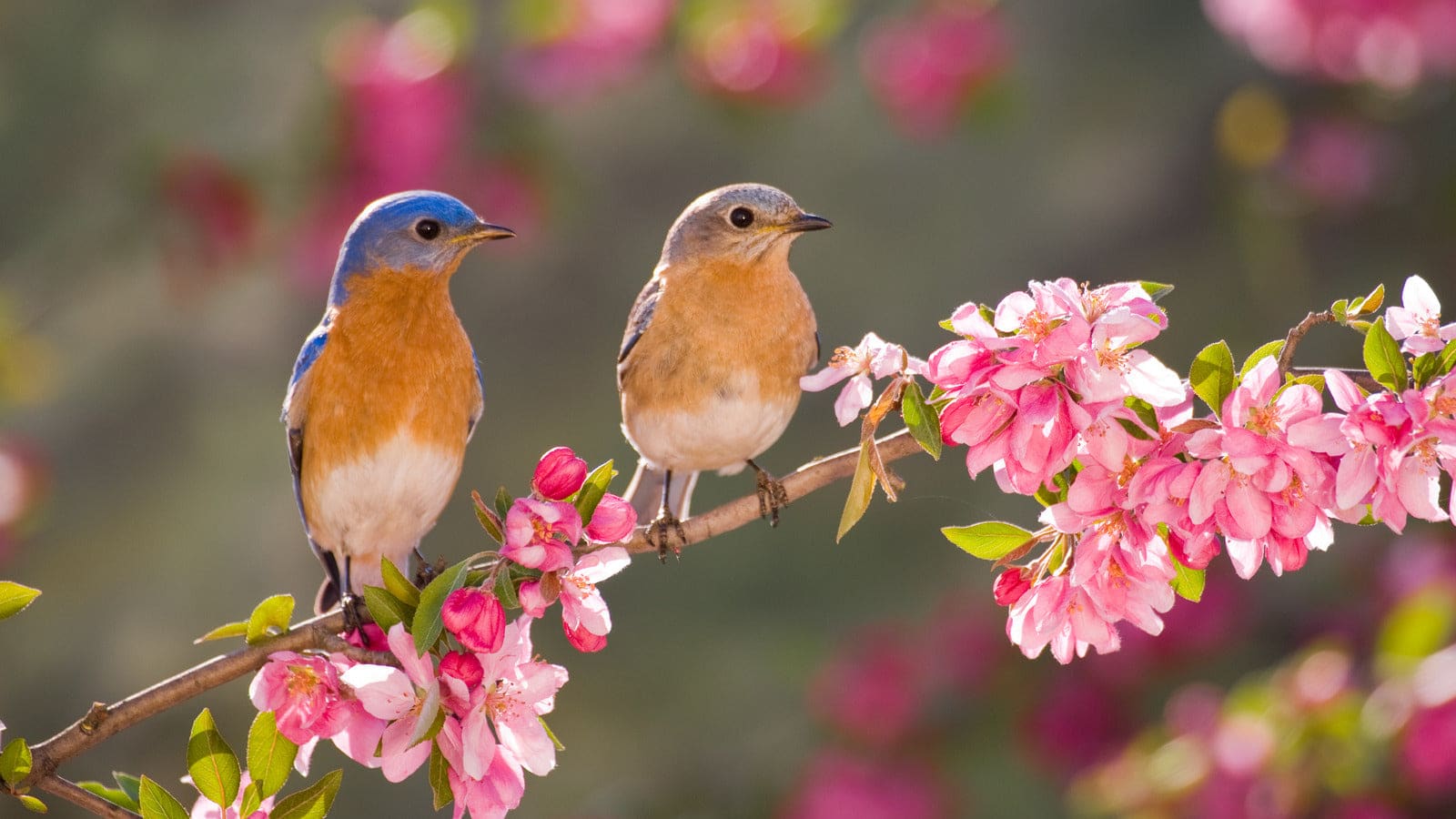
Do you want to fill your tropical garden with colorful, lively birds? Imagine waking up to the sweet songs and vibrant sights of exotic birds visiting your backyard every day.
Attracting birds in tropical areas isn’t as hard as you might think. With a few simple steps, you can create a welcoming space that draws these beautiful creatures right to you. Keep reading, and you’ll discover easy tips that make your outdoor space a bird magnet—bringing nature’s beauty closer than ever before.
Ideal Bird Species In Tropics
Tropical areas host many colorful and unique bird species. Attracting these birds adds life to your garden.
Knowing which birds are common and which visit seasonally helps create the right habitat.
Common Tropical Birds
Many birds live year-round in tropical climates. They enjoy the warm weather and plentiful food.
- Scarlet Macaw - bright red feathers and loud calls
- Toucan - famous for its large colorful bill
- Resplendent Quetzal - known for its vibrant green and red plumage
- Motmot - has a unique racket-shaped tail
- Honeycreeper - small, brightly colored, loves nectar
Seasonal Visitors
Some birds visit tropical areas only at certain times. They migrate to find food or breed.
| Bird Species | Visiting Season | Notes |
| Swallow-tailed Kite | Winter | Graceful flyer, eats insects |
| American Redstart | Spring and Fall | Small warbler with bright orange patches |
| Black-and-white Warbler | Winter | Climbs tree trunks looking for insects |
| Broad-winged Hawk | Fall | Soars in large flocks during migration |
| Bobolink | Winter | Male has striking black and yellow plumage |

Credit: uk.news.yahoo.com
Choosing The Right Plants
Birds in tropical areas need food and shelter to thrive. Choosing the right plants helps attract many bird species.
Plants provide food, nesting spots, and protection. Picking native and fruit-bearing plants helps create a bird-friendly garden.
Native Flowering Plants
Native flowering plants produce nectar and seeds that local birds love. They also attract insects, which birds eat.
Choosing native flowers keeps the garden natural. Birds recognize these plants and visit more often.
- Helps support local bird species
- Requires less water and care
- Provides natural food sources
- Attracts pollinators that birds eat
Fruit-bearing Trees
Fruit-bearing trees supply food for many tropical birds. They offer berries, seeds, and fruits all year round.
Plant trees that produce small fruits. Birds can easily eat and carry these fruits to other places.
- Mango trees attract fruit-eating birds
- Fig trees provide food in many seasons
- Guava trees offer sweet fruits for birds
- Banana plants attract nectar feeders too
Shrubs For Shelter
Shrubs give birds a safe place to hide and build nests. Dense shrubs protect birds from predators and bad weather.
Choose shrubs with thick leaves and branches. These offer cover and make birds feel safe in your garden.
- Helps birds rest and hide
- Provides nesting sites
- Offers protection from wind and rain
- Attracts small insects for bird food
Setting Up Bird Feeders
Attracting birds in tropical areas is a fun way to enjoy nature. Setting up bird feeders helps bring colorful birds close to your garden.
Choosing the right feeders and food makes a big difference. Also, placing feeders well keeps birds safe and happy.
Types Of Feeders
There are many feeders to suit different birds. Tube feeders, platform feeders, and nectar feeders work well in tropical regions.
- Tube Feeders:Hold seeds and attract small birds.
- Platform Feeders:Flat surfaces for larger birds to perch and eat.
- Nectar Feeders:Filled with sweet liquid to attract hummingbirds and orioles.
- Suet Feeders:Provide fat-rich food for insect-eating birds.
Best Bird Food
Choosing the right food helps attract more birds. Tropical birds like a mix of seeds, fruits, and nectar.
| Food Type | Birds Attracted |
| Sunflower Seeds | Finches, Sparrows |
| Fruits (Banana, Papaya) | Tanagers, Orioles |
| Sugar Water (Nectar) | Hummingbirds, Orioles |
| Peanut Butter or Suet | Woodpeckers, Orioles |
Placement Tips
Place feeders where birds feel safe and visitors can enjoy watching them. Keep feeders away from predators and strong winds.
- Hang feeders near trees or shrubs for cover.
- Keep feeders at least 5 feet off the ground.
- Place feeders in shaded spots to keep food fresh.
- Clean feeders regularly to prevent disease.
- Avoid placing feeders too close to windows to stop collisions.

Credit: www.yahoo.com
Creating Water Sources
Birds need water to drink and bathe. In tropical areas, water sources help attract many bird species. Providing safe, clean water encourages birds to visit your garden.
Adding water features like birdbaths and ponds creates a natural habitat. These spots give birds a place to refresh and cool down in warm weather.
Birdbaths And Ponds
Birdbaths offer shallow water where birds can drink and bathe safely. Ponds provide a larger water source and attract more bird types, including waterfowl.
- Choose a shallow birdbath, about 2 inches deep
- Place birdbaths in shady areas to keep water cool
- Use natural stones or materials for pond edges
- Add aquatic plants to ponds for shelter and food
- Ensure ponds have gentle slopes so birds can enter easily
Maintaining Clean Water
Clean water keeps birds healthy and attracts more visitors. Dirty water can spread disease and scare birds away.
| Task | Frequency |
| Change water in birdbaths | Every 2 days |
| Remove leaves and debris | Daily |
| Clean birdbaths with mild soap | Weekly |
| Check pond filters and pumps | Monthly |
Water Features To Attract Birds
Adding moving water can catch birds’ attention. Sounds of flowing water signal safety and freshness to birds.
Try these water features:
- Drippers hanging over birdbaths
- Small fountains in ponds
- Sprayers that create gentle mist
- Waterfalls with rocks for landing spots
Providing Nesting Spots
Birds need safe places to build their nests. This is very important in tropical areas. You can help birds by offering good nesting spots.
Creating nesting areas helps birds feel safe and encourages them to stay nearby. This also supports local wildlife and nature.
Natural Nesting Areas
Tropical birds often use trees, shrubs, and tall grasses for nests. These natural spots give birds shelter and protection.
Keep these areas undisturbed. Avoid cutting down trees or clearing bushes where birds might nest.
- Leave dead trees standing if safe
- Plant native trees and bushes
- Keep leaf litter and natural debris
Installing Nest Boxes
Nest boxes offer extra places for birds to build nests. They work well if natural spots are scarce.
Place boxes where birds can easily reach and feel safe. Use wood or other natural materials for the boxes.
- Mount boxes 5 to 15 feet high
- Face entrance away from wind and rain
- Clean boxes yearly to prevent pests
Safe Nesting Materials
Birds use soft materials to build nests. You can provide safe materials to help them.
Offer clean, natural items. Avoid anything sharp, plastic, or toxic that can harm birds.
- Dry grass and leaves
- Small twigs and bark strips
- Natural feathers
- Cotton or wool scraps (no synthetic fibers)

Credit: www.yahoo.com
Minimizing Predators And Threats
Birds in tropical areas face many dangers from predators. Keeping them safe helps more birds visit your garden. This guide shows ways to reduce risks.
Simple changes in your garden can stop predators and protect birds. Learn how to keep cats and other animals away. Also, follow safe garden habits.
Deterring Cats And Other Predators
Cats and other predators hunt small birds and scare them away. Use these tips to keep your garden safe for birds.
- Place thorny plants near bird feeders to block cats.
- Use motion-activated sprinklers to scare predators.
- Keep pet cats indoors or in a secure outdoor area.
- Remove dense bushes where predators hide.
- Install birdhouses on tall poles away from easy reach.
Safe Garden Practices
Safe garden habits help protect birds from harm. Follow these steps to make your garden a safe place.
| Practice | Why It Helps |
| Clean up fallen fruit | Reduces pests that attract predators |
| Use native plants | Provides natural shelter and food for birds |
| Avoid pesticides | Prevents harm to birds and their food sources |
| Secure trash bins | Keeps predators from foraging near birds |
| Provide fresh water | Encourages birds to stay in safer areas |
Using Bird Calls And Sounds
Birds respond well to sounds in tropical areas. Using calls can help attract them closer. You can imitate bird calls or use devices to play sounds.
Sound is a key way birds find food and mates. Playing the right calls can invite birds to visit your yard or garden.
Attracting Birds With Calls
Different birds react to different calls. You should learn common calls of local birds. Play these calls softly and wait for birds to come.
- Use calls of birds that live nearby.
- Play calls during early morning or late afternoon.
- Keep the volume low to avoid scaring birds.
- Repeat calls in short bursts with pauses.
- Change calls to attract different species.
Audio Devices Tips
Audio devices help play bird calls clearly. Choose a device that works well outdoors. Make sure it has good sound quality and battery life.
| Device Feature | Importance |
| Water resistance | Protects device in rain |
| Volume control | Adjust sound to avoid scaring birds |
| Portability | Easy to move to different spots |
| Battery life | Long use without charging |
Monitoring And Enjoying Birds
Watching birds in tropical areas is a fun and peaceful activity. It helps you learn about many bird species and their behaviors.
To enjoy bird watching fully, you need to observe carefully and keep track of what you see. This makes the experience more meaningful.
Bird Watching Tools
Good tools can help you see and identify birds better. Binoculars, cameras, and field guides are useful for bird watchers.
Binoculars make faraway birds look close and clear. Cameras help capture bird images to study later. Field guides help you learn bird names and facts.
- Binoculars with 8x or 10x zoom for clear views
- Camera with a zoom lens for close photos
- Field guidebooks or apps for identifying birds
- Notebook and pencil for quick notes
Keeping A Bird Journal
Writing down your bird observations helps you remember details. It also shows your progress in learning about birds.
Note the bird species, colors, size, sounds, and behavior. Include the date, time, and place of your sightings.
- Write the bird’s name or description
- Record the date and location of the sighting
- Note any special behaviors or sounds
- Sketch birds or attach photos if possible
Frequently Asked Questions
How Can I Attract Tropical Birds To My Garden?
Plant native fruiting trees and flowering plants to provide food and shelter. Use bird feeders with tropical seeds and fresh water sources. Avoid pesticides and create a safe, quiet environment to encourage bird visits.
What Types Of Plants Attract Tropical Birds?
Tropical birds prefer plants like hibiscus, heliconia, and banana trees. These plants offer nectar, fruits, and insects. Including a variety of plants with colorful flowers and berries helps attract diverse bird species.
Which Bird Feeders Work Best In Tropical Areas?
Use feeders filled with nectar, fruit, and mixed seeds. Platform feeders and hanging feeders suit tropical birds well. Regularly clean feeders to prevent mold and diseases that can harm birds.
How Important Is Water For Attracting Tropical Birds?
Water is essential for drinking and bathing. Provide shallow birdbaths or small ponds with fresh, clean water. Moving water, like a dripper or fountain, attracts more birds by mimicking natural streams.
Conclusion
Attracting birds in tropical areas can be simple and fun. Provide fresh water regularly. Plant native trees and shrubs. These offer food and shelter. Avoid chemical pesticides. They harm birds and their habitat. Create bird-friendly spaces with feeders. Use seeds that local birds enjoy.
Watch and enjoy their colorful presence. Birds bring life to any garden or backyard. They help in pollination and pest control. Encourage others to create bird-friendly environments too. Together, we can support bird populations. Enjoy the beauty and songs of tropical birds every day.
Nature's rewards are truly delightful and enriching.


