Have you ever wondered which bird has the power to crack open those tough Brazil nuts? If you’re curious about nature’s clever creatures and their surprising eating habits, you’re in the right place.
Understanding what bird eats Brazil nuts isn’t just fascinating—it reveals a secret connection between wildlife and the rainforest. Keep reading, and you’ll discover how these birds help spread life and why this simple nut plays a bigger role than you might think.
Your next nature conversation will never be the same!
Credit: nationalzoo.si.edu
Brazil Nuts And Their Habitat
Brazil nuts come from large trees found in South America. These trees grow in rainforests with rich soil and high rainfall.
The nuts are important for both people and wildlife in these forests. Understanding where they grow helps us protect them.
Where Brazil Nuts Grow
Brazil nut trees grow mainly in the Amazon rainforest. They need a warm, wet climate to thrive. The trees can reach over 150 feet tall.
- Found in Brazil, Bolivia, Peru, and Venezuela
- Grow in dense, undisturbed forest areas
- Depend on specific bees for pollination
- Produce large fruit with many nuts inside
Importance Of Brazil Nuts In The Ecosystem
Brazil nuts provide food and shelter to many animals. Their seeds are a vital food source for birds and mammals.
| Animal | Role with Brazil Nuts |
| Parrots | Crack open nuts to eat seeds |
| Rodents | Scatter seeds, helping new trees grow |
| Bees | Pollinate flowers, enabling nut production |

Credit: www.birdwatchingdaily.com
Meet The Nutcracker Bird
The Nutcracker Bird is known for eating Brazil nuts. This bird has a strong beak to crack hard shells. It plays a key role in spreading Brazil nut trees across the forest.
Many people wonder how this bird manages to eat such tough nuts. Its unique features help it reach its food and survive in the wild.
Physical Features
The Nutcracker Bird has special traits that help it eat Brazil nuts. Its beak is large and strong. The bird uses it to break the hard outer shell of the nut.
- Strong, curved beak for cracking nuts
- Sharp claws to hold nuts firmly
- Medium size, about 11 inches long
- Brownish feathers that blend with tree bark
- Powerful jaw muscles for extra force
Habitat And Range
The Nutcracker Bird lives mainly in the Amazon rainforest. It prefers tall forests where Brazil nut trees grow. The bird helps spread seeds by dropping nuts while moving around.
| Region | Country | Forest Type |
| Amazon Basin | Brazil | Dense Tropical Rainforest |
| Guiana Shield | Venezuela | Wet Evergreen Forest |
| Upper Amazon | Peru | Flooded Forest |
Diet Of The Nutcracker
The Nutcracker bird has a special diet that includes many types of nuts. It is well-known for eating Brazil nuts. These nuts are large and hard, but the Nutcracker can handle them.
This bird uses its strong beak to crack open the tough shells. It stores some nuts for later use. The Nutcracker’s diet changes with the seasons and food availability.
Preference For Brazil Nuts
Brazil nuts are a favorite food for the Nutcracker. The bird prefers these nuts because they are rich in fat and energy. This helps the bird survive cold weather.
- Brazil nuts have a hard shell that protects the seed inside.
- The Nutcracker uses its strong beak to open the shell.
- It often hides these nuts in the ground or tree bark.
- The bird returns later to eat the stored nuts.
Other Foods In Their Diet
The Nutcracker does not eat only Brazil nuts. It also eats other nuts, seeds, and small insects. This variety helps the bird get all the nutrients it needs.
| Food | Type | Reason |
| Acorns | Nut | High in energy |
| Pine seeds | Seed | Rich in fat |
| Insects | Animal | Protein source |
| Fruits | Plant | Vitamins and hydration |
How Nutcrackers Crack Brazil Nuts
Some birds eat Brazil nuts by cracking their hard shells. These nuts have very tough shells that are hard to open. Nutcracker birds have special ways to break them and eat the seed inside.
Understanding how these birds crack Brazil nuts shows their cleverness and strength. It also explains their role in spreading these nuts in the forest.
Techniques And Tools
Nutcrackers use their strong beaks to crack Brazil nuts. They hold the nut firmly and apply pressure until the shell breaks.
Sometimes, they use hard surfaces like tree branches or rocks as tools. They drop or hit the nut against these surfaces to open it.
- Use sharp beaks to bite or peck the shell
- Hold nuts firmly with claws or feet
- Hit nuts on hard surfaces to break them
- Drop nuts from heights to crack shells
Adaptations For Nut Cracking
Nutcrackers have strong, thick beaks made for breaking hard shells. Their jaws give them a powerful bite.
They also have sharp claws to hold nuts tightly. Their muscles are built to give strength for cracking tough shells.
- Strong, sharp beaks for biting hard shells
- Powerful jaw muscles for a strong bite
- Sharp claws to grip nuts firmly
- Good coordination to use tools and surfaces
Role Of Nutcrackers In Brazil Nut Dispersal
Brazil nuts grow inside hard shells that are tough to open. Some birds, called nutcrackers, help open these shells. They play a big role in spreading Brazil nuts across the forest.
Nutcrackers take the nuts from the tree and crack them open to eat the seeds inside. They carry the nuts far from the tree. This movement helps new Brazil nut trees grow in different places.
Seed Dispersal Process
Nutcrackers gather Brazil nuts by pecking at the hard shells. They often carry nuts in their beaks or feet. Then, they drop or hide the nuts away from the parent tree.
Some nuts get lost or forgotten. These forgotten nuts can grow into new Brazil nut trees. This process spreads the seeds over a wide area and helps the forest stay healthy.
- Nutcrackers break open Brazil nut shells
- They carry nuts far from the tree
- Some nuts are left behind or forgotten
- Forgotten nuts grow into new trees
Impact On Forest Regeneration
Nutcrackers help spread Brazil nuts, which leads to new tree growth. This keeps the forest full of diverse plants and animals. It also helps maintain the forest’s natural balance.
The new trees provide food and shelter for many animals. This supports the whole ecosystem. Without nutcrackers, fewer Brazil nuts would spread, and the forest would lose some of its strength.
Conservation Of Nutcrackers And Brazil Nut Trees
Nutcrackers are birds that eat Brazil nuts and help spread their seeds. Brazil nut trees depend on these birds to grow new trees. Protecting both is important for the forest and its animals.
Many people do not realize how linked these birds and trees are. If one disappears, the other may struggle to survive. Conservation helps keep this balance strong.
Threats To Their Survival
Nutcrackers and Brazil nut trees face many dangers. Cutting down trees destroys the birds’ homes and food sources. This makes it harder for the trees to spread their seeds.
- Deforestation removes large areas of forest.
- Logging reduces the number of mature Brazil nut trees.
- Hunting and trapping reduce nutcracker populations.
- Climate change affects the forest’s health and growth.
Conservation Efforts
People work to protect nutcrackers and Brazil nut trees in many ways. These efforts help keep the forest healthy and the animals safe.
| Conservation Action | Purpose | Impact |
| Protected areas | Save habitat for birds and trees | Maintain natural forest ecosystems |
| Reforestation projects | Plant new Brazil nut trees | Increase tree population and food supply |
| Education programs | Raise awareness about species roles | Reduce hunting and logging |
| Research | Study nutcracker behavior and ecology | Guide future conservation plans |

Credit: www.birdwatchingdaily.com
Frequently Asked Questions
Which Birds Eat Brazil Nuts In The Wild?
Parrots, especially macaws, are the main birds that eat Brazil nuts. They crack the hard shells with their strong beaks. These birds also help disperse Brazil nut seeds, aiding forest growth and biodiversity.
Why Do Macaws Eat Brazil Nuts?
Macaws eat Brazil nuts for their high fat and protein content. These nutrients provide essential energy, especially during breeding seasons. Their beaks are specially adapted to break the tough shells, allowing them access to the nutritious seeds inside.
How Do Birds Crack Brazil Nut Shells?
Birds like macaws use their strong, curved beaks to crack Brazil nut shells. They apply precise pressure to break the hard outer layer without damaging the seed. This skill helps them access the nutritious nuts inside efficiently.
Do All Parrots Eat Brazil Nuts?
Not all parrots eat Brazil nuts; mostly large species like macaws do. Smaller parrots lack the beak strength to crack the hard shells. Macaws are uniquely adapted to feed on these tough nuts in the Amazon rainforest.
Conclusion
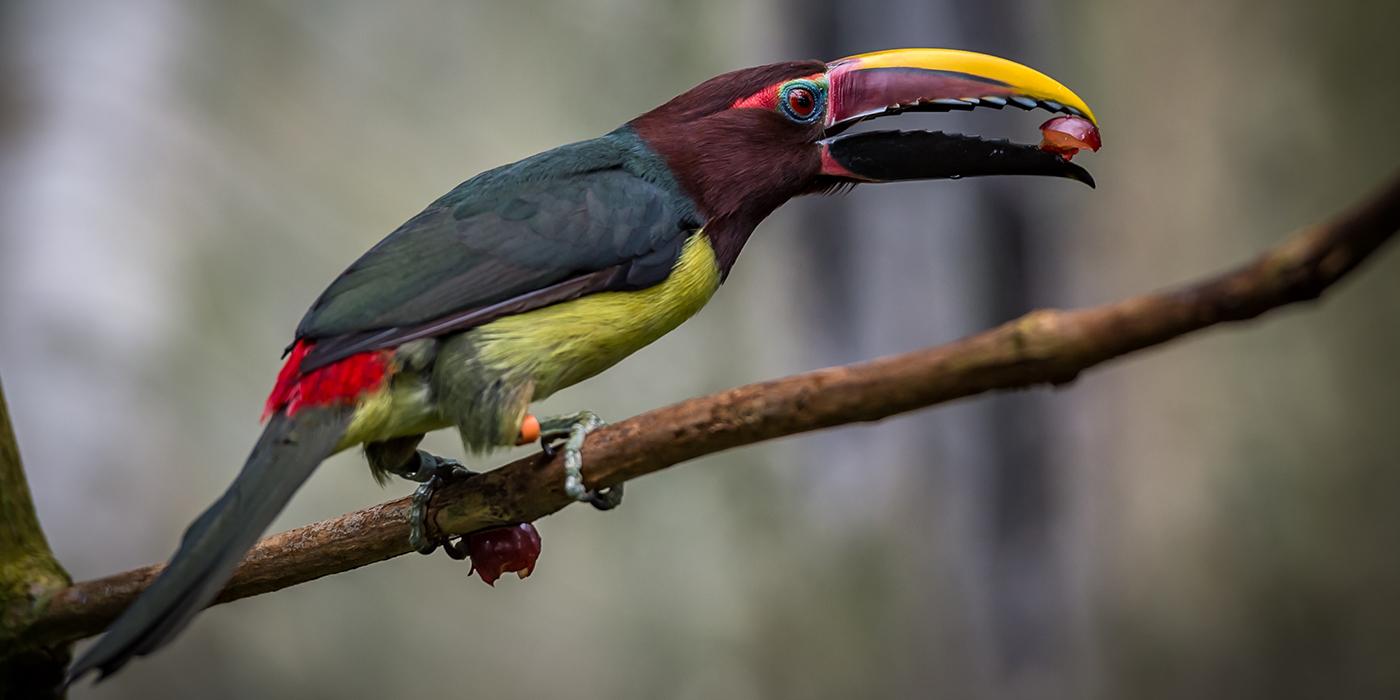
Birds like toucans and agoutis enjoy eating Brazil nuts. These animals help spread the nuts across the forest. This process helps new trees grow. Brazil nuts are important for both wildlife and people. Watching these birds can teach us about nature.
Protecting their homes keeps the forest healthy. Every bird plays a role in the ecosystem. Remember, nature works together in many small ways. Understanding this helps us care for the planet better.