
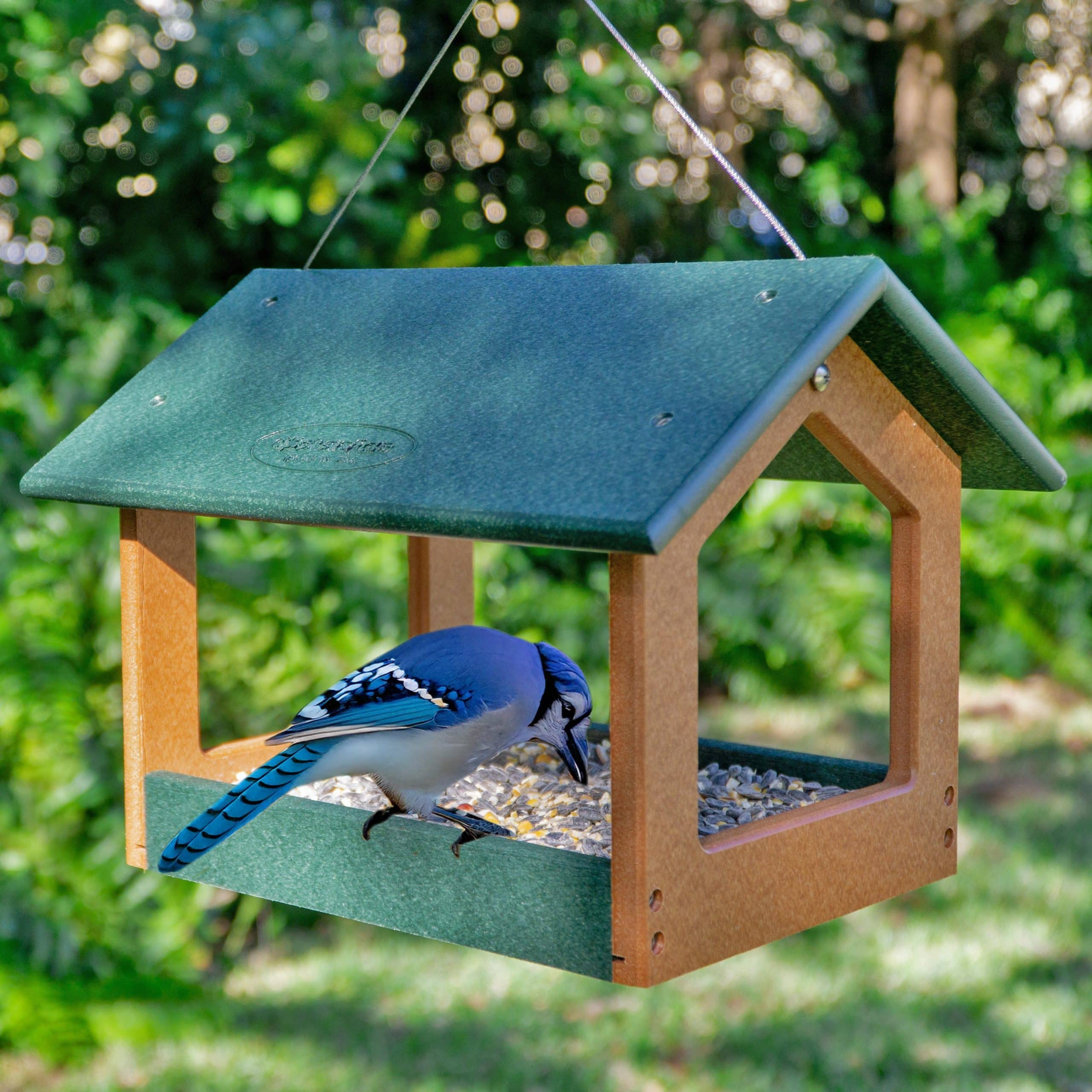
If you want to bring more colorful birds right to your backyard, hopper feeders are your best friend. These feeders are designed to hold plenty of food and keep it fresh, making them a favorite spot for birds to visit again and again.
Imagine watching your garden come alive with chirping, fluttering visitors every day. You’ll discover why hopper feeders work so well and how to choose the perfect one to attract a variety of beautiful birds. Keep reading to turn your outdoor space into a lively bird haven!
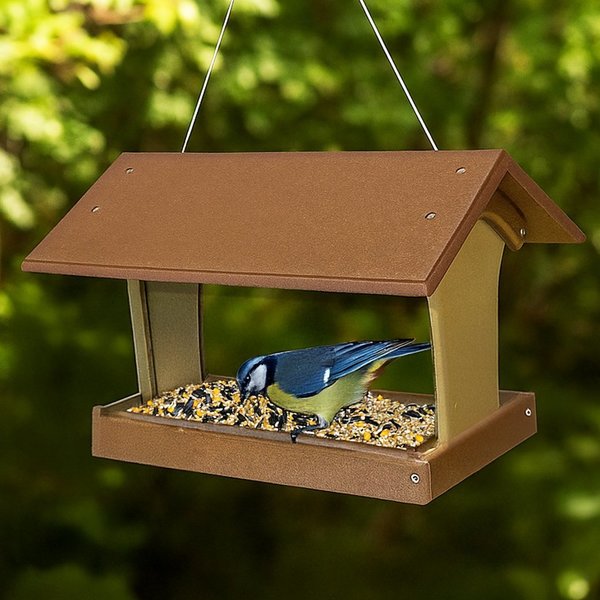
Credit: www.dutchcrafters.com
What Are Hopper Feeders
Hopper feeders are bird feeders designed with a container that holds birdseed. The seed flows down as birds eat, keeping the supply steady.
These feeders protect seeds from rain and wind. They attract many types of birds by offering fresh food in a dry place.
Design And Function
A hopper feeder has a large seed container on top. The seeds drop into a tray or feeding area below. Birds perch on the edges to eat.
The design keeps seed dry and fresh. It also reduces waste by controlling how much seed is available at one time.
Materials Used
- Wood – classic look, blends well in gardens
- Plastic – lightweight and weather-resistant
- Metal – sturdy and long-lasting
- Glass – clear view of seed level
Each material has benefits. Choose one that fits your outdoor space and weather conditions.
Benefits Of Hopper Feeders
| Benefit | Description |
| Seed Protection | Keeps seeds dry and safe from pests |
| Easy to Refill | Large hopper reduces frequent refilling |
| Attracts Many Birds | Offers food to different bird types |
| Less Waste | Controls seed flow to prevent spillage |
Benefits Of Using Hopper Feeders
Hopper feeders help attract birds to your garden or yard. They hold seeds safely and keep them dry. This makes feeding birds easier and cleaner.
Using hopper feeders encourages more birds to visit. They offer a steady supply of food. This supports birds during different seasons.
Keeps Food Dry And Fresh
Hopper feeders have a roof that protects seeds from rain and snow. This keeps the food dry and fresh for birds. Dry seeds are easier for birds to eat and digest.
Reduces Waste And Mess
The design of hopper feeders controls how much seed birds can take at once. This lowers seed spillage on the ground. Less mess means fewer pests and easier cleaning.
- Seeds stay inside the feeder
- Less seed wasted on the ground
- Cleaner feeding area for birds and people
Attracts A Variety Of Birds
Hopper feeders can hold different types of seeds. This draws many bird species. You can enjoy watching a mix of birds come to feed.
| Seed Type | Birds Attracted |
| Sunflower Seeds | Finches, Chickadees, Cardinals |
| Millet | Sparrows, Doves |
| Peanuts | Woodpeckers, Nuthatches |
Easy To Fill And Clean
Hopper feeders open from the top for quick refilling. They also come apart for easy cleaning. Clean feeders help keep birds healthy.
Tips for Maintenance:
- Fill feeder regularly to keep birds coming back
- Wash feeder every two weeks with mild soap and water
- Check for mold or damp seeds before refilling
Choosing The Right Hopper Feeder
Hopper feeders hold bird food in a container and release it as birds eat. They keep seeds dry and protect food from rain.
Picking the right hopper feeder helps attract more birds to your yard. Think about materials, size, and design features.
Material Options
Hopper feeders come in different materials. Each has benefits for durability and appearance.
Metal feeders last long and resist chewing by squirrels. Plastic feeders are lightweight and easy to clean. Wood feeders look natural but need more care.
- Metal: strong and weather-resistant
- Plastic: light and easy to maintain
- Wood: natural look but needs protection
Size And Capacity
Choose a hopper feeder size that fits your space and bird visits. Larger feeders hold more seed and need less refilling.
Small feeders work well for few birds or limited space. Big feeders suit busy bird feeders and large yards.
- Small: easy to fill, good for few birds
- Medium: balances capacity and size
- Large: holds more seed, less refilling
Design Features
Design affects how birds use the feeder and how seed stays fresh. Look for easy refilling and cleaning options.
Features like seed guards stop squirrels. Roofs protect seed from rain. Perches should be comfortable for birds.
- Seed guards reduce waste
- Covered roof keeps seed dry
- Good perches help birds feed easily
- Clear panels show seed level
- Easy to open for cleaning
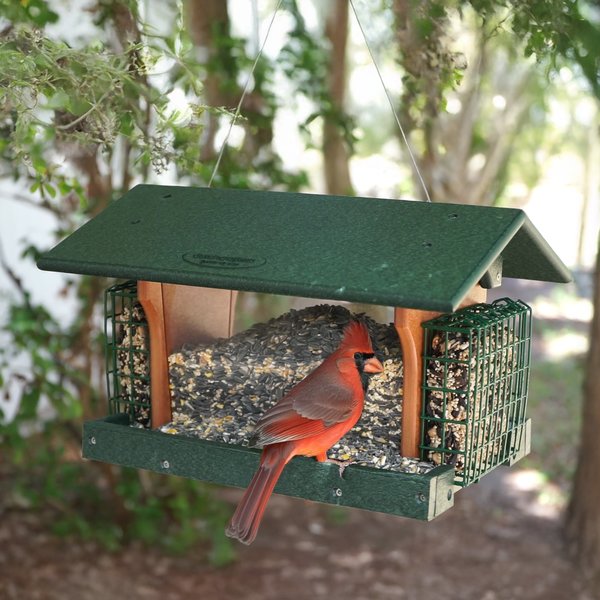
Credit: www.dutchcrafters.com
Best Bird Seeds For Hopper Feeders
Choosing the right seeds helps attract many bird species to your hopper feeder. Different seeds appeal to different birds. Picking fresh, quality seed keeps birds coming back.
Hopper feeders hold a good amount of seed and protect it from weather. Using the best seeds ensures birds enjoy their visit without wasted food.
Popular Seed Types
Black oil sunflower seeds are a favorite for many birds. They have thin shells and high oil content. Millet is good for small birds like sparrows and finches. Safflower seeds attract cardinals and doves.
- Black oil sunflower seeds attract cardinals, chickadees, and finches.
- White proso millet is popular with sparrows and juncos.
- Safflower seeds appeal to cardinals and grosbeaks.
- Nyjer (thistle) seeds attract finches and siskins.
- Cracked corn is good for larger birds like jays and doves.
Seed Blends To Attract Variety
Mixing seeds can attract different bird types to your feeder. A good blend offers both oil-rich and small seeds. This variety keeps many birds interested.
| Seed Type | Birds Attracted | Seed Size |
|---|---|---|
| Black Oil Sunflower | Cardinals, Chickadees, Finches | Medium |
| Millet | Sparrows, Juncos, Doves | Small |
| Safflower | Cardinals, Grosbeaks | Medium |
| Nyjer (Thistle) | Finches, Siskins | Very Small |
| Cracked Corn | Jays, Doves, Pigeons | Large |
Avoiding Spoiled Seeds
Seed spoilage can harm birds and waste food. Keep seeds dry and clean. Store extra seed in a cool, dry place. Change seed often to avoid mold and insects.
- Check seed for mold or foul smell before use.
- Empty old seed from feeder regularly.
- Use feeders with good ventilation and drainage.
- Store seed in airtight containers.
- Avoid seed left outside too long in wet weather.
Placement Tips For Hopper Feeders
Placing hopper feeders in the right spot helps attract more birds. Good placement makes birds feel safe and welcome.
Choosing a proper location keeps the feeder clean and easy for you to refill. It also protects birds from danger.
Safe Locations
Pick a spot that is quiet and calm. Birds prefer places away from loud noises and heavy traffic.
Place the feeder near bushes or trees. These give birds shelter and a quick place to hide.
- Choose a spot with some shade to keep seed fresh
- Keep the feeder away from windows to avoid bird collisions
- Place near natural cover like shrubs or tall grass
Height And Accessibility
Set the feeder at a height easy for you to reach. This helps you refill and clean it often.
Birds like feeders about 4 to 6 feet off the ground. This height is safe and comfortable for many species.
- Place feeder 4-6 feet high for best bird access
- Make sure you can reach it without tools or ladders
- Clear paths around the feeder so birds can land easily
Avoiding Predators
Keep feeders away from places where cats and other predators hide. This protects birds from attacks.
Use baffles or poles to block predators from climbing up to the feeder.
- Place feeders at least 10 feet away from shrubs or fences
- Use predator baffles on poles or hanging feeders
- Clear nearby branches where predators can jump from

Credit: www.amazon.com
Maintenance And Cleaning
Keeping hopper feeders clean is important to attract healthy birds. Regular maintenance prevents problems and keeps birds coming back.
Dirty feeders can spread disease and harm birds. Cleaning your feeder often helps keep birds safe and happy.
Cleaning Frequency
Clean your hopper feeder at least once every two weeks. If the weather is wet, clean it more often to stop mold growth.
- Empty old seed before cleaning
- Use warm water and mild soap
- Rinse thoroughly to remove soap
- Let feeder dry completely before refilling
Preventing Mold And Disease
Mold and disease can hurt birds. Keep the feeder dry and avoid seed buildup to prevent this.
| Risk | Prevention |
| Mold | Clean often and keep feeder dry |
| Seed Spoilage | Remove wet or old seed quickly |
| Bird Illness | Sanitize feeder with safe cleaner |
Storage Tips
Store your hopper feeder properly during off-season or bad weather to keep it in good shape.
- Empty all seed before storage
- Clean and dry feeder completely
- Store in a cool, dry place away from pests
- Check feeder for damage before using again
Attracting Different Bird Species
Hopper feeders are great for attracting many types of birds. They hold a good amount of seed and keep it dry.
Using the right seeds and feeder placement helps bring different birds to your yard. You can enjoy watching a variety of species.
Common Backyard Birds
Many backyard birds like hopper feeders because they can perch and eat comfortably. Popular birds include finches, sparrows, and chickadees.
These birds prefer seeds like sunflower, millet, and cracked corn. Hopper feeders offer a good mix for them.
- American Goldfinch
- House Sparrow
- Black-capped Chickadee
- Northern Cardinal
- Dark-eyed Junco
Seasonal Visitors
Seasonal birds come to your feeder during migration or winter. These visitors add variety to your birdwatching.
Using hopper feeders with mixed seeds attracts species like juncos and grosbeaks. Changing seeds by season helps attract more birds.
- Dark-eyed Junco (winter)
- Purple Finch (winter)
- Rose-breasted Grosbeak (spring/fall)
- White-throated Sparrow (winter)
Using Feeders With Water Sources
Birds need water for drinking and bathing. Place a water source near your hopper feeder to attract more birds.
Clean water and a safe spot help birds visit often. A birdbath or small fountain works well near feeders.
- Provide fresh water daily
- Keep water source clean
- Place water near feeders but safe from predators
- Use shallow water for easy access
Diy Hopper Feeder Ideas
Hopper feeders are a great way to attract birds to your garden. You can build one yourself with simple materials. This guide will help you make a hopper feeder that birds will love.
Making your own feeder lets you customize it to fit your space and style. You will also save money and enjoy a fun project.
Materials Needed
You need a few basic materials to make a hopper feeder. Most are easy to find at home or in stores.
- Wood boards (cedar or pine works well)
- Wood glue or nails
- Sandpaper
- Paint or wood sealer (optional)
- Clear plastic sheet (for roof)
- Small hinges (for feeder lid)
- Screws and screwdriver
- Measuring tape and pencil
- Birdseed
Step-by-step Guide
Follow these steps to build a simple hopper feeder. Take your time and measure carefully.
- Cut four wood pieces: two for sides, one for base, one for back.
- Attach side pieces to base using nails or wood glue.
- Fix the back piece to the sides and base to form a box.
- Cut a roof piece from wood or plastic sheet.
- Attach the roof with hinges so it opens for refilling.
- Sand all rough edges to keep birds safe.
- Paint or seal the wood to protect it from weather.
- Fill the feeder with birdseed.
- Place the feeder where birds can easily find it.
Customization Tips
You can make your hopper feeder unique and better for birds. Try these ideas to improve your feeder.
- Use bright colors to attract more birds.
- Add perches below the feeder for easy landing.
- Use recycled wood for an eco-friendly feeder.
- Include drainage holes in the base to keep seeds dry.
- Attach a tray under the feeder to catch spilled seeds.
- Make the roof larger to protect seeds from rain.
- Decorate with nature-themed designs like leaves or flowers.
- Mount the feeder on a pole or hang it from a tree branch.
Frequently Asked Questions
What Are Hopper Feeders Used For In Bird Feeding?
Hopper feeders store birdseed in a covered container. They protect seeds from rain and pests. Birds access seeds from a small tray. This design attracts many bird species. Hopper feeders help keep seeds fresh longer.
How Do Hopper Feeders Attract More Birds?
Hopper feeders offer a stable seed supply. Their design allows multiple birds to feed simultaneously. The covered hopper protects seeds, keeping them dry and fresh. This creates a reliable food source. Birds quickly learn to visit these feeders regularly.
Which Birds Prefer Hopper Feeders?
Many seed-eating birds like hopper feeders. Common visitors include finches, chickadees, cardinals, and sparrows. These feeders accommodate different bird sizes. The seed variety also attracts a diverse bird population. Hopper feeders support year-round bird feeding.
How To Maintain A Hopper Feeder For Birds?
Clean hopper feeders regularly to prevent mold and disease. Use warm, soapy water and rinse thoroughly. Check for seed clogs and remove old seeds. Place feeders in shaded areas to keep seeds fresh. Proper maintenance ensures birds stay healthy and happy.
Conclusion
Hopper feeders offer a great way to attract a variety of birds. They are easy to use and maintain. Birds love the easy access to seeds. These feeders provide a steady food supply. They also help keep seeds dry and fresh.
A well-placed feeder can bring joy to your garden. Watching birds visit can be relaxing and fun. You’ll enjoy the sights and sounds of nature. Choose the right feeder for your space. Enjoy the beauty and diversity of visiting birds.
Your garden will be a lively place. Happy bird watching!



