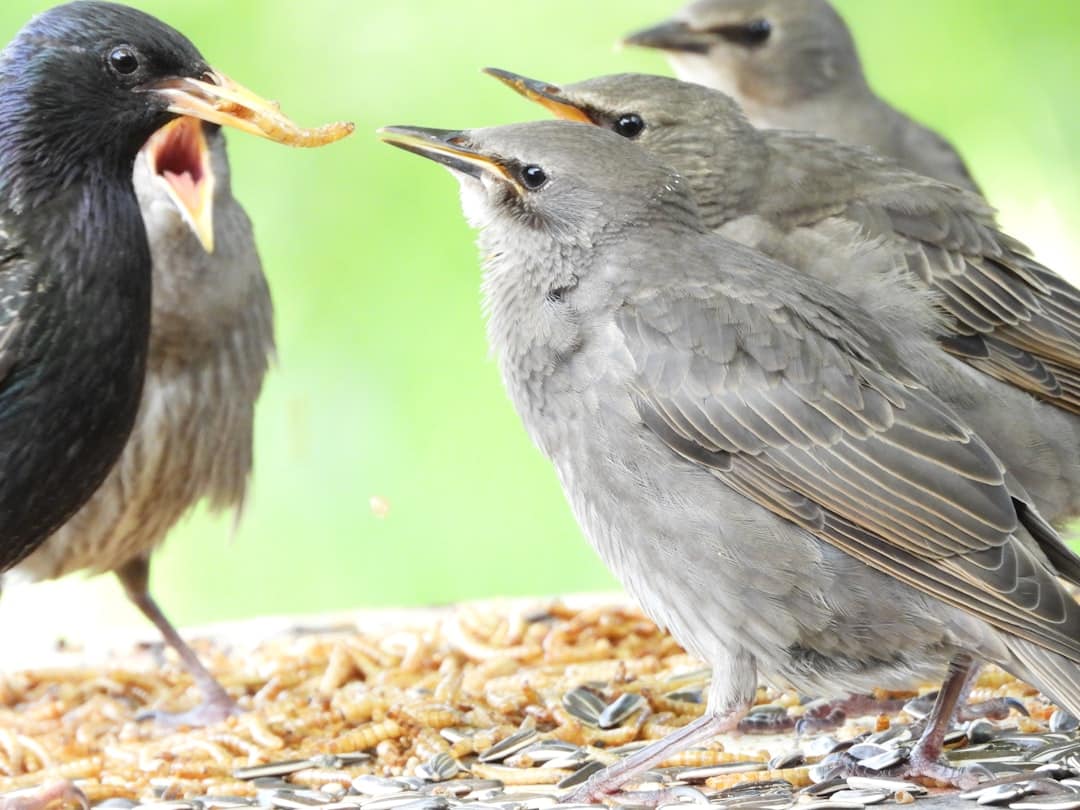
Are you curious about which birds enjoy mealworms as a tasty treat? If you’ve ever wondered what bird eats meal worms and why they love them, you’re in the right place.
Understanding these birds can help you attract the right feathered friends to your backyard. Keep reading to discover the top birds that feast on mealworms and how you can use this knowledge to bring more life and color to your outdoor space.
You won’t want to miss these surprising insights!
Popular Birds That Eat Mealworms
Mealworms are a favorite food for many bird species. They provide protein and energy for birds during all seasons.
Feeding mealworms can attract a variety of birds to your backyard. Let's explore some popular birds that enjoy mealworms.
Songbirds
Songbirds love mealworms because they are easy to eat and full of nutrients. These small birds often come to feeders with mealworms.
- Robins
- Chickadees
- Finches
- Thrushes
- Warblers
Woodpeckers
Woodpeckers eat insects hidden in tree bark. Mealworms are a good substitute when insects are scarce.
| Woodpecker Species | Mealworm Preference |
| Downy Woodpecker | High |
| Hairy Woodpecker | Moderate |
| Red-bellied Woodpecker | High |
| Yellow-bellied Sapsucker | Low |
Bluebirds
Bluebirds are often seen eating mealworms from feeders. They use mealworms to feed their young in spring.
Bluebirds prefer live mealworms but will also eat dried ones. Providing a shallow dish helps them feed easily.
Wrens
Wrens are small and active birds. They seek mealworms for quick energy and to feed their chicks.
- Carolina Wren
- House Wren
- Cactus Wren

Credit: www.shutterstock.com
Benefits Of Mealworms For Birds
Mealworms are a popular food choice for many birds. They provide important nutrients birds need to stay healthy.
Feeding mealworms can help birds gain energy and attract a variety of species to your garden.
Nutritional Value
Mealworms are rich in protein and fat. These nutrients help birds grow strong feathers and muscles.
| Nutrient | Amount per 100g |
| Protein | 20-24 grams |
| Fat | 12-15 grams |
| Calcium | 50-70 mg |
| Iron | 3-4 mg |
Energy Boost
Birds need energy to fly and find food. Mealworms give them a quick energy source.
- High fat content for long-lasting energy
- Easy to digest for quick nutrient uptake
- Supports active birds during breeding season
Attracting Diverse Species
Offering mealworms can attract many bird types. Insect-eating birds especially like them.
- Bluebirds
- Wrens
- Chickadees
- Nuthatches
- Woodpeckers
How To Offer Mealworms To Birds
Mealworms are a tasty treat for many birds. Offering them correctly helps birds eat safely and enjoy their snack.
Different birds like mealworms, especially insect-eaters. Knowing how to feed mealworms makes feeding easier and cleaner.
Feeding Techniques
Place mealworms in a shallow dish or tray to keep them accessible. Avoid deep containers where birds might struggle.
Scatter mealworms on the ground for ground-feeding birds. Use a platform feeder for those that prefer perching.
- Use shallow dishes or trays
- Scatter on the ground for ground feeders
- Use platform feeders for perching birds
Best Feeding Times
Feed mealworms early in the morning when birds start looking for food. This helps them gain energy for the day.
Offer mealworms again before sunset. Birds need extra food to stay warm and active at night.
- Morning feeding boosts energy
- Evening feeding helps warmth
- Avoid midday feeding to prevent spoilage
Choosing Live Vs. Dried Mealworms
Live mealworms move and attract birds naturally. They offer more moisture and feel fresh to birds.
Dried mealworms last longer and are easier to store. Birds still enjoy them, but they lack moisture.
- Live mealworms attract by movement
- Live mealworms provide moisture
- Dried mealworms store longer
- Dried mealworms are less messy
Mealworms And Bird Behavior
Mealworms are a popular food for many bird species. Birds enjoy mealworms because they are easy to catch and full of nutrients.
Understanding which birds eat mealworms helps in feeding them properly. Mealworms also influence how birds behave around feeders.
Feeding Habits
Many birds eat mealworms as part of their diet. Birds like robins, bluebirds, and wrens often seek out mealworms for food.
Mealworms are usually eaten live or dried. Birds use their beaks to catch and eat them quickly.
- Robins hunt mealworms on the ground
- Bluebirds pick mealworms from feeders
- Wrens search for mealworms in bushes
Seasonal Preferences
Birds eat more mealworms during breeding season. Mealworms provide protein needed for raising chicks.
In colder months, birds may eat fewer mealworms. They shift to other foods like seeds and berries.
- Spring and early summer: high mealworm consumption
- Fall and winter: reduced mealworm eating
- Mealworms help birds stay strong during nesting
Impact On Bird Health
Mealworms are rich in protein and fat. These nutrients support healthy feathers and strong muscles.
Feeding mealworms can improve bird energy and growth. Birds also recover faster during molting with mealworm diets.
- Boosts energy for flight and daily activities
- Supports feather growth and repair
- Helps young birds grow quickly
Common Mistakes When Feeding Mealworms
Many bird owners feed mealworms without knowing the common mistakes. These mistakes can harm the birds or waste food.
Learning the right way to feed mealworms keeps birds healthy and happy.
Overfeeding Risks
Feeding too many mealworms can cause health problems for birds. Birds may gain too much weight or get sick from poor digestion.
Overfeeding also leads to leftover mealworms that spoil and attract pests.
- Feed only what birds can eat in a short time
- Limit mealworms to a small part of the diet
- Watch bird behavior for signs of overeating
Storage Tips
Mealworms need cool, dry places to stay fresh. Warm or wet storage makes them die or grow mold.
Good storage keeps mealworms healthy and ready to feed.
- Keep mealworms in a ventilated container
- Store in a cool place, around 50°F (10°C)
- Use bran or oats as bedding to absorb moisture
- Check regularly and remove dead mealworms
Avoiding Contamination
Contamination can make mealworms unsafe for birds. Dirty containers or spoiled food spread bacteria and mold.
Clean handling stops illness and keeps birds healthy.
- Wash hands before and after handling mealworms
- Use clean containers and tools only
- Remove uneaten mealworms quickly
- Do not mix old and new mealworms

Credit: www.gettyimages.com

Credit: www.livingwithbirds.com
Frequently Asked Questions
What Birds Commonly Eat Mealworms?
Many birds enjoy mealworms, including robins, bluebirds, chickadees, wrens, and sparrows. They are a protein-rich treat.
Are Mealworms Suitable For Wild Birds?
Yes, mealworms are safe and nutritious for wild birds. They provide essential protein, especially during breeding and molting seasons.
How To Feed Mealworms To Backyard Birds?
Offer mealworms in a shallow dish or bird feeder. Keep them fresh and avoid mold or spoilage for bird health.
Do Mealworms Attract Specific Bird Species?
Mealworms attract insect-eating birds like bluebirds and wrens. They can help bring these beneficial birds to your garden.
Conclusion
Birds love mealworms for their protein-rich content. Bluebirds, robins, and wrens find them delicious. These tiny creatures make a great food source. Perfect for attracting birds to your garden. Watching them feast brings joy and color to your yard. Keep your feeder stocked for regular visits.
Remember, fresh mealworms work best. Dried ones are good too but need water. Happy birdwatching awaits! With patience, your garden becomes a lively bird paradise. Enjoy the cheerful chirps and flapping wings. Nature's beauty at your doorstep, thanks to mealworms.