

Bringing a new bird home is exciting, but teaching it to perch for the first time can feel tricky. You want your feathered friend to feel safe and comfortable, not scared or confused.
How do you help your bird trust the perch and make it a cozy spot? If you’re wondering where to start or worried about mistakes, this guide is for you. Keep reading, and you’ll discover simple, proven steps to help your bird perch confidently and happily right from the start.
Choosing The Right Perch
Picking a good perch is key for your bird’s comfort and safety. The right perch helps your bird feel secure and happy.
Different materials, sizes, and placement affect how your bird uses the perch. Learn what to look for before placing a perch.
Material Matters
Perches come in many materials like wood, rope, and plastic. Choose natural wood perches to keep your bird’s feet healthy.
- Wood is safe and natural for birds to grip.
- Rope perches add variety but check for fraying.
- Plastic perches are easy to clean but can be slippery.
- Avoid sandpaper perches to prevent foot injuries.
Size And Shape
Choose perches that match your bird’s size. The right thickness lets your bird wrap its toes comfortably.
| Bird Size | Perch Diameter | Shape |
|---|---|---|
| Small Birds | 0.5 to 0.75 inches | Round or slightly uneven |
| Medium Birds | 0.75 to 1.25 inches | Varied shapes to exercise feet |
| Large Birds | 1.25 to 2 inches | Sturdy, round perches |
Placement Tips
Place the perch where your bird can rest safely and see its surroundings. Avoid spots near cage doors or food bowls.
- Position the perch away from drafts or direct sunlight.
- Keep it stable to prevent wobbling.
- Use multiple perches to encourage movement.
- Make sure the perch is easy to access for your bird.
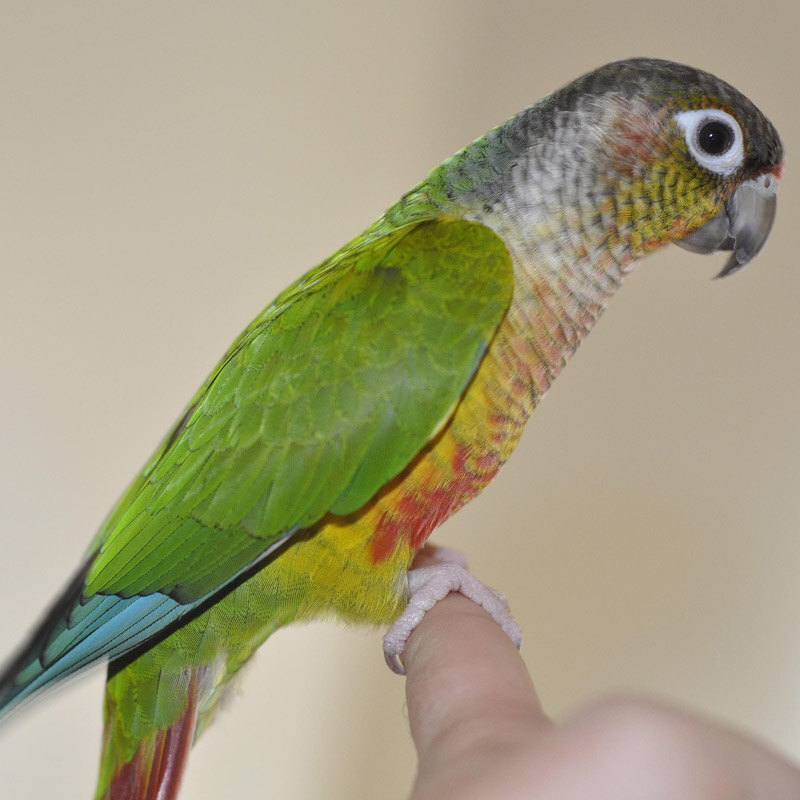
Credit: lafeber.com
Preparing Your Bird
Getting your bird ready to perch takes patience and care. You need to help your bird feel safe and calm.
Start by setting up a quiet space and gathering the right tools. This makes the first perching experience smooth.
Building Trust
Trust is the key to getting your bird comfortable. Spend time near your bird without forcing contact.
- Speak softly to your bird every day.
- Offer your hand slowly and let the bird come to you.
- Avoid sudden moves or loud noises.
- Spend at least 10 minutes daily near the bird’s cage.
Familiarizing With The Perch
Let your bird see and touch the perch before using it. This helps reduce fear and builds curiosity.
| Activity | Purpose |
| Place the perch inside the cage | Bird sees it as a safe spot |
| Gently touch the bird’s feet with the perch | Bird learns to feel the perch |
| Move the perch slowly near the bird | Bird gets used to the perch’s presence |
Using Treats And Rewards
Treats help your bird link the perch with good things. Use them to encourage stepping onto the perch.
Try these steps with treats:
- Hold a treat near the perch to attract your bird.
- Give a treat each time the bird touches the perch.
- Speak gently and praise the bird after each try.
- Repeat the process several times daily for best results.
Step-by-step Perching Process
Teaching your bird to perch for the first time is an important skill. It helps your bird feel safe and comfortable in new spaces.
This guide will walk you through simple steps to help your bird perch easily and confidently.
Initial Introduction
Start by placing the perch inside the bird’s cage. Let your bird explore it at their own pace. Do not rush or force them to use it.
Keep the perch clean and stable. Make sure it is the right size for your bird’s feet. This helps your bird feel safe.
- Choose a perch with a comfortable diameter
- Place it at a low height for easy access
- Leave it in the cage for several days
Encouraging First Steps
Use gentle encouragement to help your bird try the perch. Offer treats or favorite foods near the perch. This creates a positive connection.
Talk softly to your bird while showing the perch. You can also use your hand to guide them gently toward it.
- Place treats on the perch
- Call your bird with a calm voice
- Gently guide your bird’s feet to the perch
- Be patient and calm during attempts
Supporting During Attempts
Stay close and watch your bird’s behavior while they try perching. Offer quiet praise or soft words to encourage them.
If your bird seems scared, remove distractions and try again later. Keep sessions short to avoid stress.
- Keep your voice calm and gentle
- Offer support by holding the perch steady
- Limit sessions to a few minutes
- Celebrate small successes with treats

Credit: www.reddit.com
Common Challenges
Perching your bird for the first time can be tricky. Birds often show fear or hesitation. This may slow down the process.
Understanding common challenges can help you work patiently. Recognizing signs of stress and refusal is important.
Fear And Hesitation
Birds may feel scared of new places or hands. They might freeze or try to fly away. This is normal for first timers.
- Speak softly to calm your bird.
- Move slowly and avoid sudden actions.
- Offer treats to build trust.
- Allow the bird to explore the perch first.
Avoiding Stress
Stress can harm your bird’s health. Watch for signs like heavy breathing or fluffed feathers. Keep sessions short and positive.
| Sign of Stress | What to Do |
| Rapid breathing | Pause and let bird rest |
| Feather ruffling | Speak softly and stay calm |
| Trying to escape | Give space and try later |
Handling Refusals
Sometimes birds refuse to perch. This can be frustrating. Patience is key to success.
Try these tips if your bird refuses:
- Offer the perch in a quiet room.
- Use treats to encourage stepping up.
- Practice daily, but keep it short.
- Never force your bird onto the perch.
Maintaining Safe Perching Habits
Teaching your bird to perch safely is important for its health. Birds need strong and clean perches to avoid injuries.
Safe perching habits help your bird feel comfortable and secure. Always watch your bird and make small changes carefully.
Regular Perch Cleaning
Clean perches keep your bird free from germs and infections. Dirt and droppings can cause foot problems.
Use warm water and mild soap to wash perches. Rinse well and dry before putting them back.
- Clean perches at least once a week
- Remove droppings daily if possible
- Check for cracks or rough spots and replace damaged perches
Monitoring Bird’s Comfort
Watch your bird closely when it uses a new perch. Look for signs of discomfort or slipping.
If your bird avoids the perch or seems uneasy, try a different size or texture. Birds need perches that fit their feet well.
- Observe your bird’s feet for sores or swelling
- Notice if your bird moves easily on the perch
- Adjust perch height to suit your bird’s natural behavior
Switching Perches Gradually
Change perches slowly to help your bird adjust. Sudden changes may cause stress or injury.
Start by placing the new perch near the old one. Let your bird explore both before removing the old perch.
- Introduce one new perch at a time
- Keep old perch until bird is comfortable
- Use different textures to improve foot health
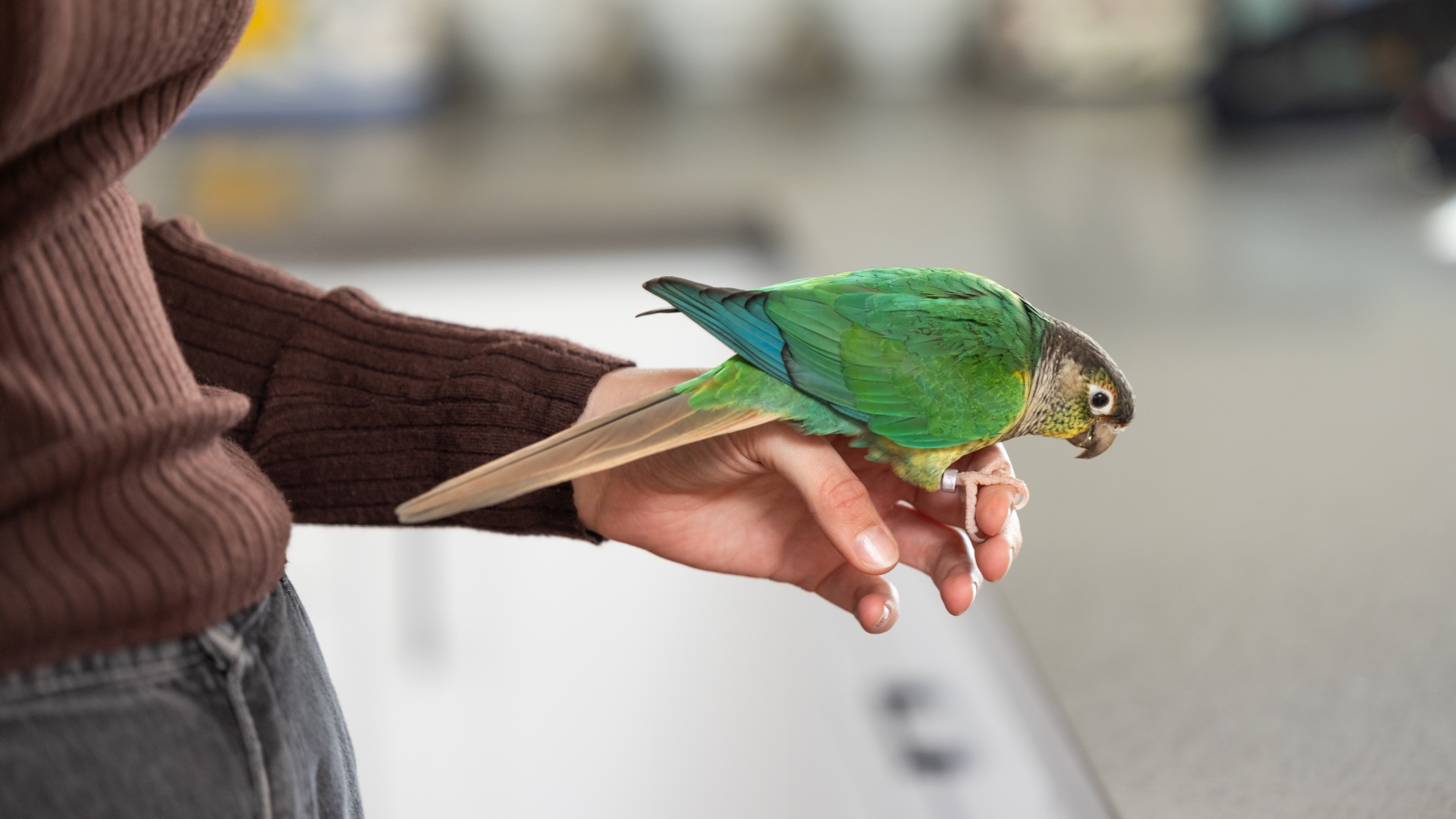
Credit: www.petsradar.com
Expert Tips For Success
Helping your bird perch for the first time is an important step. It builds trust and encourages good habits.
Use gentle techniques and watch your bird’s reactions closely. This guide offers simple tips to help you succeed.
Consistency Is Key
Practice perching at the same time every day. Birds learn best with regular routines.
Keep your commands and hand signals the same each time. This helps your bird understand what to do.
- Choose a quiet place for training
- Use the same perch or your hand consistently
- Train in short sessions, around 5 to 10 minutes
- Repeat daily to build habit and confidence
Patience And Positive Reinforcement
Be calm and patient during training. Birds respond better to kindness and gentle encouragement.
Reward your bird with treats or soft praise when it perches. This shows your bird that it is doing the right thing.
- Use favorite treats for motivation
- Speak softly and use gentle tones
- Avoid forcing your bird to perch
- Celebrate small successes with rewards
Observing Bird Behavior
Watch your bird’s body language closely. It tells you if your bird feels safe or stressed.
Look for signs like relaxed feathers and calm eyes. These mean your bird is ready to try perching.
- Notice if your bird flaps wings nervously
- Check if the bird avoids your hand or perch
- Look for gentle movements and curiosity
- Adjust training if your bird seems scared
Frequently Asked Questions
How Do I Prepare My Bird For Its First Perch?
Start by choosing a safe, stable perch. Let your bird explore it at its own pace. Use gentle encouragement and treats to build trust. Avoid forcing your bird onto the perch to reduce stress.
What Type Of Perch Is Best For Beginners?
Natural wood perches are ideal for beginners. They provide good grip and comfort. Avoid plastic or metal perches initially, as they can be slippery or uncomfortable. Ensure the perch size matches your bird’s feet.
How Long Should My Bird Stay On The First Perch?
Start with short sessions of 5 to 10 minutes. Gradually increase the time as your bird becomes comfortable. Watch for signs of stress or fatigue and allow breaks if needed.
Can I Use Treats To Encourage Perching?
Yes, treats are effective positive reinforcement. Offer small, healthy treats when your bird steps onto the perch. This encourages repeated behavior and helps build a positive association.
Conclusion
Perching your bird for the first time is an exciting experience. Start slowly, and be patient. Your bird needs time to adjust. Offer gentle encouragement and rewards for progress. Watch for signs of discomfort or stress. Safety is a priority, so ensure the perch is secure.
Consistency helps your bird feel safe and confident. Regular practice will build trust between you and your bird. Soon, perching will become a natural part of your routine. Enjoy each moment and celebrate small victories. Your bond with your bird will grow stronger with each successful step.



