Have you ever wondered which bird can crack open large hard-shelled nuts with ease? If you’re a nature enthusiast or simply curious about the incredible feats of wildlife, you’re in for a treat.
Imagine a bird with the strength and skill to tackle nature’s toughest nuts, showcasing an astonishing display of power and intelligence. This bird is a master of its craft, and its nut-cracking abilities are nothing short of mesmerizing. You’ll discover which bird holds this impressive title and how it accomplishes such a remarkable feat.
Get ready to be amazed by the wonders of nature and uncover the secrets behind this bird’s incredible talent. Keep reading to find out which bird reigns supreme in the world of hard-shelled nuts!

Credit: www.birdwatchingdaily.com
Birds That Crack Hard Nuts
Some birds eat large, hard-shelled nuts as a main part of their diet. They have special tools and habits to open these tough foods. Their ability to crack nuts helps them get the nutrients inside.
These birds live in many places and use their bodies in unique ways to break open nuts. Understanding how they do this shows how animals adapt to their environment.
Specialized Beak Adaptations
Birds that eat hard nuts have strong, shaped beaks. These beaks fit the shape of the nuts to crack them easily. Some beaks are thick and curved, while others are sharp and pointed.
- Thick, strong beaks for heavy cracking
- Hooked tips to hold nuts firmly
- Flat surfaces to press and break shells
- Short, powerful beaks for extra force
Strong Jaw Muscles
These birds have strong jaw muscles to add power to their beaks. The muscles help them bite hard nuts without injury. Strong muscles also let them work longer without getting tired.
| Bird Species | Jaw Muscle Strength | Nut Cracking Ability |
| Macaw | Very strong | Can crack large coconuts |
| Woodpecker | Strong | Breaks small nuts and seeds |
| Nutcracker | Strong | Opens tough pine nuts |
Nut Selection Preferences
Birds choose nuts based on size, shell thickness, and ease of handling. Some prefer nuts with thinner shells to save energy. Others pick very hard nuts to avoid competition with other animals.
Common nut choices include:
- Brazil nuts
- Walnuts
- Hazelnuts
- Acorns
Notable Nutcracking Birds
Some birds eat large, hard-shelled nuts. They have strong beaks to crack the shells. These birds are skilled at getting to the tasty parts inside.
They use different methods to open nuts. Their beaks and behavior help them survive in tough environments.
Hyacinth Macaw
The Hyacinth Macaw is the largest flying parrot. It has a very strong beak. This beak can break open Brazil nuts easily.
These birds live in South America. They use their beaks to crack nuts and seeds hard for other animals.
Clark’s Nutcracker
Clark’s Nutcracker is found in western North America. It eats pine nuts with hard shells. Its strong beak helps it break the nuts open.
This bird also stores nuts for winter. It hides nuts in many places to eat later when food is scarce.
Palm Cockatoo
The Palm Cockatoo lives in Australia and New Guinea. It has a large, powerful beak to crack open nuts. The nuts are tough, but the cockatoo can break them.
These birds also use their feet to hold nuts while they crack them. They are well adapted to eating hard-shelled food.
Techniques Used To Open Nuts
Some birds eat large, hard-shelled nuts. These nuts are tough to open. Birds use smart ways to crack them.
Different birds use different techniques. They can use tools, hit nuts on surfaces, or peck carefully.
Using Tools
Some birds use sticks or stones as tools. They hold a nut and hit it with a hard object.
This action breaks the shell. Tool use shows that birds can think and plan.
- Use sticks to pry open shells
- Drop nuts on rocks to crack them
- Hold nuts with feet and hit them
Bashing Against Hard Surfaces
Birds often drop nuts on hard ground or rocks. The impact cracks the shell open.
This method needs strength and accuracy. The bird must find a hard surface below.
- Pick a hard rock or pavement
- Fly up and drop the nut
- Wait for the shell to break
Precision Pecking
Some birds use their beaks to peck the nut shell. They focus on weak spots to break it.
This method takes time and skill. Birds must aim carefully to open the nut.
- Find the softer part of the shell
- Peck repeatedly with sharp beak
- Open shell to get the nut inside
Nutritional Benefits Of Hard Nuts
Hard nuts are a favorite food for many birds. These nuts have tough shells that protect the rich nutrients inside. Birds that eat these nuts gain important energy and nutrients.
Understanding the nutrition in hard nuts helps explain why birds seek them out. These nuts offer more than just food; they provide key health benefits.
Energy Rich Food Source
Hard nuts contain many calories. Birds need this energy to fly, stay warm, and find food. The fats and sugars in nuts help birds survive cold months or long flights.
- Provide high calories per nut
- Help birds maintain body heat
- Support long migrations
- Offer quick energy boosts
Essential Fats And Proteins
Hard nuts are rich in healthy fats. These fats are vital for brain and heart health in birds. Nuts also contain proteins that support muscle repair and growth.
| Nutrient | Benefit for Birds |
|---|---|
| Healthy Fats | Keep energy stores high |
| Proteins | Build and repair muscles |
| Vitamins | Support immune system |
| Minerals | Help with bone strength |
Seasonal Availability Impact
Hard nuts are not always available year-round. Birds eat more nuts in autumn and winter when insects and fruits are scarce. This seasonal change affects their diet and energy needs.
Key seasonal effects on birds eating hard nuts:
- In autumn, birds gather and store nuts.
- Winter diets rely heavily on nuts for energy.
- Spring sees fewer nuts, so birds eat other foods.
- Summer offers more fruits and insects, less nuts.
Habitat And Distribution
Birds that eat large hard-shelled nuts live in places where these nuts grow. They have strong beaks to crack the shells. These birds are found in different habitats around the world.
These habitats provide food and shelter. The birds use their powerful beaks to get the nut inside. Their homes help them survive and find enough food.
Tropical Rainforests
Tropical rainforests have many trees that produce large nuts. These forests are warm and wet all year. Birds like toucans and some parrots live here.
These birds use their strong beaks to open nuts like Brazil nuts. The dense trees give them places to hide and nest. Food is easy to find in these areas.
- Warm and humid climate
- Dense tree cover
- Many nut-producing trees
- Home to toucans and parrots
Mountainous Regions
Some birds that eat hard nuts live in mountains. These areas have cooler weather and tall trees. Birds like the Clark’s nutcracker are found here.
They eat pine nuts and other seeds with tough shells. Mountain forests offer safe places for birds to store food. Birds hide nuts to eat later during cold months.
- Cooler temperatures
- Tall pine and fir trees
- Birds store nuts for winter
- Clark’s nutcracker is common
Woodlands And Forest Edges
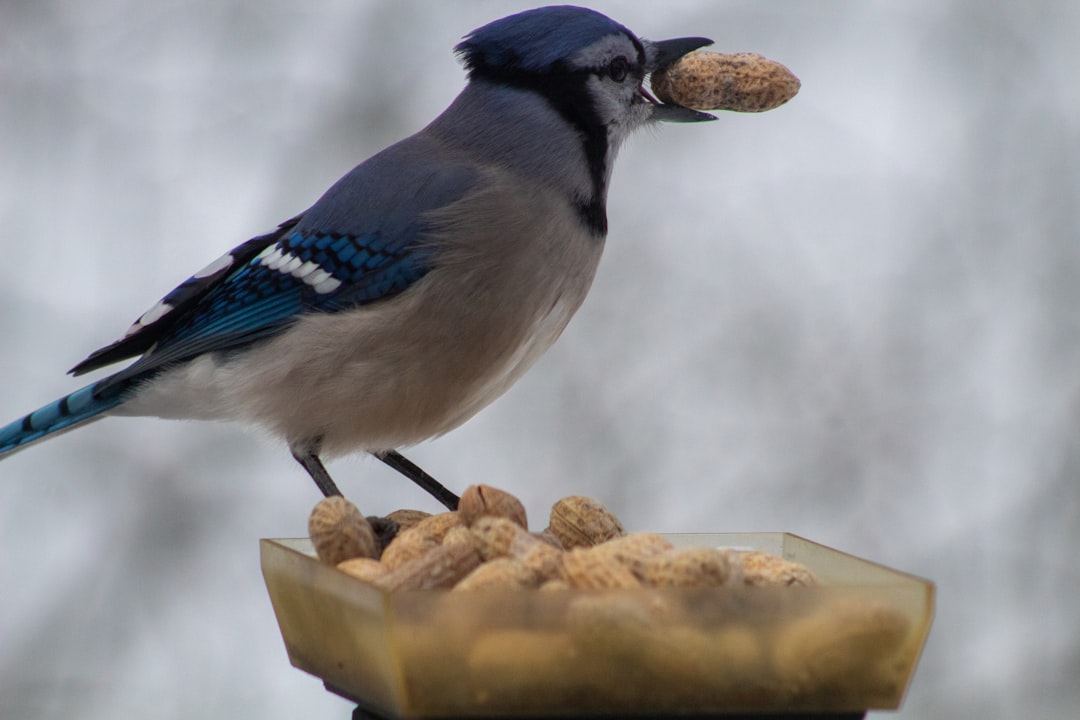
Woodlands and forest edges have mixed trees and bushes. Birds like jays live in these areas. They eat acorns and other large nuts.
These birds find food on the ground and in trees. They often hide nuts in the soil or leaves. This helps them survive when food is scarce.
- Mixed tree and shrub areas
- Many acorn-producing oak trees
- Birds hide nuts to eat later
- Blue jays are common visitors

Credit: www.birdwatchingdaily.com
Behavioral Adaptations For Nutcracking
Some birds eat large hard-shelled nuts. These nuts are tough to open. Birds use special behaviors to get the food inside.
These behaviors help birds break the shells and eat the nuts. They also help birds save nuts for later.
Caching And Storage
Birds hide nuts in safe places. This is called caching. They do this to save food for times when food is scarce.
Birds remember where they hide nuts. This helps them find the food later. Some birds can hide thousands of nuts.
- Birds choose dry spots to keep nuts fresh
- They hide nuts under leaves, bark, or soil
- Some birds hide nuts in many places to avoid thieves
Social Learning
Young birds watch adults crack nuts. They learn how to use tools or their beaks. This is called social learning.
Birds copy others to get better at nutcracking. This helps them survive and get food easier.
- Young birds observe adults breaking hard shells
- They practice cracking nuts on their own
- Learning from others speeds up skill development
Problem-solving Skills
Birds use clever ways to crack nuts. Some drop nuts on rocks to break them. Others use their beaks like tools.
These problem-solving skills show how smart some birds are. They change their methods if the first try fails.
- Using rocks or hard surfaces to crack nuts
- Changing the nut’s position to break it easier
- Trying different tools or techniques until success

Credit: www.birdwatchingdaily.com
Frequently Asked Questions
What Bird Can Crack Large Hard-shelled Nuts?
The California scrub jay and the blue jay are known for cracking large hard-shelled nuts. They use strong beaks to break tough shells. These birds often drop nuts from heights to crack them open. Their ability to eat hard nuts helps them survive in varied environments.
How Do Birds Eat Large Hard-shelled Nuts?
Birds use their powerful beaks to crack open hard shells. Some drop nuts onto rocks to break them. Others hammer the nuts with their beaks repeatedly. This behavior allows access to the nutritious seeds inside. It showcases their intelligence and adaptation skills.
Which Birds Prefer Eating Hard-shelled Nuts?
Jays, woodpeckers, and some parrots prefer hard-shelled nuts. These birds have strong beaks ideal for breaking tough shells. They rely on these nuts as a rich energy source. Their diet varies seasonally based on nut availability. This preference supports forest ecosystems by spreading seeds.
Are Hard-shelled Nuts A Common Bird Food?
Hard-shelled nuts are a valuable but less common food source. Only birds with strong beaks can access them. These nuts provide high fats and proteins essential for energy. Birds eat them especially in autumn and winter. This food choice supports bird health during scarce periods.
Conclusion
Birds that eat large hard-shelled nuts are strong and clever. They use their beaks to crack open tough shells. Some species, like macaws and jays, are experts at this. These birds help spread seeds, which grows new plants. Watching them shows how nature works in balance.
Next time you see a bird with a nut, remember its skill and role. Nature always finds ways to survive and thrive.