If you want to keep your feathered friends happy and healthy, knowing how to feed a bird worms is a smart move. Worms are a natural, nutritious treat that many birds love.
But you might wonder: how do you offer worms safely and in the right way? This guide will walk you through simple steps to make sure your birds get the best care. By the end, you’ll feel confident giving your birds a tasty, energy-packed snack they’ll thank you for.
Keep reading to discover the secrets to feeding birds worms the right way!

Credit: www.livingwithbirds.com
Benefits Of Feeding Worms
Feeding worms to birds offers many benefits. Worms are a natural food source for many bird species.
They provide important nutrients that help birds stay healthy and active. Let’s look at why worms are a good choice.
Nutritional Value Of Worms
Worms have high protein content that helps birds build strong muscles. They also contain fats that give birds energy.
- Rich in protein for growth and repair
- Good source of essential fats
- Contains vitamins like B12 and minerals such as iron
- Easy to digest for most bird species
Worms And Bird Health
Feeding worms improves bird health by supporting their immune system. Birds get stronger and can fight diseases better.
| Health Benefit | How Worms Help |
| Stronger muscles | High protein content |
| Better energy | Healthy fats |
| Improved immunity | Vitamins and minerals |
| Good digestion | Easy to digest food |
Attracting Different Bird Species
Worms attract many types of birds. Ground-feeding birds love worms, and some songbirds also enjoy them.
- Robins often eat worms from the soil
- Bluebirds find worms a tasty snack
- Thrushes and starlings also seek worms
- Providing worms can bring more birds to your yard

Credit: www.livingwithbirds.com
Choosing The Right Worms
Feeding birds with worms can be a healthy treat. Picking the right worms is important for the bird’s safety and nutrition.
This guide helps you choose the best worms for feeding wild or pet birds.
Types Of Edible Worms
Not all worms are safe or tasty for birds. Some worms are better choices because they have more nutrients and less risk.
- Earthworms: Common and nutritious for many birds.
- Mealworms: Often used as bird food, high in protein.
- Red wigglers: Good for feeding but often used for composting.
- Nightcrawlers: Large and rich in nutrients, liked by bigger birds.
Where To Find Or Buy Worms
You can find worms in your garden or buy them from stores. Fresh, healthy worms are best for feeding birds.
Check these places to get worms:
- Gardens, under moist soil or leaves
- Fishing or bait shops
- Pet stores that sell bird or reptile food
- Online suppliers that deliver fresh worms
Safety Considerations
Make sure the worms are safe to feed birds. Avoid worms from dirty or polluted areas.
Follow these tips for safety:
- Do not feed worms from pesticide-treated soil
- Rinse worms with clean water before feeding
- Never feed worms that look unhealthy or slimy
- Feed worms in small amounts to avoid overfeeding
Preparing Worms For Birds
Feeding birds with worms is natural and healthy for them. Proper preparation keeps the worms safe and tasty.
This guide covers cleaning, portion sizes, and avoiding contamination when feeding worms to birds.
Cleaning And Handling
Clean worms before feeding to remove dirt and bacteria. Handle them gently to avoid harming their quality.
- Rinse worms in cool, clean water.
- Remove any soil or debris by gently shaking.
- Use a mesh strainer to drain excess water.
- Keep worms in a cool place before feeding.
Portion Size Guidelines
Birds need the right amount of worms. Too many can upset their stomach.
| Bird Size | Worms per Feeding |
| Small Birds | 2 to 4 worms |
| Medium Birds | 5 to 8 worms |
| Large Birds | 9 to 12 worms |
Avoiding Contamination
Keep worms clean to avoid spreading germs to birds. Use safe tools and clean containers.
- Wash hands before and after handling worms.
- Use clean containers for storing worms.
- Feed worms immediately after cleaning.
- Discard any worms that look unhealthy or smell bad.
Feeding Techniques
Feeding birds worms can help them stay healthy and active. Birds enjoy fresh worms as a natural food source.
Using the right feeding techniques makes sure birds come back often. It also helps you watch them closely.
Using Bird Feeders
Bird feeders can hold worms safely for birds to eat. Choose feeders that keep worms fresh and clean.
Place feeders in quiet spots near bushes or trees. This makes birds feel safe while feeding.
- Use shallow trays or mesh feeders for worms
- Keep feeders dry to avoid worm spoilage
- Clean feeders regularly to prevent germs
- Refill feeders early in the day for best results
Hand-feeding Tips
Hand-feeding helps build trust between you and the birds. Use gentle movements to avoid scaring them.
Hold worms lightly with your fingers or tweezers. Offer worms slowly and wait for birds to come close.
- Start feeding from a seated position
- Wear neutral colors to stay unnoticed
- Offer worms one at a time
- Be patient and stay quiet
Feeding In Different Seasons
Birds need worms year-round but their feeding habits change with seasons. Adjust feeding to fit these changes.
In spring and summer, birds eat more worms to feed their young. In fall and winter, worms may be less available.
- Spring/Summer: Provide fresh worms daily
- Fall: Offer worms along with seeds and nuts
- Winter: Freeze worms to keep them fresh longer
- Keep feeding spots sheltered from bad weather
Monitoring Bird Health
Feeding birds worms can be good for their health if done right. Watching their health helps keep them happy.
Regular checks help spot problems early. Healthy birds need proper care and feeding.
Signs Of Good Nutrition
A well-fed bird has bright eyes and smooth feathers. They stay active and sing often.
Good nutrition shows in strong bones and a steady weight. The bird’s droppings should look normal.
- Clear eyes without discharge
- Clean and shiny feathers
- Active behavior and regular singing
- Normal weight and body condition
- Healthy droppings without smell or color changes
Avoiding Overfeeding
Giving too many worms can harm a bird’s health. It may cause obesity or upset stomach.
Feed small amounts at regular times. Watch how much the bird eats and stops feeding if full.
- Offer worms in small portions
- Feed only once or twice a day
- Remove leftover food to prevent spoilage
- Observe the bird’s eating habits closely
When To Consult A Vet
See a vet if the bird stops eating or loses weight. Also check if it acts weak or sick.
Vets can help if the bird has diarrhea, breathing problems, or strange droppings. Early care is best.
- Bird refuses food for more than a day
- Noticeable weight loss or weakness
- Unusual droppings or smell
- Signs of breathing difficulty
- Feathers look dull or ruffled
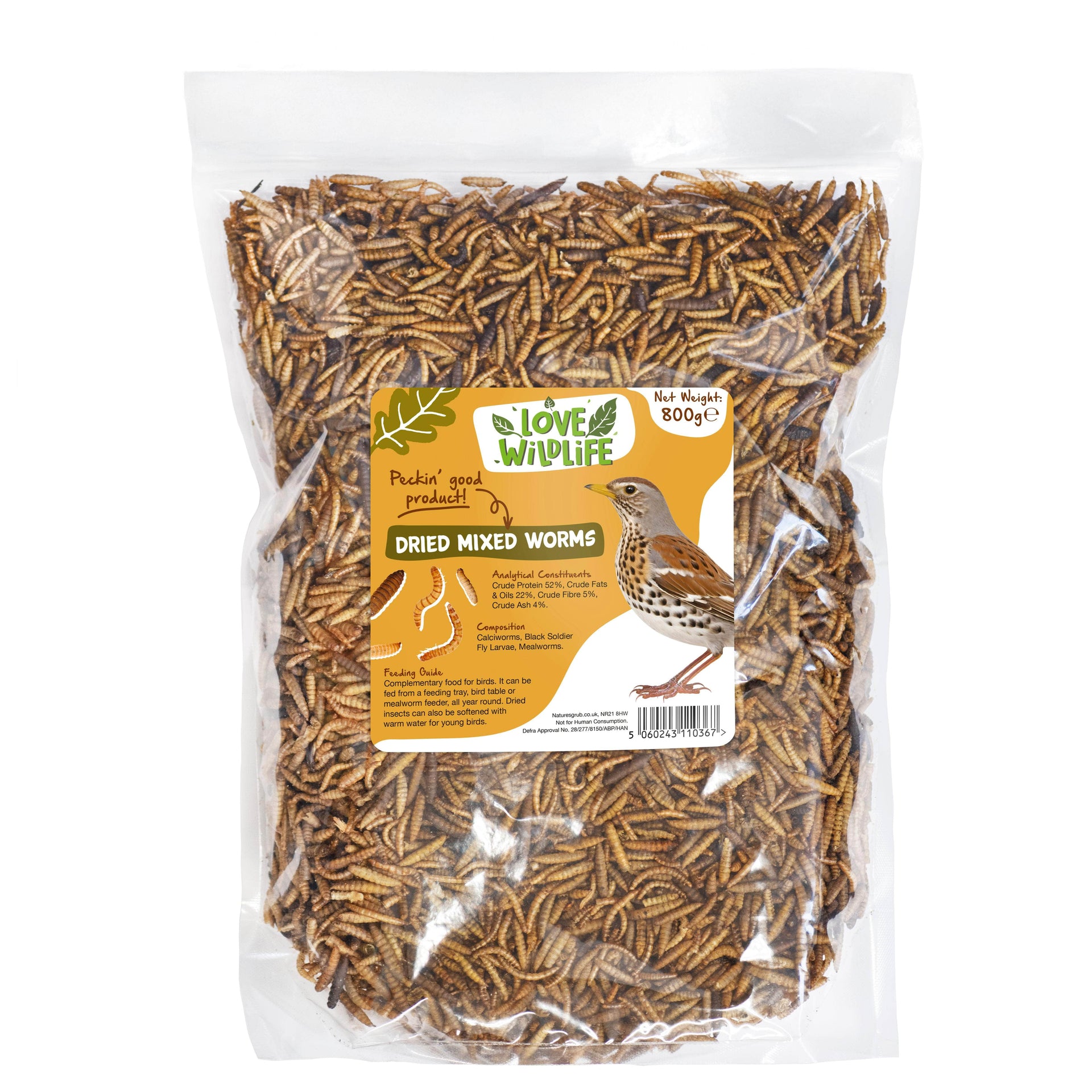
Credit: thebirdfoodwarehouse.co.uk
Common Mistakes To Avoid
Feeding birds with worms can be helpful but needs care. Many people make mistakes that harm birds instead of helping them.
Knowing what to avoid is key to keeping birds safe and healthy. Some common errors include feeding wrong worms, ignoring cleanliness, and upsetting their natural diets.
Feeding Inappropriate Worms
Not all worms are safe for birds. Some worms carry parasites or toxins. Feeding these can make birds sick or cause death.
- Avoid worms from polluted areas like roads or garbage sites.
- Do not feed worms that are too large or hard to digest.
- Stay away from worms treated with chemicals or pesticides.
- Choose earthworms or mealworms from safe, controlled sources.
Ignoring Hygiene
Cleanliness is very important when feeding birds. Dirty feeding areas can spread diseases quickly.
| Hygiene Tips | Why It Matters |
| Wash hands before and after feeding | Prevents transfer of germs |
| Clean feeding trays regularly | Reduces bacteria build-up |
| Remove uneaten worms daily | Avoids mold and pests |
| Use fresh water near feeding spots | Keeps birds hydrated safely |
Disrupting Natural Diets
Feeding too many worms can change what birds eat naturally. Birds need variety in their diet to stay healthy.
Keep these points in mind:
- Worms should only be a small part of the diet.
- Offer seeds, fruits, and insects as well.
- Observe birds to see if they show signs of poor health.
- Do not feed worms daily; limit to special treats.
Frequently Asked Questions
What Types Of Worms Are Safe For Feeding Birds?
Earthworms and mealworms are safe and nutritious for birds. Avoid worms from treated soil or contaminated areas. Always source worms from clean, pesticide-free environments to ensure bird health and safety.
How Often Should I Feed Worms To Wild Birds?
Feeding worms once or twice a week is sufficient. Overfeeding can disrupt birds’ natural foraging habits. Offer worms as a supplement to their regular diet for balanced nutrition.
Can All Bird Species Eat Worms Safely?
Most insectivorous and omnivorous birds enjoy worms. However, seed-eating birds may not benefit from them. Research your local bird species’ diet before offering worms to ensure suitability.
How Do I Prepare Worms Before Feeding Birds?
Rinse worms thoroughly to remove dirt and debris. Avoid seasoning or chemicals. Serve worms fresh or slightly moistened to make them appealing and safe for birds.
Conclusion
Feeding birds worms is simple and rewarding. Start by choosing fresh worms. Offer them safely, using tweezers or a dish. Ensure your bird feels comfortable while eating. Be patient; birds may need time to adapt. Monitor your bird’s health regularly.
Adjust the diet if needed. Remember, variety keeps birds healthy and happy. Worms provide essential nutrients. Keep feeding sessions fun and stress-free. A well-fed bird is a happy companion. Enjoy the bonding moments. With proper care, your feathered friend will thrive.
Birds bring joy, and feeding them well is key. Happy bird-feeding!