
Have you ever wondered if your Bird Nest Fern is a flowering plant? You might be surprised by the answer.
This popular houseplant is loved for its lush green leaves, but does it produce flowers like other plants? Understanding whether your fern flowers can change how you care for it and appreciate its unique beauty. Keep reading to discover the truth about Bird Nest Ferns and what makes them special in your home garden.

Credit: gardenofedenflowershop.com
Bird Nest Fern Basics
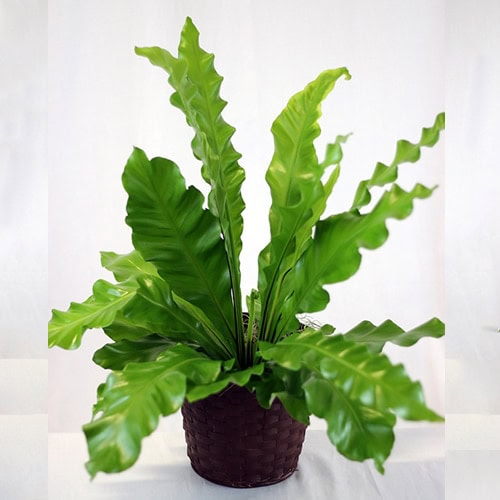
Bird Nest Fern is a popular green plant that many people grow indoors and outdoors. It is known for its long, wavy leaves that grow from a central rosette. Many wonder if this plant is a flowering plant or not.
This plant is actually a fern. Ferns do not produce flowers like typical flowering plants. Instead, they reproduce using spores found under their leaves.
Physical Characteristics
The Bird Nest Fern has unique features that set it apart from flowering plants. Its leaves are bright green, long, and simple in shape. The leaves grow in a circular pattern that looks like a bird’s nest.
- Leaves are shiny and smooth
- Leaves can grow up to 3 feet long
- The plant does not have flowers or seeds
- It spreads by releasing spores under its leaves
- It has a thick, short stem hidden by the leaf base
Natural Habitat
Bird Nest Ferns grow naturally in tropical forests. They like shady areas with high humidity. They often grow on tree trunks or rocks, not in the soil.
| Habitat Feature | Description |
|---|---|
| Location | Tropical rainforests in Asia and the Pacific |
| Light | Low to medium indirect sunlight |
| Humidity | High moisture levels |
| Growth Type | Epiphyte (grows on other plants or surfaces) |
Flowering Plants Explained
Flowering plants are plants that produce flowers. Flowers help plants make seeds for new plants.
These plants are also called angiosperms. They are the most common type of plants on Earth.
Key Features
Flowering plants have flowers with petals and reproductive parts. They often have leaves and stems.
They produce seeds inside fruits. The seeds grow into new plants when they find good soil.
- Flowers with petals
- Seeds enclosed in fruits
- Leaves for photosynthesis
- Vascular tissues to carry water
Reproductive Methods
Flowering plants reproduce using flowers. Flowers make pollen and eggs for fertilization.
Pollination occurs when pollen moves from one flower to another. This helps make seeds.
- Pollen produced in male parts
- Eggs inside female parts
- Pollination by wind or animals
- Seed formation inside fruits
Bird Nest Fern Reproduction
Bird Nest Fern is not a flowering plant. It reproduces using spores instead of seeds.
Understanding how this fern reproduces helps us learn about its life cycle and growth.
Spore Production
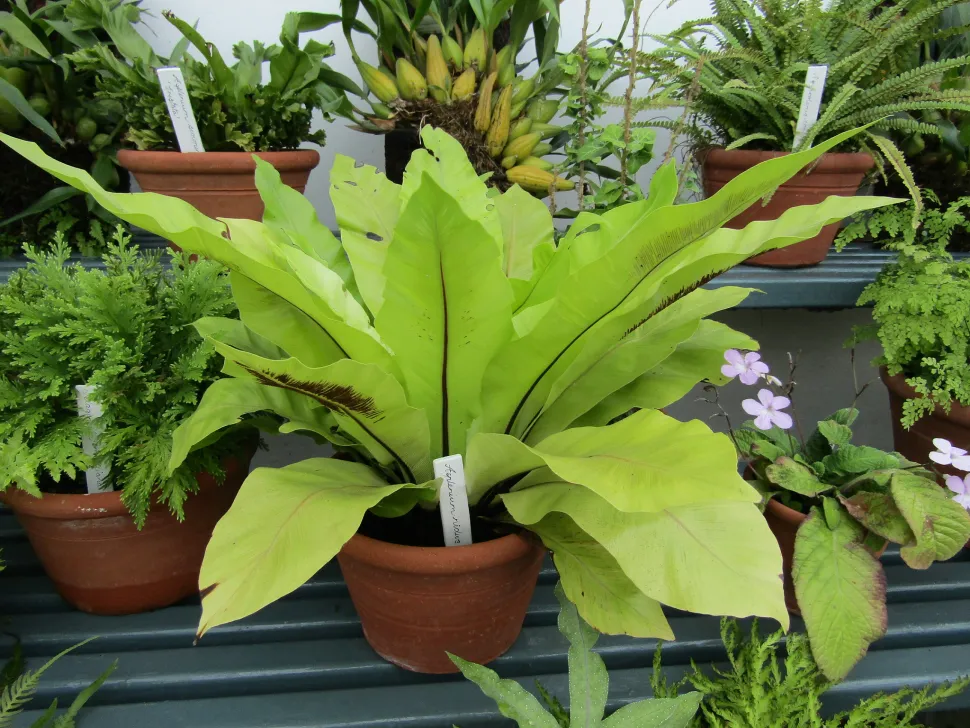
Bird Nest Fern produces spores on the undersides of its leaves. These spores are tiny and light.
When the spores mature, they fall to the ground and can grow into new plants if conditions are good.
- Spores form in small clusters called sori
- Spores spread by wind or water
- They do not need flowers or seeds to reproduce
Life Cycle
The life cycle of Bird Nest Fern has two main stages: the spore stage and the mature plant stage.
Spores grow into a small, heart-shaped plant called a gametophyte. This plant produces sex cells.
- Gametophyte produces sperm and eggs
- Sperm fertilizes the egg to form a new fern
- The new fern grows into the mature Bird Nest Fern
Credit: www.monstera-app.com
Comparing Ferns And Flowering Plants
Bird Nest Fern is a popular houseplant often seen in homes and offices. Many people wonder if it is a flowering plant.
Ferns and flowering plants look very different. We will explore their main differences in structure and reproduction.
Structural Differences
Ferns like Bird Nest Fern have leaves called fronds. They do not produce flowers or seeds. Flowering plants have flowers and seeds inside fruits.
- Ferns have roots, stems, and fronds
- Flowering plants have roots, stems, leaves, flowers, and fruits
- Ferns reproduce without flowers or seeds
- Flowering plants reproduce using flowers and seeds
Reproductive Contrasts
Ferns reproduce using spores. These spores grow into new plants without flowers or seeds. Flowering plants use flowers to make seeds and fruits.
| Feature | Ferns | Flowering Plants |
| Reproductive Unit | Spores | Seeds |
| Reproductive Organ | Sori (on fronds) | Flowers |
| Seed Production | No | Yes |
| Fruit Formation | No | Yes |
Common Misconceptions
Many people think Bird Nest Fern is a flowering plant. This is a common mistake. Understanding what makes a plant flowering helps clear up this confusion.
Bird Nest Fern looks unique, which can lead to wrong ideas about its nature. Let’s explore some of these misconceptions.
Appearance Confusions
Bird Nest Fern has long, green leaves that grow in a round shape. Some people think its shape and bright green color mean it must flower.
Unlike flowering plants, Bird Nest Fern does not produce flowers or seeds. It reproduces using spores found under its leaves.
- Long, leafy fronds can look like petals to some
- No flowers or petals appear on the plant
- Reproduces with spores, not seeds
Naming Myths
The name “Bird Nest Fern” can confuse people into thinking it is related to birds or flowers. The name comes from how the leaves grow in a nest shape.
The word “fern” means it belongs to a group of plants that never produce flowers. This helps explain why it is not a flowering plant.
- “Bird Nest” describes leaf shape, not flowers
- “Fern” means it reproduces with spores
- Names do not always show if a plant flowers
Caring For Bird Nest Ferns
Bird Nest Ferns are popular houseplants known for their bright green leaves. They are easy to care for with the right conditions. Understanding their needs helps them grow strong and healthy.
This guide covers the light and water needs and ideal growing conditions for Bird Nest Ferns. Follow these tips to keep your fern thriving.
Light And Water Needs
Bird Nest Ferns prefer indirect light. Direct sunlight can burn their leaves. They need consistent moisture but do not like to sit in water.
- Place the fern in bright, filtered light.
- Keep the soil moist but not soggy.
- Water the plant when the top inch of soil feels dry.
- Avoid letting water collect in the crown of the plant.
- Use room-temperature water for best results.
Ideal Growing Conditions
| Condition | Ideal Range |
| Temperature | 60-75°F (15-24°C) |
| Humidity | 60-80% |
| Soil Type | Well-draining, rich in organic matter |
| Pot Type | One with drainage holes |
Bird Nest Ferns like warm, humid places. Use a humidifier or mist the leaves to increase humidity. Choose a pot with good drainage to prevent root rot.

Credit: www.monrovia.com
Frequently Asked Questions
Is Bird Nest Fern Classified As A Flowering Plant?
No, Bird Nest Fern is not a flowering plant. It reproduces via spores, not flowers or seeds. It belongs to the fern family, which are non-flowering vascular plants.
How Does Bird Nest Fern Reproduce Without Flowers?
Bird Nest Fern reproduces through spores found on the underside of its fronds. These spores develop into new plants, bypassing the need for flowers or seeds.
What Distinguishes Bird Nest Fern From Flowering Plants?
Unlike flowering plants, Bird Nest Fern lacks flowers and seeds. It has fronds and reproduces via spores, which is typical of ferns, not angiosperms.
Can Bird Nest Fern Produce Seeds Or Fruits?
No, Bird Nest Fern cannot produce seeds or fruits. It spreads through spores, which develop on the fronds, making it distinct from seed-producing plants.
Conclusion
Bird Nest Fern is not a flowering plant. It belongs to the fern family. Its beauty lies in its lush green fronds. Perfect for adding a tropical feel. It thrives in low light and humid conditions. This makes it ideal for indoor spaces.
A great choice for plant lovers. Easy to care for and maintain. It adds a touch of nature to any home. Understanding its nature helps in proper care. Enjoy its unique charm and elegance. A wonderful addition to your plant collection.



