

What are 3 Adaptations of a Bird? Beaks, Feathers, and Lungs Explained
Have you ever wondered how birds can fly so effortlessly, survive in different environments, and find food with ease? The secret lies in their amazing adaptations.
These special features help birds thrive and do things that might seem impossible to us. You will discover three incredible adaptations of birds that make them unique. Understanding these will change the way you see birds forever—and you won’t want to miss a single detail.
When considering what are 3 adaptations of a bird, it’s essential to recognize how these traits enhance their survival.
Ready to unlock the mystery behind their amazing abilities? Let’s dive in!
Understanding what are 3 adaptations of a bird can change your perspective on these incredible creatures.
Credit: animal-pedia.org
Beak Shapes And Functions
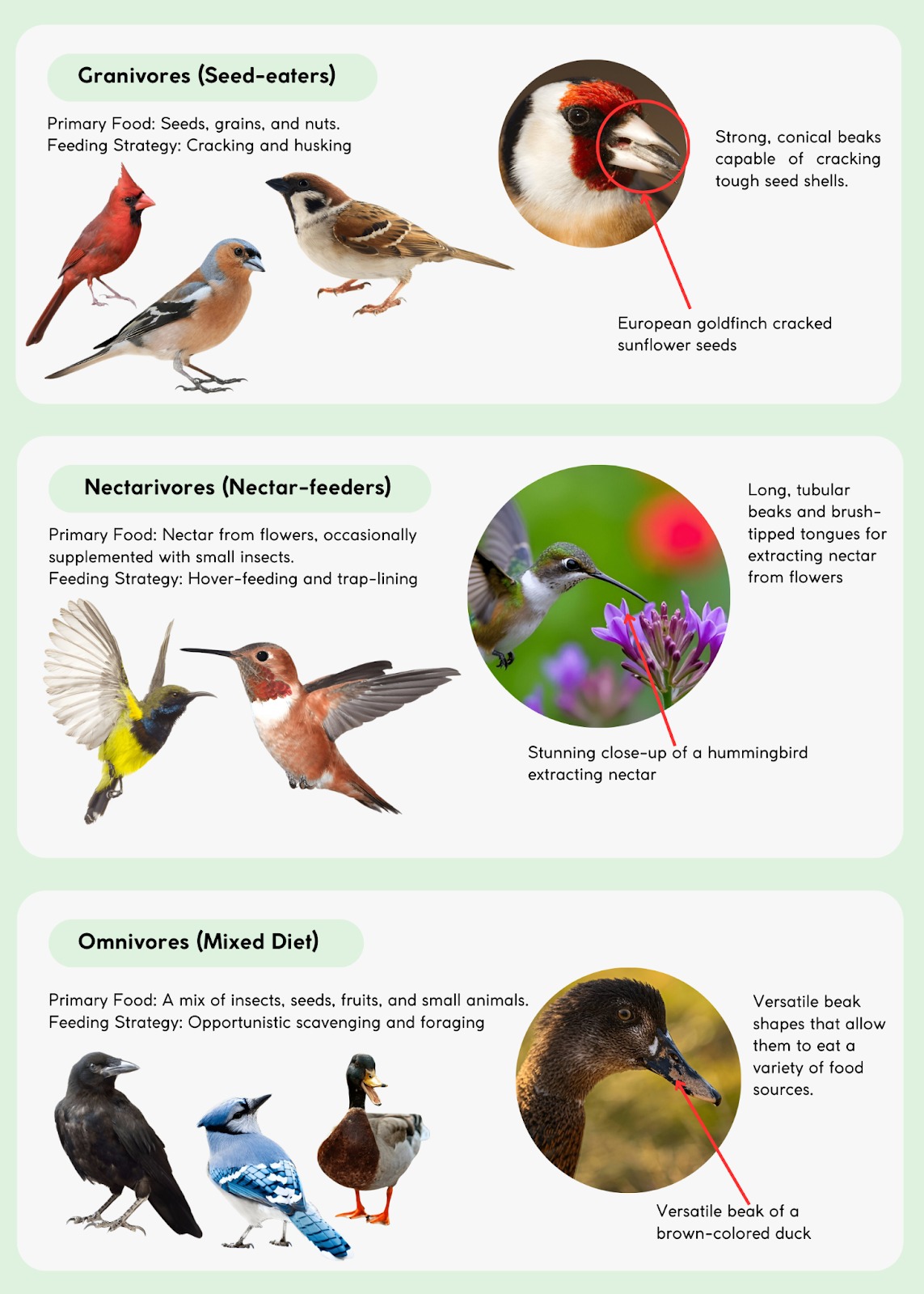
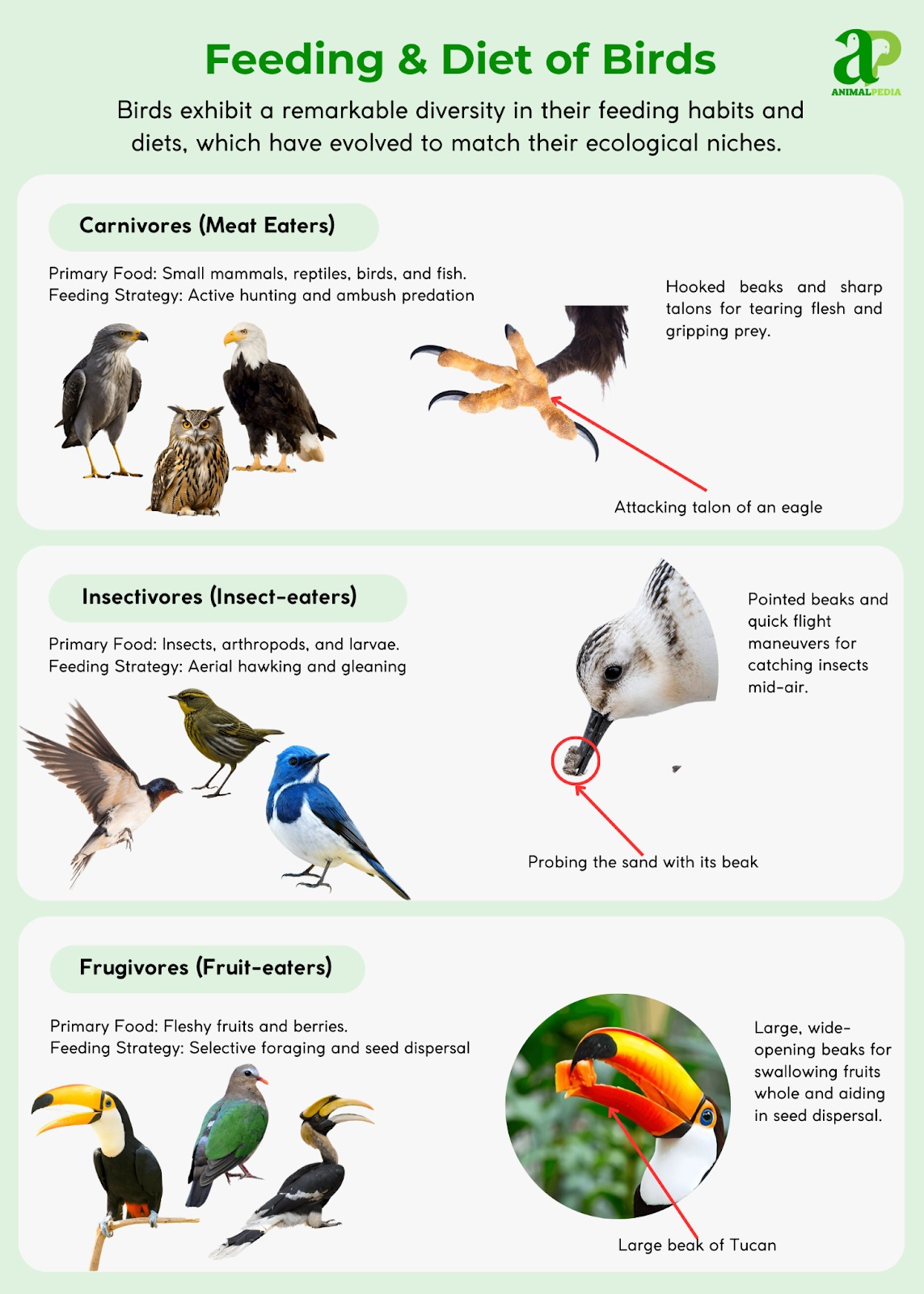
Birds have different beak shapes. These shapes help them survive in their habitats.
Each beak type suits a bird’s way of eating and living. Understanding beak shapes shows how birds adapt.
Variety Of Beak Types
Birds have many beak shapes. Some are sharp, some are long, some are thick. Each shape fits a special job.
- Hooked beaks for tearing meat
Overall, what are 3 adaptations of a bird that contribute to their unique feeding habits?
- Long, thin beaks for reaching nectar
- Strong, thick beaks for cracking seeds
These beak types illustrate what are 3 adaptations of a bird that help them thrive in their environments.
- Flat, broad beaks for filtering water
Adaptation To Diet
What are 3 adaptations of a bird that allow them to effectively gather food from various sources?
Bird beaks change to match what they eat. This helps them get food easily and stay alive.
| Beak Shape | Diet Type | Function |
| Sharp, hooked | Meat | Tears flesh |
| Long, thin | Nectar | Reaches inside flowers |
| Strong, thick | Seeds | Cracks hard shells |
| Flat, broad | Small water animals | Filters food from water |
Examples In Different Birds
Let’s explore what are 3 adaptations of a bird that are essential for their survival.
Different birds show how beak shapes help them. Look at these examples.
- Eagle:Sharp, hooked beak to tear meat.
- Hummingbird:Long, thin beak to drink nectar.
- Finch:Strong, thick beak to crack seeds.
- Dabbling Duck:Flat, broad beak to filter food from water.
Feathers And Flight
Feathers are among what are 3 adaptations of a bird that aid in flight and insulation.
Birds have special features that help them fly. Feathers play a big role in this. They also help birds stay warm and hide from danger.
In this section, we will look at the structure of feathers and how they help birds fly, keep warm, and blend into their surroundings.
These adaptations highlight what are 3 adaptations of a bird, crucial for their ability to thrive in diverse environments.
Structure Of Feathers
Feathers have a central shaft called the rachis. Small barbs come out from the shaft. These barbs have tiny hooks that hold them together.
There are different types of feathers. Flight feathers are strong and long. Down feathers are soft and keep birds warm.
- Rachis: central stiff shaft
- Barbs: branches from rachis
- Barbules: tiny hooks on barbs
- Flight feathers: help in flying
- Down feathers: provide insulation
Role In Flight
Understanding what are 3 adaptations of a bird can provide insight into their flight mechanics.
Feathers help birds fly by providing lift and balance. The shape of the wings is made by flight feathers. This shape helps birds move through the air.
Feathers can change position during flight. This helps birds steer and stop. Strong feathers make flying easier and safer.
- Flight feathers form wing shape
- Feathers adjust for steering
- Provide lift and balance
- Help birds stop and glide
Thermoregulation And Camouflage
Feathers keep birds warm by trapping air close to the body. Down feathers are very good at this because they are fluffy and soft.
Feathers also help birds hide. Their colors and patterns blend with the environment. This keeps birds safe from predators.
- Down feathers trap heat
- Feather colors blend with surroundings
- Patterns help birds hide
- Feathers protect skin from weather
Respiratory System
What are 3 adaptations of a bird that support their unique respiratory system?
Birds have a special respiratory system. It helps them breathe well during flight. This system is different from mammals.
Their lungs and air sacs work together. This design supports their active lifestyle and high oxygen needs.
Unique Air Sac System
Birds have nine air sacs in their bodies. These sacs are connected to their lungs. Air moves through them in one direction.
This system keeps fresh air flowing through the lungs. It helps birds get more oxygen than mammals do.
Efficient Oxygen Exchange
Bird lungs have tiny tubes called parabronchi. Air passes through these tubes in a steady flow. This keeps oxygen levels high.
The blood flows in the opposite direction to the air. This way, birds extract the most oxygen from each breath.
Support For High Energy Demands
Flying needs a lot of energy. Birds need a constant oxygen supply to keep muscles working. Their respiratory system meets this need well.
The air sac system and lung structure help birds stay strong during long flights and fast movements.

These physiological traits are part of what are 3 adaptations of a bird that facilitate their active lifestyle.
Credit: www.wildlifenomads.com
Credit: animal-pedia.org
Frequently Asked Questions
What Are Common Physical Adaptations In Birds?
Birds have feathers for flight and insulation. Their beaks vary to suit diets. Lightweight, hollow bones aid flying efficiently.
How Do Birds’ Wings Help Them Adapt?
Wings enable birds to fly, escape predators, and find food. Wing shape varies for different flying styles and habitats.
Why Are Bird Beaks Important Adaptations?
Beaks are specialized for feeding, grooming, and building nests. Their shape and size reflect dietary needs and environment.
How Do Birds’ Feet Show Adaptation?
Birds’ feet adapt for perching, swimming, or hunting. Toe arrangement and claw shape vary by species’ lifestyle.
Conclusion
Birds have fascinating adaptations that help them thrive. Their beaks are specialized for feeding. Wings enable efficient flight and migration. Feathers provide insulation and camouflage. These adaptations ensure survival in diverse environments. Birds inspire awe with their unique abilities. Their adaptations are a testament to nature’s creativity.
Ultimately, what are 3 adaptations of a bird that showcase the wonders of evolution?
Observing these traits can deepen our appreciation for wildlife. Learning about birds enriches our understanding of the natural world. It’s a reminder of the interconnectedness of all life. Birds, with their diverse adaptations, offer valuable lessons in evolution. They continue to captivate and inspire people worldwide.
By understanding what are 3 adaptations of a bird, we can appreciate their role in the ecosystem.



