
Are you tired of watching birds peck away at your apple fruits just when they’re about to ripen? It’s frustrating to see all your hard work go to waste while the birds enjoy your harvest.
But don’t worry—there are simple, effective ways you can protect your apples and keep those pesky birds at bay. You’ll discover easy-to-follow tips that will help you save your fruit and enjoy a bountiful harvest. Keep reading, and you’ll learn how to make your apple trees less inviting to birds without harming them.
Your apples deserve the best chance to grow, and you’re just a few steps away from making that happen!
Common Birds That Target Apple Fruits
Apple fruits attract many birds because of their sweet taste. Birds peck at apples and cause damage to the fruit. Knowing which birds target apples helps protect your harvest.
Some birds eat whole fruits, while others peck holes or pull fruit from the tree. Learning about these birds can guide you to better deter them.
American Robin
The American Robin is a common bird that eats apples. It is medium-sized with a red chest. Robins eat fruit and insects, making apples a tasty treat.
European Starling
European Starlings are noisy birds that often damage apple crops. They peck at the fruit in groups, causing many apples to fall early. Starlings have shiny black feathers with spots.
Cedar Waxwing
Cedar Waxwings are small birds with sleek feathers and a yellow tip on their tails. They like to eat soft, ripe fruits like apples. Waxwings often feed in flocks, increasing the damage.
| Bird Name | Description | Damage Type |
| American Robin | Medium-sized, red chest | Eats whole fruit, pecks |
| European Starling | Black with spots, noisy | Pecks fruit in groups |
| Cedar Waxwing | Small, sleek, yellow tail tip | Feeds on soft, ripe apples |
| House Finch | Small, red forehead | Pecks at fruit surface |
| Blue Jay | Blue feathers, loud calls | Pulls fruit from tree |
House Finch
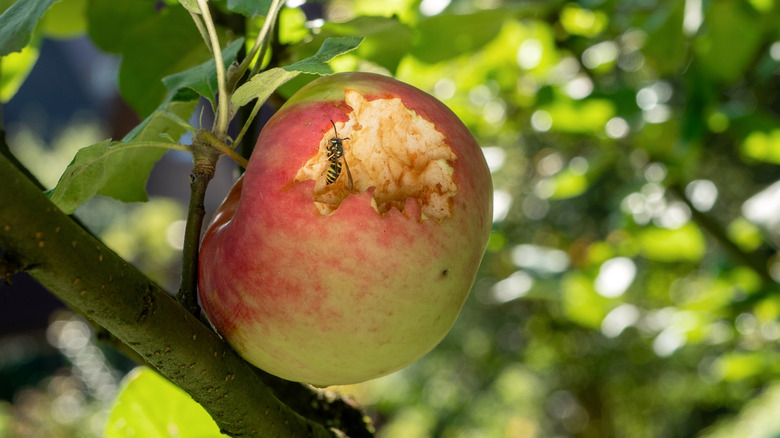
House Finches are small birds with a red forehead. They peck at apple skins and cause small holes. These holes can let in insects and rot.
Blue Jay
Blue Jays are large, noisy birds with bright blue feathers. They pull apples off the tree and eat the fruit. Their strong beaks cause bruising on apples.
- American Robin: Eats whole fruit and pecks.
- European Starling: Pecks fruit in large groups.
- Cedar Waxwing: Feeds on soft, ripe apples.
- House Finch: Pecks at apple skin causing holes.
- Blue Jay: Pulls fruit and causes bruising.
Credit: www.outdoorguide.com
Why Birds Are Attracted To Apples
Birds love apples because they offer a good food source. Apples are sweet and juicy, which birds find tasty. Many birds eat fruit to get energy and nutrients.
Understanding why birds are drawn to apples helps in finding ways to protect the fruit. This knowledge can guide gardeners and farmers to reduce bird damage.
Sweet Taste And High Sugar Content
Apples have natural sugars that attract birds. The sweet taste gives birds energy quickly. This makes apples a favorite food during the growing season.
Bright Color And Visibility
Birds see colors very well. The red, yellow, or green colors of apples stand out in the trees. Bright colors help birds find ripe fruit easily.
- Red apples attract birds like robins and waxwings.
- Yellow apples catch the attention of orioles and finches.
- Green apples can still be noticed by crows and starlings.
Fruit Aroma And Smell
Ripe apples give off a sweet smell that birds detect. The aroma signals the fruit is ready to eat. Birds use their sense of smell to find food, especially in dense orchards.
Easy Access And Soft Texture
| Reason | How It Attracts Birds |
| Easy Access | Apples grow low on branches or fall, making them easy to reach. |
| Soft Texture | Ripe apples are soft and easy to peck, so birds can eat quickly. |
Birds prefer fruits they can eat without much effort. Soft apples let birds peck and swallow pieces easily. This helps them feed fast and avoid predators.
Natural Barriers To Protect Apple Trees
Birds often eat apples, causing damage to fruit and trees. Using natural barriers helps keep birds away without harming them.
These barriers create physical blocks that stop birds from reaching the apples. They are safe and easy to use in home gardens.
Using Netting And Mesh Covers
Netting and mesh covers form a protective shield around apple trees. They keep birds from landing on branches or eating the fruit.
- Choose fine mesh netting to prevent birds from slipping through.
- Cover the entire tree, including the top and sides.
- Secure edges tightly to prevent gaps where birds can enter.
- Check the net regularly for holes or damage.
- Remove netting carefully when harvesting apples.
Creating Physical Deterrents
Physical deterrents scare birds away by using visual or sound devices. These tools protect apples without chemicals or traps.
| Deterrent Type | How It Works | Notes |
| Reflective Tape | Flashes light to scare birds | Place around branches and trunks |
| Scare Eye Balloons | Mimics predator eyes | Move with wind for effect |
| Wind Chimes | Produces noise to disturb birds | Hang near fruit clusters |
| Fake Owls or Hawks | Looks like a bird of prey | Move position often to keep birds guessing |

Credit: www.yahoo.com
Homemade Bird Repellents
Birds can damage apple fruits by eating them before harvest. Making homemade repellents helps protect your crop safely. These repellents use natural ingredients to keep birds away without harm.
This guide shows how to use natural scents and safe taste repellents. Both methods are easy to prepare at home and work well in your garden or orchard.
Using Natural Scents And Sprays
Birds dislike certain smells that come from natural oils and herbs. Spraying these scents around apple trees can keep birds from landing on fruits.
- Mix water with a few drops of peppermint or eucalyptus oil.
- Spray the mixture on branches and leaves regularly.
- Use crushed garlic mixed with water as a spray to repel birds.
- Place cotton balls soaked in vinegar near the fruit trees.
- Replace or refresh sprays every few days to keep the scent strong.
Applying Safe Taste Repellents
Birds avoid eating fruits with bitter or unpleasant tastes. Safe taste repellents coat apples to make them less attractive without harming the fruit.
| Repellent | How to Apply | Frequency |
| Chili Pepper Spray | Blend chili with water, spray on apples | Every 7 days |
| Bitter Apple Spray | Buy or make bitter apple solution, spray fruit | After rain or weekly |
| Soap Water Mix | Mix mild soap with water, spray tree canopy | Twice a week |
Visual And Auditory Deterrents
Birds can damage apple fruits by eating them. Using visual and sound deterrents helps keep birds away. These methods do not harm birds but scare them off.
Deterrents work best when combined. Changing their position or type often keeps birds confused and away from your fruit.
Reflective Objects And Scare Tactics
Reflective objects shine bright light that confuses birds. They see sudden flashes and avoid the area. Common objects include old CDs, aluminum foil strips, and reflective tape.
Scare tactics include fake predators and moving items. These tricks make birds feel unsafe near your apples. Scarecrows or fake owls can help.
- Hang old CDs or reflective tape from branches
- Use aluminum foil strips that flutter in the wind
- Place fake owls or hawks near your apple trees
- Move scarecrows regularly to keep birds uncertain
Sound Devices And Noise Makers
Sound devices create noises that birds dislike. Loud or sudden sounds scare birds away from apple trees. These noises mimic predator calls or alarms.
Noise makers can be machines or simple tools. Some use recorded bird distress calls. Others make random sounds to keep birds alert and away.
- Use bird distress call recordings to scare birds
- Set up noise-making machines near apple trees
- Clap hands or use whistles when birds appear
- Hang wind chimes that create unexpected sounds
Companion Planting To Divert Birds
Birds often eat apple fruits, causing damage to your harvest. Companion planting helps protect apples by attracting birds away.
Planting certain plants near apple trees can lure birds to those plants instead of the apples. This natural method reduces fruit loss.
Plant Sunflowers To Attract Birds
Sunflowers draw birds with their seeds and bright flowers. Birds prefer sunflowers over apples, which helps protect your fruit.
Plant sunflowers near apple trees to keep birds busy with the seeds. This lowers the chance of birds eating your apples.
Use Corn To Divert Bird Attention
Corn plants attract birds that eat kernels. Birds feed on corn instead of apple fruit when both grow close together.
Growing corn near apple trees helps protect apples by giving birds an alternative food source they like more.
Grow Berries To Satisfy Birds’ Hunger
Berry plants such as raspberries and blackberries attract fruit-eating birds. Birds eat these berries and leave apples alone.
Plant berries near apple trees to provide a tasty option. This keeps birds away from your apple fruits.
Add Herbs To Repel Birds
Herbs like lavender and mint smell strong and can repel some birds. Plant these herbs near your apple trees to reduce visits.
Strong scents confuse birds and make the area less attractive. This helps protect your apple fruits from being eaten.
Timing And Harvesting Strategies
Birds often eat apple fruits before they ripen. This can reduce your harvest. Using good timing and harvesting methods helps protect your apples.
Picking apples at the right time and managing harvest can lower bird damage. These strategies keep your fruits safe and tasty.
Harvest Apples Early
Harvest apples as soon as they ripen. Early picking stops birds from eating too many fruits. Watch the color and feel of apples to know when to pick.
Check apples daily in the harvest season. Picking early reduces the chance that birds find and eat the fruit.
Pick Regularly And Often
Pick apples frequently to lower bird visits. If fruit stays on trees too long, birds get used to eating there. Frequent harvest keeps fruits off the tree.
- Inspect trees every few days
- Remove ripe apples quickly
- Keep trees clean of fallen fruit
Use Thinning Techniques
Thin apple clusters early in the season. This helps apples grow larger and ripen evenly. Birds prefer dense fruit clusters, so thinning makes apples less attractive.
Thinning also improves air flow and light, which helps apples mature faster and reduces bird damage.
Cover Apples Before Harvest
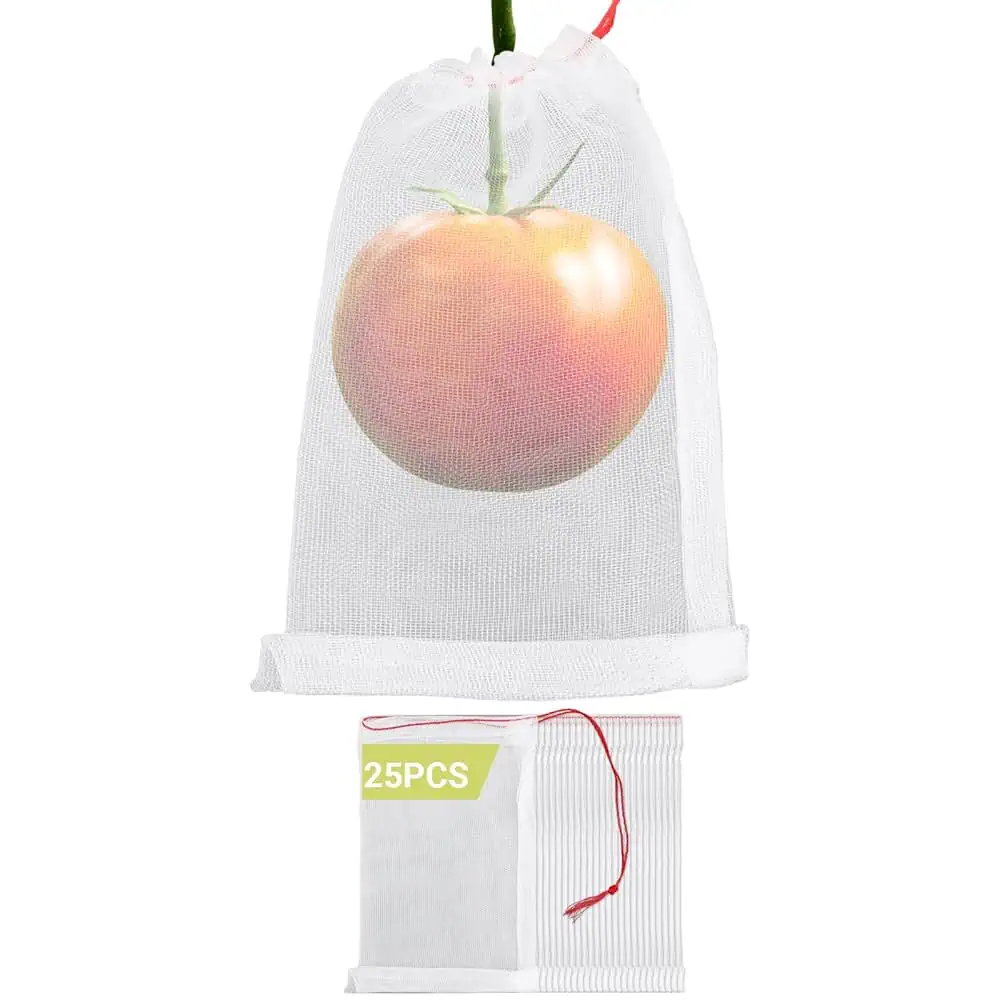
Use nets or cloth to cover apples as they ripen. Covering blocks birds from reaching fruit. Remove covers only during harvest times.
- Use bird netting with small holes
- Secure edges to prevent bird entry
- Check covers for damage regularly
Maintaining Tree Health To Reduce Damage
Healthy apple trees are less likely to suffer heavy damage from birds. Strong trees can grow more fruit and heal faster from bites.
Keeping your tree healthy helps protect apples naturally. Good care reduces bird interest in your fruit.
Proper Watering
Water your apple tree regularly to keep it strong. Trees with enough water grow better fruit and resist stress.
Avoid overwatering, which can harm roots. Water deeply once or twice a week, depending on weather.
- Water early in the morning or late in the evening
- Use drip irrigation or soaker hoses
- Check soil moisture before watering
Fertilizing For Strong Growth
Fertilize apple trees to supply important nutrients. Healthy trees grow thicker leaves and stronger branches.
Apply fertilizer in early spring and late summer. Use balanced formulas with nitrogen, phosphorus, and potassium.
- Use organic or slow-release fertilizer
- Follow package instructions for amounts
- Water after fertilizing to avoid root burn
Pruning To Improve Airflow
Prune your apple tree each year to remove dead or crowded branches. Good airflow reduces disease and stress on fruit.
Cut branches that block sunlight. This helps apples ripen evenly and stay healthier.
- Prune in late winter or early spring
- Use clean, sharp tools
- Remove crossing or weak branches
Controlling Pests And Diseases
Keep your tree free from pests and diseases. Healthy trees attract fewer birds looking for easy food.
Inspect trees regularly. Use natural or approved treatments to control insects and fungi.
- Remove fallen leaves and fruit
- Use insecticidal soap or neem oil
- Apply fungicide if needed

Credit: www.amazon.com
Frequently Asked Questions
How Can I Protect Apple Fruits From Birds Naturally?
Use bird netting or scare devices like reflective tape and decoy predators. These methods deter birds without chemicals.
What Homemade Remedies Work To Keep Birds Off Apples?
Spraying apple trees with a mixture of water and chili powder or garlic can repel birds effectively.
Are There Specific Bird Deterrents Safe For Apple Orchards?
Yes, sound deterrents and visual scare devices are safe and effective for apple orchards.
When Is The Best Time To Deter Birds From Apple Fruits?
Start deterring birds early in the fruit development stage to prevent damage and loss.
Conclusion
Protecting your apple trees from birds can be simple and effective. Use netting. It creates a barrier birds can’t cross. Try reflective objects. They scare birds away. Consider wind chimes or noise makers. They add sound deterrents. Mix these strategies for best results.
Every garden is unique. Some methods work better than others. Test different techniques. Find what suits your garden best. Keep your apples safe and enjoy a fruitful harvest. Your efforts will pay off. Happy gardening and enjoy your apples!



