Are you looking to attract more colorful and cheerful visitors to your bird feeder? Choosing the right fruit can make all the difference in turning your backyard into a lively bird haven.
But with so many options out there, which fruits will truly delight your feathered friends? In this post, you’ll discover simple, effective choices that will keep birds coming back day after day. Get ready to transform your outdoor space with nature’s sweetest treats!

Credit: www.msn.com
Best Fruits For Bird Feeders
Feeding birds with fruits is a great way to attract them to your yard. Birds enjoy many types of fruits that provide energy and nutrients.
Choosing the right fruits helps support local bird populations. Some fruits are better suited for bird feeders than others.
Berries That Birds Love
Berries are a favorite food for many bird species. They are easy for birds to eat and full of vitamins.
- Blueberries attract robins and bluebirds
- Blackberries are loved by thrushes and waxwings
- Raspberries provide good energy for small birds
- Mulberries feed many songbirds in the summer
Citrus Fruits For Attracting Birds
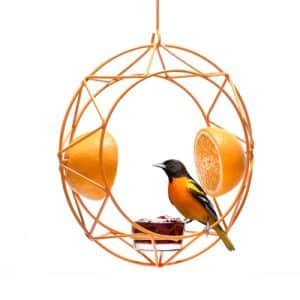
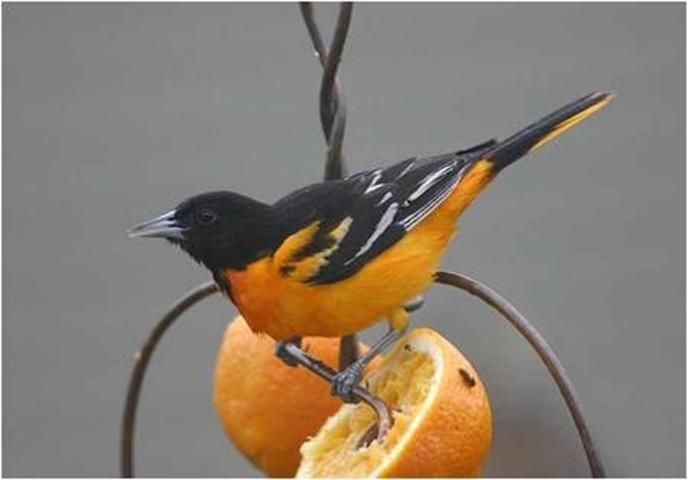
Citrus fruits like oranges and lemons attract birds with their bright color and scent. Birds enjoy the juicy flesh and peel.
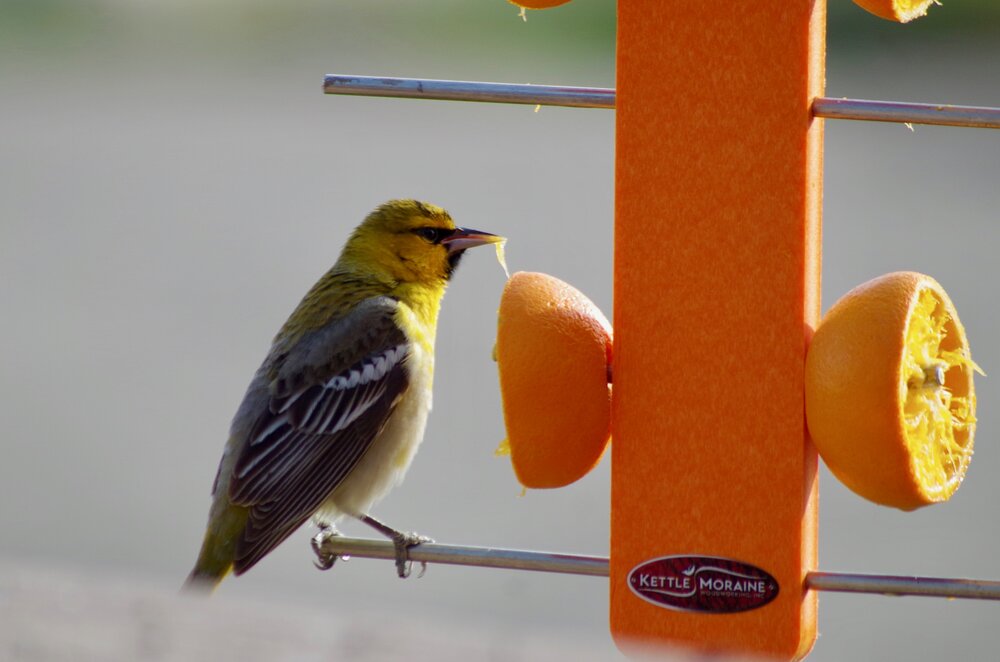
Cut citrus into slices or halves and place them on the feeder. This helps birds easily reach the fruit.
- Oranges provide vitamin C and hydration
- Grapefruits attract orioles and tanagers
- Lemons are less sweet but still appealing
Apples And Pears As Bird Food
Apples and pears are popular fruits to put on bird feeders. Birds like their sweet taste and crunchy texture.
Cut these fruits into small pieces to make feeding easier. Remove seeds to keep birds safe.
- Apples attract woodpeckers and finches
- Pears are good for thrushes and jays
- Both fruits offer natural sugars and fiber
Grapes And Cherries Benefits
Grapes and cherries are small, soft fruits that many birds enjoy. Their size makes them easy to eat quickly.
These fruits provide antioxidants and hydration. Offer them fresh or dried for variety.
- Grapes attract cardinals and grosbeaks
- Cherries are eaten by robins and waxwings
- Both fruits add color to your feeder
Credit: edis.ifas.ufl.edu
Fruits To Avoid In Bird Feeders
Not all fruits are safe for birds. Some fruits can harm them or cause problems.
Knowing which fruits to avoid helps keep birds healthy and safe around your feeder.
Toxic Fruits For Birds
Some fruits contain toxins that can hurt birds. Avoid feeding these fruits to birds:
- Avocado – contains persin, which is deadly to many birds.
- Cherry pits – have cyanide compounds that are poisonous.
- Apple seeds – also contain small amounts of cyanide.
- Rhubarb – its leaves are toxic, avoid any part near feeders.
- Tomato leaves and stems – toxic, but ripe tomato fruit is safe.
Fruits That Attract Pests
Some fruits attract unwanted pests like ants, wasps, or rodents. Avoid these fruits to keep feeders clean:
| Fruit | Common Pest Attracted |
| Overripe bananas | Wasps and fruit flies |
| Melons | Ants and rodents |
| Grapes | Wasps and bees |
| Peaches | Fruit flies and ants |
| Overripe berries | Ants and wasps |
Preparing Fruits For Bird Feeders
Adding fruit to your bird feeder attracts many types of birds. Proper preparation helps keep the fruit fresh and safe for them.
Learn how to cut and serve fruits, the difference between fresh and dried fruits, and tips on cleaning and storing fruit for feeders.
How To Cut And Serve Fruits
Cut fruits into small pieces to make them easy for birds to eat. Remove any seeds or pits that may be harmful.
- Slice apples and pears into thin wedges
- Cut oranges and grapes in half
- Remove fruit skins only if they are tough
- Avoid using fruit with mold or bruises
Fresh Vs. Dried Fruits
Fresh fruits offer more moisture and nutrients. Dried fruits last longer but may contain added sugar or preservatives.
| Fruit Type | Pros | Cons |
| Fresh | High moisture, natural taste | Short shelf life, spoils quickly |
| Dried | Longer storage, easy to store | May have added sugar, less moisture |
Cleaning And Storage Tips
Clean fruits before feeding birds to remove dirt and pesticides. Store fruits properly to keep them fresh longer.
- Rinse fresh fruits under cold water
- Dry fruit pieces with a clean towel
- Store cut fruit in airtight containers in the fridge
- Check stored fruit daily for signs of spoilage
Credit: www.coffeeandchlorophyll.com
Seasonal Fruit Choices
Birds enjoy different fruits through the year. Picking seasonal fruits helps feed them well. It also keeps your feeder fresh and inviting.
Learn which fruits work best in summer and winter. These choices match the birds’ needs and the seasons’ supply.
Summer Fruits For Feeders
Summer offers many soft and juicy fruits. These fruits attract a variety of birds. They also provide hydration on hot days.
- Blueberries: Small, sweet, and easy to eat.
- Chopped Apples: Mild flavor and good energy source.
- Raspberries: Rich in vitamins and bright in color.
- Strawberries: Loved by many bird species.
- Grapes: Cut in halves to help smaller birds.
Winter-friendly Fruit Options
Winter fruits last longer in cold weather. They offer energy and warmth to birds during tough times. Choose fruits that resist freezing.
| Fruit | Benefits | Feeding Tips |
| Oranges | High in vitamin C | Cut into slices |
| Cranberries | Rich in antioxidants | Mix with seeds |
| Persimmons | Sweet and soft | Serve ripe pieces |
| Frozen Blueberries | Last long and tasty | Thaw slightly before feeding |
| Dry Raisins | Good energy source | Offer in small amounts |
Attracting Specific Bird Species
Choosing the right fruit for your bird feeder can attract different bird species. Each bird prefers certain fruits that suit its taste and diet.
Knowing which fruits appeal to specific birds helps you enjoy watching a variety of feathered visitors in your yard.
Fruits For Orioles And Tanagers
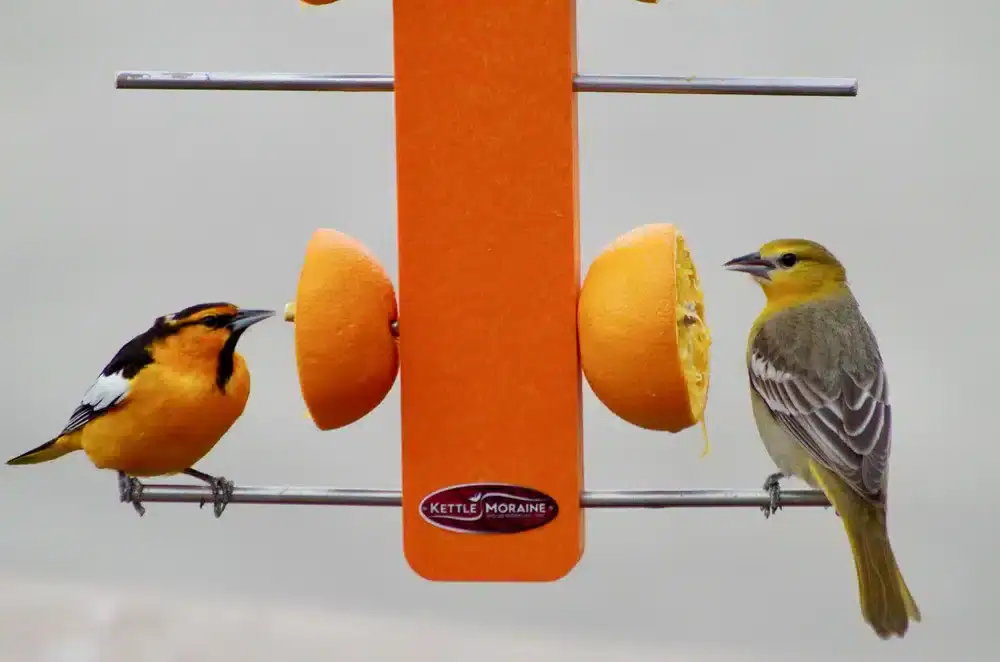
Orioles and tanagers love sweet and juicy fruits. These birds are attracted to fruits that offer high sugar content and bright colors.
Offer fruits like oranges and berries to invite these vibrant birds to your feeder.
- Orange slices
- Grape bunches
- Blackberries
- Raspberries
- Chopped strawberries
Fruits That Draw Woodpeckers
Woodpeckers enjoy fruits that are firm but easy to peck. They like fruits with a good balance of juice and texture.
Try offering apples and pears to attract woodpeckers to your feeder.
- Apple slices
- Pear chunks
- Dates
- Figs
Fruits Preferred By Thrushes And Warblers
Thrushes and warblers favor small, soft fruits. They prefer berries that are easy to swallow and rich in nutrients.
Offer a variety of berries to invite these delicate birds to your yard.
- Blueberries
- Cherries
- Elderberries
- Cranberries
- Mulberries
Additional Tips For Fruit Feeders
Fruit feeders bring many birds to your yard. To keep birds happy and safe, follow some simple tips. These tips help attract more birds and keep feeders in good shape.
Using fruit feeders properly can make a big difference. You can learn how to place feeders, clean them well, and mix fruits with other bird foods for best results.
Placement Of Fruit Feeders
Place fruit feeders where birds feel safe and can find food easily. Choose spots with some shade to keep fruit fresh longer. Keep feeders near trees or bushes for shelter and quick escape from predators.
Avoid placing feeders too close to windows. Birds may fly into glass if feeders are too near. Also, place feeders away from busy areas to reduce stress on birds.
- Choose shady spots to protect fruit from heat
- Place near trees or bushes for bird safety
- Keep feeders away from windows and busy areas
Maintaining Cleanliness
Clean fruit feeders often to prevent mold and bacteria. Dirty feeders can make birds sick. Wash feeders with warm water and mild soap every week or after rain.
Remove old or spoiled fruit quickly. Rotting fruit attracts pests and can harm birds. Use a brush to scrub feeder parts to remove stuck debris.
- Wash feeders weekly with warm, soapy water
- Remove spoiled fruit daily
- Scrub feeder parts to remove dirt
Combining Fruits With Other Bird Foods
Mix fruits with seeds, nuts, or suet to offer more variety. Different birds like different foods. This keeps more birds coming to your feeder.
Try offering fruits like oranges, apples, or berries alongside sunflower seeds or peanuts. Avoid mixing fruits with salty or spicy foods. Keep food fresh and safe for birds.
- Offer fruits with seeds, nuts, or suet
- Use apples, oranges, or berries with seeds
- Do not mix fruits with salty or spicy foods
- Keep all food fresh and clean
Frequently Asked Questions
What Fruits Attract Birds To Feeders?
Fruits like apples, berries, oranges, and grapes attract many bird species. These fruits provide essential nutrients and natural sugars that birds love. Including a variety of fruits increases the number of bird visitors. Avoid fruits treated with pesticides to keep birds safe and healthy.
Can Dried Fruits Be Used In Bird Feeders?
Yes, dried fruits such as raisins and cranberries are great for bird feeders. They are easy to store and attract birds like finches and sparrows. Always choose unsweetened, natural dried fruits to avoid harmful additives. Soak dried fruits in water to soften them before feeding.
Which Fruits Should Be Avoided In Bird Feeders?
Avoid citrus fruits like lemons and limes, as their acidity can harm birds. Also, steer clear of fruits treated with chemicals or moldy fruits. Overripe or fermented fruits might cause digestive issues. Always provide fresh, clean, and pesticide-free fruits for safe feeding.
How Often Should Fruit Be Replaced In Bird Feeders?
Replace fruit every 1 to 2 days to prevent mold and spoilage. Fresh fruit keeps birds healthy and encourages regular visits. Remove any leftover fruit promptly to avoid attracting unwanted pests. Frequent replacement ensures a clean and safe feeding environment.
Conclusion
Choosing the right fruit for your bird feeder is essential. Birds enjoy a variety of fruits like apples, berries, and oranges. These attract colorful and lively feathered friends. Fresh fruit is best, as it keeps birds healthy and happy. Remember to clean the feeder regularly.
This prevents mold and disease. Observing birds feasting on fruit can be a delightful experience. It also helps support local wildlife. So, experiment with different fruits. Watch which ones your local birds prefer. Enjoy the joy and beauty they bring to your garden.