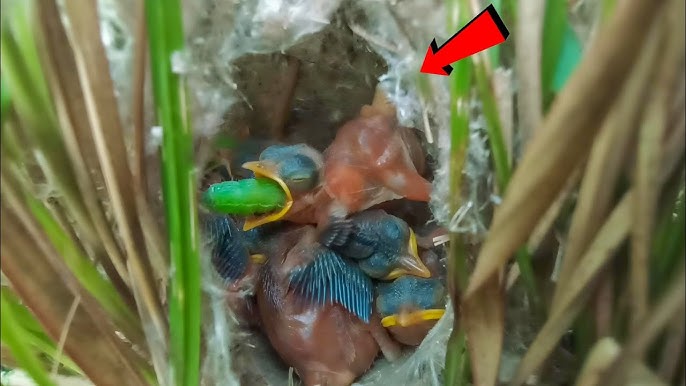
Have you ever found a tiny baby bird and wondered, “Can I feed it worms?” It’s natural to want to help, but you need to be careful. What you feed a baby bird can make a big difference in its health and chances of survival.
If you’re unsure about worms or other food options, keep reading. This guide will give you clear answers and simple tips to make sure you’re doing the best for that little feathered friend. Don’t miss out on learning how to help the baby bird thrive!
Feeding Needs Of Baby Birds
Baby birds need special care and food to grow healthy. Their feeding needs change as they grow older.
Feeding the right food helps baby birds get the nutrients they need. Feeding the wrong food can harm them.
Nutritional Requirements
Baby birds need protein, fats, vitamins, and minerals to grow strong. Protein helps build muscles and feathers.
They also need energy from fats. Vitamins and minerals help their bones and immune system develop well.
- High protein content for growth
- Healthy fats for energy
- Vitamins A, D, and E for development
- Calcium for strong bones
- Water to stay hydrated
Types Of Suitable Food
Worms are a good source of protein and often fed to baby birds. They mimic what parent birds bring in the wild.
Besides worms, baby birds can eat small insects, soft fruits, and special bird formula. Avoid feeding bread or milk.
- Mealworms and earthworms for protein
- Soft insects like small crickets
- Mashed soft fruits like berries
- Commercial baby bird formula for balanced nutrition
- Water for hydration

Credit: www.youtube.com
Role Of Worms In Baby Bird Diet
Worms are a common food source for many baby birds. They provide important nutrients that help birds grow strong.
Understanding the benefits and risks of feeding worms can help you care for baby birds safely.
Benefits Of Feeding Worms
Worms contain proteins and fats that are easy for baby birds to digest. These nutrients support healthy feathers and muscle growth.
- High protein content helps build muscles.
- Rich in essential fats for energy.
- Soft texture is gentle on baby birds’ digestive systems.
- Natural food source found in many birds’ habitats.
Risks And Precautions
Feeding worms to baby birds needs care. Some worms may carry parasites or pesticides that harm the bird.
| Risk | Precaution |
| Parasites in wild worms | Use worms from trusted sources or raise your own. |
| Pesticide contamination | Collect worms from clean, chemical-free areas. |
| Overfeeding worms | Balance worms with other food types for a healthy diet. |
| Feeding inappropriate worm types | Identify safe worm species suitable for baby birds. |
How To Prepare Worms Safely
Feeding worms to a baby bird can be healthy if done safely. Preparing worms correctly keeps the baby bird safe and healthy.
It is important to know where to get worms and how to clean them well before feeding.
Sourcing Healthy Worms
Use worms from clean places, away from chemicals and pollution. Avoid worms from areas with pesticides or car fluids.
Garden soil or worm farms are good sources. Earthworms are best because they are safe and easy to find.
- Pick worms from natural, chemical-free soil
- Do not use worms from compost with food waste
- Choose earthworms over nightcrawlers for baby birds
- Avoid worms from roadsides or polluted areas
Cleaning And Handling
Worms can carry dirt and germs. Clean them well before feeding to avoid sickness in the baby bird.
Rinse worms gently with clean water. Do not use soap or chemicals. Let them sit in fresh water for 10-15 minutes to clear their insides.
- Place worms in clean water for 10-15 minutes
- Rinse worms gently to remove dirt
- Use clean hands or gloves when handling worms
- Feed worms immediately after cleaning

Credit: www.youtube.com
Feeding Techniques For Baby Birds
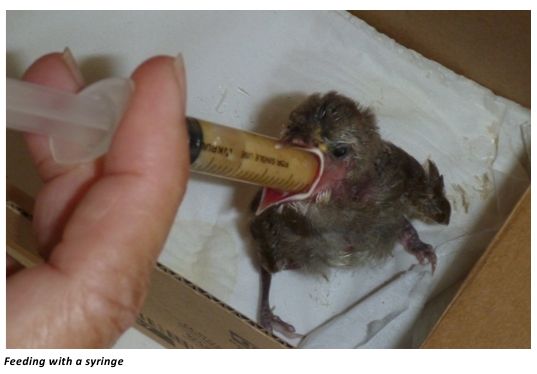
Feeding a baby bird takes care and attention. You need to provide the right food in the right way to help it grow strong.
Worms are a natural food for many baby birds. Learning how to feed them properly is important for their health.
Hand-feeding Tips
Use tweezers or a small spoon to feed the baby bird. Be gentle to avoid hurting its mouth. Make sure the food is soft and easy to swallow.
Warm the worms slightly to match the bird’s body temperature. Cold food can upset the baby bird’s stomach.
- Use small, chopped worms for easier eating
- Feed the bird slowly and carefully
- Keep the feeding area clean to prevent infections
Frequency And Quantity
Feed the baby bird every 20 to 30 minutes during daylight hours. Young birds need frequent meals to stay healthy.
Give small amounts each time. Overfeeding can cause choking or stomach problems. Watch the bird’s hunger signals to adjust the amount.
- Newborn birds eat about 10 to 15 times daily
- Reduce feeding to 6 to 8 times as they grow
- Stop feeding when the bird shows fullness or turns away
Signs Of Healthy Growth
Feeding baby birds properly is important for their growth. Watching their behavior and physical changes helps you know they are healthy.
This guide covers key signs to check for healthy growth in baby birds you may feed, like worms.
Behavioral Indicators
Healthy baby birds show active and alert behavior. They respond quickly to sounds and movements around them.
- Beg loudly when hungry
- Stretch and flap wings often
- Move around steadily
- Open mouth wide for food
- Rest quietly when full
Physical Development
Look for steady growth in size and weight. Baby birds gain feathers and their eyes open fully as they get healthy.
| Physical Sign | What to Look For |
| Weight | Consistent increase each day |
| Feather Growth | Soft down replaced by smooth feathers |
| Eye Condition | Clear and fully open eyes |
| Beak | Strong and able to open wide |
| Skin Color | Pink and healthy-looking, not pale |
Credit: besgroup.org
When To Seek Professional Help
Feeding a baby bird worms might seem helpful. But some situations need expert care. Knowing when to get help can save the bird’s life.
Wild baby birds are fragile. If you find one, watch for signs of illness or injury. Acting fast is important.
Common Health Concerns
Baby birds may show many health problems. These include wounds, weak movement, or no response to touch. Look for:
- Visible injuries or bleeding
- Feathers missing or damaged
- Unusual breathing or noises
- Extreme weakness or inability to stand
- Dehydration signs like dry skin or sunken eyes
If you see any of these signs, do not try to care for the bird alone. It needs a trained wildlife rehabilitator.
Finding A Wildlife Rehabilitator
Wildlife rehabilitators care for sick and injured wild birds. They have training and permits to help safely. Contact one near you as soon as possible.
| How to Find | What to Do |
| Search online for local wildlife rehab centers | Call and describe the bird’s condition |
| Ask animal shelters or vets for referrals | Follow their instructions on handling the bird |
| Use wildlife rescue hotlines | Transport the bird carefully if advised |
Frequently Asked Questions
Can I Safely Feed Worms To A Baby Bird?
Yes, feeding worms to baby birds is safe and natural. Worms provide essential protein and nutrients for their growth. Always ensure the worms are fresh and free from pesticides. Avoid feeding processed or cooked worms, as they may harm the bird’s health.
How Often Should I Feed Worms To Baby Birds?
Feed baby birds worms every 20 to 30 minutes during daylight hours. Young birds need frequent meals to grow strong and healthy. Adjust feeding frequency as the bird matures and starts eating solid foods independently.
What Types Of Worms Are Best For Baby Birds?
Earthworms and mealworms are ideal for baby birds. These worms offer high protein and moisture content. Avoid worms from unknown sources to prevent parasites or toxins. Always source worms from safe, pesticide-free environments.
Can Feeding Worms Replace Other Baby Bird Foods?
No, worms should complement a varied diet for baby birds. Include soft fruits, insects, and specialized bird formulas. A balanced diet ensures proper nutrition and healthy development. Worms alone don’t provide all necessary vitamins and minerals.
Conclusion
Feeding baby birds requires careful thought and understanding. Worms can be part of their diet. But not always suitable for every bird species. Research is crucial. Consult experts or trusted resources. Ensure the worms are safe and appropriate. Freshness and size matter for young birds.
Always prioritize the bird’s health and well-being. Proper diet supports growth and survival. Observing their reactions helps in making informed choices. Providing the right food makes a difference. Keep learning and caring for these young creatures. They depend on us for their nurturing and safety.