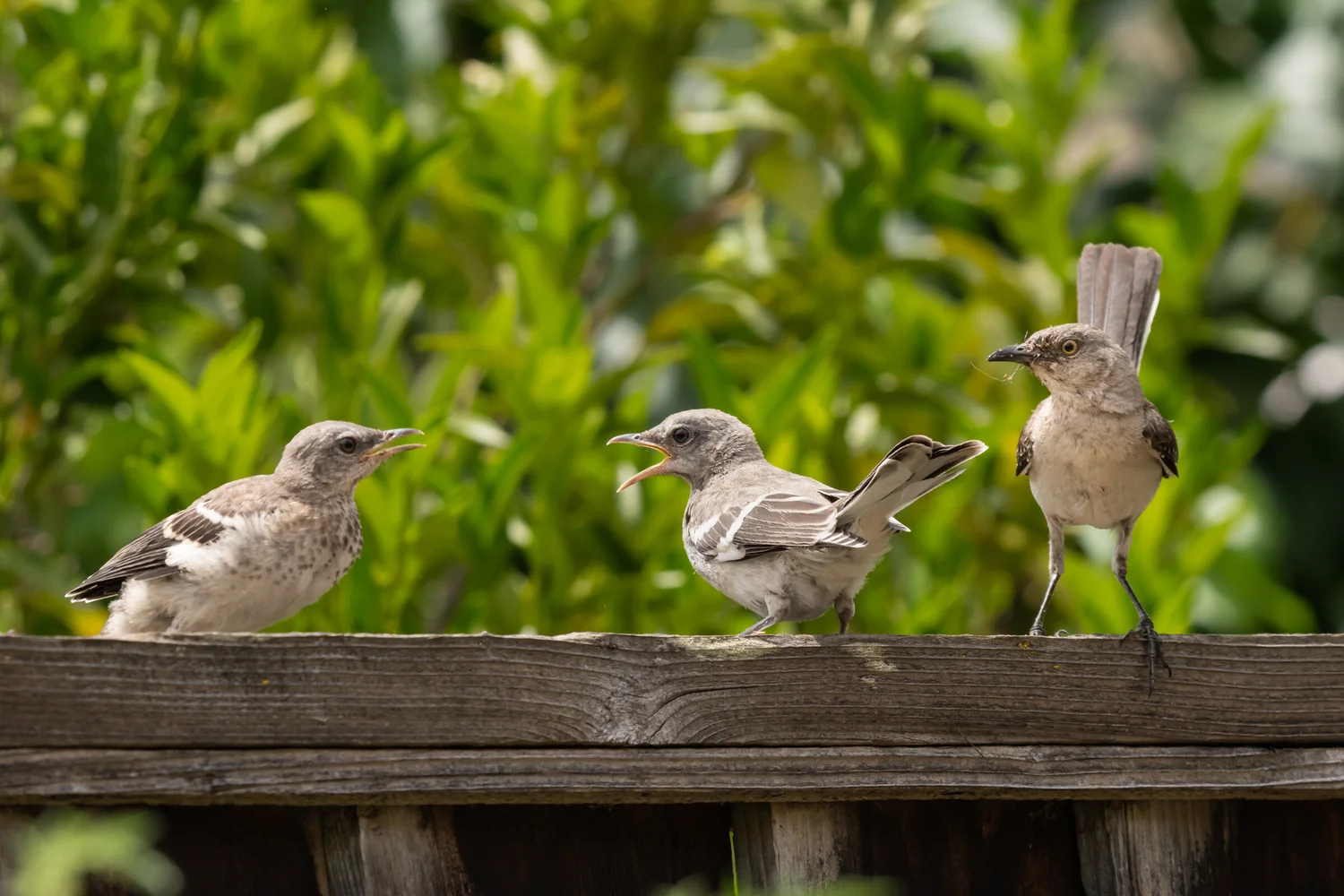
Have you ever wondered how much a young mockingbird eats to grow strong and healthy? If you’re curious about the diet of fledgling mockingbirds, especially how many worms they consume, you’re in the right place.
Understanding this can give you a closer look at nature’s feeding habits and why these birds thrive. Keep reading, and you’ll discover surprising facts about their appetite that might change the way you see these clever little birds.
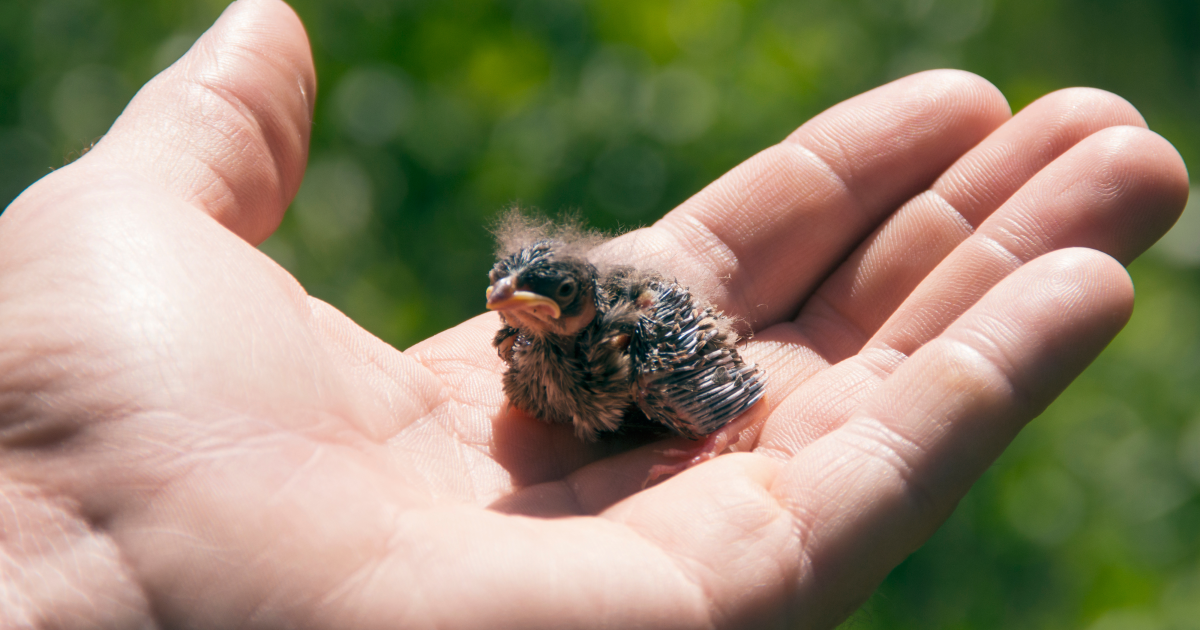
Credit: pethelpful.com
Diet Of Fledgling Mockingbirds
Fledgling mockingbirds eat different kinds of food to grow strong. Their diet changes as they learn to find food themselves.
Young mockingbirds get most of their food from their parents. They need food that is easy to digest and full of nutrients.
Typical Food Choices
Fledgling mockingbirds eat a mix of insects, fruits, and small animals. Insects are important for protein and energy.
Fruits provide vitamins and help with hydration. Young birds often eat soft fruits that are easy to swallow.
- Insects like beetles and caterpillars
- Soft fruits such as berries
- Small spiders and other tiny animals
- Occasionally seeds and grains
Role Of Worms In Diet
Worms are a key food for fledgling mockingbirds. They are soft and full of protein, which helps young birds grow.
A fledgling can eat dozens of worms each day. Parents often bring worms to the nest to feed their young.
- Worms provide easy-to-digest protein
- They help build strong muscles and feathers
- Worms are often given in large amounts daily
- Feeding worms helps fledglings learn to hunt

Credit: www.reddit.com
Daily Worm Consumption
Fledgling mockingbirds eat worms as a key part of their diet. Worms give them protein and nutrients to grow strong. Knowing how many worms they eat helps understand their feeding habits.
Young mockingbirds eat many worms every day. Their intake changes as they grow and learn to find food on their own.
Average Number Of Worms Eaten
A fledgling mockingbird typically eats around 15 to 30 worms daily. This amount helps them gain energy and build muscles for flying. The number varies by the bird’s age and size.
Newly hatched birds eat fewer worms at first. As they get older, their daily worm consumption increases. By the time they leave the nest, they eat closer to the higher range.
Factors Influencing Intake
Several things affect how many worms a fledgling mockingbird eats. These include weather, worm availability, and the bird’s health. Each factor can raise or lower worm consumption.
- Weather:Rainy or cold days reduce worm activity underground.
- Worm Availability:More worms mean more food for the bird.
- Health:Stronger birds eat more to support growth.
- Parental Feeding:Parents bring worms to the nest, influencing intake.
Feeding Behavior And Techniques
Fledgling mockingbirds eat many worms to grow strong. They use specific ways to find and catch worms. Their feeding is important for survival.
Understanding how they eat helps us learn about their life. Both young birds and parents play roles in feeding.
How Fledglings Hunt For Worms
Fledgling mockingbirds look for worms in soft soil. They use their beaks to pull worms out. They watch the ground carefully for movement.
Young birds sometimes peck the soil to find hidden worms. They eat many worms each day to get enough energy.
- Search soft, moist soil
- Use beak to catch worms
- Peck ground to uncover worms
- Eat several worms daily
Parental Feeding Patterns
Parent mockingbirds feed fledglings a lot of worms. They catch worms and bring them to the young birds. This helps fledglings grow faster.
Parents feed their young many times each day. They teach fledglings how to find food on their own over time.
- Parents catch worms for fledglings
- Feed young birds frequently daily
- Support growth with high protein food
- Help fledglings learn hunting skills
Nutritional Benefits Of Worms
Fledgling mockingbirds eat many worms every day. Worms provide key nutrients for young birds. These nutrients help the birds grow strong and healthy.
Worms are easy to digest and full of important proteins and energy. They are a natural food source for young mockingbirds.
Protein And Energy Content
Worms have a high amount of protein. Protein helps build muscles and tissues in fledglings. It also supports their immune system to fight diseases.
Worms provide energy that young birds need for flying and playing. This energy comes from fats and carbohydrates inside the worms.
- Protein supports muscle growth
- Energy fuels daily activities
- Easy to digest and absorb nutrients
Impact On Growth And Development
Eating many worms helps fledgling mockingbirds grow faster. The nutrients speed up bone and feather development. This prepares them for life outside the nest.
Regular worm meals improve brain function and coordination. This helps young birds learn to fly and find food on their own.
- Speeds up bone and feather growth
- Improves brain and muscle development
- Prepares birds for independence
Surprising Worm-related Facts
Fledgling mockingbirds eat many worms as part of their diet. These worms give them needed nutrients to grow strong.
Worms are not the only food for young mockingbirds, but they play a big role in their feeding habits.
Unusual Feeding Habits
Young mockingbirds eat worms many times a day. Their parents catch worms and bring them back to the nest. This helps the chicks grow fast.
- Fledglings can eat up to 50 worms daily during peak growth.
- They prefer soft worms that are easy to swallow.
- Mockingbird parents often feed worms directly into the chick’s mouth.
- Worm feeding decreases as the fledglings start to fly and eat on their own.
Comparisons With Other Birds
| Bird Species | Worms Eaten per Day | Other Common Foods |
| Mockingbird (Fledgling) | 40–50 | Insects, berries |
| Robin (Fledgling) | 30–40 | Insects, fruit |
| Blue Jay (Fledgling) | 20–30 | Seeds, nuts, insects |
| Chickadee (Fledgling) | 15–25 | Insects, seeds |
Environmental Influence On Diet
Fledgling mockingbirds eat many worms to grow strong. Their diet changes with the environment. Weather and place affect how many worms they find and eat.
Understanding these changes helps us know how young mockingbirds survive. This also shows how nature shapes their eating habits.
Seasonal Variations
The number of worms fledgling mockingbirds eat changes with the seasons. Worms are more active in warm, wet months. In colder or dry seasons, worms hide deeper in the soil.
- Spring and summer provide many worms.
- Fall has fewer worms as it cools down.
- Winter offers the least worm availability.
Young mockingbirds eat more worms in spring and summer. They need extra food to grow quickly during these times.
Habitat And Worm Availability
Where fledglings live affects how many worms they can find. Moist, rich soil has more worms than dry, sandy places. Gardens and forests often have many worms.
| Habitat Type | Worm Availability |
| Wet Gardens | High |
| Forest Floors | Medium |
| Dry Fields | Low |
| Sandy Areas | Very Low |

Credit: www.reddit.com
Frequently Asked Questions
How Many Worms Does A Fledgling Mockingbird Eat Daily?
A fledgling mockingbird typically eats about 15 to 30 worms per day. This amount helps them get enough protein for growth and energy during their early life stages.
Why Do Fledgling Mockingbirds Prefer Worms As Food?
Worms are rich in protein and easy to digest, making them ideal for fledgling mockingbirds. Worms also provide essential nutrients that support healthy development.
How Does Worm Consumption Impact Fledgling Mockingbird Growth?
Eating worms boosts fledgling mockingbirds’ muscle and feather development. It provides vital nutrients that enhance their strength and survival chances outside the nest.
Do Fledgling Mockingbirds Eat Other Insects Besides Worms?
Yes, fledgling mockingbirds also consume insects like beetles, caterpillars, and spiders. However, worms remain a primary and preferred food source for optimal growth.
Conclusion
Mockingbird fledglings need a steady diet of worms. They consume many daily. Worms provide essential nutrients for their growth. Parents tirelessly search for these wriggly meals. It’s crucial for the fledgling’s development. Feeding behavior varies based on availability and season.
Observing these birds offers insights into nature’s cycles. Their eating habits reflect survival strategies. Understanding this helps in bird conservation efforts. By learning more, we protect their future. Mockingbirds thrive with the right nourishment. So next time you see one, remember their hard work for survival.
Nature’s wonders are always fascinating.