What is the Noise a Bird Makes Called
Have you ever stopped to wonder what the noise a bird makes is actually called? You might think it’s just a simple chirp or tweet, but there’s a whole world of sounds with special names.
Understanding these sounds can change the way you listen to nature and connect with the birds around you. Keep reading, and you’ll discover the fascinating terms behind your favorite bird noises—and why they matter more than you might think.
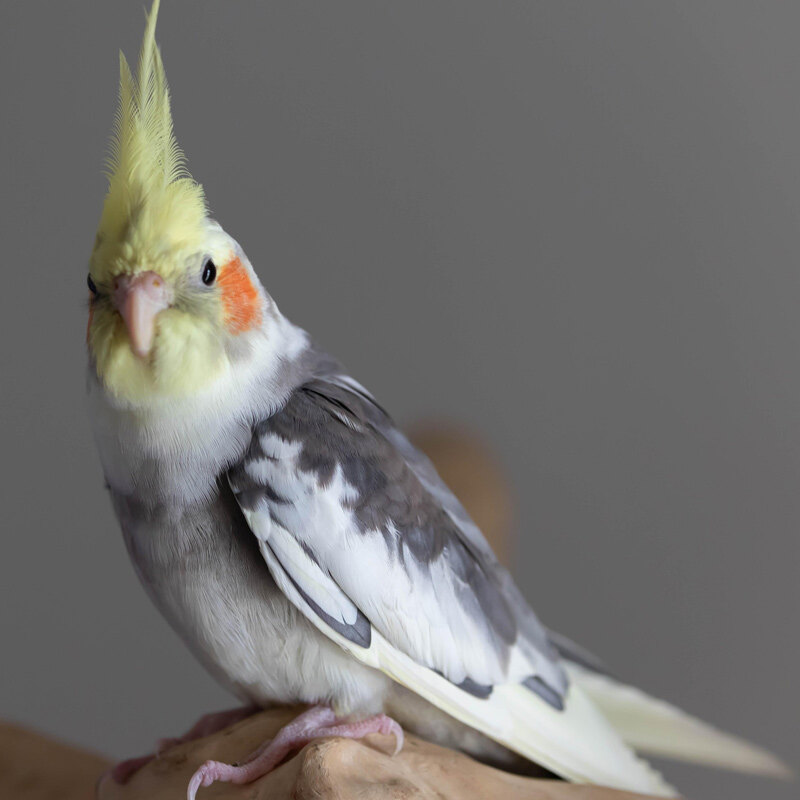
Credit: lafeber.com
Common Bird Sounds
Birds make many sounds to communicate with each other. These sounds have different names based on their purpose and style.
Knowing the names of bird sounds helps us understand their behavior better.
Chirps And Tweets
Chirps and tweets are short, simple sounds birds use often. These sounds are quick and high-pitched.
Birds use chirps to talk to each other nearby or to show they are safe.
- Common among small birds like sparrows and finches
- Used to keep in touch with other birds
- Often heard during the day
Songs And Melodies
Bird songs are longer and more complex than chirps. They often sound musical and pleasant to hear.
Male birds usually sing to attract mates or mark their territory. Songs can vary between species.
- Made up of many notes and phrases
- Used to defend territory from other males
- Helps attract female birds for mating
Calls And Alerts
Calls are sharp sounds birds use to warn others about danger. They are quick and attention-grabbing.
Birds also use calls to signal food or stay in groups. These sounds help them survive in the wild.
- Warning calls alert others to predators
- Contact calls help keep groups together
- Varies in loudness and tone depending on urgency

Credit: lafeber.com
Specialized Bird Vocalizations
Birds make many sounds to communicate. These sounds have special names based on how they sound.
Knowing these names helps us understand bird behavior better. Some sounds are soft, while others are loud.
Warbles And Trills
Warbles are sweet, musical sounds birds sing. They often change pitch smoothly.
Trills are quick, repeated notes. They can sound like a fast vibration or buzz.
- Warbles show a bird’s mood or attract mates
- Trills warn others or mark territory
- Both are common in songbirds
Caws And Croaks
Caws are loud, harsh calls made by crows and ravens. They sound rough and sharp.
Croaks are low, guttural sounds. Frogs also croak, but birds like ravens use this sound.
- Caws warn of danger or gather a group
- Croaks often signal threat or claim space
- Both sounds are easy to hear in forests
Whistles And Screeches
Whistles are clear, high-pitched sounds. Birds use them to talk or attract mates.
Screeches are loud, sharp cries. They can warn others or scare away predators.
- Whistles often have a clean, ringing tone
- Screeches are harsh and urgent
- Owls and hawks often screech
Functions Of Bird Sounds
Birds make different sounds for many reasons. These sounds help them survive and live together.
Each bird sound has a special job. They use sounds to find mates, protect their space, and talk to each other.
Mating And Attraction
Birds use sounds to attract mates. Male birds often sing loud and clear songs to show they are healthy.
The sounds help females choose the best partner. Songs can show strength and good genes.
Territory Defense
Birds sing to protect their home area. The sounds warn other birds to stay away.
These calls stop fights by showing who owns the space. This helps keep peace among birds.
Communication And Socializing
Birds use sounds to talk with each other. They share information about food or danger.
Some birds have special calls to keep in touch with their group or family members.

Credit: livingrainforest.org
How Birds Produce Sounds
Birds make sounds using a special part of their body called the syrinx. This organ lets them sing, call, and communicate. Each bird species can produce different sounds.
The sounds birds make are important for finding mates, marking territory, and warning others of danger. Understanding how they create these sounds helps us learn more about birds.
Anatomy Of the Syrinx
The syrinx is located where a bird’s windpipe splits into the lungs. It has membranes that vibrate to make sound. The bird controls these membranes with muscles.
The shape and size of the syrinx affect the sounds a bird can produce. Some birds have more complex syrinxes, allowing them to make many different sounds.
- Located at the base of the trachea
- Contains vibrating membranes
- Controlled by muscles
- Shape affects sound quality
Sound Variation Techniques
Birds change sounds by adjusting their syrinx muscles and airflow. This lets them create different pitches and tones. They can also control how loud or soft their sounds are.
Some birds can use both sides of their syrinx at once. This ability helps them make two different sounds at the same time. It helps birds create complex songs.
- Adjust muscle tension for pitch changes
- Control air pressure for volume
- Use both sides of syrinx separately
- Modify mouth and throat shape
Regional And Species Differences
The sounds birds make vary by region and species. These sounds help birds communicate in different ways.
Each bird species has unique calls, and some change their sounds based on where they live.
Dialect Variations
Birds of the same species can have different calls in different areas. These are called dialects.
Birds learn sounds from nearby birds, so calls change by location over time.
- Songbirds often show strong dialect differences
- Dialects help birds recognize neighbors
- Changes in calls can happen quickly in new areas
Unique Species Sounds
Each bird species has its own special sounds. These include songs, calls, and alarms.
Some birds use sounds to attract mates or warn of danger. Others use clicks or whistles.
- Owls make hooting sounds for communication
- Woodpeckers drum on trees instead of singing
- Parrots can mimic many sounds and calls
- Hummingbirds produce high-pitched chirps
Human Interaction with Bird Sounds
Bird sounds have fascinated humans for centuries. People listen to birds to enjoy nature and learn about their habits.
Understanding bird noises helps us connect with wildlife and protect their environments.
Birdsong In Culture and Art
Birdsong appears in many cultures as a symbol of freedom and beauty. Artists and musicians often use these sounds to inspire their work.
- Poets compare bird calls to music and emotion.
- Painters include birds to show peace and nature.
- Musicians mimic bird sounds in their songs.
- Folklore uses bird calls to tell stories.
Using Bird Calls in Research
Scientists study bird calls to learn about species and environments. These sounds help track bird populations and behavior.
| Research Purpose | How Bird Calls Help |
| Species Identification | Each bird has a unique call |
| Population Monitoring | Counting calls shows number of birds |
| Behavior Study | Calls reveal mating and feeding habits |
| Environmental Health | Changes in calls indicate habitat changes |
Frequently Asked Questions
What Is the Term for Sounds Made by Birds?
The sounds birds make are called “bird calls” or “bird songs. ” Calls are short and simple. Songs are longer and complex, often used to attract mates or mark territory.
How Do Bird Calls Differ from Bird Songs?
Bird calls are brief sounds used for communication, like alarms. Bird songs are longer and melodious, mainly for mating or territory defense. Both are vital for bird interaction but serve different purposes.
Why Do Birds Sing Different Songs?
Birds sing different songs to identify species, attract mates, and defend territory. Song variations help birds communicate specific messages and adapt to their environment effectively.
Can All Birds Sing Songs or Just Some?
Not all birds sing songs. Songbirds, a specific group, produce complex melodies. Other birds mainly use calls for communication but don’t sing elaborate songs.
Conclusion
Bird sounds enrich our world with unique melodies. These sounds, called calls or songs, serve various purposes. Birds communicate with each other and mark their territories. Each bird species has distinct sounds. Recognizing these can enhance our nature experience. Listening closely can reveal fascinating details.
Next time you’re outside, pay attention. You’ll start to appreciate the variety of bird sounds. They tell stories of survival and community. This natural orchestra is ever-present, ready to be discovered. Understanding it deepens our connection to nature. A simple joy, yet profound.
Keep listening, keep exploring. The world of birds awaits.