Have you ever watched a bird dart through the sky, snatching insects right out of the air? It’s a fascinating sight that might leave you wondering: what kind of bird is so skilled at catching insects midair?
If you’re curious about these amazing aerial hunters and want to know which birds have mastered this impressive feat, you’re in the right place. Keep reading, and you’ll discover the secrets behind their swift moves and why these birds are nature’s ultimate insect catchers.

Credit: www.shutterstock.com
Traits Of Midair Insect Hunters
Some birds catch insects while flying in the air. They need special traits to do this. These traits help them find, chase, and catch insects.
Midair insect hunters use their bodies and skills in unique ways. Their physical features, flight styles, and senses work together for success.
Physical Adaptations
These birds have strong wings to fly fast and change direction quickly. Their bodies are light to help them stay in the air longer.
They have wide mouths or special beaks to catch insects easily during flight. Their legs and feet help them hold onto branches or catch prey.
- Long, pointed wings for fast flight
- Lightweight bones to stay airborne
- Wide gape or hooked beak to catch insects
- Strong legs for perching and grabbing
Flight Techniques
Midair insect hunters use quick, sharp turns to follow flying insects. They can hover or glide to watch for prey below.
Some birds fly in groups to find insects better. They dart fast to grab insects before they fly away.
- Fast, agile flight for chasing insects
- Hovering to spot insects clearly
- Gliding to save energy while searching
- Group flying to find more prey
Sensory Abilities
These birds have sharp eyesight to see tiny insects in the air. They can spot quick movements from far away.
Some birds hear the sounds of insects flying or buzzing. Their brain quickly processes what they see and hear for fast reactions.
- Excellent vision for spotting small prey
- Ability to detect fast movements
- Good hearing to sense insect sounds
- Quick brain response for catching insects

Credit: www.birdfy.com
Swifts And Swallows
Swifts and swallows are birds that catch insects while flying. They hunt in the air, using speed and skill.
These birds eat flying insects like flies, mosquitoes, and gnats. Their flying style helps them catch food on the wing.
Swifts’ Speed And Endurance
Swifts are very fast flyers. They can fly for hours without stopping. This helps them catch many insects in the air.
They have long, narrow wings that help them fly smoothly and quickly. Swifts use little energy while flying long distances.
- Fly at speeds over 60 miles per hour
- Can stay in the air for many hours
- Use long, narrow wings for fast flight
- Catch insects by flying high and fast
Swallows’ Agile Maneuvers
Swallows are quick and very agile. They can change direction fast to catch flying insects. Their flight looks like a dance in the sky.
Swallows have shorter wings than swifts. Their wings help them turn sharply and fly low over fields and water to find insects.
- Fly low and slow to spot insects
- Turn quickly with sharp wing movements
- Catch insects with wide, open mouths
- Use smooth, twisting flight paths
Flycatchers
Flycatchers are birds that catch insects while flying. They are skilled at snatching bugs in midair.
These birds use quick movements to hunt flying insects. They help control insect populations in nature.
Hunting Styles
Flycatchers use different ways to catch insects. Most sit on a branch and watch for prey.
When they see an insect, they fly out fast to grab it in the air. Then they return to their perch.
- Sallying: Flying out from a perch to catch insects midair
- Hovering: Staying in one spot to pick insects from plants
- Gleaning: Picking insects from leaves or branches while perched
Popular Flycatcher Species
Many flycatcher species live worldwide. They vary in size and color but share hunting skills.
- Piratic Flycatcher: Small bird with gray and white feathers
- Great Crested Flycatcher: Larger bird with bright yellow belly
- Eastern Phoebe: Common in North America with a soft call
- Vermilion Flycatcher: Bright red bird found near water
- Acadian Flycatcher: Lives in forests and has a sharp call
Nightjars And Nighthawks
Nightjars and nighthawks are birds that catch insects in midair. They use special skills to hunt during low light times. These birds are active at dusk and dawn, making them unique insect hunters.
These birds have wide mouths and strong wings. They fly silently and catch insects on the wing. Their hunting style helps control insect populations naturally.
Nocturnal Hunting
Nightjars and nighthawks hunt mostly at night or in the early morning. Their eyes are adapted to see well in low light. This helps them spot flying insects easily.
They catch insects by flying fast and snapping them up with their wide mouths. Their flight is smooth and steady, allowing quick turns to catch prey.
- Hunt at dusk, night, and dawn
- Excellent night vision
- Fly silently to avoid scaring insects
- Catch insects mid-flight using a wide gape
Camouflage And Stealth
Nightjars and nighthawks have feathers that blend with their surroundings. Their colors match tree bark or leaves. This helps them hide during the day when resting.
They stay very still to avoid being seen by predators. Their quiet flight and soft feathers help them approach prey without noise.
- Feathers with mottled patterns for camouflage
- Rest on ground or tree branches during the day
- Move quietly to sneak up on insects
- Remain motionless to avoid detection
Hummingbirds’ Insect Diet
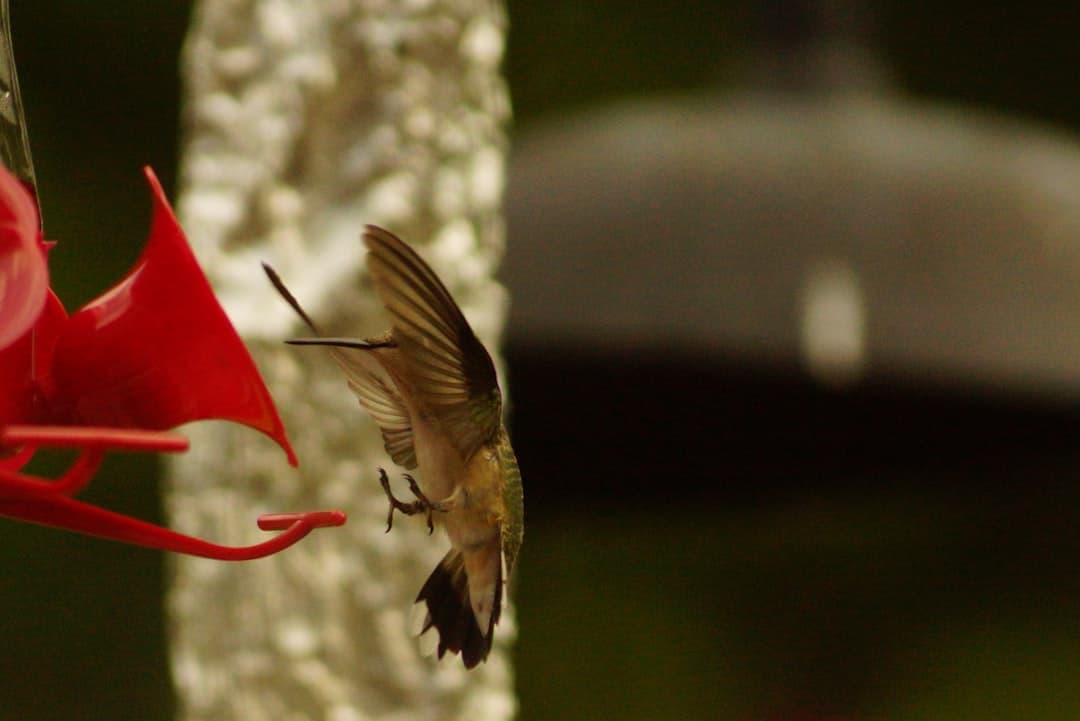
Hummingbirds are famous for drinking nectar from flowers. But they also catch insects in midair. Insects give them important nutrients that nectar lacks.
These tiny birds use quick movements and sharp eyesight to hunt flying insects. Their diet includes small bugs that provide protein and other essentials.
Hovering Precision
Hummingbirds hover with great control to catch insects in the air. Their wings beat very fast, allowing them to stay still or move quickly. This skill helps them grab insects while flying.
- They can stop midair to spot prey.
- Wing speed helps sudden dives to catch bugs.
- Eyes track small, fast-moving insects.
- Beaks open quickly to snatch prey.
Insects As Protein Source
Insects give hummingbirds protein and nutrients that flowers do not provide. Protein is needed for muscle and feather growth. Insects also supply fats and minerals.
| Insect Type | Nutrition Benefit |
| Spiders | Rich in protein and minerals |
| Aphids | High protein and fats |
| Small flies | Quick energy and protein |
| Ants | Source of protein and vitamins |

Credit: www.shutterstock.com
Other Notable Hunters
Many birds catch insects in midair using quick movements and sharp eyesight. These hunters help control insect populations.
Some birds are especially good at catching insects while flying. Let’s look at a few notable hunters.
Bee-eaters
Bee-eaters are colorful birds that catch flying insects like bees and wasps. They use sharp beaks to grab insects in the air.
These birds often hunt in open spaces and catch insects during quick flights. They remove stingers by hitting the insect on a branch.
Martins
Martins are small birds that eat flying insects such as flies and beetles. They catch prey with fast, agile flight.
They often hunt over water or fields where insects are plenty. Their wide mouths help scoop insects while flying.
Drongos
Drongos are smart birds known for catching insects midair. They use quick dives to snatch prey during flight.
These birds also mimic sounds to scare other animals and steal food. Their sharp eyes spot insects from far away.
Habitats Favoring Midair Hunters
Birds that catch insects in midair need special places to live. These habitats give them space to fly and find food.
Different environments offer good hunting spots for these birds. They must have open areas to see and catch flying insects.
Open Skies And Water Bodies
Open skies are perfect for birds that catch insects while flying. These wide spaces let birds spot insects from far away.
Water bodies like lakes and rivers attract many flying insects. Birds use these areas to hunt insects that live near water.
- Large open fields provide clear flight paths
- Water attracts insects like mosquitoes and flies
- Birds can hover or dive to catch prey
Forest Edges And Clearings
Forest edges give birds a mix of open air and shelter. Clearings in forests offer space for hunting flying insects.
These areas have many insects that live near trees and plants. Birds wait near the edge to catch insects flying out.
- Edges between forest and open land offer good visibility
- Clearings have sunlight that attracts insects
- Birds use quick flights between trees to catch prey
Role In Ecosystems
Birds that catch insects in midair play an important role in nature. They help keep insect numbers balanced. These birds also help plants grow by spreading pollen and seeds.
Understanding how these birds affect their surroundings shows how they support healthy ecosystems. Their actions influence many living things around them.
Insect Population Control
Birds that catch insects in flight reduce the number of flying bugs. This helps stop some insects from becoming pests. These birds eat many types of insects like flies, mosquitoes, and moths.
- Swallows catch insects while flying fast.
- Flycatchers wait and grab insects midair.
- Swifts eat many small flying insects daily.
- Hawks sometimes catch larger insects in flight.
Pollination And Seed Dispersal
Some insect-catching birds also visit flowers. They help carry pollen from one flower to another. This helps plants make seeds and grow new plants. They may also spread seeds by carrying fruits or dropping seeds.
| Bird Species | Pollination Role | Seed Dispersal Role |
| Hummingbirds | Carry pollen on beaks and feathers | Spread seeds by dropping fruit pieces |
| Swallows | Visit flowers occasionally | Transport seeds stuck to feathers |
| Flycatchers | Less active in pollination | Help disperse seeds in some areas |
Frequently Asked Questions
What Birds Commonly Catch Insects In Midair?
Swallows, swifts, and flycatchers are famous for catching insects midair. They have agile flight skills and sharp vision to spot prey while flying.
How Do Birds Catch Insects During Flight?
These birds use swift, acrobatic flying techniques to snatch insects. They rely on keen eyesight and quick reflexes to capture moving prey mid-flight.
Which Bird Is The Best Aerial Insect Hunter?
The common swift is one of the best aerial insect hunters. It spends most of its life flying and catching insects on the wing.
Why Do Some Birds Catch Insects Midair?
Catching insects midair provides high-protein food essential for energy and growth. It also helps control insect populations naturally.
Conclusion
Birds catching insects in midair are truly fascinating. They display incredible agility. Swallows, swifts, and flycatchers excel at this. Their aerial acrobatics are impressive. These birds contribute to controlling insect populations. Nature’s balance relies on their skills. Watching them hunt is a delight.
Their speed and precision amaze us. Understanding these birds enhances our appreciation. They remind us of nature’s wonders. Such birds inspire awe with every flight. Their existence plays a vital role. Observing them can be a joyful experience. Nature offers endless marvels through these birds.
Embrace the beauty they bring into our world.