Have you ever watched a hummingbird hover effortlessly, its tiny wings a blur, as it sips nectar from a flower? If you want to invite these fascinating little birds to your garden, the secret lies in choosing the right flowers.
But what kind of flowers do hummingbirds like best? Knowing which blooms attract them can turn your outdoor space into a lively, colorful haven filled with fluttering visitors. Keep reading to discover the best flowers that will bring hummingbirds straight to your yard—and learn how to create a garden they’ll love.
Credit: www.sweetyhigh.com
Hummingbird Preferences
Hummingbirds are attracted to specific flowers that meet their needs. They look for colors, shapes, and nectar that suit their feeding habits.
Understanding these preferences helps in choosing the right flowers to attract hummingbirds to your garden.
Colors That Attract
Hummingbirds prefer bright colors that catch their attention quickly. Red is the most attractive color for them. They also like orange, pink, and purple flowers.
- Red flowers attract the most hummingbirds.
- Orange and pink are also favorites.
- Blue and yellow flowers attract fewer hummingbirds.
Preferred Flower Shapes
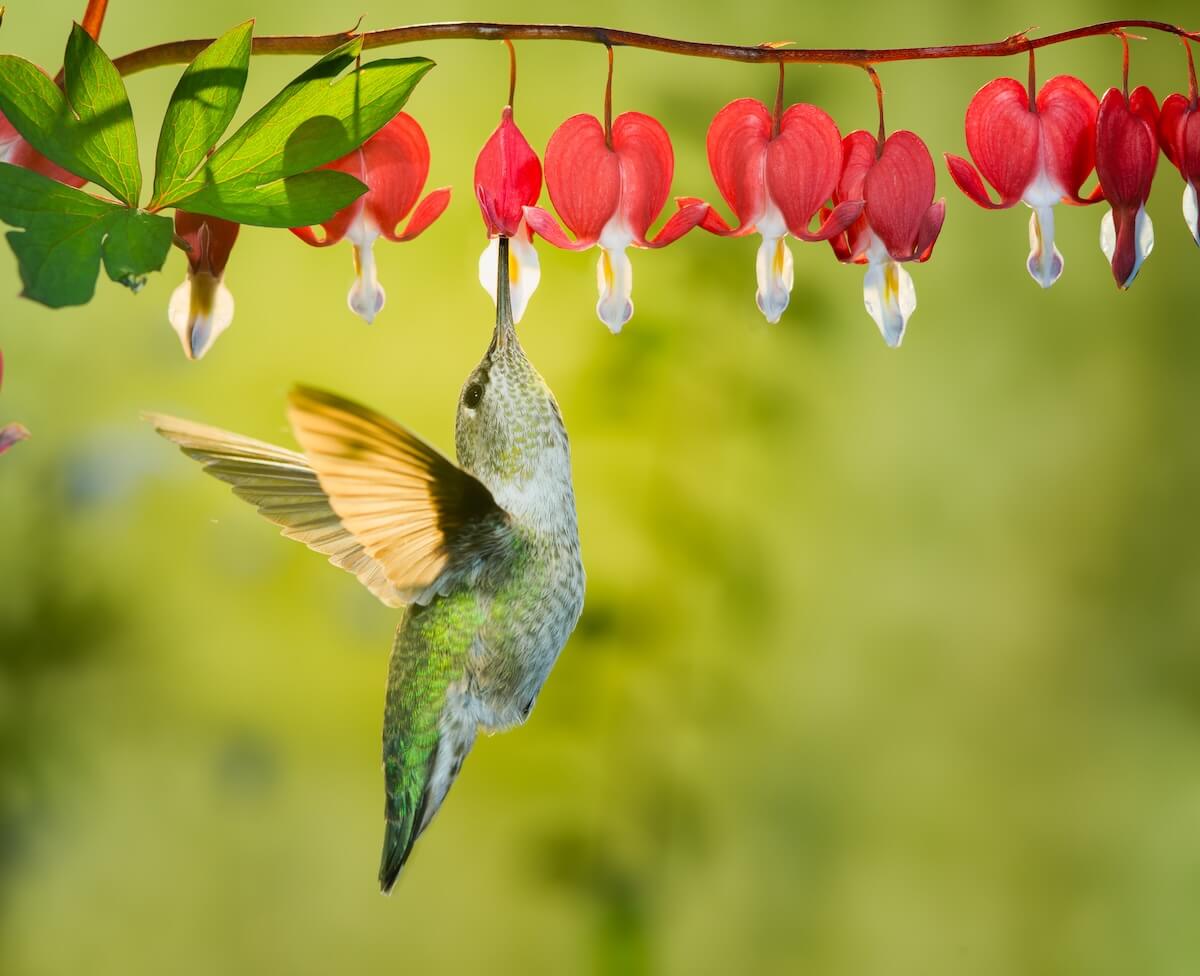
Shape plays a big role in hummingbird feeding. They like flowers with tubular shapes that fit their long beaks. These shapes make it easier for them to reach nectar.
| Flower Shape | Reason Hummingbirds Like It |
| Tubular | Fits beak and tongue length for easy nectar access |
| Bell-shaped | Provides a landing spot and nectar pool |
| Trumpet-shaped | Allows deep nectar reach |
Nectar Needs
Hummingbirds need flowers with high sugar nectar. They prefer flowers that produce a lot of nectar quickly. The nectar should be sweet but not too thick.
Here are some key nectar traits hummingbirds seek:
- High sugar content between 20-25%
- Fresh nectar produced daily
- Easy access without obstruction
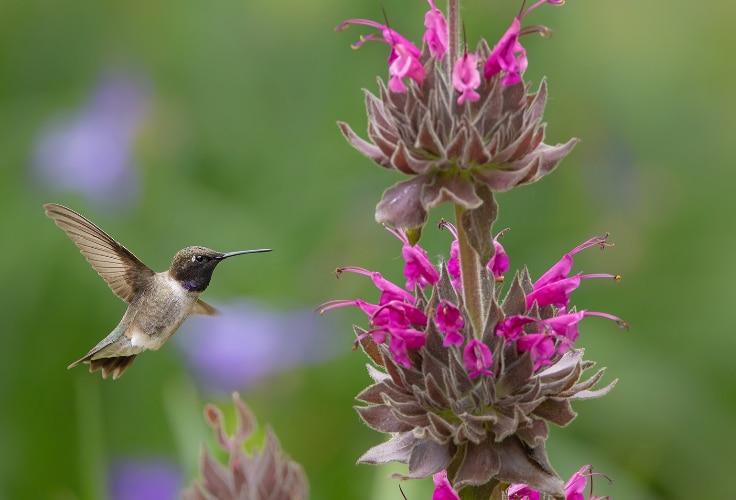
Credit: avibirds.com
Top Flowers For Hummingbirds
Hummingbirds are attracted to bright, colorful flowers. They look for flowers that hold lots of nectar. Planting the right flowers helps bring hummingbirds to your garden.
Here are some top flowers that hummingbirds love. Each flower has unique features that make it perfect for these tiny birds.
Trumpet Vine
Trumpet vine has bright orange or red trumpet-shaped flowers. These flowers are long and tubular, perfect for hummingbirds’ beaks. The vine grows quickly and attracts many birds.
This flower blooms in summer and fall. It also provides shelter for hummingbirds to rest.
Bee Balm
Bee balm has red, pink, or purple flowers that are easy for hummingbirds to access. The flowers are full of nectar and bloom in mid to late summer. Bee balm also attracts butterflies.
This plant grows well in many garden types and adds bright color to your yard.
Salvia
Salvia flowers come in blue, red, purple, or white. They have long, tubular shapes that fit hummingbirds’ bills well. Salvia blooms from spring to fall, giving a long season of nectar.
They are easy to grow and attract many pollinators besides hummingbirds.
Columbine
Columbine flowers have a unique bell shape with spurs. They come in red, yellow, pink, or blue colors. Hummingbirds like the nectar deep inside the spurs.
These flowers bloom in spring and early summer. They grow well in shady or sunny spots.
Fuchsia
Fuchsia flowers hang down in bright red, pink, or purple colors. Their tube-shaped blooms are perfect for hummingbirds to feed on. Fuchsias bloom from summer into fall.
This plant grows well in hanging baskets or shady garden areas.
Planting Tips For Your Garden
Hummingbirds are attracted to colorful and nectar-rich flowers. Planting the right flowers helps bring these tiny birds to your garden. You can create a beautiful space that hummingbirds will love all season.
Use smart planting tips to make your garden inviting. Consider where to place plants, when they bloom, and which plants grow well together. These ideas will help you attract hummingbirds easily.
Best Locations
Choose sunny spots for your flowers. Hummingbirds prefer areas with good sunlight. Place plants near windows or patios where you can watch them. Avoid windy spots to keep flowers safe and full of nectar.
- Pick spots with 6 to 8 hours of sunlight
- Plant near water sources like birdbaths
- Use sheltered areas to protect from wind
- Place flowers at different heights to attract more birds
Bloom Timing
Plant flowers that bloom at different times. This gives hummingbirds a steady food supply. Early bloomers bring them in spring, while late bloomers feed them in fall. This keeps your garden lively all year.
| Flower Type | Bloom Time |
| Salvia | Spring to Fall |
| Bee Balm | Summer |
| Trumpet Vine | Summer to Early Fall |
| Columbine | Spring |
| Fuchsia | Summer to Fall |
Companion Plants
Use companion plants to support hummingbird flowers. Some plants help keep pests away or improve soil. Plant herbs and shrubs near hummingbird flowers for a healthy garden. This helps flowers grow strong and full of nectar.
- Lavender – repels insects and attracts pollinators
- Marigold – deters pests and adds bright color
- Basil – keeps harmful bugs away
- Ferns – provide shade and shelter

Credit: mygardenlife.com
Avoiding Common Mistakes
Hummingbirds visit flowers for nectar. Choosing the right flowers helps keep them healthy and happy. Some mistakes can scare them away or harm their food sources.
Learn to avoid common errors to attract more hummingbirds. This guide covers pesticides, plant choices, and water sources.
Using Pesticides
Many pesticides can hurt hummingbirds. These chemicals reduce the number of insects they eat. Pesticides can also poison the nectar in flowers.
- Do not spray pesticides on flowers.
- Choose natural pest control methods.
- Plant insect-repelling herbs like basil or mint.
- Keep flowers healthy to resist pests naturally.
Wrong Plant Choices
Not all flowers attract hummingbirds. Some plants have little nectar or the wrong shape for their beaks. Avoid these common mistakes.
| Plant | Attracts Hummingbirds? |
| Marigold | No |
| Bee Balm | Yes |
| Sunflower | No |
| Trumpet Vine | Yes |
| Daffodil | No |
Neglecting Water Sources
Hummingbirds need water to drink and bathe. Forgetting to provide water can reduce visits. Clean water attracts these birds safely.
- Place a shallow water dish nearby.
- Use a mister or small fountain to create droplets.
- Change water often to avoid mosquitoes.
- Keep water sources clean to prevent disease.
Frequently Asked Questions
What Flowers Attract Hummingbirds The Most?
Hummingbirds prefer brightly colored, tubular flowers rich in nectar. Red, orange, and pink flowers like trumpet vine, bee balm, and salvia attract them effectively.
Why Do Hummingbirds Prefer Red Flowers?
Red flowers stand out to hummingbirds as they see red vividly. These flowers often contain abundant nectar, making them a favorite feeding source.
Which Flower Shapes Do Hummingbirds Favor?
Hummingbirds favor tubular-shaped flowers. This shape fits their long beaks, allowing easy access to nectar deep inside the flower.
Can Hummingbirds Visit Non-native Flowers?
Yes, hummingbirds visit many non-native flowers if they provide sufficient nectar. Plants like fuchsia and honeysuckle are popular choices even if not native.
Conclusion
Hummingbirds adore vibrant flowers with sweet nectar. They favor red, orange, and pink blooms. Plant trumpet vine, bee balm, and salvia to attract them. These flowers provide energy-rich nectar. Hummingbirds also enjoy tubular-shaped blossoms. They can easily reach the nectar inside.
Creating a garden with these flowers invites hummingbirds to visit. Enjoy watching them flit and feed. It’s a rewarding experience. A garden full of colors and life. Simple plants can make a difference. Encourage these tiny, energetic birds. Enjoy their beauty and energy in your garden.