Have you ever noticed tiny bugs crawling around your bird feeder and wondered, “What insects hatch from bird seed?” You’re not alone. These little critters can surprise you and might even affect the birds you’re trying to feed.
Understanding which insects come from bird seed helps you keep your feeder clean and your feathered friends healthy. Keep reading, and you’ll discover the common insects that hatch from bird seed and simple tips to prevent them from taking over your backyard.

Credit: drkilligans.com
Common Insects Found In Bird Seed
Bird seed often attracts not only birds but also small insects. These insects can hatch and grow inside the seed mixes. Knowing which insects appear can help you keep your bird seed fresh.
Some insects feed on the seeds, while others use the seed mix as a place to lay eggs. These bugs can sometimes damage the seed or make it less appealing for birds.
Weevils And Their Impact
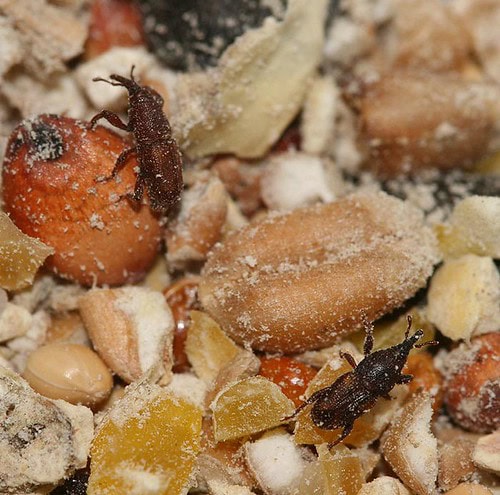
Weevils are small beetles that often hatch from bird seed. They have long snouts and can bore into seeds. These insects can cause damage by eating the seed inside.
- Adult weevils lay eggs inside seeds.
- Larvae eat the seed from within.
- They can reduce the seed’s quality.
- Weevils thrive in warm, dry storage.
Grain Beetles In Seed Mixes
Grain beetles are another common insect found in bird seed. They are tiny and flat, making them easy to miss. These beetles feed on broken seeds and dust.
| Type of Grain Beetle | Size | Seed Damage |
| Red Flour Beetle | 3-4 mm | Feeds on broken seeds |
| Confused Flour Beetle | 3-4 mm | Consumes seed dust and fragments |
| Rusty Grain Beetle | 2-3 mm | Feeds on whole and broken seeds |
Moths And Their Larvae
Moths lay eggs in bird seed, and their larvae hatch to feed on the seeds. These larvae are caterpillar-like and can cause clumping in the seed mix. This makes the seed less usable for birds.
- Indian meal moths are common in seed mixes.
- Larvae create webbing in the seed.
- They feed on grains and seeds.
- Larvae presence can cause seed spoilage.
How Insects Get Into Bird Seed
Bird seed can sometimes have insects inside it. These bugs get there before the seed reaches your home. Understanding how insects enter bird seed helps prevent problems.
Insects can infest bird seed during different stages. These stages include harvesting, storage, and transport. Each stage has risks that let bugs in.
Contamination During Harvest
Insects often enter bird seed while it is still growing or being harvested. Fields can have bugs that stick to the seeds. Machines used for harvesting can also spread insects.
Some common insects found in seed fields include beetles and weevils. These insects can lay eggs on the seeds. When the seeds dry, the eggs hatch and bugs stay inside.
Storage Conditions And Infestation
Bird seed can get infested during storage if conditions are right. Warm and humid places help insects grow fast. Seeds stored in open or old containers are more vulnerable.
Insects can find food and shelter inside stored bird seed. They multiply quickly, making the infestation worse. Proper storage can stop many insects from growing.
- Keep seed containers sealed tightly
- Store seeds in cool, dry places
- Check seeds often for signs of bugs
Transport And Packaging Risks
Insects can get into bird seed during transport and packaging. Seeds move through many hands and places before sale. Bugs can hide in bags, boxes, or pallets.
Poor packaging that is not sealed well allows insects to enter. Shipping in warm weather can also increase insect activity. Careful handling reduces these risks.
- Use sealed packaging to block insects
- Inspect packages before shipping
- Avoid long storage in warm areas
Signs Of Insect Infestation In Bird Seed
Insects can hatch and grow inside bird seed if it is stored improperly. Identifying signs of infestation early helps protect your seed and birds.
Look closely for visible insects, strange smells, and changes in seed texture or quality. These clues show you if insects are present.
Visible Larvae And Adults
One clear sign of insect infestation is seeing larvae or adult insects in the seed. These may be small worms or beetles.
- Small white or cream-colored larvae moving inside the seed.
- Adult beetles or weevils crawling on or near the seed.
- Clusters of tiny eggs on the seed surface.
Unusual Odors And Clumping
Infested bird seed often smells musty or sour. This odor comes from insect activity and mold growth.
Clumps or sticky patches in the seed can also indicate insect damage or moisture from infestation.
Damage To Seed Quality
| Damage Type | Cause | Effect on Seed |
| Holes or tunnels | Insect larvae eating inside seeds | Seed loses nutrition and structure |
| Powdery residue | Insect waste and frass | Seed looks dirty and unappealing |
| Broken seed pieces | Insect feeding and movement | Lower seed viability and bird attraction |
Health Risks For Birds And Humans
Bird seed can sometimes hatch insects like moths, beetles, and weevils. These insects can harm birds and people. It is important to know the risks they bring.
Insects from bird seed can spread disease and cause allergies. Both bird owners and birds should be careful with contaminated seed.
Effects On Bird Health
Insects in bird seed can carry bacteria and parasites. Birds may eat these insects and get sick. Some insects can cause digestive problems.
Insects can also spoil the seed. Mold and fungus grow on spoiled seed. Birds eating moldy seed may have breathing problems.
- Birds may get diarrhea or vomiting
- Mold can cause lung infections
- Parasites can weaken birds
Potential Allergens And Contaminants
Insects and their droppings can cause allergies in humans. Dust from insect parts can irritate skin and lungs. People with asthma may react more.
Insects can carry harmful bacteria like Salmonella. This bacteria can spread to people handling bird seed. Contaminated seed is a health risk for humans.
- Allergic reactions like sneezing and itching
- Respiratory problems from dust
- Bacterial infections from handling seed
Preventing Disease Spread
Keep bird seed dry and in sealed containers. Check seed for insects before feeding birds. Clean bird feeders regularly to stop insect growth.
Use fresh seed and discard old or moldy seed. Wash hands after handling bird seed or feeders. These steps reduce health risks for birds and humans.
- Store seed in airtight containers
- Inspect seed for insects often
- Clean feeders every two weeks
- Use fresh seed and throw away spoiled seed
- Wash hands after feeding birds
Preventing Insect Hatch In Bird Seed
Bird seed can attract unwanted insects that hatch and cause problems. Keeping your bird seed free from insects is important for healthy birds.
Using the right methods helps stop insect eggs from growing in the seed. Here are some ways to prevent insect hatch in bird seed.
Proper Storage Techniques
Store bird seed in a cool, dry place to stop insects from hatching. Moisture and heat create a good home for insect eggs.
- Use airtight containers to keep seed dry
- Keep seed off the ground and away from sunlight
- Store small amounts to use quickly
- Clean storage bins regularly
Choosing Quality Seed
Pick fresh and high-quality seed to avoid insect problems. Old or poor seed may already have insect eggs inside.
| Seed Type | Signs of Quality |
| Sunflower Seeds | Full, firm, no holes |
| Millet | Clean, uniform size, no debris |
| Safflower | Bright color, no mold |
| Nyjer | Fresh smell, free of dust |
Regular Inspection And Cleaning
Check your bird seed and feeders often for signs of insects or damage. Clean feeders to stop insect eggs from spreading.
- Look for small holes or webbing in seed bags
- Remove moldy or clumped seed immediately
- Wash feeders with hot, soapy water weekly
- Dry feeders completely before refilling

Credit: drkilligans.com
Natural And Chemical Control Methods
Bird seed can attract many insects that hatch from the grains. These pests may cause damage or spread disease. Controlling them requires safe and effective methods.
This guide reviews natural and chemical ways to manage insects from bird seed. Learn how to protect your feeders and keep pests away.
Safe Pest Control Options
Natural methods reduce harm to birds and the environment. They help keep insect numbers low without chemicals.
- Keep seed dry and store it in sealed containers
- Regularly clean bird feeders and remove spilled seed
- Use bird seed mixes that are less attractive to insects
- Place feeders in sunny, well-ventilated areas
- Introduce natural predators like ladybugs near feeders
Chemical Treatments And Precautions
Chemical sprays and powders can stop insect growth. Use them only when natural methods fail. Always follow safety instructions to protect birds.
| Chemical | Use | Precautions |
| Insecticidal soap | Spray on feeders and nearby areas | Avoid direct contact with birds |
| Pyrethrin-based sprays | Control larvae on seed | Use sparingly; toxic to aquatic life |
| Boric acid powder | Apply in storage areas | Keep away from bird feeding spots |
Biological Controls And Alternatives
Biological control uses living organisms to fight insect pests. These options are safe and eco-friendly.
- Introduce predatory insects such as lacewings or lady beetles
- Use beneficial nematodes in soil near seed storage
- Encourage birds that eat harmful insects
- Apply natural oils like neem oil as insect repellents
Dealing With Infested Bird Seed
Bird seed can sometimes attract unwanted insects. These pests hatch inside the seed and cause problems. It is important to manage infested seed quickly to keep birds safe.
Proper care helps stop insects from spreading. Learn how to dispose of infested seed, when to replace it, and how to clean feeders and storage spaces.
Safe Disposal Practices
Throw away infested bird seed carefully. Do not keep it near clean seed or feeders. Seal the old seed in a plastic bag to stop insects from escaping. Dispose of it in an outdoor trash bin.
- Place infested seed in a sealed bag
- Dispose of the bag outside your home
- Clean the area where the seed was stored
- Avoid composting infested seed
When To Replace Seed
Replace bird seed regularly to prevent insect growth. Old or damp seed is more likely to hatch insects. Check seed for signs of bugs or mold. If seed looks dusty or smells bad, it is time to replace it.
| Seed Condition | Action |
| Fresh and dry | Use as normal |
| Damp or clumped | Replace immediately |
| Contains visible insects | Dispose safely |
| Moldy or foul smell | Replace right away |
Disinfecting Feeders And Storage Areas
Clean feeders and storage areas to stop insect eggs from hatching. Use warm soapy water to wash feeders. Rinse well and dry completely before refilling. Clean storage bins or containers too.
Follow these tips to disinfect:
- Empty feeders and remove old seed.
- Soak feeders in soapy water for 10 minutes.
- Use a brush to scrub corners and holes.
- Rinse feeders with clean water.
- Wipe storage containers with a mild bleach solution (1 part bleach to 9 parts water).
- Let everything dry fully before use.

Credit: drkilligans.com
Frequently Asked Questions
What Insects Commonly Hatch From Bird Seed?
Insects like Indian meal moths, weevils, and grain beetles often hatch from bird seed. These pests thrive in stored seeds, feeding and multiplying quickly.
How Do Insects Get Into Bird Seed?
Insects enter bird seed through contaminated packaging or storage areas. Poor storage conditions like moisture and warmth encourage their growth.
Can Insect-infested Bird Seed Harm Birds?
Yes, insect-infested bird seed can harm birds by causing digestive issues. It also reduces seed quality and nutritional value.
How To Prevent Insects In Bird Seed?
Store bird seed in airtight, cool, dry containers. Regularly clean feeders and avoid buying bulk seed to minimize insect infestation.
Conclusion
Bird seed can sometimes surprise you with insect hatches. These bugs often include moths and beetles. They thrive in warm, damp conditions. Keeping bird seed dry helps prevent infestations. Always check for signs of insects. Store your bird seed in airtight containers.
This keeps it fresh and bug-free. Regularly clean bird feeders to avoid pests. A clean environment is crucial for healthy birds. Be vigilant and enjoy watching your feathered friends. Happy birdwatching!