Have you ever opened your bird seed bag and found tiny worms wriggling inside? It’s a common problem that can leave you wondering if your feathered friends are safe or if your seed is ruined.
You might ask yourself, “Why are there worms in my bird seed? ” Understanding what’s causing this can save you time, money, and frustration. Keep reading to discover the surprising reasons behind these unwanted visitors and learn simple ways to keep your bird seed fresh and worm-free.
Common Worm Types In Bird Seed
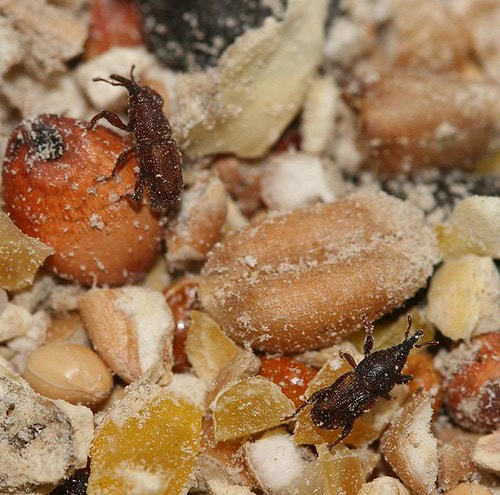
Finding worms in your bird seed can be upsetting. These worms are often insects or larvae that feed on seeds.
Knowing the types of worms helps you understand how to prevent them from damaging your bird seed.
Mealworms
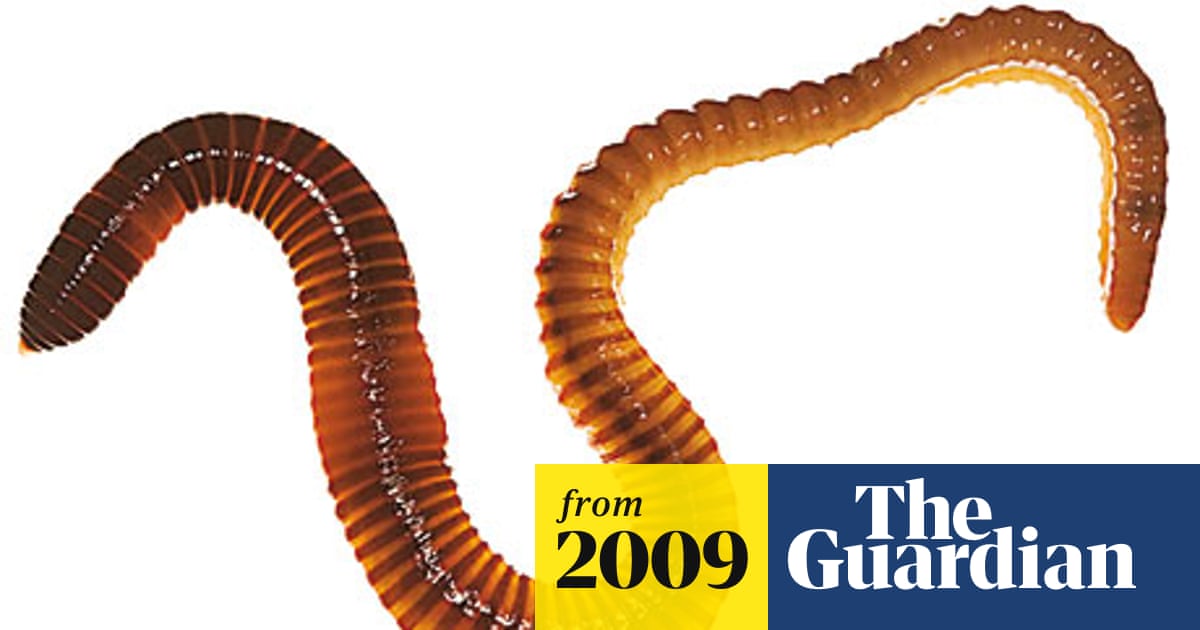
Mealworms are the larvae of darkling beetles. They look like small, light brown worms with hard shells.
These worms eat grains and bird seed, often hiding inside for protection. They can multiply fast if seed is stored long.
Grain Moths
Grain moths lay eggs in bird seed. The eggs hatch into small white or cream worms called larvae.
These larvae eat the seed from inside the bags. They also leave webs and dust, which can spoil the seed.
Weevil Larvae
Weevils are small beetles that infest bird seed. Their larvae are tiny white worms found inside the seeds.
The larvae eat the seed kernels. This damage makes the seed less healthy and less attractive to birds.

Credit: drkilligans.com
How Worms Get Into Bird Seed
Finding worms in your bird seed can be frustrating. These tiny pests can spoil the food meant for birds.
Worms usually get into bird seed before you notice. They enter through different ways during storage and handling.
Contaminated Packaging
Bird seed bags can have small holes or tears. Worms or their eggs can enter through these openings.
Sometimes packaging is not sealed properly. This allows pests to get inside before you buy the seed.
Storage Conditions
Warm and moist places help worms grow in bird seed. Poor storage makes seed a perfect home for pests.
Keeping seed in airtight containers helps stop worms. Check your storage area for humidity and temperature.
- Store seed in cool, dry places
- Use sealed containers to block pests
- Keep storage areas clean and dry
Outdoor Exposure
Bird seed left outside can attract worms and insects. Open bags and feeders are easy targets for pests.
Wind and rain can carry worm eggs to your seed. Cover seed storage and feeders to protect from outdoor pests.
Signs Of Infestation
If you find worms in your bird seed, it means bugs have invaded. These pests eat and damage the seeds. Knowing the signs helps you act fast.
Look carefully at your bird seed before feeding it to birds. Catching infestation early keeps your seed safe and fresh.
Visible Larvae
One clear sign is seeing small, white or cream-colored worms. These larvae wiggle inside the seed bag or container. They may be tiny but easy to spot.
- Larvae often appear near the top of the seed bag.
- They crawl slowly and may look like tiny caterpillars.
- Larvae feed on seeds, causing holes and dust.
Seed Clumping
Infested seed often sticks together in clumps. The worms produce webbing and waste that make seeds wet or sticky. This clumping is unusual for dry bird seed.
| Normal Seed | Infested Seed |
| Free-flowing and loose | Clumped and sticky |
| No webbing between seeds | Thin webs or silk strands visible |
| Dry and clean | Moist or dusty with debris |
Unpleasant Odors
The smell of fresh bird seed is mild and natural. If the seed smells sour, musty, or rotten, it may be infested. Worms and their droppings cause bad odors.
- Check for a damp, moldy smell.
- Strong, sour odors mean seed is spoiled.
- Throw away seed if the smell is very bad.

Credit: www.reddit.com
Health Risks For Birds
Finding worms in your bird seed can worry you about your pet’s health. These worms can harm birds in many ways. It is important to understand the risks to keep your birds safe and healthy.
Birds eating infected seed may face problems with digestion, lose important nutrients, or catch diseases. Knowing these risks helps you act fast and protect your birds.
Digestive Issues
Worms in bird seed can cause serious digestive troubles. Birds may have stomach pain, diarrhea, or vomiting. These problems make it hard for birds to absorb food and stay strong.
- Block the bird’s intestines
- Cause irritation or inflammation
- Lead to weight loss and weakness
- Make birds less active
Nutrient Depletion
Worms compete with birds for nutrients. They consume vitamins, minerals, and proteins that birds need. This causes birds to become weak and lowers their immune system.
| Effect | Impact on Bird |
|---|---|
| Loss of vitamins | Weak feathers and poor growth |
| Protein depletion | Muscle loss and fatigue |
| Mineral shortage | Bone weakness and poor health |
Disease Transmission
Worms can carry harmful germs and parasites. These germs spread to birds and cause infections. Diseases can spread fast if you do not clean the seed and feeders regularly.
Ways worms spread diseases:
- Direct contact with infected seed
- Contaminated bird feeders and water
- Feces from infected birds
Preventing Worm Infestations
Finding worms in bird seed is a common problem for bird lovers. Worms come from insect eggs laid inside the seeds.
These worms can spoil the seed and harm the birds. Preventing infestations helps keep seed fresh and safe.
Proper Storage Tips
Store bird seed in a cool, dry place to stop insects from growing. Heat and moisture cause seeds to attract pests.
Use airtight containers to keep bugs out. Clear containers also help you see if worms start to appear.
- Keep seed in a sealed plastic or metal container
- Store seed away from sunlight and heat sources
- Check storage area for dampness or leaks
Buying Quality Seed
Buy bird seed from stores that keep it fresh and dry. Old or poor-quality seed often has insect eggs already.
Choose seed that is clean and free of dust or broken pieces. Good seed is less likely to have worms inside.
- Check the seed package for freshness dates
- Buy seed in small amounts to use quickly
- Avoid seed with visible dirt or mold
Regular Seed Inspection
Look at your bird seed often to catch worms early. Remove any seed that shows signs of insects or damage.
Shake seed containers before use to spot movement or bugs inside. Early action stops infestations from spreading.
- Check seed weekly for worms or bugs
- Throw away any seed with worms or webbing
- Clean containers before refilling with fresh seed
Credit: www.theguardian.com
Quick Fixes For Infested Seed
Finding worms in your bird seed can be frustrating. These pests can spoil the food and harm your birds.
There are simple ways to fix this problem quickly. You can treat the seed at home to get rid of worms safely.
Freezing The Seed
Freezing bird seed kills worms and their eggs. Place the seed in a sealed bag before freezing.
Keep the seed in the freezer for at least 48 hours. After freezing, let the seed return to room temperature before use.
- Use a sealed plastic bag to hold the seed.
- Freeze for at least two days.
- Allow seed to thaw before feeding birds.
Heat Treatment
Heat can also kill worms in bird seed. Use a low oven temperature to warm the seed gently.
Set your oven to 120°F (about 50°C) and heat the seed for 30 minutes. Stir the seed to heat evenly.
- Preheat oven to 120°F (50°C).
- Spread seed in a thin layer on a baking sheet.
- Heat for 30 minutes, stirring once or twice.
- Cool seed before giving it to birds.
Discarding Contaminated Seed
If the seed is badly infested, throw it away. Using very dirty seed can harm your birds.
Check seed regularly to avoid large infestations. Store seed in airtight containers to prevent worms.
- Throw out seed if worms are many.
- Clean storage containers often.
- Keep seed dry and sealed.
Long-term Storage Solutions
Finding worms in your bird seed is a common problem. Proper storage can stop worms from growing inside the seed.
Using the right containers and keeping seed in good conditions helps keep it fresh and worm-free for a long time.
Airtight Containers
Airtight containers stop air and moisture from reaching the bird seed. This keeps worms and bugs away.
Plastic or metal containers with tight lids work best. Make sure the container is clean before adding new seed.
- Use containers with rubber seals
- Store small amounts to keep seed fresh
- Clean containers regularly to avoid pests
Cool, Dry Places
Worms grow fast in warm and moist places. Store bird seed in a cool, dry area to stop worm growth.
Basements or garages away from sunlight work well. Keep seed off the floor to avoid moisture.
- Avoid storing seed near heat sources
- Use shelves or pallets to keep seed dry
- Check storage area for leaks or dampness
Using Natural Repellents
Natural repellents can help keep worms out of bird seed without chemicals. Some herbs and spices work well.
Adding these repellents to storage containers can stop worms from laying eggs in the seed.
- Bay leaves act as natural insect repellents
- Cloves and cinnamon can deter bugs
- Dry neem leaves help protect seed naturally
Frequently Asked Questions
Why Are Worms In My Bird Seed?
Worms in bird seed are often mealworms or other larvae. They infest due to improper storage. Moisture and warmth create an ideal environment for these pests. To prevent this, store bird seed in a cool, dry place. Use airtight containers to keep moisture and pests out.
How Can I Prevent Worms In Bird Seed?
To prevent worms, store bird seed in airtight containers. Keep it in a cool, dry place. Regularly check the seed for moisture or infestation. Discard any affected seed immediately. Cleaning storage containers before refilling can also help prevent infestation.
Are Worms Harmful To Birds?
Most worms found in bird seed, like mealworms, are not harmful. They can even be a nutritious snack for birds. However, an infestation may reduce seed quality. It’s best to address the issue to ensure your birds receive nutritious food.
What Causes Worm Infestations In Bird Seed?
Worm infestations are often caused by moisture and warm conditions. These create an ideal environment for larvae to thrive. Improper storage can also lead to infestations. Always check seed packaging for damage before purchasing to avoid this issue.
Conclusion
Finding worms in your bird seed is common and not always bad. These worms come from eggs laid by insects before you bought the seed. Storing seed in a cool, dry place helps keep worms away. Regularly checking and cleaning your bird feeders stops bugs from growing.
Using fresh seed also reduces the chance of worms. Birds usually eat the seed without problems, even if worms are present. Taking simple steps can keep your bird seed clean and safe. Enjoy feeding birds without worry.