Have you ever wondered how to feed a bird a worm safely and effectively? It might sound simple, but there’s a right way to do it that helps both you and the bird stay comfortable and happy.
Whether you want to help a pet bird, care for wild birds, or just satisfy your curiosity, knowing the best steps can make all the difference. Keep reading, and you’ll discover easy tips that anyone can follow to make feeding a bird a worm a smooth and rewarding experience.
Choosing The Right Worm
Feeding birds a worm can be a fun and natural way to provide food. Picking the right worm is important for the bird’s health and safety.
Not all worms are safe or suitable for birds. Knowing the types and where to find fresh worms helps you feed birds properly.
Types Of Worms Suitable For Birds
Birds eat different kinds of worms. Some worms are better for birds because they are easier to digest and safer.
- Earthworms: These are common and easy for birds to eat.
- Red Wigglers: Used in compost, they are soft and good for small birds.
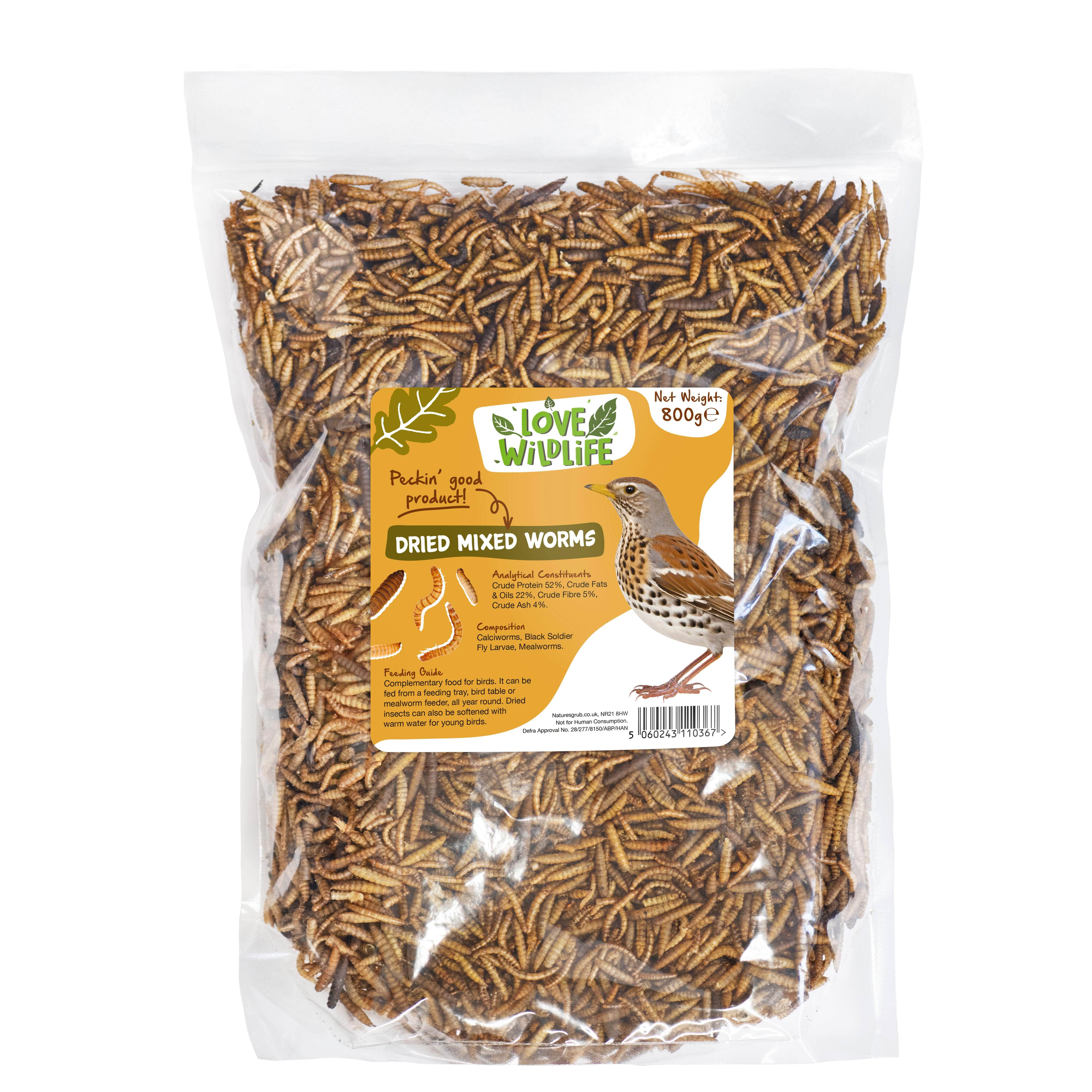
- Mealworms: Though not true worms, they are popular as bird food.
- Nightcrawlers: Large earthworms that are nutritious for bigger birds.
Where To Find Fresh Worms
Fresh worms are best to feed birds. Old or dry worms may harm them or cause illness.
| Source | How to Find | Tip |
| Garden Soil | Dig in moist soil after rain | Look under leaves and logs |
| Compost Pile | Check warm, damp compost | Use red wigglers for safety |
| Worm Farms | Buy online or local stores | Keep worms in cool, moist containers |
| Near Water | Look at riverbanks or ponds | Choose clean areas to avoid contamination |
Preparing The Worm
Feeding a bird a worm starts with preparing the worm properly. This helps keep the bird safe and interested.
Two main steps include cleaning the worm and deciding whether to cut it or leave it whole.
Cleaning The Worm
Cleaning the worm removes dirt and germs that may harm the bird. Rinse the worm gently under cool water. Avoid harsh scrubbing to keep the worm intact.
- Use fresh, clean water to rinse the worm
- Gently remove any dirt or debris
- Pat the worm dry with a clean paper towel
- Do not use soap or chemicals
Cutting Or Leaving Whole
Decide if you want to cut the worm or feed it whole. Small birds may find it easier to eat pieces. Larger birds can handle a whole worm.
| Bird Size | Recommended Worm Preparation |
| Small Birds | Cut into small pieces |
| Medium Birds | Cut in half or leave whole |
| Large Birds | Leave whole |
Approaching The Bird
Feeding a bird a worm takes patience and care. You need to approach the bird slowly to avoid scaring it away.
Understanding how to gain the bird’s trust and handle it safely is important for a positive experience.
Gaining The Bird’s Trust
Birds are cautious creatures. To feed them, you must first earn their trust by being calm and gentle.
- Move slowly and avoid sudden actions.
- Speak softly if you talk to the bird.
- Offer food from your hand without forcing it.
- Give the bird time to get used to your presence.
- Keep your hands steady and relaxed.
Safe Handling Techniques
Handling a bird carefully prevents injury to both you and the bird. Use gentle techniques to hold it.
| Technique | Description |
| Support the body | Hold the bird’s body with one hand to avoid stress. |
| Hold wings gently | Keep wings close to prevent flapping and harm. |
| Use soft grip | Apply light pressure to avoid hurting the bird. |
| Keep calm | Stay quiet and slow to keep the bird relaxed. |

Credit: www.youtube.com
Feeding Techniques
Feeding a bird a worm needs gentle care and patience. Using the right techniques helps the bird eat safely.
Birds react best to calm movements and soft handling. This guide covers how to feed by hand and with tools.
Hand Feeding Tips
Feeding a bird by hand requires slow and steady actions. Keep your hands clean and dry before feeding.
- Hold the worm gently between your fingers.
- Offer the worm close to the bird’s beak.
- Wait for the bird to take the worm without forcing it.
- Keep your hands still to avoid startling the bird.
- If the bird refuses, try again after a short break.
Using Feeding Tools
Feeding tools help deliver worms safely to birds. Tweezers or forceps are common tools for this task.
| Tool | Use | Tip |
| Tweezers | Hold worm securely | Pick soft, flexible tweezers |
| Forceps | Reach into nests or cages | Clean before each use |
| Feeding Spoon | Feed small pieces | Use shallow spoons for control |
Signs The Bird Is Ready
Feeding a bird a worm takes patience. You must watch for signs that the bird is ready to eat from your hand.
Birds show clear signals before they accept food. Knowing these signs helps you feed them safely and easily.
Behavioral Cues
Birds often become more active when they are ready to eat. They may call softly or move closer to you.
Look for signs like flapping wings or pecking near your hand. These actions show interest in the worm.
- Soft chirping or calling sounds
- Hopping closer to your hand
- Opening their beak slightly
- Pecking at nearby objects
Body Language To Watch For
Birds use body movements to tell you they want food. Watch their head, beak, and wing positions.
A bird ready to eat may tilt its head and fix its eyes on the worm. It may also lean forward to reach it.
- Head tilting toward the worm
- Eyes focused on the worm
- Leaning or stretching forward
- Relaxed wings, not spread wide
Common Challenges
Feeding a bird a worm can be tricky. Birds may not always accept the worm right away. Knowing common problems helps you feed birds better.
Two main challenges are bird hesitation and worm rejection. Each needs a different approach to solve.
Bird Hesitation
Birds often hesitate to take a worm from your hand. They might be scared or unsure if the worm is safe.
- Stay calm and move slowly to avoid scaring the bird.
- Offer the worm at eye level so the bird can see it clearly.
- Be patient; some birds take time to trust you.
- Try feeding in a quiet place with few distractions.
- Use small worms that look less threatening.
Worm Rejection
Sometimes birds reject the worm after taking it. They may find it too big or unfamiliar.
| Reason | What to Do |
| Worm too big | Cut the worm into smaller pieces |
| Worm not fresh | Use fresh, lively worms |
| Bird prefers other food | Try different types of worms or insects |
| Worm smells strange | Rinse worms gently with water |
| Bird is full | Feed at different times when the bird is hungry |
Maintaining Bird Health
Feeding a bird a worm can help keep it healthy. Birds need good care and the right food. Proper feeding supports their energy and growth.
To keep birds healthy, focus on how often you feed them and what nutrients they get. Both affect their well-being a lot.
Feeding Frequency
Birds need regular feeding to stay active. Young birds eat more often than adults. Small birds also need frequent meals.
- Feed young birds every 20 to 30 minutes from dawn to dusk.
- Feed adult birds two to three times a day.
- Watch for signs of hunger or fullness.
- Adjust feeding based on the bird’s activity level.
Nutritional Balance
Worms provide protein but birds need other nutrients too. A balanced diet keeps their feathers shiny and bones strong.
| Food Type | Benefit | Examples |
| Protein | Builds muscles | Worms, insects |
| Carbohydrates | Gives energy | Seeds, fruits |
| Fats | Supports brain and energy | Nuts, seeds |
| Vitamins & Minerals | Boosts immunity | Leafy greens, berries |
Credit: thebirdfoodwarehouse.co.uk

Credit: www.livingwithbirds.com
Frequently Asked Questions
How Do I Safely Feed A Bird A Worm?
Use live or thawed worms to ensure freshness. Offer worms gently by hand or place them on a clean surface. Avoid feeding birds too many worms at once to prevent choking.
What Type Of Worms Are Best For Feeding Birds?
Mealworms and earthworms are ideal for birds. They are nutritious and easy to handle. Avoid worms from treated soil to prevent harming birds.
When Is The Best Time To Feed Birds Worms?
Feed birds worms early morning or late afternoon. Birds are most active and hungry during these times. This timing increases the chances they will eat the worms.
Can Feeding Worms Harm Wild Birds?
Feeding worms in moderation is safe and healthy for birds. Avoid overfeeding to prevent dependency on humans. Always provide fresh, pesticide-free worms to protect their health.
Conclusion
Feeding birds can be a fun and rewarding experience. It requires patience and care. Ensure the worm is fresh and clean. Gently offer it to the bird. Watch for its reaction and adjust your method. Always prioritize the bird’s comfort and safety.
Practice makes perfect in this simple task. With time, you’ll become more confident. Birds are fascinating creatures. Your effort to feed them helps build trust. Remember to enjoy the process and observe nature closely. Happy bird feeding!