Have you ever wondered which birds enjoy both seeds and worms as part of their diet? If you’re curious about the birds visiting your garden or park, understanding what they eat can help you attract them more easily.
Knowing which birds eat seeds and worms gives you the power to create the perfect environment for them. Keep reading, and you’ll discover surprising facts that will change how you feed and watch these fascinating creatures. Your next birdwatching experience is about to get a lot more exciting!
Common Seed And Worm Eaters
Many birds eat seeds and worms to get the energy they need. Seeds give them nutrients and worms offer protein.
Some birds mostly eat seeds, while others hunt worms. Both types of food help birds survive in different environments.
Birds That Thrive On Seeds
Birds that eat seeds often have strong, thick beaks. These beaks help them crack open hard seed shells.
They find seeds in plants, trees, and on the ground. These birds can eat many types of seeds all year round.
- Finches use their sharp beaks to crack seeds.
- Cardinals eat sunflower seeds and grains.
- Grosbeaks prefer large seeds and nuts.
- Chickadees eat seeds from pine cones.
- Sparrows eat grass seeds and weed seeds.
Birds That Hunt Worms
Birds that eat worms usually search on the ground or in soft soil. Worms are a good source of protein and moisture.
These birds often have long, thin beaks that help them dig or pick worms from the earth.
- Robins are well known for pulling worms out of lawns.
- Thrushes find worms after rain or in soft soil.
- Starlings eat worms and insects in fields.
- Wrens hunt worms in leaf piles and under logs.
- Woodpeckers sometimes eat worms from tree bark.

Credit: www.foodforbirds.co.uk
Adaptations For Diverse Diets
Birds that eat seeds and worms have special traits to help them find and eat food. These traits help them survive in different environments.
They use their bodies and skills to get the food they need. This lets them eat many types of food easily.
Beak Shapes For Different Foods
Birds have different beak shapes to eat seeds or worms well. Each shape helps them handle their favorite foods better.
Seed-eating birds have strong, thick beaks to crack hard shells. Birds that eat worms have long, thin beaks to dig in soil.
- Thick beaks break open tough seed shells.
- Long, pointed beaks help catch worms underground.
- Some birds use curved beaks to pick seeds from plants.
Foraging Techniques
Birds use different ways to find seeds and worms. They watch carefully and move in special ways to find food.
Some birds dig in dirt to find worms. Others look for seeds on the ground or in plants.
- Probing: Using the beak to dig into soil for worms.
- Pecking: Hitting seed pods to open them.
- Gleaning: Picking seeds from leaves or branches.
Habitats Supporting Versatile Eaters
Many birds eat both seeds and worms to get the nutrients they need. These birds live in different habitats that provide food options. Understanding these habitats helps us learn about their habits.
Birds that eat seeds and worms are found in places where both food types are easy to find. These habitats include gardens, cities, forests, and grasslands.
Gardens And Urban Areas
Gardens and urban areas offer many seeds from plants and leftover food. Worms live in soil and compost piles here. Birds like sparrows and robins often visit these places.
These birds search the ground for worms and pick seeds from feeders or plants. They adapt well to human spaces, finding food all year round.
- Sparrows eat seeds from feeders and worms from soil.
- Robins hunt worms in lawns and eat berries or seeds.
- Finches eat mostly seeds but will take worms if needed.
Forests And Grasslands
Forests and grasslands have rich soils that support many worms. Birds such as thrushes and blackbirds find plenty of worms here. They also eat seeds from trees and grasses.
These habitats provide natural food sources. Birds feed on seeds from plants in open areas and dig for worms in soft soil.
- Thrushes eat worms hidden in leaf litter and seeds from plants.
- Blackbirds forage for worms in grasslands and consume seeds.
- Many small birds switch between seeds and worms based on availability.

Credit: www.shutterstock.com
Benefits Of Eating Seeds And Worms
Birds that eat seeds and worms get a mix of nutrients. This diet helps them stay healthy and active.
Seeds provide energy, while worms add protein and vitamins. Together, they support a bird’s growth and survival.
Nutritional Balance
Seeds give birds carbohydrates and fats. These nutrients give birds energy to fly and keep warm.
Worms add protein and minerals. Protein helps build strong muscles and repair tissues.
- Seeds provide essential fats for energy
- Worms supply protein for muscle growth
- Minerals from worms boost bone strength
- Vitamins support overall health and immunity
Seasonal Food Availability
Bird diets change with the seasons. Seeds are more common in fall and winter. Worms appear more in spring and summer.
| Season | Common Food |
| Spring | Worms |
| Summer | Worms |
| Fall | Seeds |
| Winter | Seeds |
Attracting Versatile Birds To Your Yard
Many birds enjoy seeds and worms as part of their diet. Offering these foods can attract a variety of birds to your yard. These birds help keep insects under control and add life to your outdoor space.
Understanding what feeders to use and how to create a worm-friendly habitat can increase the number of birds visiting. This guide covers simple ways to welcome these versatile birds.
Choosing The Right Feeders
Use feeders that hold seeds and allow birds to feed easily. Different birds prefer different feeder types. Some prefer platforms, while others like tube or hopper feeders.
- Platform feeders work well for ground-feeding birds.
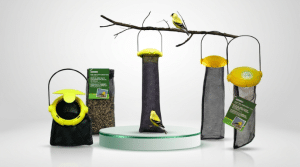
- Tube feeders keep seeds dry and attract finches and chickadees.
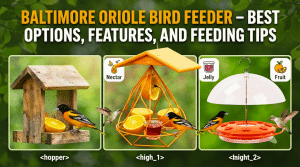
- Hopper feeders hold more food and attract larger birds.
- Use mesh feeders for sunflower seeds to attract cardinals and grosbeaks.
- Keep feeders clean to prevent disease.
Creating A Worm-friendly Environment
Worms are a favorite food for many bird species. You can make your yard worm-friendly to attract these birds. Moist, rich soil and leaf litter create good conditions for worms.
| Action | Details |
| Soil Moisture | Keep soil damp but not waterlogged |
| Leaf Litter | Allow leaves to accumulate in garden corners |
| Compost | Add organic compost to improve soil quality |
| Avoid Chemicals | Do not use pesticides or fertilizers harmful to worms |
| Mulching | Use natural mulch to retain moisture |
Notable Species With Mixed Diets
Many birds eat both seeds and worms. This mixed diet helps them stay healthy all year.
These birds get protein from worms and energy from seeds. It makes their diet balanced.
Robins
Robins eat a mix of worms, insects, and seeds. They hunt worms mostly on the ground.
Seeds help robins in winter when insects are scarce. They switch food based on the season.
Sparrows
Sparrows enjoy eating seeds and small insects. Worms are part of their diet, too.
They often forage on the ground and in bushes. This helps them find a variety of food.
Finches
Finches mostly eat seeds but also catch worms and insects. This adds protein to their meals.
They have strong beaks to crack seeds and can spot worms in soil or leaves.

Credit: valleyfarms.shop
Frequently Asked Questions
What Birds Commonly Eat Seeds And Worms?
Birds like robins, sparrows, and finches often eat both seeds and worms. These birds adapt their diet based on availability and season, ensuring balanced nutrition.
Why Do Some Birds Eat Both Seeds And Worms?
Eating both seeds and worms provides birds with essential nutrients. Seeds offer carbohydrates and fats, while worms supply protein, supporting growth and energy needs.
How Do Birds Find Worms In Soil?
Birds locate worms by sensing vibrations or sighting movement in the soil. They often probe the ground with their beaks to catch worms hidden underground.
Can Feeding Seeds And Worms Attract More Birds?
Yes, providing seeds and worms attracts a wider variety of birds. This diverse food supply supports different species’ dietary preferences and encourages regular visits.
Conclusion
Birds that eat seeds and worms are fascinating creatures. They adapt well to various environments. These birds play a vital role in ecosystems. They help control insect populations. They also aid in seed dispersal. Common examples include sparrows and robins.
Such birds often visit gardens and parks. Observing them can be a delightful experience. By providing food and shelter, you can attract them. This not only benefits the birds but enriches your surroundings. Enjoy watching their behaviors and interactions. They add charm and life to any outdoor space.
Encourage biodiversity by supporting these feathered friends.