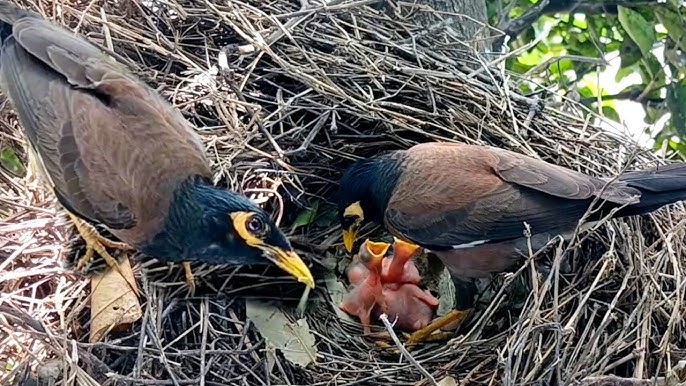
Have you ever found a baby bird that needs help eating? It can be tough to know what to do, especially when the little one won’t eat on its own.
If you want to learn how to get a baby bird to eat a worm safely and easily, you’re in the right place. This guide will give you simple, clear steps to make sure the bird gets the food it needs to grow strong and healthy.
Keep reading, and you’ll discover tips that anyone can use—even if you’ve never cared for a baby bird before.
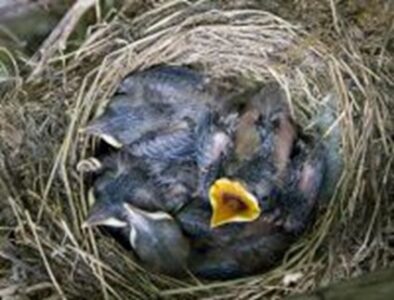
Credit: irishwildlifematters.ie
Recognize A Baby Bird In Need
Finding a baby bird can be surprising. It is important to know if it needs help. Not all young birds need to be rescued.
Some birds leave the nest before they can fly well. They may look weak or hungry. Knowing the signs helps you decide what to do.
Signs Of Hunger
Baby birds show clear signs when they are hungry. You can watch their behavior and body language to see if they need food.
- Open mouth wide and repeatedly begging
- Soft chirping or calling for food
- Appearing weak or lethargic
- Staying still and not moving much
- Fluffed up feathers to keep warm
When To Intervene
Intervene only if the bird is clearly in danger or injured. If the parents are nearby, it is best to leave the bird alone.
| Condition | Action |
| Bird is cold or wet | Move to a safe, warm place |
| Bird shows no signs of feeding | Contact a wildlife rehabilitator |
| Bird is injured or bleeding | Seek help from professionals immediately |
| Parents are nearby and feeding | Do not disturb the bird |

Credit: m.youtube.com
Choose The Right Worms
Feeding a baby bird requires careful choice of worms. The right worms provide essential nutrients for growth.
Not all worms are safe or healthy for baby birds. Picking suitable worms helps the bird eat well and stay healthy.
Types Of Worms Suitable For Baby Birds
Baby birds prefer soft, small worms that are easy to swallow. Avoid worms that are too big or tough.
- Earthworms: Soft and nutritious, earthworms are often the best choice.
- Mealworms: Small and easy to digest, mealworms are good for baby birds.
- Waxworms: These are fatty and tasty but should be given in moderation.
- Red worms: Also called compost worms, they are soft and safe for young birds.
Where To Find Fresh Worms
Fresh worms are best for feeding baby birds. Old or dried worms lose nutrients and can harm the bird.
Look for worms in moist soil or garden areas. Worms found in healthy soil are cleaner and safer to use.
- Dig gently in your garden after rain to find earthworms.
- Check compost bins for red worms used in composting.
- Purchase live mealworms or waxworms from pet stores.
- Keep worms in a cool, moist container to keep them fresh before feeding.
Prepare The Worms Safely
Feeding baby birds worms needs care and safety. You must clean and handle worms properly before feeding. This helps keep the baby bird healthy.
Cutting worms to the right size is important. Small pieces are easier for baby birds to eat and digest.
Cleaning And Handling
Worms may carry dirt or germs. Clean them gently to remove harmful parts. Use cool water and avoid harsh soaps or chemicals.
- Rinse worms in clean, cool water
- Gently wipe off visible dirt
- Do not soak worms for too long
- Handle worms with clean hands or gloves
- Use worms fresh from a trusted source
Cutting Worms To Appropriate Size
Baby birds have small mouths. Cutting worms into small pieces helps them eat safely. Use scissors or a sharp knife for clean cuts.
| Bird Age | Recommended Worm Size |
|---|---|
| 1–3 days old | 1/4 inch (6 mm) |
| 4–7 days old | 1/2 inch (12 mm) |
| 8–14 days old | 3/4 inch (19 mm) |
| 15+ days old | Full worm or larger pieces |
Feeding Techniques
Feeding a baby bird can be delicate work. You need to use gentle methods that help the bird eat comfortably.
Different feeding techniques help the baby bird learn to eat and grow strong. This guide covers useful tips and tools.
Hand-feeding Tips
Hand-feeding is a close way to feed a baby bird. Use soft, small pieces of food to avoid choking. Keep the bird calm and steady.
- Hold the bird gently but firmly
- Offer small bits of food on your finger or a spoon
- Feed slowly to let the bird swallow safely
- Keep the feeding area clean to avoid infections
- Warm the food to the right temperature
Using Feeding Tools
Use proper feeding tools to make feeding easier. Tools help control the food amount and avoid spills.
| Tool | Use | Care Tips |
| Small Spoon | Feed soft food gently | Clean after each use |
| Dropper | Feed liquid food slowly | Check for blockages |
| Forceps | Hold worms or insects | Handle carefully to avoid harm |
Encouraging Natural Pecking
Encourage the baby bird to peck food naturally. This helps it learn to eat by itself and build strength.
Try these methods to help the bird peck:
- Place small worms on a flat surface
- Gently tap food near the bird’s beak
- Use your finger to mimic worm movement
- Reward pecking with praise or gentle petting
Create A Comfortable Feeding Environment
Feeding a baby bird can be delicate. It is important to make the space cozy and safe.
A calm and warm place helps the bird eat well and stay healthy.
Warmth And Shelter
Baby birds need warmth to digest food properly. Keep the feeding area away from drafts and cold spots.
- Use a soft cloth or towel to line the feeding area.
- Place a heating pad under half of the container, set on low.
- Ensure the bird can move away from heat if it feels too warm.
- Keep the area quiet and shielded from bright lights.
Minimizing Stress For The Bird
Stress can stop a baby bird from eating. Keep noise and sudden movements low.
| Cause of Stress | How to Reduce It |
| Loud noises | Feed in a quiet room |
| Bright lights | Use dim lighting or natural light |
| Too much handling | Limit handling during feeding times |
| Other pets nearby | Keep pets out of the feeding area |
Monitor Baby Bird’s Health
Feeding a baby bird a worm is not just about the food. You must watch its health closely. Good health shows the bird is eating well.
Check the baby bird often for signs of strength and energy. This helps you know if it needs more care or different food.
Signs Of Proper Nutrition
A baby bird that eats enough worms will grow strong and active. Its feathers will look smooth and bright.
Good signs include a clean mouth and steady weight gain. The bird will be alert and respond to sounds and movement.
- Bright eyes and smooth feathers
- Steady weight increase
- Strong, steady breathing
- Active movements and responses
- Clean beak and mouth area
When To Seek Expert Help
If the baby bird looks weak or stops eating worms, get help fast. Signs like drooping wings or closed eyes need urgent care.
Contact a wildlife rehabilitator or vet if you see these signs. They can give the right treatment and advice for the bird.
- Refusing food or weak feeding response
- Fluffed-up feathers and cold body
- Labored breathing or wheezing sounds
- Injuries or bleeding
- Unusual droppings or diarrhea
Transitioning To Independent Feeding
Helping a baby bird learn to feed itself is an important step. This transition ensures the bird grows strong and healthy.
Careful guidance is needed to encourage independence without causing stress.
Encouraging Self-feeding
Offer soft worms or small insects that the baby bird can hold easily. Place the food close to the bird so it can explore.
- Put food on a shallow dish or your fingers.
- Let the bird peck at the food itself.
- Cheer quietly to build confidence.
- Keep feeding sessions short but frequent.
- Watch and learn the bird’s progress.
Gradual Reduction Of Assistance
Slowly give less help as the bird eats more on its own. This builds its skills and independence.
| Day | Assistance Level | Notes |
| 1-2 | Full support | Hand-feed worms carefully |
| 3-5 | Partial support | Offer food near the bird, encourage pecking |
| 6-8 | Minimal support | Place food in dish, only help if needed |
| 9+ | Independent | Bird feeds itself fully |
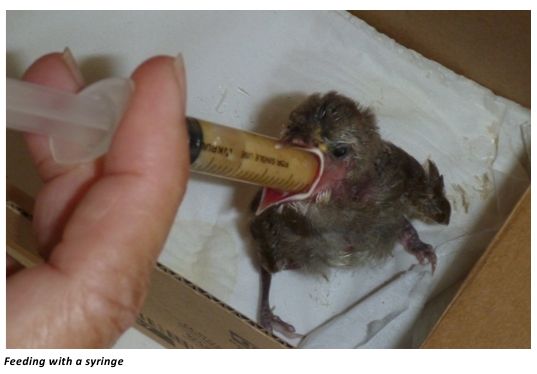
Credit: besgroup.org
Frequently Asked Questions
How Do I Safely Feed A Baby Bird A Worm?
Use tweezers to gently hold the worm near the bird’s beak. Avoid forcing the worm inside. Let the bird peck at it naturally. Ensure the worm is small and fresh for easy swallowing.
What Type Of Worms Are Best For Baby Birds?
Small, earthworms or mealworms are ideal for baby birds. They are easy to digest and rich in nutrients. Avoid large or treated worms to prevent harm. Always source worms from a safe, chemical-free environment.
How Often Should I Feed A Baby Bird Worms?
Feed baby birds every 15 to 20 minutes during daylight. Young birds need frequent feeding for proper growth. Adjust frequency as the bird grows and starts eating independently.
Can I Feed Cooked Worms To A Baby Bird?
No, baby birds require live or freshly killed worms. Cooking removes essential nutrients and alters texture. Always provide raw worms to ensure proper nutrition and encourage natural feeding behavior.
Conclusion
Helping a baby bird eat worms takes patience and care. Start slow. Use small pieces and offer gently. Observe the bird’s response carefully. Be patient and consistent. Ensure the environment feels safe and calm. Practice regularly to build trust. Always prioritize the bird’s comfort and safety.
With time, the bird will learn to eat on its own. Remember, each bird is unique. Some learn faster, others need more time. Enjoy the process and bond with your feathered friend. Your efforts will help the bird grow strong and healthy.