
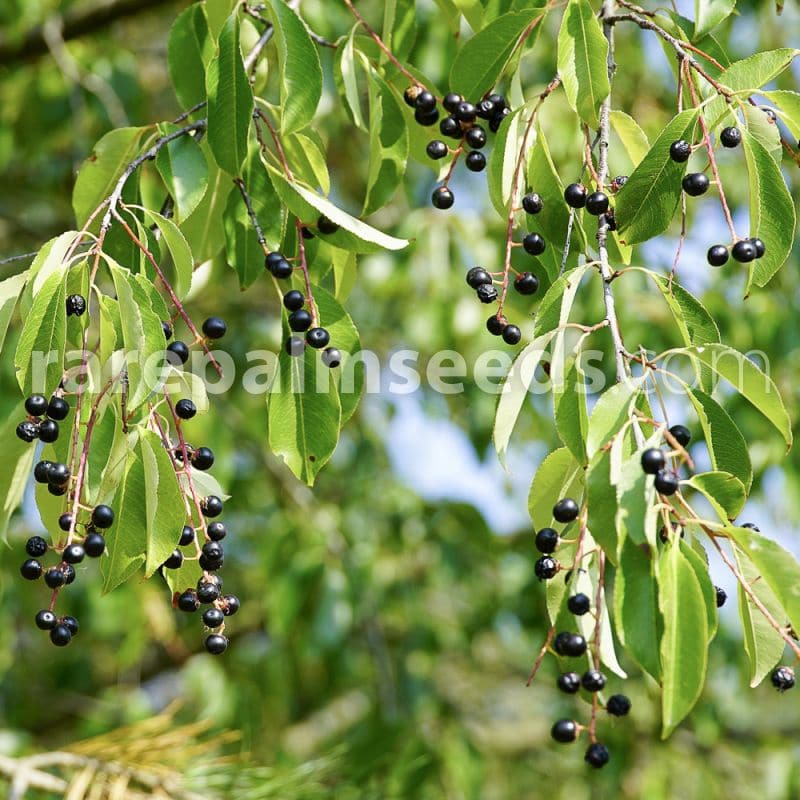
Have you ever come across bright, shiny bird cherry berries and wondered if they are safe to eat? You’re not alone.
These small fruits look tempting, but you might be asking yourself, “Are bird cherry berries poisonous? ” Knowing the answer could protect you and your loved ones from unexpected harm. You’ll discover the truth about these berries, how they affect your health, and what to do if you come into contact with them.
Keep reading to stay safe and informed.
Bird Cherry Plant Basics
The bird cherry plant is a small tree or large shrub. It produces small berries that look like cherries. Many wonder if these berries are poisonous.
This article explains the plant’s appearance, growth, and where it commonly grows.
Appearance And Growth
The bird cherry has smooth bark and slender branches. Its leaves are long and pointed with fine teeth on the edges. In spring, it grows clusters of small white flowers. The berries start green and turn black as they ripen.
- Height: Usually 15 to 30 feet tall
- Leaves: Dark green, lance-shaped, and shiny
- Flowers: Small, white, and grow in tight clusters
- Berries: Small, black when ripe, and round
Common Habitats
Bird cherry plants grow in many places. They prefer moist soil and can be found near rivers and in woodlands. They also grow well in parks and gardens.
| Habitat | Description |
| Woodlands | Shaded areas with rich soil |
| Riverbanks | Moist soil near flowing water |
| Parks and Gardens | Planted for decoration and shade |
| Roadsides | Often found along roads in rural areas |
Credit: practicalselfreliance.com
Composition Of Bird Cherry Berries
Bird cherry berries grow on the Prunus padus tree. These small dark berries have a mix of nutrients and chemicals. It is important to know what they contain before eating them.
The composition includes useful nutrients and some toxic compounds. Understanding these helps you decide if the berries are safe.
Nutritional Elements
Bird cherry berries have vitamins and minerals. They also contain fiber and some natural sugars. These elements can support health in small amounts.
- Vitamin C
- Dietary fiber
- Natural sugars like glucose and fructose
- Small amounts of potassium
- Antioxidants such as flavonoids
Toxic Compounds Present
Bird cherry berries contain substances that can be harmful. The main concern is cyanogenic glycosides. These compounds release cyanide when digested.
| Toxic Compound | Description | Effect |
| Cyanogenic glycosides | Natural chemicals in seeds and skin | Can release cyanide causing poisoning |
| Tannins | Found in berry skin and leaves | May cause stomach upset in large amounts |
| Hydrocyanic acid | Produced from cyanogenic glycosides | Highly toxic if consumed in high doses |
Toxicity Levels In Bird Cherry Berries
Bird cherry berries come from the Prunus padus tree. These berries look small and dark purple or black. Many people wonder if they are safe to eat.
Bird cherry berries contain certain chemicals that can be toxic. The level of danger depends on how much is eaten and how the berries are prepared.
Effects On Humans
Eating raw bird cherry berries can cause stomach pain and nausea. The seeds inside the berries have cyanogenic compounds that release cyanide.
Small amounts might not cause severe problems, but large amounts can be harmful. Cooking or drying the berries reduces their toxicity.
- Symptoms include nausea, vomiting, and stomach cramps
- Large amounts can cause dizziness and breathing trouble
- Children are more at risk from poisoning
- Cooked berries are much safer to eat
Effects On Animals
Many animals eat bird cherry berries without harm. Birds can digest the berries safely and help spread the seeds.
Some mammals may get sick if they eat too many berries. Grazing animals usually avoid these berries because of their bitter taste.
- Birds eat berries and spread seeds
- Some mammals avoid berries due to bitterness
- Large amounts can cause mild poisoning in animals
- Animals have different tolerance levels than humans
Credit: practicalselfreliance.com
Symptoms Of Bird Cherry Poisoning
Bird cherry berries contain chemicals that can be harmful if eaten. Symptoms of poisoning can vary depending on how much was consumed. It is important to recognize the signs early.
This guide explains the mild and severe reactions caused by bird cherry poisoning. Knowing these symptoms helps in seeking the right treatment quickly.
Mild Reactions
Mild reactions usually happen after eating a small amount of bird cherry berries. These symptoms may go away on their own but still need attention.
- Nausea or upset stomach
- Mild headache
- Light dizziness
- Stomach cramps
- Vomiting
Severe Reactions
Severe reactions need immediate medical help. They appear after eating a large number of berries or if the person is very sensitive.
| Symptom | Description |
| Severe abdominal pain | Strong, sharp pain in the stomach area |
| Breathing difficulties | Shortness of breath or wheezing |
| Rapid heartbeat | Heart beats faster than normal |
| Confusion | Difficulty thinking clearly or staying alert |
| Loss of consciousness | Fainting or passing out |
Safe Consumption Tips
Bird cherry berries can be edible but need careful handling. Eating them safely depends on knowing how to identify and prepare them.
Incorrect use may cause mild stomach upset. Follow these tips to enjoy them safely.
Proper Identification
Correctly identifying bird cherry berries is the first step for safe consumption. They grow in clusters and are shiny black when ripe.
- Leaves are narrow with serrated edges.
- Flowers appear as small white clusters in spring.
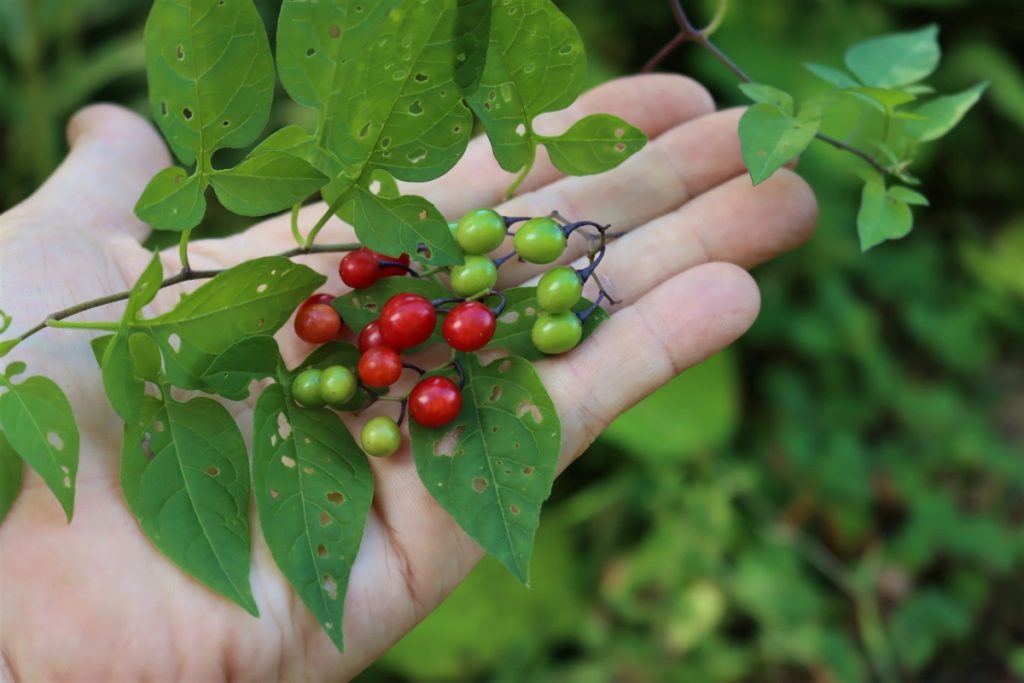
- Berries turn from red to black as they ripen.
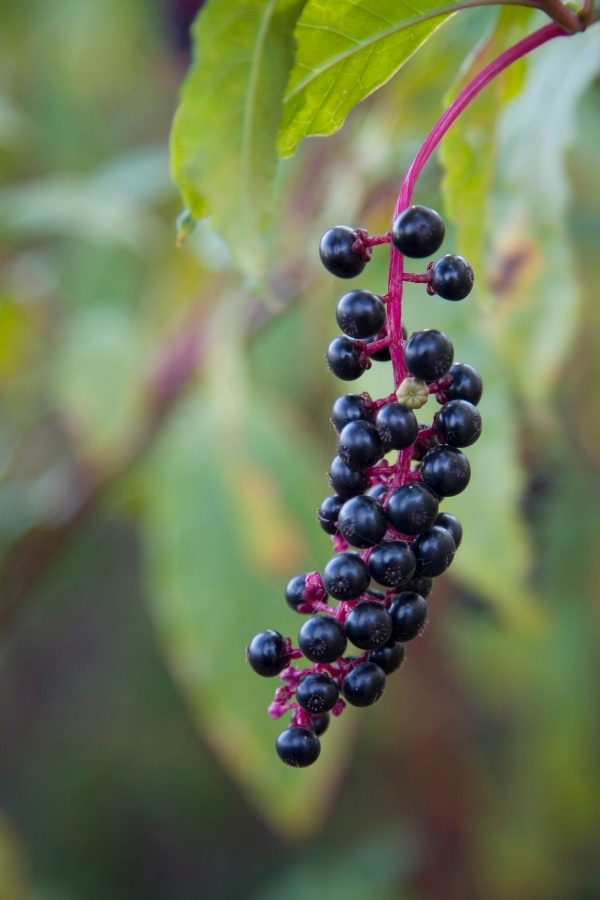
- Avoid berries from unknown or similar-looking plants.
Preparation Methods
Proper preparation reduces any mild toxins in bird cherry berries. Cooking is essential before eating.
| Preparation Step | Purpose | Details |
| Washing | Remove dirt and insects | Rinse berries under cold water thoroughly |
| Cooking | Break down toxins | Boil or simmer berries for at least 10 minutes |
| Straining | Remove solids | Use a fine sieve to separate cooked berries from juice |
| Sweetening | Improve taste | Add sugar or honey if desired |
Alternatives To Bird Cherry Berries
Bird cherry berries can be harmful if eaten. Many people look for safe and tasty substitutes. There are many edible berries you can enjoy instead.
Choosing safe berries is important. You should also follow good rules when picking wild berries outdoors.
Edible Berry Varieties
These berries are safe and easy to find. They offer good flavor and nutrition.
- Blueberries – sweet and rich in antioxidants
- Raspberries – soft, red, and full of vitamins
- Blackberries – dark and juicy with a tart taste
- Strawberries – bright red and popular worldwide
- Cranberries – tart berries often used in sauces
Safe Foraging Practices
Foraging wild berries can be fun but risky. Follow these steps to stay safe and healthy.
- Learn to identify berries correctly before picking
- Pick berries from clean areas, away from roads and pollution
- Do not eat berries if you are unsure about them
- Wash all berries thoroughly before eating
- Start with small amounts to check for allergic reactions

Credit: foragerplants.blogspot.com
Frequently Asked Questions
Are Bird Cherry Berries Toxic To Humans?
Bird cherry berries contain compounds that can be mildly toxic if eaten raw. Cooking or processing reduces toxicity. Small amounts usually cause minor discomfort. Avoid consuming large quantities or raw berries to prevent poisoning symptoms like nausea or stomach pain.
Can Bird Cherry Berries Harm Pets?
Yes, bird cherry berries can be harmful to pets. They contain cyanogenic compounds that may release cyanide when ingested. Symptoms include vomiting, difficulty breathing, and lethargy. Keep pets away from these berries to ensure their safety.
What Parts Of Bird Cherry Are Poisonous?
The seeds and leaves of bird cherry contain toxic substances. The fruit flesh is less toxic but still should be consumed with caution. Proper processing or cooking is necessary to reduce toxicity and make parts safe for consumption.
How To Identify Bird Cherry Berries?
Bird cherry berries are small, dark purple to black, and grow in clusters. They resemble cherries but are smaller and less sweet. Leaves are lance-shaped with serrated edges. Accurate identification prevents accidental ingestion of toxic berries.
Conclusion
Bird cherry berries can be confusing. Some are safe, others toxic. It’s key to know the difference. Always research before consuming. Local wildlife experts can help. Keep pets and kids safe. Educate them about the berries. Remember, safety first when foraging.
Enjoy nature’s bounty responsibly.



