Have you ever heard the saying, “The early bird gets the worm”? It’s one of those phrases that pops up everywhere.
But have you ever stopped to wonder if it’s just a tired cliché or if there’s real truth behind it? You might think it’s simple advice about waking up early, but there’s more to uncover. You’ll discover why this old saying still matters—or if it’s time to leave it behind.
Keep reading to find out how this idea can really impact your life and success.
Origins Of The Phrase
The phrase “The early bird gets the worm” is common in English. It means that people who start early have a better chance to succeed.
This saying is often used to encourage promptness and hard work. Its roots go back many years, across different cultures.
Historical Background
The phrase first appeared in English in the 1600s. It likely comes from observing birds that find food early in the morning.
- John Ray, an English author, used a similar phrase in 1670.
- The phrase was popularized in the 19th century by American writer Benjamin Franklin.
- It reflects the idea that acting early leads to rewards.
Cultural Variations
Many cultures have similar sayings about starting early. These phrases show the value of being prompt in life.
| Culture | Equivalent Saying | Meaning |
| Chinese | 早起的鸟儿有虫吃 (zǎo qǐ de niǎo ér yǒu chóng chī) | Early birds get worms |
| German | Morgenstund hat Gold im Mund | The morning hour has gold in its mouth |
| Spanish | A quien madruga, Dios le ayuda | God helps those who rise early |
| French | L’avenir appartient à ceux qui se lèvent tôt | The future belongs to those who get up early |

Credit: www.reddit.com
Meaning Behind The Saying
The phrase “The early bird gets the worm” is very common. Many people hear it often. It tells us about being early or on time.
This saying is used to encourage people to start their work or tasks early. It suggests that those who act quickly have more success.
Literal Interpretation
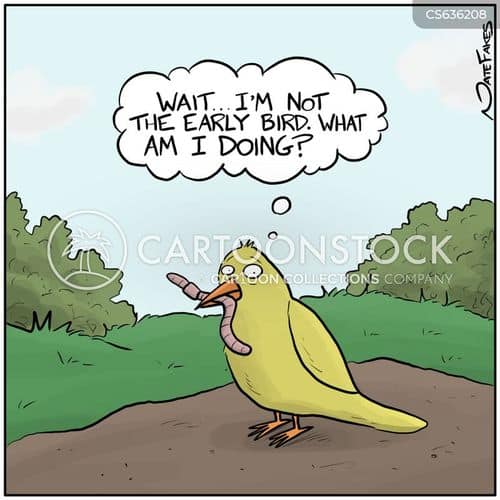
Literally, the saying talks about a bird that wakes up early. It finds worms before other birds do. The bird that gets the worm first wins food.
This shows how being early helps the bird survive. The worm is a prize for waking up and looking for food first.
Figurative Implications
Figuratively, the phrase means people who start tasks early get rewards. It tells us to work hard and be on time to succeed.
This saying can apply to jobs, school, or any goal. Being early or prepared often leads to better chances and results.
- Starting early helps you avoid problems
- Early action can give you an advantage
- Being prepared shows responsibility and focus
Why It Feels Cliché
The phrase “The early bird gets the worm” is often seen as a cliché. People hear it so much that it loses its original impact. It feels predictable and overused in many places.
This common saying tries to teach the value of being early or prompt. But because it appears too often, it can sound old and boring.
Overuse In Daily Life
This phrase pops up in many daily talks and writings. People use it to encourage action or warn against laziness. It can appear in conversations, emails, and even advertisements.
- Parents tell children to get up early using this phrase.
- Teachers use it to motivate students to start work on time.
- Managers remind teams about deadlines with this saying.
- Social media posts often repeat this advice in quotes.
Common Contexts
The phrase fits well in many situations. It can mean being on time, preparing in advance, or acting before others. This wide use makes it easy to repeat.
| Context | Meaning |
| Work | Start tasks early to finish well |
| School | Arrive early to be ready for class |
| Sports | Train before others to improve skills |
| Life | Take chances quickly to succeed |
Truths Supported By Science
The saying “The early bird gets the worm” means people who wake up early have an advantage. Science shows that waking early can improve health and focus.
Researchers have studied how waking early affects the brain and body. The results support some benefits of starting the day early.
Benefits Of Waking Early
Waking early helps set a healthy daily routine. It can improve mood and energy levels throughout the day.
Early risers often get more exposure to natural light. This helps regulate the body’s internal clock and improves sleep quality.
- Better mental clarity in the morning
- Lower stress due to a calm start
- More time for exercise and healthy habits
Productivity And Success Links
Studies show that people who wake early tend to be more productive. They often finish tasks faster and with better focus.
Waking early is common among successful people. It gives extra time for planning and goal setting.
- Early hours are usually quiet with fewer distractions
- Morning routines help build discipline and consistency
- Starting early can lead to better work-life balance
Limitations And Exceptions
The phrase “The early bird gets the worm” suggests that waking up early leads to success. Many people believe this idea is true for work and life.
Still, this saying does not fit everyone. Some people do better at different times of the day or in different ways.
Night Owls And Creativity
Some people are night owls. They feel more awake and focused at night. Their creativity often grows when others sleep.
Many artists, writers, and inventors work late at night. Their best ideas may come after dark, not early morning.
- Night owls can concentrate better in quiet hours.
- They may solve problems more easily at night.
- Early morning routines can be hard for them.
Different Lifestyles And Needs
People have different lifestyles that affect their schedules. Some work night shifts or care for family members at night.
Health, age, and personal habits also change when people perform best. Not everyone can or should wake up early.
- Shift workers often sleep during the day.
- Parents with young children may rest at night.
- Older adults might wake and sleep at different times.

Credit: dictionary.cambridge.org
Modern Perspectives
The saying “The early bird gets the worm” has been around for a long time. It suggests that waking up early leads to success. Today, this idea faces new views.
Many people ask if this phrase is still true. Changes in work and culture affect how we see this old saying.
Changing Work Patterns
Work hours are no longer the same for everyone. Some jobs need early mornings, but many allow flexible times. Remote work and night shifts show that success does not depend on waking early.
- Remote workers often choose their own hours.
- Creative jobs may peak in the afternoon or night.
- Shift workers succeed with varied schedules.
- Focus and productivity matter more than time of day.
Cultural Shifts In Routine
Cultures now value balance between work and life. Sleep and mental health get more attention. People question if waking early is always best for well-being.
| Aspect | Traditional View | Modern View |
| Work Start Time | Early morning | Flexible hours |
| Success Measure | Early riser advantage | Productivity and health |
| Daily Routine | Fixed schedule | Individual preference |
| Rest Importance | Less focus | High priority |
Applying The Saying Today
The saying “The early bird gets the worm” means those who start early get more chances. Today, this idea can guide how we manage time and work.
Many people wonder if waking up early still helps. We can use this saying to improve our daily tasks and goals.
Personal Productivity Tips
Starting your day early can boost your focus. Morning hours often have fewer distractions. Use this time for important tasks.
- Make a to-do list the night before
- Set clear goals for the morning
- Limit phone and social media use early
- Take short breaks to stay fresh
- Use morning energy for creative work
Balancing Sleep And Success
Success needs good sleep, not just early starts. Lack of rest can harm health and focus. Balance is key.
| Sleep Hours | Effect on Productivity |
| Less than 5 | Low focus, high fatigue |
| 5 to 6 | Below average performance |
| 7 to 8 | Good alertness and energy |
| More than 8 | Possible grogginess |

Credit: jessica-thefish.medium.com
Frequently Asked Questions
What Does “the Early Bird Gets The Worm” Mean?
This phrase means those who act early gain advantages. It encourages promptness and seizing opportunities before others do.
Why Is “the Early Bird Gets The Worm” A Cliche?
It’s a cliche because it’s overused and predictable. People hear it often, making the phrase lose originality and impact.
When Should You Avoid Using This Cliche?
Avoid it in formal or creative writing. Use fresh expressions to keep your content engaging and original.
Are There Better Alternatives To This Cliche?
Yes, alternatives like “Seize the day” or “First come, first served” convey similar meanings but feel fresher.
Conclusion
The phrase “early bird gets the worm” often rings true. But not always. While early risers can gain advantages, success isn’t guaranteed by early starts alone. Different schedules work for different people. Some thrive in the morning, others at night.
It’s about finding what works best for you. Flexibility and understanding your own rhythm matter more. Success comes from dedication, not just early hours. Remember, balance is key. Listen to your body and mind. Trust your instincts. Everyone’s path is unique.
Embrace what suits you best. Find your own way to success.