Why Does My Bird Rub His Beak on His Perch? Common Reasons
Have you ever noticed your bird rubbing his beak on his perch and wondered why he’s doing it? It might seem like a simple habit, but there’s actually more to this behavior than meets the eye.
One common question is, Why Does My Bird Rub His Beak on His Perch? This behavior can often lead to deeper insights into your bird's health and happiness.
Understanding why your bird does this can help you ensure he stays happy and healthy. Keep reading to discover the surprising reasons behind this curious action and learn how you can support your feathered friend better every day.
In this guide, we will explore the question of Why Does My Bird Rub His Beak on His Perch to better understand this fascinating behavior.

Credit: www.reddit.com
Beak Maintenance Habits
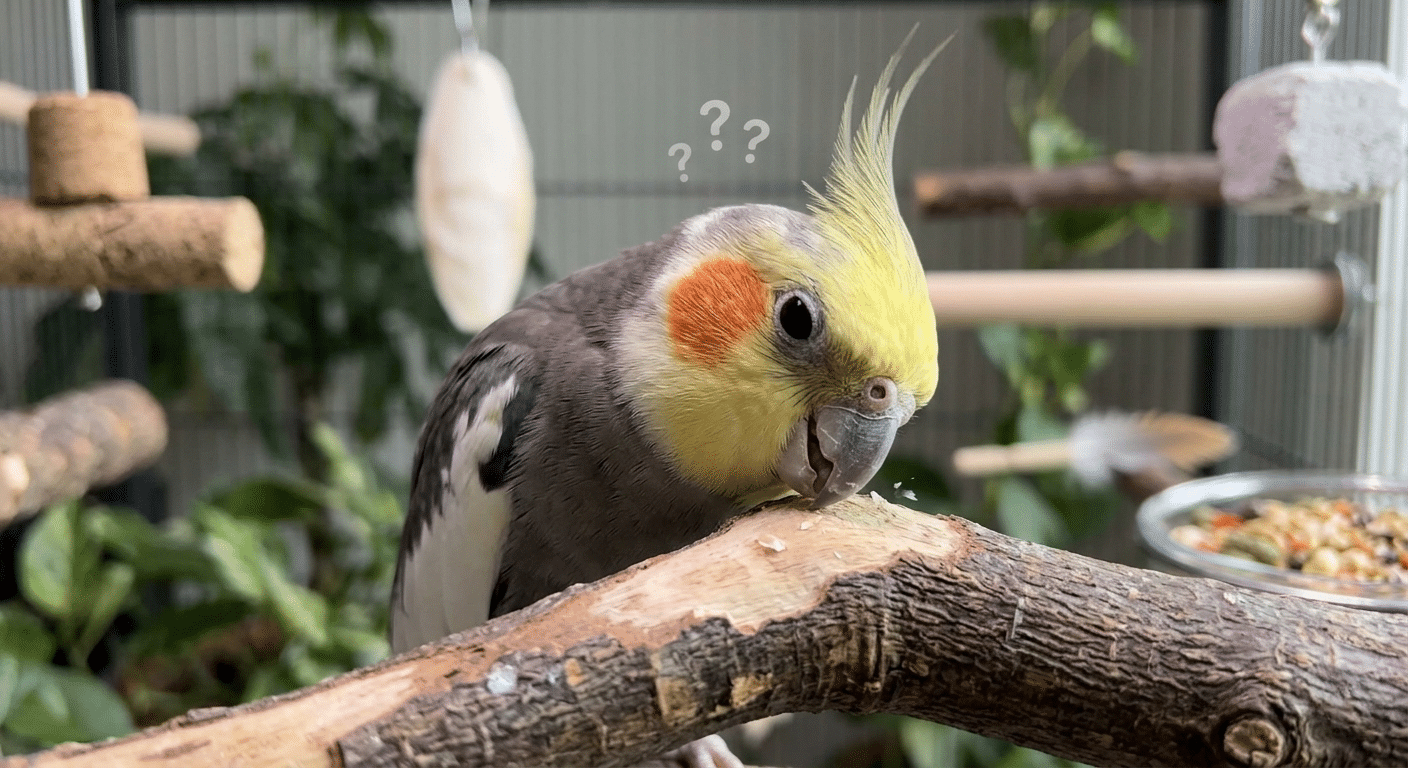
Birds often rub their beaks on their perch. This behavior helps keep their beaks healthy and clean.
When asking, Why Does My Bird Rub His Beak on His Perch, it's essential to consider how beak maintenance contributes to their overall well-being.
Beak care is important for birds. It ensures their beaks do not grow too long or become damaged.
Natural Beak Cleaning
Birds use their perches to clean their beaks naturally. Rubbing removes dirt and old skin.
Rubbing the beak can also prompt the question, Why Does My Bird Rub His Beak on His Perch, highlighting its importance in their daily routines.
This cleaning helps birds eat better and stay healthy. A clean beak prevents infections.
-
- Rubbing removes food bits stuck on the beak
Understanding the reasons, such as, Why Does My Bird Rub His Beak on His Perch, can significantly enhance the care you provide.
- Helps shed old layers of beak skin
- Keeps beak smooth and shiny
Beak Sharpening Techniques
Birds also sharpen their beaks by rubbing them on rough surfaces. This stops the beak from growing too long.
Inquiring, Why Does My Bird Rub His Beak on His Perch is a great starting point to ensure they are well cared for.
Sharpening helps birds crack seeds and catch food easily. It keeps the beak strong and useful.
- Rubbing on wood or rough perch surfaces
- Using natural materials like stones or bark
- Regular sharpening prevents overgrowth
Comfort And Sensory Behavior
Birds often rub their beaks on their perches as a way to feel comfortable. This behavior helps them relax and connect with their surroundings.
Therefore, when you see your bird doing this, you might wonder, Why Does My Bird Rub His Beak on His Perch, which can lead to a better understanding of their needs.
It also serves as a sensory activity that allows birds to explore textures and soothe their beaks. Understanding this behavior can help you care for your bird better.
Soothing Itchy Beak
Birds may rub their beaks to relieve itchiness or irritation. This action can help remove dirt or dry skin and keep the beak healthy.
By asking, Why Does My Bird Rub His Beak on His Perch, you’ll be on a path to ensuring your pet's comfort and health.
- Helps remove old skin flakes
- Keeps the beak clean
- Relieves mild irritation
- Feels soothing and calming
Exploring Textures
Birds use their beaks to learn about their environment. Rubbing the beak on different surfaces lets them feel various textures.
Exploring the question, Why Does My Bird Rub His Beak on His Perch can help you create a more enriching environment for your bird.
| Surface Type | Texture Feel |
| Wooden Perch | Rough and natural |
| Plastic Perch | Smooth and hard |
| Rope Perch | Soft and fibrous |
| Stone Perch | Cool and gritty |
Health Indicators
Birds often rub their beaks on their perches. This behavior can show if their beak is healthy. It can also signal health problems.
Ultimately, understanding, Why Does My Bird Rub His Beak on His Perch will make you a more informed bird owner.
Watching this action helps you spot issues early. It keeps your bird safe and healthy.
Signs Of Beak Overgrowth
Beak overgrowth happens when a bird’s beak grows too long. Rubbing the beak on perches helps wear it down. If your bird rubs often, its beak might be too long.
When you notice this behavior, consider asking yourself, Why Does My Bird Rub His Beak on His Perch to assess his well-being.
Check the beak length and shape. An overgrown beak can make eating hard. It may also cause pain or infection.
- Beak tip looks curved or too long
- Difficulty eating or holding food
- Rubbing beak more than usual
- Cracks or splits in the beak
Detecting Infections Or Injuries
Birds rub their beaks to ease discomfort. If your bird rubs its beak often, it may have an injury or infection. This behavior helps soothe pain or itchiness.
If you are ever concerned, refer back to the question, Why Does My Bird Rub His Beak on His Perch, for guidance on your bird's health.
Look for swelling, redness, or discharge. Check for cuts or wounds on the beak or around the mouth. These signs need quick attention from a vet.
- Red or swollen areas on beak or face
- White or yellow discharge near beak
- Visible cuts, cracks, or wounds
- Bird seems uncomfortable or in pain
Social And Emotional Signals
The next time your bird engages in this behavior, remember to think about, Why Does My Bird Rub His Beak on His Perch as part of understanding him.
Birds use body language to show how they feel. One common action is rubbing their beak on their perch.
This behavior can mean different things depending on the situation and the bird’s mood.
Expressing Contentment
Always be ready to ask, Why Does My Bird Rub His Beak on His Perch to better understand the emotional aspects of your bird's behavior.
Birds often rub their beak when they feel happy and safe. It is a way to relax and enjoy their environment.
This action can also help clean their beak and keep it smooth. Birds show they are calm by doing this quietly.
Stress Or Boredom Indicators
Sometimes, rubbing the beak can mean the bird feels stressed or bored. It may be a sign they need attention or toys.
Being aware of the question, Why Does My Bird Rub His Beak on His Perch can help you identify when your bird is feeling stressed.
If the bird rubs its beak a lot and looks restless, it might be trying to cope with discomfort or loneliness.
- Frequent beak rubbing could show anxiety
- Bird may need more social interaction
- Providing new toys can reduce boredom
- Check the bird’s health if behavior increases
Environmental Influences
Birds often rub their beaks on their perches. This behavior can be linked to their surroundings. The environment affects how and why birds use their beaks this way.
Understanding the environmental reasons helps bird owners support healthy habits. Two key factors are the perch material and the habitat enrichment.
In assessing this behavior, consider what it means in terms of, Why Does My Bird Rub His Beak on His Perch, as it relates to his environment.
Perch Material Impact
The type of material used for the perch plays a big role. Birds rub their beaks to clean and sharpen them. Some materials make this easier or harder.
- Wood perches offer a rough texture that helps remove dirt and old beak layers.
- Plastic perches are smooth and may not help in beak maintenance.
- Natural branches provide varied textures, which encourage beak rubbing.
- Concrete or cement perches can file the beak but might be too harsh for some birds.
Habitat Enrichment Effects
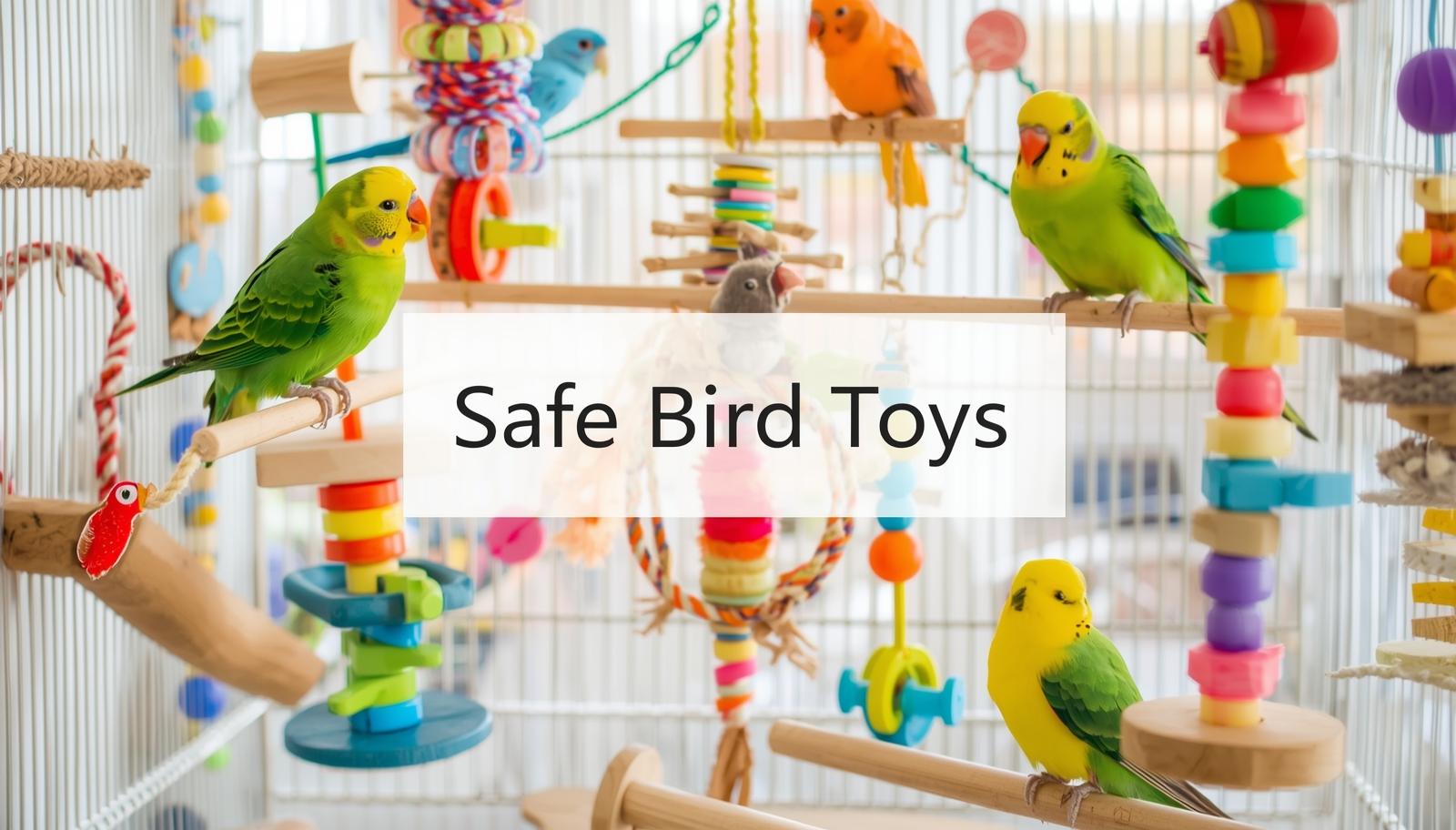
Enriched habitats give birds more reasons to use their beaks. Toys, swings, and different perch types affect how often birds rub their beaks.
As you observe your bird, continuously think about, Why Does My Bird Rub His Beak on His Perch to gain insights into his happiness.
| Enrichment Type | Effect on Beak Rubbing |
|---|---|
| Natural wood toys | Increase beak rubbing by offering rough surfaces |
| Plastic toys | Less effective for beak maintenance |
| Varied perch sizes | Encourage movement and rubbing |
| Foraging opportunities | Promote natural beak use and care |

Credit: www.reddit.com
When To Consult A Veterinarian
Birds often rub their beaks on perches to clean or sharpen them. This is normal behavior most times. But sometimes, this action may show health problems.
If your bird rubs its beak a lot or in a strange way, you may need to see a vet. Early check-ups can help keep your bird healthy.
This investigation into, Why Does My Bird Rub His Beak on His Perch can lead to meaningful improvements in your bird's care.
Recognizing Abnormal Behavior
Watch how your bird rubs its beak. If the rubbing is too frequent or hard, it could mean pain or discomfort. Also, look for other signs like swelling or bleeding.
Changes in eating, vocalizing, or activity can also show your bird needs help. These signs mean a vet visit is important.
- Rubbing beak more than usual
- Visible sores or swelling on beak
- Loss of appetite or changes in eating
- Unusual quietness or irritability
- Feather plucking or self-harm
Preventive Care Tips
Keep your bird’s beak healthy by providing proper care. Clean perches and fresh water help prevent infections.
Regular vet check-ups catch problems early. A healthy diet with vitamins supports strong beaks and feathers.
- Provide natural or safe chew toys for beak wear
- Clean cage and perches regularly
- Feed a balanced diet with fresh fruits and veggies
- Give fresh water daily
- Schedule yearly vet exams

Credit: www.reddit.com
Frequently Asked Questions
Why Does My Bird Rub His Beak on the Perch?
Is Beak Rubbing a Sign of Bird Health?
Yes, regular beak rubbing indicates good beak maintenance and overall bird health. It prevents overgrowth and keeps the beak functional.
Can Beak Rubbing Mean My Bird Is Stressed?
Sometimes, excessive beak rubbing may signal stress or boredom. Observing other behaviors helps determine if your bird needs enrichment or care.
Remember, the question, Why Does My Bird Rub His Beak on His Perch is essential in understanding their health needs.
How Often Should Birds Rub Their Beaks Naturally?
Birds typically rub their beaks several times daily. This natural behavior supports beak hygiene and comfort without requiring owner intervention.
Conclusion
Understanding why birds rub their beaks on perches is essential. It helps maintain their beak health and cleanliness. Birds also do it to mark territory. This behavior is natural and not usually a concern. Observe your bird's habits regularly. Ensure the perch is safe and suitable.
Ultimately, by exploring the question, Why Does My Bird Rub His Beak on His Perch, you open the door to better care and understanding.
A healthy bird enjoys engaging in normal behaviors. Provide toys and activities for mental stimulation. Consult a vet if any unusual signs appear. This way, you ensure your feathered friend's happiness and well-being. So, keep your bird's environment enriching and safe.
A happy bird means a happy home.