If you want to keep your bird healthy and happy, feeding it worms can be a great choice. But how do you do it safely and effectively?
You might wonder what type of worms to use, how to prepare them, or how often to feed your feathered friend. This guide will answer all your questions and give you simple, practical tips to make sure your bird enjoys every bite.
Keep reading to discover the best way to feed worms to your bird and watch it thrive like never before.
Choosing The Right Worms
Feeding worms to birds is a great way to add protein to their diet. Picking the right worms helps keep birds healthy and happy.
Not all worms are safe or nutritious for birds. You need to know which types to choose and where to find them.
Types Of Worms Suitable For Birds
Birds eat different kinds of worms depending on their size and species. Here are some common types that work well:
- Earthworms – rich in protein and easy to digest
- Mealworms – good for smaller birds and hatchlings
- Black soldier fly larvae – high in fat and protein
- Red wigglers – often used in compost, safe for feeding
Where To Source Healthy Worms
Finding healthy worms is key. Worms from poor sources can harm your birds.
| Source | Quality | Notes |
| Local garden | Medium | May carry pesticides or parasites |
| Pet stores | High | Clean and safe for pets |
| Worm farms | High | Often pesticide-free and healthy |
| Roadside or compost | Low | Risk of contamination and chemicals |
Avoiding Harmful Worms
Some worms can carry diseases or toxins. Avoid these to keep birds safe.
- Do not feed worms from polluted areas
- Avoid worms with strange colors or smells
- Do not use wild worms from pesticide-treated soil
- Never feed worms that show signs of decay
Preparing Worms For Feeding
Feeding worms to birds requires some care to keep the birds safe and healthy. You need to prepare the worms properly before offering them.
This guide covers cleaning and handling worms, deciding portion sizes, and storing worms safely.
Cleaning And Handling Worms
Always clean worms before feeding them to your bird. Dirt and bacteria can harm the bird’s health. Rinse the worms gently in cool water to remove soil. Avoid using soap or chemicals.
Handle worms with clean hands or gloves. Keep them cool but not cold, as extreme temperatures can stress them. Avoid rough handling to prevent injury to the worms.
Portion Size And Quantity
Feed the right amount of worms to your bird. Too many worms can upset the bird’s stomach, and too few may not provide enough nutrition.
- Offer small amounts at first to see how the bird reacts.
- Adjust the quantity based on the bird’s size and appetite.
- Feed worms as a treat or part of a balanced diet.
- Do not overfeed to avoid nutritional imbalance.
Storing Worms Safely
Store worms in a cool, dark place to keep them fresh. Use a container with air holes to allow ventilation. Keep the bedding moist but not wet.
| Storage Condition | Details |
|---|---|
| Temperature | 50-70°F (10-21°C) to keep worms alive |
| Container | Plastic or wooden box with air holes |
| Bedding | Moist but not soggy, like damp soil or shredded paper |
| Food Supply | Small bits of vegetable scraps or oatmeal |
Feeding Techniques
Feeding worms to birds can be simple and rewarding. Birds enjoy worms as a natural source of protein. Using the right techniques helps ensure the birds eat well and stay healthy.
Careful feeding also prevents waste and keeps the feeding area clean. Let’s explore some effective methods to feed worms to birds.
Hand Feeding Tips
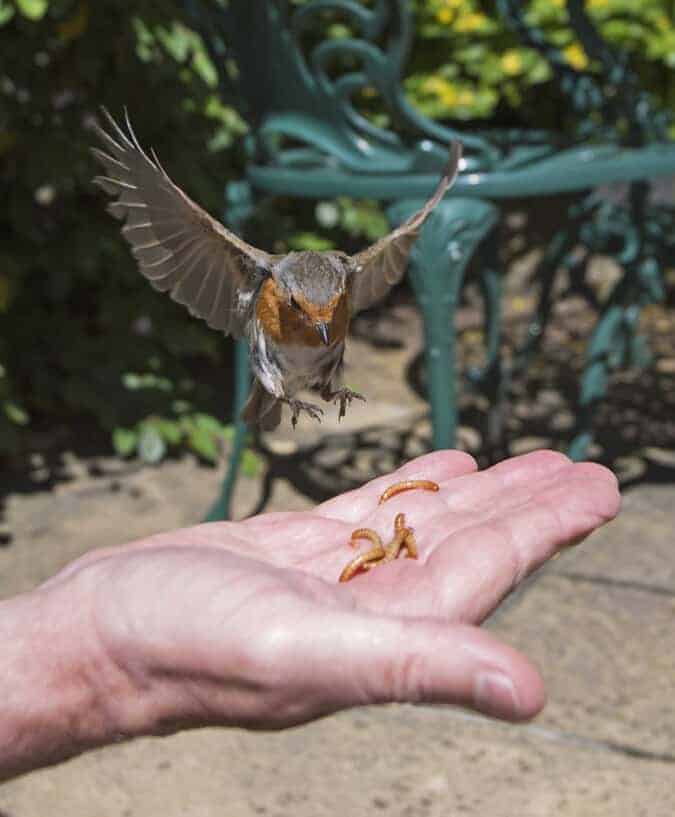
Hand feeding worms to birds helps build trust and control the amount they eat. Use gentle movements to avoid scaring the bird. Hold the worm firmly but gently between your fingers.
- Offer worms slowly to let the bird grab them.
- Keep your hand steady and close to the bird.
- Do not force the worm into the bird’s mouth.
- Wash your hands before and after feeding.
Using Feeding Trays Or Containers
Feeding trays or small containers keep worms in one place. This avoids mess and helps multiple birds feed together. Choose shallow trays that are easy for birds to access.
| Tray Type | Benefit |
| Plastic shallow tray | Easy to clean and lightweight |
| Wooden tray | Natural look and sturdy |
| Metal container | Durable and weather-resistant |
Timing And Frequency Of Feeding
Feed birds worms at times they are most active. Early morning and late afternoon usually work best. Avoid feeding late at night or during very hot hours.
- Feed birds once or twice a day to keep a routine.
- Offer small amounts to avoid leftover worms.
- Observe the birds to adjust feeding times as needed.
- Remove uneaten worms after an hour to prevent spoilage.
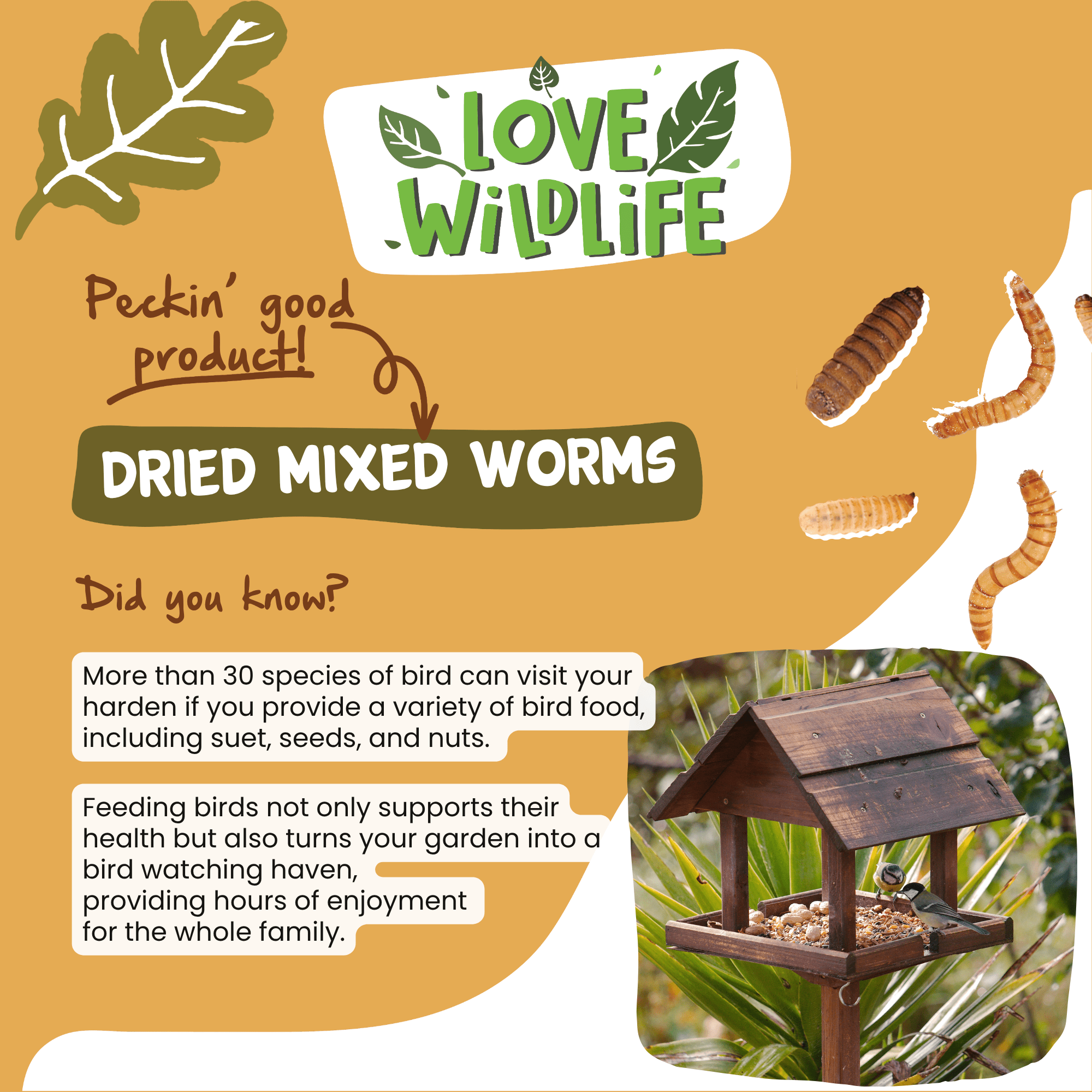
Credit: thebirdfoodwarehouse.co.uk
Benefits Of Feeding Worms
Feeding worms to birds is a natural way to provide them with important nutrients. Worms are easy for birds to catch and eat. They can help keep birds strong and active.
Many bird owners and wildlife watchers use worms as part of a healthy diet. This guide explains the benefits of feeding worms to birds in three key areas.
Nutritional Value For Birds
Worms have many nutrients that birds need. They are rich in proteins, vitamins, and minerals. These help birds grow feathers and stay healthy.
| Nutrient | Benefit to Birds |
| Protein | Builds strong muscles |
| Iron | Improves blood health |
| Calcium | Supports strong bones and eggshells |
| Fatty Acids | Boosts energy levels |
Improving Bird Health And Activity
Feeding worms helps birds stay active and alert. Birds that eat worms tend to have better immune systems. This reduces the chance of illness.
- Increases energy for flying and hunting
- Supports faster healing from injuries
- Boosts resistance to diseases
- Encourages growth in young birds
Encouraging Natural Foraging Behavior
Worms encourage birds to use their natural hunting skills. Searching for worms helps birds stay mentally sharp. It also keeps their instincts strong.
Ways worms promote natural foraging:
- Birds dig or peck to find worms in soil
- Encourages movement and exercise
- Provides mental stimulation through hunting
- Helps young birds learn survival skills
Precautions And Safety
Feeding worms to birds can be healthy if done safely. You must take care to keep the bird safe and well.
Learn the right steps to avoid problems and keep your bird happy and healthy.
Avoiding Overfeeding
Worms are a good treat but too many can harm your bird. Overfeeding may cause stomach issues or obesity.
Give worms in small amounts and not every day. Watch how much your bird eats to keep it balanced.
- Feed worms only a few times a week
- Offer small portions to avoid waste
- Mix worms with other bird foods
Monitoring Bird Reactions
Watch your bird closely after feeding worms. Look for any signs of discomfort or illness.
If the bird shows unusual behavior or sickness, stop feeding worms and consult a vet. Early action helps prevent serious problems.
- Check for vomiting or diarrhea
- Notice changes in appetite or energy
- Observe for itching or feather loss
Preventing Parasite Transmission
Worms can carry parasites that harm birds. Always use safe and clean worms from trusted sources.
Freeze or rinse worms before feeding to kill parasites. Keep the feeding area clean to avoid infections.
- Buy worms from reliable suppliers
- Freeze worms for at least 24 hours
- Clean feeding dishes after use
- Do not use wild-caught worms

Credit: www.shutterstock.com

Credit: www.livingwithbirds.com
Frequently Asked Questions
What Types Of Worms Are Safe For Birds To Eat?
Mealworms, earthworms, and waxworms are safe and nutritious for birds. Avoid worms from contaminated areas to prevent illness.
How Often Should I Feed Worms To My Bird?
Feed worms 2-3 times per week as a protein treat. Balance with seeds and fruits for a healthy diet.
Can All Bird Species Eat Worms Safely?
Most insectivorous and omnivorous birds enjoy worms. However, some seed-eaters may not accept them readily.
How Should Worms Be Prepared Before Feeding Birds?
Rinse worms to remove dirt, and offer them live or dried. Avoid seasoning or additives that may harm birds.
Conclusion
Feeding worms to birds is easy and rewarding. Birds love worms for their nutrition. Start with fresh, clean worms. Offer them in small amounts. Observe your bird’s reaction. Adjust the quantity as needed. Worms can boost your bird’s diet. They are a natural food choice.
Ensure a balanced diet with other foods too. Always prioritize your bird’s health. Happy bird means a happy owner. Enjoy your time with your feathered friend!