
Have you ever found a tiny baby bird that looks hungry and helpless? You want to help, but you’re not sure how to feed it the right food—especially worms, which are a natural meal for many baby birds.
Feeding a baby bird worms might seem tricky, but with a few simple steps, you can make sure your little feathered friend gets the nutrition it needs to grow strong. Keep reading, and you’ll learn exactly how to do it safely and effectively, so you can feel confident in giving your baby bird the best care.

Credit: www.shutterstock.com
Identifying Baby Bird Needs
Feeding a baby bird requires understanding its needs. Not all baby birds need feeding at the same time or in the same way.
Recognizing the signs a baby bird needs help is important for its survival and health.
Signs A Baby Bird Needs Feeding
Baby birds show clear signs when they are hungry. Watching these signs helps you decide when to feed them.
- The baby bird opens its mouth wide and makes begging sounds.
- It appears weak or cold and stays still for a long time.
- The bird’s crop (a pouch in the throat) feels empty or flat.
- The bird is alone or has fallen from the nest without parents nearby.
- It tries to move toward you or the food you offer.
Types Of Baby Birds And Their Diets
Different baby birds need different types of food. Their diets depend on the species and age.
| Type of Baby Bird | Diet |
| Songbirds (e.g., robins, sparrows) | Insects, worms, and soft fruits |
| Waterfowl (e.g., ducks, geese) | Plants, small insects, and worms |
| Birds of Prey (e.g., hawks, owls) | Small mammals, insects, and worms |
| Parrots and Parakeets | Soft fruits, seeds, and some insects |
| Woodpeckers | Insects and larvae found in wood |

Credit: www.youtube.com
Choosing The Right Worms
Feeding a baby bird the right worms helps it grow strong. Not all worms are safe or healthy for baby birds. Learn how to pick the best worms for your little bird.
Choosing the correct worm type and source is important. This guide covers the best worm species and where to find safe worms.
Best Worm Species For Baby Birds
Some worm species provide better nutrition and are safer for baby birds. Avoid worms that live in polluted soil or carry parasites.
- Earthworms: Rich in protein and easy to digest.
- Mealworms: High in fat and protein, good for energy.
- Red Wigglers: Common in compost, safe and nutritious.
- Blackworms: Often used in feeding aquatic birds, suitable for variety.
Where To Find Safe Worms
Finding worms in clean environments helps keep baby birds healthy. Avoid worms from polluted areas or places treated with chemicals.
| Location | Safety Tips |
| Garden soil | Use only organic gardens free of pesticides |
| Compost bins | Choose worms from well-maintained compost |
| Worm farms | Buy from trusted suppliers or raise your own |
| Near water bodies | Avoid if water is polluted or stagnant |
Preparing Worms For Feeding
Feeding baby birds worms requires careful preparation. Proper cleaning and sizing help ensure the birds eat safely and get good nutrition.
This guide explains how to clean and handle worms and how to cut them to the right size for baby birds.
Cleaning And Handling Worms
Clean worms before feeding to remove dirt and bacteria. Handle them gently to keep them fresh and healthy for the birds.
- Rinse worms in clean, cool water to remove soil.
- Place worms on paper towels to dry briefly.
- Use clean tweezers or gloves to handle worms.
- Avoid touching worms with bare hands to keep them clean.
- Keep worms in a cool place until feeding time.
Cutting Worms To Appropriate Sizes
Baby birds need small pieces of worm to eat safely. Cut worms into sizes based on the bird’s age and size.
| Bird Age | Worm Size |
|---|---|
| Newly hatched (1-3 days) | 1/4 inch pieces |
| 4-7 days old | 1/2 inch pieces |
| Older than 7 days | 1 inch pieces |
Cut worms with clean scissors or a sharp knife. Make sure pieces are soft and easy to swallow.
Feeding Techniques
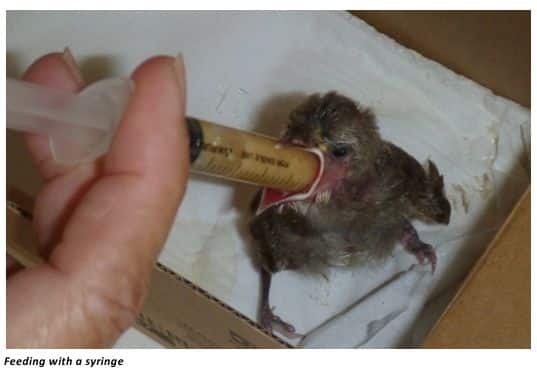
Feeding a baby bird worms needs care and patience. You must handle the bird gently and offer food safely.
Using the right tools and knowing how often to feed helps the baby bird grow healthy and strong.
Using Tweezers Or Fingers
Use clean tweezers or your fingers to feed worms to the baby bird. This helps control the size and amount of food.
Pick small pieces of worm to avoid choking. Gently place the worm near the bird’s beak to encourage eating.
- Wash your hands before feeding
- Use tweezers to hold worms firmly
- Offer worm pieces one at a time
- Place food near the bird’s mouth slowly
- Watch the bird swallow before offering more
Feeding Frequency And Quantity
Feed baby birds every 15 to 20 minutes during daylight hours. Young birds need frequent feeding to stay healthy.
Offer small amounts each time. Overfeeding can harm the bird. Watch for signs that the bird is full.
- Feed every 15-20 minutes from dawn to dusk
- Give small worm pieces each feeding
- Stop feeding if the bird refuses food
- Adjust quantity as the bird grows
Creating A Safe Feeding Environment
Feeding a baby bird worms needs a safe and calm place. This helps the bird feel secure and eat well.
Setting up a good space keeps the baby bird healthy and makes feeding easier for you.
Setting Up A Comfortable Nest
Use a soft, warm nest to keep the baby bird cozy. A small box or basket with soft cloth works well.
Place the nest in a quiet area away from loud noises and pets. This stops the bird from feeling scared.
- Use soft cloth or paper towels for bedding
- Keep the nest dry and warm
- Choose a spot with little noise and light
- Check the nest often for comfort and safety
Maintaining Hygiene During Feeding
Cleanliness is very important when feeding baby birds. It helps stop germs and keeps the bird healthy.
Wash your hands before and after feeding. Clean the feeding tools and nest regularly to avoid bacteria.
- Wash your hands with soap before feeding
- Use clean tweezers or gloves to handle worms
- Clean the nest and replace bedding often
- Remove any leftover food after feeding

Credit: www.youtube.com
Monitoring Baby Bird Health
Feeding a baby bird worms is important for its growth and health. Watching the baby bird closely helps you know if it is doing well.
Checking the bird’s health often lets you catch problems early. Healthy birds grow strong and active.
Recognizing Signs Of Proper Growth
A baby bird that grows properly looks bright and alert. Its feathers start to fill in and its body feels firm.
Good weight gain and regular feeding times are signs of healthy growth. The bird should open its mouth eagerly for food.
- Steady weight increase
- Feathers growing evenly
- Active and responsive behavior
- Regular feeding response
- Clear eyes and clean skin
When To Seek Expert Help
If the baby bird looks weak or stops eating, get help quickly. Slow growth or no feather development is a concern.
Consult a wildlife rehabilitator or vet if you see these signs. Early care can save the bird’s life.
- Bird is lethargic or weak
- Weight stays the same or drops
- No interest in eating worms
- Feathers are missing or dull
- Breathing is heavy or noisy
Alternatives To Worm Feeding
Feeding a baby bird worms can be tricky for some people. There are other food options that can help feed young birds safely.
These alternatives can provide the right nutrients and keep the baby bird healthy and strong.
Commercial Baby Bird Food Options
Many stores sell special food made for baby birds. These are balanced with the vitamins and minerals young birds need.
This food is easy to use and can be a safe alternative to feeding live worms.
- Powdered bird formula that mixes with water
- Pre-mixed soft foods made for baby birds
- Pellets designed for young birds
- Special blends for different bird species
Other Natural Food Sources
Besides worms, baby birds can eat other natural foods. These foods are easy to find and offer good nutrition.
Using these foods helps mimic what birds eat in the wild.
- Small insects like crickets or ants
- Soft fruits such as mashed berries or bananas
- Boiled egg yolk mashed finely
- Cooked rice or oats mixed with water
- Chopped mealworms that are dried or frozen
Frequently Asked Questions
How Do You Safely Feed Worms To Baby Birds?
Use small, soft worms like mealworms. Gently offer them with tweezers to avoid injury. Avoid overfeeding to prevent choking.
What Type Of Worms Are Best For Baby Birds?
Mealworms and earthworms are ideal. They provide high protein and easy digestion. Avoid wild worms that may carry parasites.
How Often Should Baby Birds Be Fed Worms?
Feed baby birds every 20-30 minutes during daylight. Gradually reduce feeding frequency as they grow and start eating solid food.
Can I Feed Cooked Worms To Baby Birds?
No, always feed live or freshly killed worms. Cooked worms lose nutrients and may be hard to digest for baby birds.
Conclusion
Feeding a baby bird worms can be a delicate task. Remember to be gentle and patient. Ensure the worms are the right size for the bird. Crush large worms into smaller pieces. Use tweezers to place food in the bird’s mouth.
Observe the bird’s reaction to feeding. A calm bird means you’re doing well. Keep feeding times consistent and regular. This helps the bird grow strong. Always prioritize the bird’s safety and comfort. With care, baby birds can thrive and grow.
Your efforts make a big difference in their early life.



