How to Make a Bird Chirping Noise Like A Pro
Have you ever wanted to mimic the cheerful sound of a bird chirping? Whether you’re trying to entertain friends, add ambiance to your recordings, or simply enjoy a fun skill, learning how to make a bird chirping noise can be surprisingly simple and satisfying.
You’ll discover easy techniques and tips that anyone can use to create authentic bird sounds. Get ready to impress yourself—and others—with your new talent! Keep reading to find out how you can start chirping like a pro today.

Credit: www.youtube.com
Tools And Materials Needed
Making a bird chirping noise can be fun and easy. You only need a few tools and materials. These items help create sounds that sound like real birds.
Some tools are common in every home. Others are special devices made for sound effects. You can also use extra tools to make the sound better.
Common Household Items
Many household items can make bird chirping sounds. These are easy to find and use. They work well for simple sound effects.
- Paper or cardboard to create flutter sounds
- Plastic straws to blow soft whistles
- Rice or small beads to shake gently
- Rubber bands stretched on boxes for twangy sounds
- Metal spoons tapped lightly for sharp chirps
Specialized Sound Makers
Special tools can make bird sounds more realistic. These devices are made to copy bird calls. You can buy or create some of them.
- Whistles designed to mimic bird songs
- Bird call tubes that change pitch
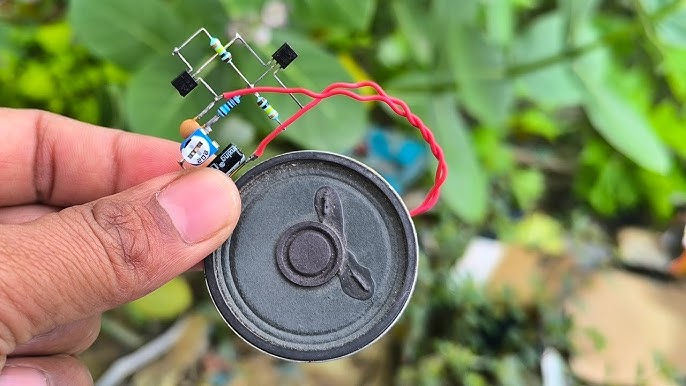
- Electronic sound machines with bird sound settings
- Flutes or recorders for soft, high-pitched notes
Optional Tools For Enhancement
You can use extra tools to improve the bird chirping noise. These help make the sound clearer or louder. They also add effects.
- Small microphones to capture sound better
- Speakers to play the sounds loudly
- Sound editing apps or software for adjusting pitch
- Echo or reverb devices to add natural effects
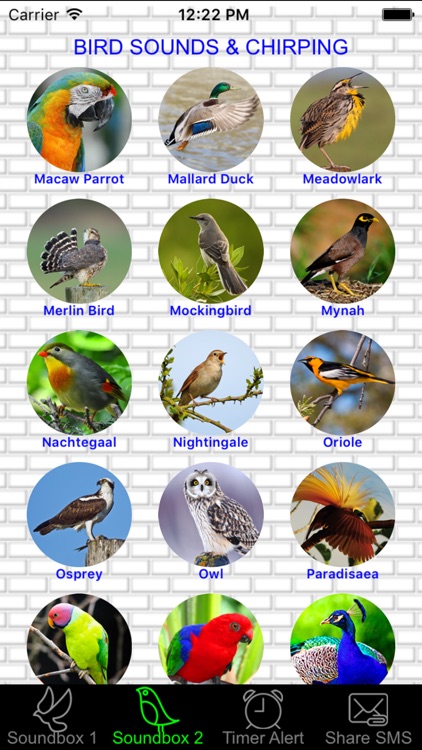
Credit: appadvice.com
Basic Bird Chirping Techniques
Bird chirping sounds are simple to copy with some practice. You can use your mouth, fingers, or objects to create these sounds.
Learning basic techniques helps you make clear and natural chirping noises. These sounds can be fun and relaxing to produce.
Whistling With Your Mouth
Whistling is the easiest way to make bird chirping noises. You shape your lips and blow air gently to create sound.
Try to make a sharp, high-pitched whistle. Change your tongue position to vary the chirp tone.
- Make a small “O” shape with your lips
- Blow air softly and steadily
- Use your tongue to change pitch
- Practice short bursts for chirps
Using Fingers For Chirps
You can use your fingers to help make louder chirping sounds. Place fingers on your lips to change the sound.
This method helps create sharp, clear bird calls. It takes some practice to get the right finger placement.
- Put your index fingers on your lips
- Blow air through the small gap
- Adjust finger pressure to change sound
- Use quick bursts for chirping effect
Blowing Into Simple Objects
Objects like straws or leaves can help make bird chirping noises. Blow air into or across these objects.
This technique changes the air flow and makes unique bird sounds. Try different objects to find your favorite sound.
- Use a small straw or blade of grass
- Blow air gently into or across it
- Move the object slightly to change tone
- Practice to control chirp length and pitch
Diy Bird Chirping Devices
Making bird chirping noises can be fun and easy. You can use simple items found at home. These DIY devices mimic bird sounds well.
Below are three creative ways to create bird chirps. Try crafting with straws, paper, cardboard, and plastic bottles.
Crafting A Bird Call From Straws
Straws can make clear bird calls. Cut one straw shorter than the other. Place the shorter straw inside the longer one. Blow gently between them to produce a chirp sound.
You can change the pitch by adjusting the straw lengths. Experiment to find the best sound.
Making Chirps With Paper And Cardboard
Paper and cardboard can create soft chirping sounds. Fold a small strip of paper or thin cardboard. Hold it tight near your lips and blow air across it. The vibration will sound like a bird chirp.
- Use thin paper for higher pitch
- Try thicker cardboard for louder sounds
- Adjust the size for different chirp tones
- Practice blowing softly and steadily
Creating Sounds With Plastic Bottles
Plastic bottles can make chirping noises by tapping or blowing. Cut a small hole near the bottle’s neck. Blow across the hole to create a whistle that sounds like a bird call.
| Material | How to Use | Sound Type |
| Plastic bottle | Blow across hole | Whistle chirp |
| Plastic bottle | Tap side lightly | Clicking chirp |
| Plastic bottle | Squeeze softly | Faint chirp |
Enhancing Chirping Sounds
Making a bird chirping noise can be fun and creative. Small changes can make your chirps sound more real. You can improve the sound by changing pitch, tone, rhythm, and more.
Here are ways to enhance your bird chirping noise. These tips help you add variety and make the sound interesting.
Adjusting Pitch And Tone
Pitch and tone shape how a chirp sounds. Higher pitch sounds like small birds. Lower pitch fits bigger birds. Changing tone adds emotion and style.
- Use a whistle or your voice to change pitch.
- Practice soft and sharp tones.
- Try sliding your voice up and down smoothly.
- Listen to real birds to copy their pitch.
Adding Rhythm And Patterns
Birds often chirp in patterns. Adding rhythm makes the sound more natural. You can repeat chirps or mix fast and slow beats.
- Start with a simple chirp.
- Add a short pause.
- Repeat the chirp twice or thrice.
- Try changing the length of pauses for variety.
Combining Multiple Chirps
Using different chirp sounds together makes a rich effect. Mix high and low chirps or soft and sharp ones to create a lively noise.
| Chirp Type | Description | Example Use |
| High-pitched | Sharp and clear | Small bird calls |
| Low-pitched | Deep and soft | Big bird sounds |
| Short chirp | Quick and light | Alert calls |
| Long chirp | Drawn-out sound | Communication calls |
Fun Activities With Bird Chirping
Bird chirping sounds are fun to imitate and explore. They bring nature’s music to life in playful ways.
Try different activities that involve making bird calls. These can be done alone or with friends outside.
Bird Call Imitation Games
Bird call imitation games help you practice making sounds like real birds. Listen carefully and copy what you hear.
You can play these games with friends by taking turns. See who can make the most bird-like sounds.
- Choose a bird call to imitate
- Listen closely to its rhythm and pitch
- Try to copy the sound as best as you can
- Let others guess which bird you are imitating
Outdoor Chirping Challenges
Outdoor chirping challenges get you moving and listening in nature. Head outside and find quiet spots to practice.
Try to match the bird sounds you hear around you. You can also challenge friends to spot and mimic different birds.
- Find a park or garden with many birds
- Listen carefully to different bird calls
- Try to chirp the same sounds aloud
- Challenge friends to copy the calls too
- Keep track of different birds you hear and imitate
Recording And Sharing Your Sounds
Recording your bird chirping lets you hear how you sound. Use a phone or recorder to capture your calls.
Sharing these recordings with friends is fun. It helps you learn and enjoy bird sounds together.
- Use a simple voice recorder or phone app
- Record your best bird chirping attempts
- Play back to hear what you made
- Send recordings to friends or family
- Compare sounds and give each other feedback

Credit: www.youtube.com
Tips For Realistic Bird Chirping
Making bird chirping noises can be fun and useful for nature lovers. It helps you blend with the environment and enjoy outdoor moments more.
To sound like real birds, you need to practice and pay attention to details. These tips will guide you to create natural and clear bird sounds.
Listening To Actual Bird Calls
Start by listening closely to real bird calls. You can find recordings online or hear birds in your garden or park. Notice the pitch, rhythm, and tone of their sounds.
- Use headphones for clear sound
- Focus on short and repeated chirps
- Note the pauses between calls
- Try to mimic different bird species
Practicing Breath Control
Good breath control helps you make longer and cleaner chirping sounds. Practice breathing deeply and releasing air slowly. This technique improves your sound quality.
| Breath Control Tip | How to Practice |
| Deep Breathing | Inhale deeply through nose |
| Slow Exhale | Release air gently while chirping |
| Pause Between Chirps | Take short breaths to reset |
| Steady Airflow | Keep air steady for smooth sounds |
Using Natural Surroundings
Practice bird chirping outdoors to match natural sounds. Trees, bushes, and quiet spaces help your chirps blend in. Use your surroundings to improve timing and volume.
Try these tips in nature:
- Chirp near trees or bushes
- Listen for echoes and adjust volume
- Match your chirps to nearby birds
- Practice at different times of day
Frequently Asked Questions
How Can I Make A Realistic Bird Chirping Noise?
To make a realistic bird chirp, use a whistle or your fingers. Practice short, high-pitched sounds with varied rhythm. Listening to real birds helps mimic their tone accurately.
What Tools Help Create Bird Chirping Sounds?
Common tools include whistles, leaf blades, or small flutes. You can also use apps or sound machines for bird chirping effects. Each tool produces distinct chirp qualities suitable for different needs.
Can Vocal Techniques Produce Bird Chirping Sounds?
Yes, using your voice is effective. Tighten your lips and blow air gently to create chirp-like sounds. Practice controlling pitch and rhythm to mimic natural bird calls.
Why Is Bird Chirping Noise Useful?
Bird chirping sounds enhance relaxation, meditation, and nature-themed projects. They can also attract real birds or add ambiance to outdoor spaces. These sounds improve mood and reduce stress.
Conclusion
Making a bird chirping noise is fun and easy. You just need practice. Try different techniques and find what works. Don’t worry if it takes time. Everyone learns at their own pace. Listen to real birds for inspiration. This helps you mimic their sounds better.
Enjoy the process and experiment with sounds. Share your new skill with friends and family. They’ll be amazed by your bird-like chirps. Keep practicing and have fun! You might even attract some birds with your new talent. Bird chirping can bring joy to your day.