What Bird Eats Berries 2026 Guide Common Berry-Eating Birds
Have you ever wondered which birds snack on berries nearby? Knowing what bird eats berries helps attract them.
Watch colorful birds feast on juicy berries. This article reveals common berry-loving birds. Learn why they choose these tasty treats. Discover how to identify these birds easily. Make your garden a berry paradise today.
Birds That Feast On Berries
Many birds eat berries daily. Berries provide energy for these feathered creatures. They help birds survive colder months.
We highlight common birds that eat berries. Learn which berries they prefer. Understand why these fruits matter to them.
American Robin
American Robins are famous berry eaters. They eat holly, dogwood, and juniper berries. Robins eat berries mostly in fall.
Cedar Waxwing
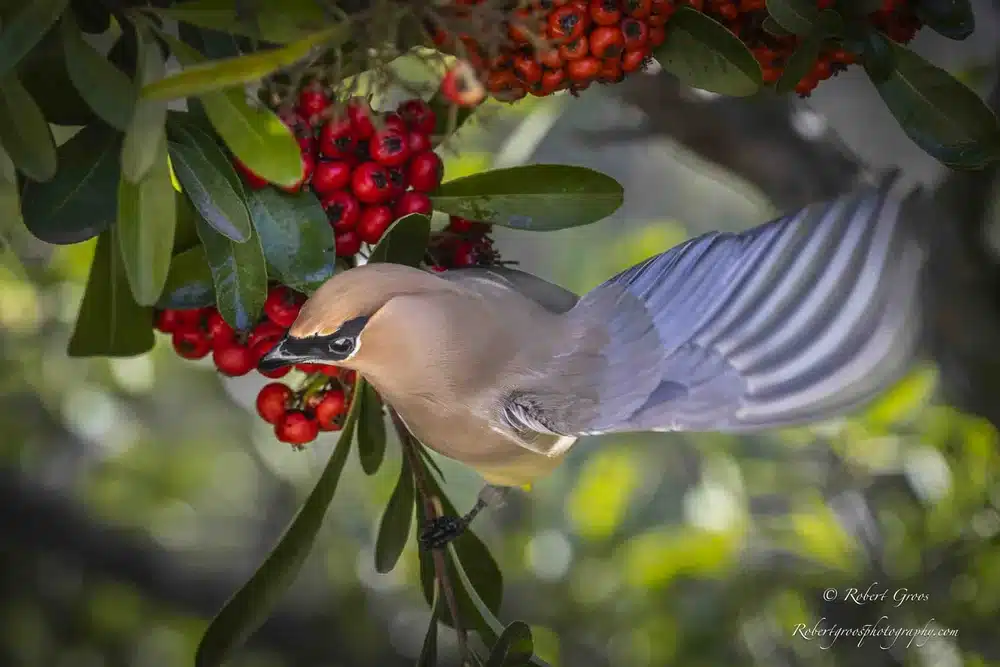
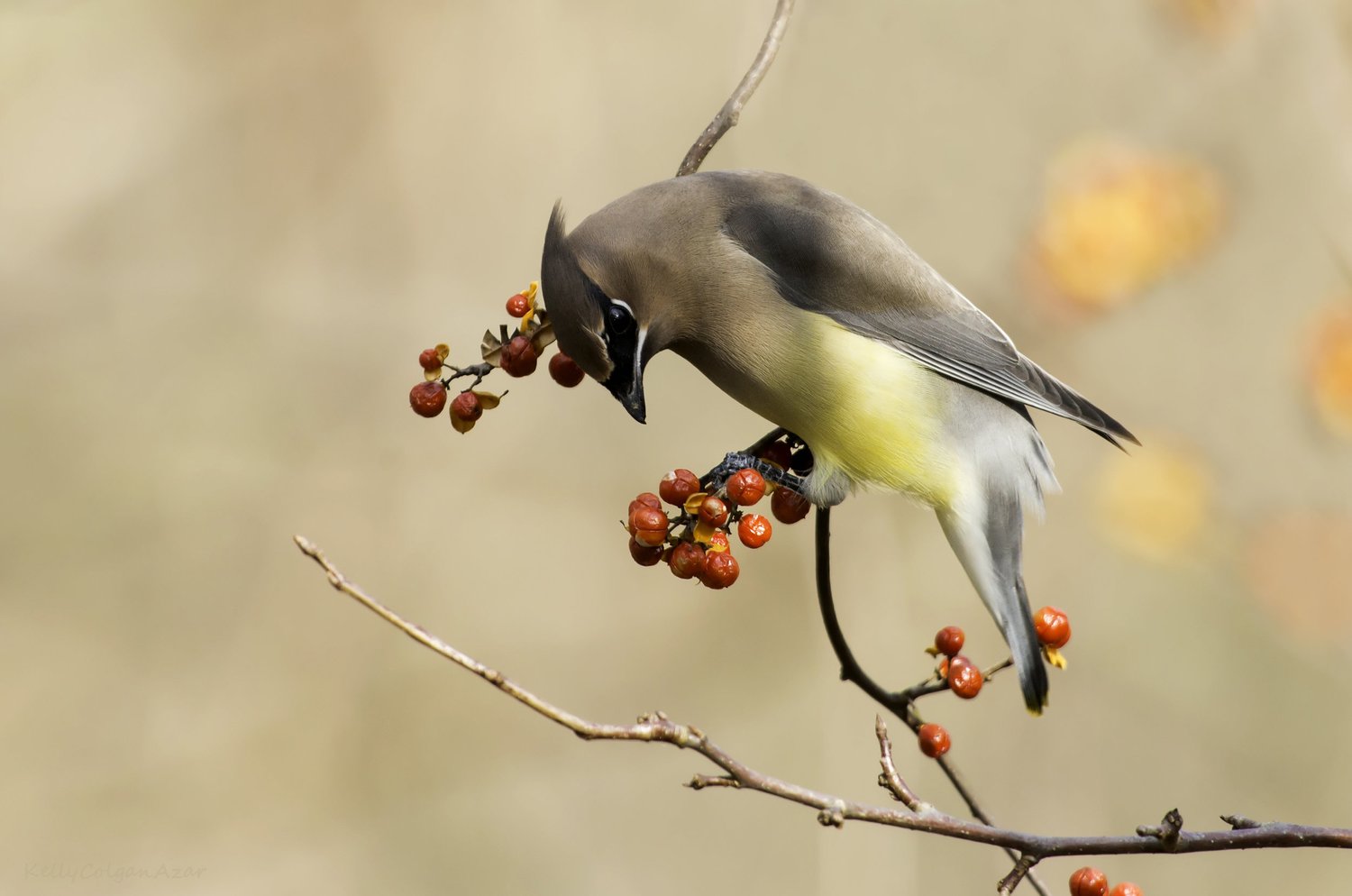
Cedar Waxwings love eating berries. They prefer sweet serviceberry, mulberry, and crabapple. These agile birds pluck berries from trees.
Northern Flicker
Northern Flickers eat insects and berries. Berry-eating birds like them enjoy sumac. Berries provide extra energy during cold seasons.
Birds And Their Favorite Berries
| Bird | Favorite Berries |
| American Robin | Holly, Dogwood, Juniper |
| Cedar Waxwing | Serviceberry, Mulberry, Crabapple |
| Northern Flicker | Sumac, Dogwood |
| Eastern Bluebird | Chokecherry, Elderberry |
| Gray Catbird | Blackberry, Raspberry |
Why Birds Eat Berries
Berries provide nutrients like vitamins and sugars. They give birds quick flight energy. Berries help birds store winter fat.
-
Berries are easy to find.
-
Many birds rely on berries during migration.
-
Berries contain antioxidants supporting bird health.
-
Birds spread berry seeds, aiding growth.
Common Berry-loving Birds
Many birds eat berries for their diet. Berries provide important nutrients and energy. This helps birds survive different seasons.
Some birds are famous for loving berries. Examples include thrushes, waxwings, robins, and mockingbirds. Let’s learn more about these birds that eat fruit.
Thrushes
Thrushes are medium-sized berry eaters. They like dark blueberries and elderberries. Thrushes also eat insects and worms.
They spread seeds by dropping them. Thrushes sing beautifully in forests.
Waxwings
Colorful Waxwings love eating berries. They eat mountain ash and juniper berries. Waxwings eat berries all winter long.
Flocks eat large amounts quickly. Waxwings have soft, silky feathers. Note the red tip on their wings.
Robins
Robins are well-known berry eaters. They like small red holly berries. Robins also eat worms in spring.
Robins hunt for berries in gardens. Their bright orange chest is distinct.
Mockingbirds
Mockingbirds eat mulberries and blackberries. They also catch insects and spiders. Mockingbirds mimic other birds very well.
They live in open backyards. These berry-loving birds enjoy bushes.
Seasonal Berry Eaters
Many birds rely on berries seasonally. Berries provide energy for migration. Different birds eat berries throughout the year.
Some birds travel far for berries. Others stay nearby to eat. Understanding their diet helps protect habitats.
Migratory Birds
Migratory birds fuel flights with berries. They eat small, digestible dark berries. These birds depend on berry availability.
-
American Robin: Eats juniper in fall.
-
Gray Catbird: Feeds on wild grapes.
-
Yellow-rumped Warbler: Consumes wax myrtle.
-
Hermit Thrush: Relies on chokecherries.
Resident Species
Resident birds eat berries all year. They do not migrate away. They depend on berries for winter food.
| Bird Species | Favorite Berries | Season |
| Northern Cardinal | Mulberries, dogwood | Summer to fall |
| Eastern Bluebird | Serviceberries, elderberries | Spring to summer |
| Mockingbird | Blackberries, raspberries | Late summer to fall |
| House Finch | Hawthorn berries, sumac | Fall to winter |

Credit: nkytribune.com
Benefits Of Berries For Birds
Berries are vital for many birds. They provide nutrients for bird health. Birds eat berries found in habitats.
Berries support birds throughout the year. Benefits range from nutrition to energy.
Conservation Scientists highlight a shift in 2026 bird-feeding strategies: "Trust the nutrition: Not all berries are equal. Summer berries (like Mulberries and Blueberries) are high in sugar for quick energy. However, fall and winter berries (like Virginia Creeper and Spicebush) are high in lipids (fats). With the erratic weather patterns we've seen in early 2026, birds need these high-fat berries more than ever to provide the 'long-burn' fuel required to survive sudden cold snaps or long-distance migration."
Nutritional Value
Berries contain vitamins and antioxidants. These elements build strong immune systems. They aid in tissue growth.
-
Vitamin C for immune support
-
Vitamin A for eye health
-
Calcium for bone strength
-
Antioxidants reduce cell damage
-
Fiber for good digestion
Energy Boost During Migration
Migrating birds need high flight energy. Identifying what bird eats berries helps us understand how they stay strong. Berries provide natural sugars for fuel.
| Benefit | How Berries Help |
| Quick Energy | Natural sugars give fast fuel |
| Hydration | High water content keeps birds hydrated |
| Lightweight Food | Easily digestible for faster energy use |
| Rich in Nutrients | Supports endurance and recovery |
Attracting Berry-eating Birds To Your Garden
Backyard birds that eat berries add life. They spread seeds and control insects. Attract them with food and water.
Bird-friendly spaces support local wildlife. Use the right plants and features.
Planting Berry-producing Shrubs
Berry shrubs offer food and shelter. Choose native species for the ecosystem. Shrubs produce berries all year round.
-
Serviceberry (Amelanchier)
-
Elderberry (Sambucus)
-
Holly (Ilex)
-
Blueberry (Vaccinium)
-
Dogwood (Cornus)
Providing Water Sources
Birds need fresh water daily. Clean water brings more birds. Keep water shallow and change often.
| Water Source | Tip |
| Birdbath | Place in shade and clean weekly |
| Shallow dish | Fill with fresh water daily |
| Small pond | Add stones for birds to perch |
Berries To Avoid For Birds
Some berries can harm birds. Know which berries to avoid. Feeding wrong berries causes sickness. Always check berry safety first.
Avian Toxicologists offer a gentle correction on "toxic" berries: "It is a common mistake to assume that berries toxic to humans (like Holly, Pokeweed, and Mistletoe) are also toxic to birds. In fact, many bird species have evolved to eat these safely. Expert Insight: Birds like Robins and Cedar Waxwings rely on Holly berries in late winter once they have softened through several freeze-thaw cycles. While you should keep these away from children and pets, they are actually high-value survival foods for wild birds. The only berries to truly avoid are non-native, invasive species like Buckthorn, which act as a laxative and provide 'empty calories' that don't help birds survive the winter."
Holly Berries
Holly berries look tasty but toxic. They upset birds' stomachs. Too many cause vomiting. Keep birds away from holly.
Mistletoe Berries
White mistletoe berries are poisonous. They can be deadly to birds. Birds should not eat them.
Pokeweed Berries
Dark pokeweed berries are toxic. They cause weakness and breathing problems. Avoid feeding these to birds.
Nightshade Berries
Nightshade berries contain harmful alkaloids. Birds suffer poisoning from them. These berries are unsafe.
Yew Berries
Yew berries have toxic seeds. Seeds poison birds if swallowed. Keep birds away from yew bushes.
Credit: swibirds.org
Frequently Asked Questions
What Types Of Birds Eat Berries Regularly?
Thrushes, robins, and waxwings eat berries. They rely on berries in winter. Insects are scarce then.
Why Do Birds Prefer Berries In Their Diet?
Berries are nutrient-rich and digestible. They provide energy and vitamins. This keeps birds healthy during migration.
How Do Berry-eating Birds Help The Ecosystem?
Birds spread seeds through droppings. This supports plant growth. It maintains ecological balance.
When Is The Best Season To Observe Berry-eating Birds?
Observe them in fall and winter. Food sources become scarce then. Birds rely on berries during these times.
Conclusion
Berries are a favorite food source. Robins and thrushes enjoy them. Waxwings also feast on berries. These birds help spread seeds. Observing birds eating berries is joyful. It highlights nature’s balance. Plant berry bushes to attract them. Your garden becomes a lively habitat. Watch birds and their berry feast. It connects you with nature. Berries support both birds and plants. It is a win-win for everyone.