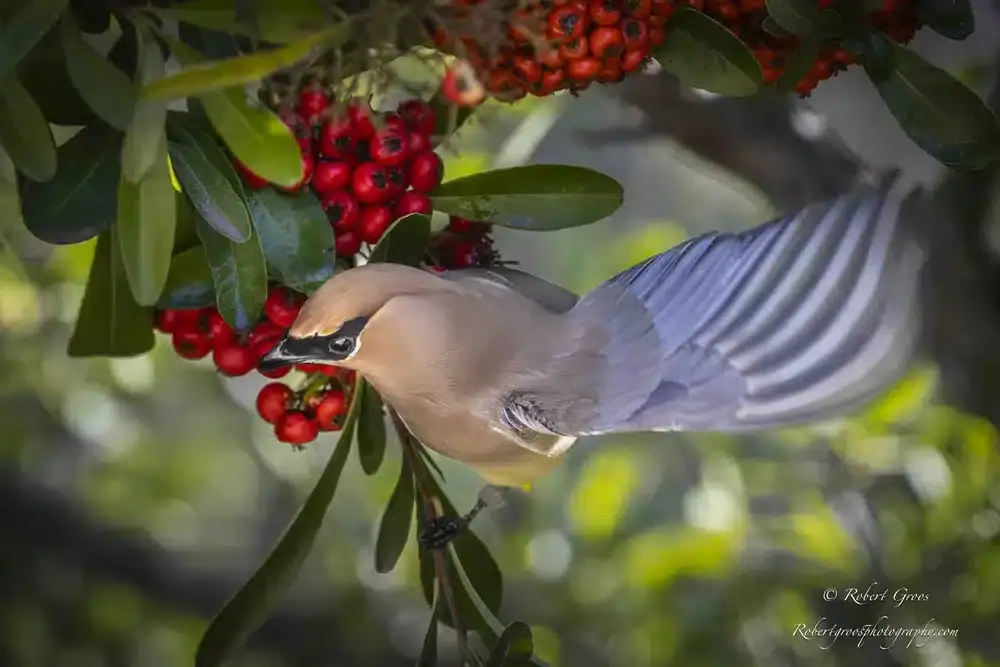
Have you ever wondered which bird dares to eat berries that grow on harsh, rocky lava? It might surprise you to learn that some birds thrive where you’d least expect life to flourish.
These unique birds don’t just survive—they play a crucial role in spreading seeds and bringing color to barren lava fields. If you’re curious about nature’s toughest berry-eaters and how they adapt to such extreme environments, keep reading. You’ll discover fascinating facts that might change the way you see these rugged landscapes forever.
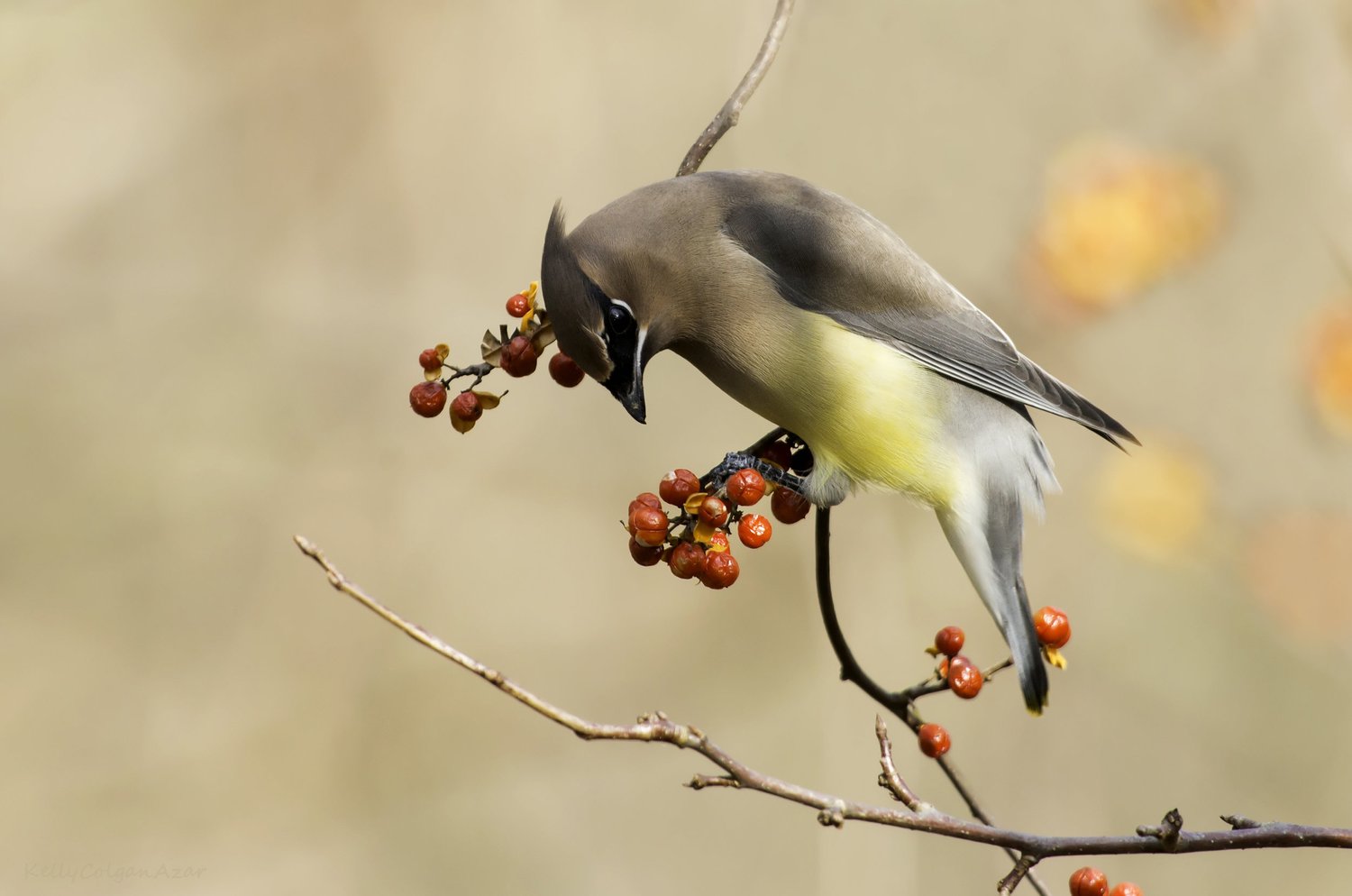
Credit: swibirds.org
Birds Thriving On Lava Fields
Lava fields are harsh environments with rocky ground and little water. Some birds live and find food in these tough places.
One food source for these birds is berries that grow on lava fields. These berries help birds survive in a challenging habitat.
Unique Lava Field Ecosystems
Lava fields are created when lava cools and hardens after a volcanic eruption. They often look empty but have special ecosystems.
These ecosystems have few plants and animals. Birds that live here adapt to the rocky and dry conditions to find food and shelter.
Plant Life On Lava
Plants that grow on lava fields are tough and can survive with little soil or water. Some plants produce berries that birds eat.
These berries provide important nutrition for birds. They help birds stay healthy and raise their young in a tough place.
- Small shrubs with deep roots
- Berries that are high in sugar and water
- Plants that grow in cracks and soil pockets
Adaptations Of Lava Birds
Birds living on lava fields have special habits and bodies. They can find food and water in dry, rocky places.
Many birds eat berries from lava plants. They also have strong feet to walk on sharp rocks and sharp eyes to spot food.
- Strong beaks to eat tough berries
- Good eyesight to find food from far away
- Ability to fly long distances to find water
- Camouflage colors to hide from predators

Credit: nkytribune.com
Berry-producing Plants On Lava
Berries can grow on plants that live on lava fields. These plants survive in tough places where few others can grow. The berries provide food for birds and animals in these harsh environments.
Birds that eat these berries help spread seeds. This helps new plants grow on the lava over time. The berries are an important part of this unique ecosystem.
Types Of Berries Found
Several types of berries grow on lava fields. These berries come from hardy plants that can handle heat and dry soil. Each type of berry has its own color and taste.
- ʻŌhelo berries – small, red, and juicy, common in Hawaii
- Hāpuʻu ferns berries – dark and rare, found near lava flows
- Lava blackberry – tough shrubs with dark purple berries
- Native raspberry – grows in sheltered lava cracks
Survival Strategies Of Lava Berries
Plants that grow berries on lava have special ways to survive. They use little water and grow deep roots to find nutrients. Their berries attract birds to spread seeds far away.
These plants also grow slowly and protect themselves from strong sun. Their berries appear bright to catch birds’ attention. This helps the plant reproduce and spread on lava fields.
Key Birds That Eat Lava Berries
Lava berries grow on volcanic rocks in tropical areas. Some birds rely on these berries as a food source.
These birds help spread the seeds by eating the berries and flying to new places.
Species Overview
Several bird species eat lava berries. These include native Hawaiian birds and other island species.
Common species are the ‘Apapane, Omao, and Japanese White-eye. Each bird has unique features and roles.
- ‘Apapane: A small red bird found in Hawaii.
- Omao: A medium-sized thrush native to Hawaii.
- Japanese White-eye: A small green bird common in Pacific islands.
Feeding Habits And Preferences
These birds eat lava berries as a key part of their diet. They prefer ripe and soft berries.
They use their beaks to pick berries from lava plants. Some birds eat only berries, while others mix them with insects.
- ‘Apapane mainly eats nectar but also eats lava berries.
- Omao eats fruits, including lava berries, and insects.
- Japanese White-eye feeds on berries, nectar, and small insects.
Ecological Role Of Lava Berry Birds
Birds that eat berries growing on lava play a key role in nature. They help plants grow in tough lava areas.
These birds spread seeds and support life on new lava fields. Their actions help build healthy ecosystems.
Seed Dispersal Importance
Birds eat the berries and carry seeds far from the parent plant. This helps plants grow in many places.
Seeds pass through the birds’ digestive systems and land on fertile spots. This increases seed survival and growth.
- Helps plants colonize new lava surfaces
- Increases plant diversity in harsh areas
- Supports regeneration of native plant species
Impact On Lava Ecosystems
Seed spreading by birds changes barren lava into green habitats. Plants provide food and shelter for many animals.
These birds help create a cycle of growth and life. Their role improves soil and helps other species survive.
- Supports new plant growth on volcanic land
- Creates homes for insects and small animals
- Improves soil quality over time
Challenges For Birds In Lava Habitats
Birds living near lava flows face many hardships. The environment is harsh and changes quickly.
Finding food and shelter in this landscape is tough. Birds must adapt to survive here.
Environmental Extremes
Lava habitats have hot surfaces and little shade. Temperatures can rise very high during the day.
- Strong sun with no cover
- Sharp, rough lava rocks
- Limited fresh water sources
- Sudden weather changes
Food Availability Fluctuations
Berries growing on lava are a main food source. But their supply changes with the seasons.
| Season | Berry Availability | Bird Feeding Behavior |
|---|---|---|
| Spring | High | Birds eat berries daily |
| Summer | Medium | Birds search more widely |
| Fall | Low | Birds eat other insects |
| Winter | Very Low | Birds rely on stored fat |
Interesting Adaptations For Lava Survival
Some birds eat berries that grow on lava fields. These birds live in hard places where lava rocks cover the ground. They have unique ways to survive in this tough environment.
Understanding their physical traits and behavior helps us learn how they find food and stay safe on lava.
Physical Traits
Birds that eat lava berries have special bodies to help them live on hot, rough lava. Their feet and beaks are strong and well suited for their environment.
- Strong Feet:Their feet have tough pads that protect them from sharp lava rocks.
- Heat Resistance:Their skin and feathers can handle warm surfaces without damage.
- Sharp Beaks:They use sharp beaks to pick berries from thorny plants.
- Camouflage Feathers:Their feather colors blend with dark lava, hiding them from predators.
Behavioral Strategies
These birds use smart behaviors to survive and find food on lava fields. They know when and where to search for berries safely.
| Behavior | Purpose |
| Foraging early in the morning | Avoids the hottest part of the day on lava rocks |
| Flying short distances between lava patches | Conserves energy and stays safe from predators |
| Nesting in lava crevices | Protects eggs and young from heat and animals |
| Using calls to warn other birds | Alerts group to dangers on open lava fields |

Credit: inkatimetours.com
Frequently Asked Questions
What Bird Commonly Eats Berries On Lava Fields?
The Hawaiian ʻIʻiwi bird frequently consumes berries found on lava fields. It thrives in volcanic regions and feeds on native berry plants.
Why Do Birds Eat Berries Growing On Lava Rocks?
Birds eat these berries for nutrition and energy. The berries provide essential vitamins and sugars needed for survival in volcanic habitats.
Are Lava-growing Berries Safe For Birds To Eat?
Yes, berries growing on lava are safe for birds. They have evolved alongside these plants and rely on them as a food source.
Which Lava Berries Attract The Most Bird Species?
ʻŌhelo berries growing on lava attract many native birds. Their bright color and sweet taste make them popular among various bird species.
Conclusion
Birds eating berries on lava show nature’s resilience. Their unique diet highlights adaptability. These creatures thrive in harsh environments. They demonstrate nature’s incredible balance and resourcefulness. Observing them reminds us of life’s wonders. The relationship between birds and berries is fascinating.
It offers insights into survival strategies. Understanding this helps appreciate ecosystems better. It reveals nature’s interconnectedness. Simple berries can support life in unexpected ways. Birds eating them inspire curiosity and respect for nature. They underline nature’s ability to adapt and flourish.
Such knowledge enriches our appreciation of the natural world.