
Have you ever noticed your dog sniffing or even eating bird droppings during your walks? It might seem harmless, but could this behavior put your furry friend at risk?
You might be wondering, “Can dogs get worms from bird droppings? ” Understanding the answer is crucial to keeping your dog healthy and safe. You’ll discover the hidden dangers lurking in those droppings and learn how to protect your dog from potential infections.
Keep reading to find out what you need to watch for and the simple steps you can take right now.
Credit: www.northroadvet.com.au
Types Of Worms In Dogs
Dogs can get worms from many places, including bird droppings. Worms are parasites that live inside a dog’s body. They can cause health problems if not treated.
Knowing the types of worms helps you protect your dog. Some worms come from soil, animals, or even bird droppings.
Common Intestinal Worms
The most common worms in dogs live in the intestines. These worms can grow and multiply inside the dog’s stomach and intestines.
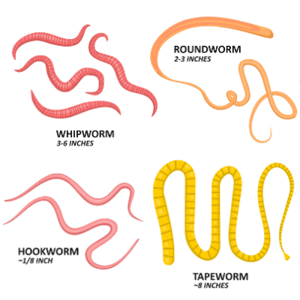
Types of intestinal worms include roundworms, hookworms, tapeworms, and whipworms. Some worms can be passed through contact with bird droppings.
- Roundworms:These are long and look like spaghetti. Dogs can get them from bird droppings or soil.
- Hookworms:Small worms that attach to the intestine wall. They cause blood loss and weakness.
- Tapeworms:Flat and segmented worms. Dogs get them by eating fleas or small animals.
- Whipworms:Thin worms that live in the large intestine. They cause diarrhea and weight loss.
Symptoms To Watch For
Worm infections can cause many signs in dogs. Watch your dog closely for any changes in health or behavior.
Symptoms may vary depending on the worm type and infection level. Early detection helps keep your dog healthy.
- Diarrhea or loose stools
- Vomiting
- Weight loss despite good appetite
- Swollen belly or bloating
- Visible worms in stool or around the anus
- Excessive itching or licking at the rear
- Weakness or lack of energy
- Coughing if worms affect the lungs
Bird Droppings As A Source
Bird droppings can carry parasites that affect animals. Dogs may come into contact with these parasites while playing outside.
It is important to understand the risks linked to bird feces. This helps dog owners keep their pets safe.
Parasites Found In Bird Feces
Bird droppings contain many types of parasites. Some of these parasites can cause illnesses in dogs.
- Coccidia – single-celled parasites causing diarrhea
- Giardia – a parasite that affects the intestines
- Cryptosporidium – causes digestive issues
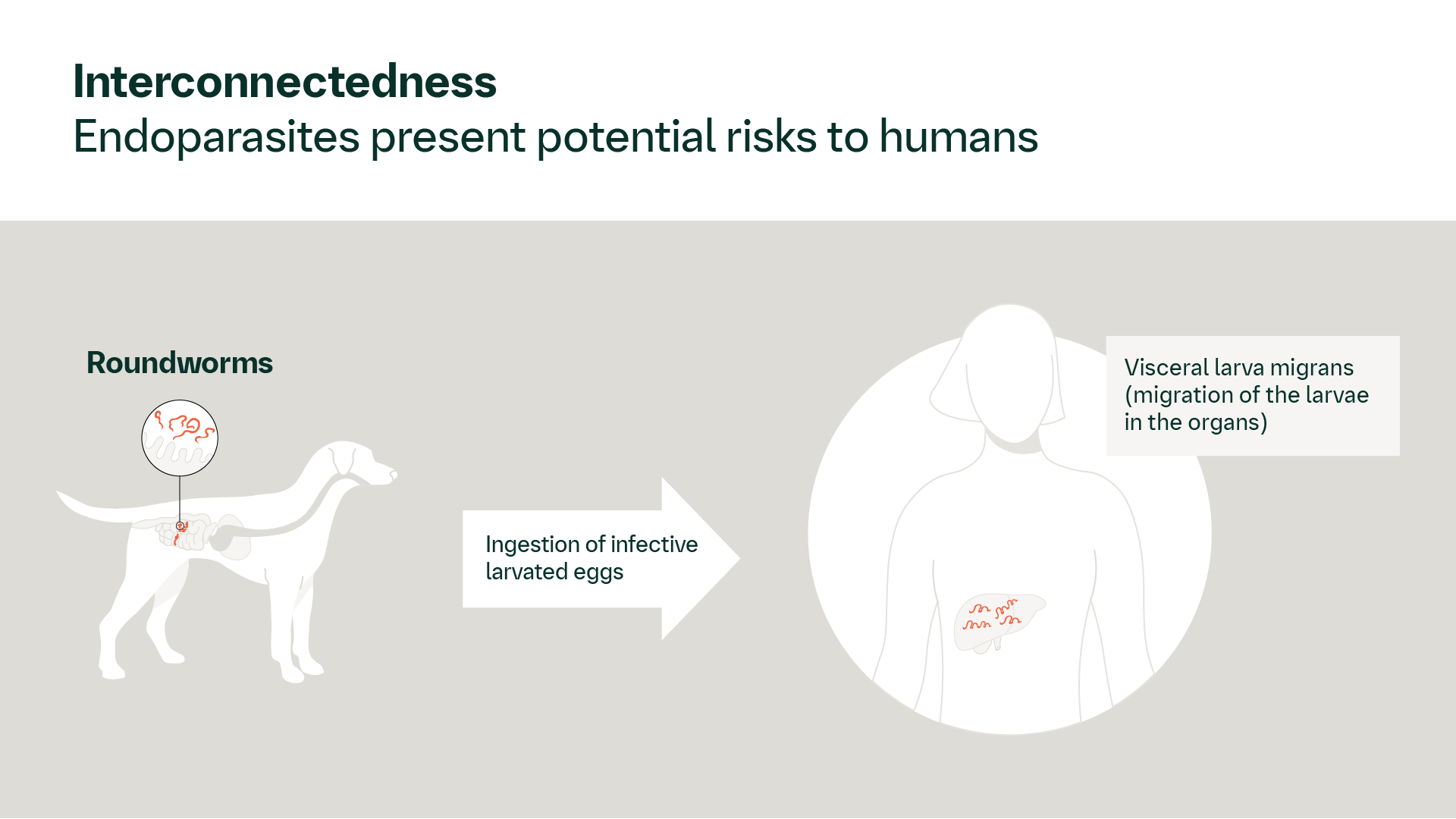
- Roundworms – can infect dogs through contaminated soil or feces
- Tapeworms – sometimes found in birds and can be passed on
Risk Of Transmission To Dogs
| Transmission Method | Risk Level | Notes |
| Direct contact with bird droppings | High | Dogs sniff or lick droppings |
| Ingesting contaminated soil | Medium | Parasites can live in soil |
| Contact with infected birds | Low | Less common but possible |
| Contaminated water sources | Medium | Bird droppings can pollute water |
Dogs that eat or sniff bird droppings can get infected. Young or sick dogs have higher risk.
How Dogs Contract Worms
Dogs can get worms in many ways. One common source is bird droppings. These droppings may contain worm eggs or larvae.
Understanding how dogs get worms helps pet owners keep their pets safe. Two main ways are direct contact and ingestion.
Direct Contact With Contaminated Areas
Bird droppings can contaminate soil, grass, and surfaces. Dogs that play or walk in these areas can pick up worm eggs on their paws or fur.
- Dogs sniff or lick areas with bird droppings.
- Worm eggs stick to dog’s fur or paws.
- Dogs swallow eggs when grooming themselves.
Ingestion Of Infected Material
Eating or licking bird droppings or infected prey can pass worms to dogs. The worms then grow inside the dog’s body.
| Source | How Worms Are Passed |
| Bird Droppings | Contain worm eggs; dogs eat or lick droppings |
| Infected Prey | Worms live inside prey; dogs eat prey and get worms |
| Contaminated Soil | Worm eggs in soil stick to dog’s paws; dogs lick paws |
Credit: www.preventivevet.com
Preventing Worm Infections
Dogs can get worms from bird droppings. These droppings may carry worm eggs or larvae. It is important to keep your dog safe from infections.
Preventing worm infections helps keep dogs healthy and happy. Good care and habits reduce the risk of worms.
Hygiene Practices For Pets
Keep your dog’s living area clean and dry. Remove bird droppings from places your dog visits. Wash your dog’s paws and fur if they contact bird droppings.
Use safe cleaning products to disinfect areas. Avoid letting your dog eat or sniff bird droppings. Clean food and water bowls regularly.
- Clean outdoor spaces often
- Wash your dog after outdoor play
- Store dog food in sealed containers
- Keep bird feeders away from dog areas
Regular Deworming Schedules
Follow a regular deworming schedule for your dog. Deworming medicine kills worms before they cause harm. Ask your vet about the right schedule.
Start deworming puppies early and continue as advised. Adult dogs need treatment at least twice a year. Adjust the schedule if your dog is at higher risk.
- Deworm puppies every 2 weeks until 12 weeks old
- Deworm adult dogs every 3 to 6 months
- Consult your vet for special cases
When To See A Vet
Dogs can get worms from bird droppings if they come into contact with contaminated areas. It is important to watch your dog closely. Knowing when to see a vet can help keep your dog healthy.
If your dog shows signs of illness or strange behavior after being near bird droppings, do not wait. Early vet visits can prevent serious health problems.
Signs Of Worm Infestation
Dogs with worms may show many signs. Watch for changes in your dog’s health and behavior. These signs mean your dog needs a vet check.
- Diarrhea or vomiting
- Weight loss even with normal eating
- Swollen belly or bloating
- Visible worms in stool
- Excessive itching or scratching
- Weakness or tiredness
- Coughing or breathing problems
Diagnostic Tests And Treatments
The vet will check your dog’s stool for worm eggs. Blood tests may also be done to find the type of worms. Diagnosis helps the vet choose the right treatment.
Treatment usually includes deworming medicine. The vet will tell you how to give the medicine and how long to treat your dog. Follow all instructions carefully.
- Stool sample test to find worms
- Blood tests to check overall health
- Deworming pills or liquids
- Follow-up visits to ensure worms are gone
- Cleaning your dog’s environment to prevent reinfection
Credit: www.boehringer-ingelheim.com
Frequently Asked Questions
Can Dogs Get Worms From Bird Droppings?
Yes, dogs can get worms from bird droppings. Bird droppings may contain parasite eggs that infect dogs when ingested. Regular deworming and preventing dogs from eating droppings reduce infection risk.
What Types Of Worms Come From Bird Droppings?
Common worms from bird droppings include roundworms and tapeworms. These parasites can cause digestive issues in dogs and require veterinary treatment. Early detection helps prevent serious health problems.
How To Prevent Dogs From Getting Worms From Droppings?
Keep your dog away from areas with bird droppings. Clean your yard regularly and supervise outdoor play. Use regular deworming medications as advised by your vet for added protection.
What Symptoms Show If A Dog Has Worms From Birds?
Symptoms include vomiting, diarrhea, weight loss, and a dull coat. Some dogs may scratch their rear or show lethargy. Consult a vet if you notice these signs for timely treatment.
Conclusion
Dogs can indeed catch worms from bird droppings. This happens when they ingest contaminated feces. Regular vet check-ups help in early detection. Always clean your yard to remove bird droppings. Keep your dog away from areas with many birds. Consistent deworming treatments are crucial.
Use them as per your vet’s advice. Monitor your dog’s health for any signs of worms. Early action can prevent bigger health issues. Protecting your dog from worms keeps them healthy and happy. Stay informed and proactive about their health.
Your dog deserves the best care.



