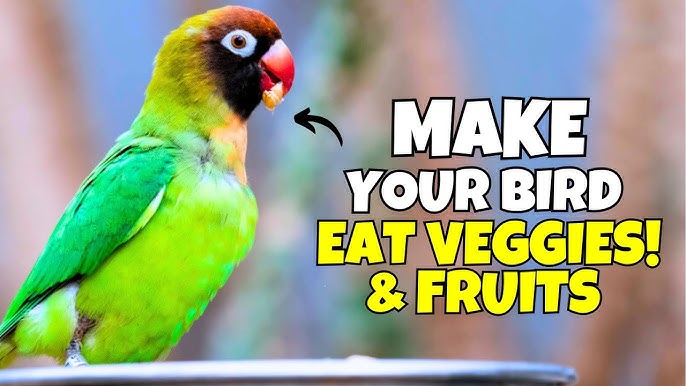
Are you struggling to get your bird interested in eating fruit? You’re not alone.
Many bird owners want to add more fresh, healthy options to their pet’s diet but find it hard to make fruit appealing. The good news is, with a few simple tricks, you can encourage your feathered friend to enjoy juicy, tasty fruits every day.
Keep reading, and you’ll discover easy steps to make fruit a favorite treat for your bird—boosting their health and happiness in no time.
Benefits Of Fruits For Birds
Fruits are a healthy treat for birds. They add variety to a bird’s diet and offer many benefits.
Adding fruits to your bird’s meals helps keep them strong and happy. Fruits provide important nutrients birds need.
Nutritional Value
Fruits have vitamins and minerals that support bird health. They give energy and help the immune system.
Many fruits contain vitamin C, vitamin A, and antioxidants. These keep birds active and prevent sickness.
- Vitamin C helps fight infections
- Vitamin A supports eye health
- Antioxidants reduce cell damage
Improved Digestion
Fruits have fiber that helps birds digest food better. Fiber moves waste through the gut easily.
Better digestion means birds absorb more nutrients. This keeps their stomachs healthy and prevents constipation.
- Fiber aids smooth digestion
- Fruits add water to diet for hydration
- Natural sugars give quick energy
Enhanced Feather Health
Fruits help birds grow strong, shiny feathers. Nutrients in fruits support feather growth and repair.
Good feather health means birds stay warm and fly well. Fruits keep feathers soft and colorful.
- Vitamin A improves feather quality
- Antioxidants protect feather cells
- Hydration keeps feathers smooth
Choosing The Right Fruits
Feeding fruit to your bird can be a healthy treat. Picking safe and tasty fruits helps your bird enjoy its food. Some fruits are better than others for birds.
Knowing which fruits to offer keeps your bird safe and happy. This guide covers safe fruits, fruits to avoid, and organic fruit choices.
Safe Fruits For Birds
Many fruits provide vitamins and hydration. Birds usually like sweet and juicy fruits. Here are some fruits you can safely give your bird.
- Apples (remove seeds)
- Bananas
- Berries like strawberries and blueberries
- Melons such as cantaloupe and watermelon
- Oranges and other citrus fruits in small amounts
- Pears (remove seeds)
- Mango
Fruits To Avoid
Some fruits can harm your bird. Avoid fruits with high toxicity or seeds that are dangerous. Keep these fruits away from your pet bird.
| Fruit | Reason to Avoid |
| Avocado | Contains toxins that can be fatal |
| Cherry Pits | Contains cyanide in seeds |
| Apple Seeds | Contains cyanide in seeds |
| Rhubarb | Toxic leaves and stalks |
| Tomatoes (green parts) | Toxic leaves and stems |
Organic Vs. Non-organic
Organic fruits have fewer pesticides. Birds are sensitive to chemicals. Choosing organic can protect your bird’s health.
- Organic fruits reduce chemical exposure
- Non-organic fruits may contain pesticide residues
- Wash all fruits well before feeding
- Peeling non-organic fruits can lower chemical risk
- Offer a variety of fruits for balanced nutrition
Introducing Fruits Gradually
Adding fruits to your bird’s diet can be a healthy choice. Birds may need time to accept new flavors. Introducing fruits slowly helps them adjust without stress.
Patience is key when offering new foods. Start with small amounts and watch your bird’s reaction. This way, you can find what fruits your bird likes best.
Start With Familiar Flavors
Use fruits that taste similar to your bird’s usual foods. Birds often prefer flavors they know. Choose fruits that are mild and sweet to begin with.
- Try apples or pears first
- Offer small slices to test interest
- Avoid sour or bitter fruits at the start
- Observe if your bird eats or ignores the fruit
Mixing Fruits With Favorite Foods
Combine new fruits with foods your bird already loves. This blend makes the fruit less strange. It encourages your bird to taste and enjoy the fruit more easily.
| Favorite Food | Fruit to Mix |
| Seed Mix | Small apple pieces |
| Nuts | Banana slices |
| Pellets | Soft pear chunks |
Offering Small Portions
Start by giving only a little fruit at a time. Small portions prevent waste and reduce hesitation. They let your bird get used to the taste without pressure.
- Cut fruit into tiny pieces
- Place fruit in a separate dish
- Offer fruit once a day at first
- Increase portion size slowly
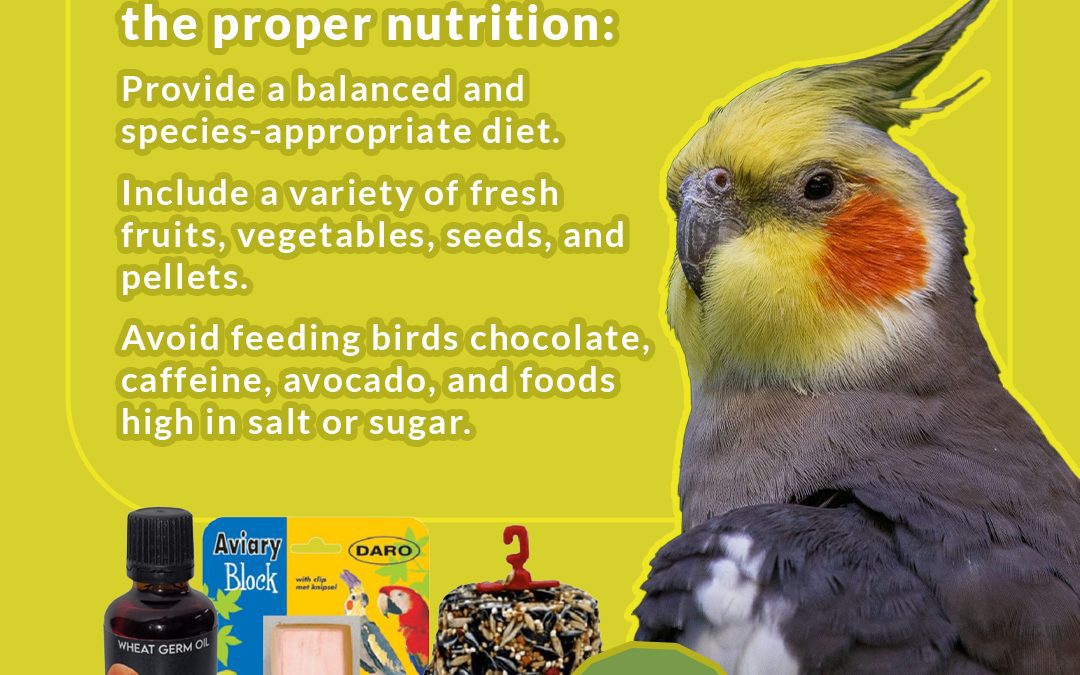
Credit: kimvet.co.za
Creative Serving Ideas
Getting your bird to eat fruit can be fun and rewarding. Using creative serving ideas helps make fruit more appealing to your feathered friend.
Try different ways to present fruit so your bird stays curious and interested. This also adds variety to their diet.
Fruit Skewers And Kabobs
Thread small pieces of fruit onto a skewer or kabob stick. This makes it easy for your bird to pick and nibble on different fruits.
- Use fruits like apple, banana, and melon cut into bite-size pieces.
- Alternate colors to create a bright, attractive skewer.
- Hang the skewer in the cage for your bird to explore.
- Change fruits often to keep it fresh and exciting.
Frozen Fruit Treats
Freezing fruit makes a cool treat that birds love to peck at during warm days. It also helps keep the fruit fresh longer.
| Fruit | Freezing Tip | Serving Idea |
| Strawberries | Wash and cut into halves | Serve frozen on a small plate |
| Grapes | Freeze whole for easy picking | Place inside a shallow dish |
| Blueberries | Freeze in small batches | Add to water dish for flavor |
Fruit Salad Mix
A fruit salad mix offers many flavors and textures in one dish. This encourages your bird to try new fruits.
Try this simple fruit salad for your bird:
- Chopped apples (no seeds)
- Small banana slices
- Pieces of kiwi
- Chunks of watermelon (seedless)
- Blueberries or grapes (cut in half)
Mix gently and serve in a shallow bowl. Refresh daily to keep it tasty.
Encouraging Fruit Eating Behavior
Getting your bird to eat fruit can improve its health. Fruits provide vitamins and natural sugars birds enjoy.
Some birds may not like fruit at first. You can help by encouraging good eating habits.
Positive Reinforcement
Use rewards to encourage your bird. Give a treat or praise when it tries fruit. This builds a positive link with eating fruit.
- Offer a favorite treat after eating fruit
- Use gentle praise and petting
- Be patient and consistent with rewards
Setting A Routine
Birds thrive on routine. Set a regular time to offer fruit daily. This helps your bird expect and accept fruit more easily.
| Time | Activity |
| Morning | Offer fresh fruit pieces |
| Afternoon | Provide water and check fruit bowl |
| Evening | Remove uneaten fruit to keep fresh |
Modeling With Other Birds
Birds learn by watching others. Let your bird see other birds eating fruit. This can make it curious and willing to try.
Try placing your bird near a fruit-eating companion. Watch closely to ensure they are comfortable.
Seeing peers enjoy fruit can encourage your bird to join in.
Monitoring Your Bird’s Response
Introducing fruit to your bird’s diet is a gentle process. It is important to watch how your bird reacts. Monitoring helps you understand if your bird enjoys the new food.
Careful observation lets you notice any problems early. This keeps your bird safe and happy while trying new fruits.
Signs Of Acceptance
Look for signs that your bird likes the fruit. These signs show your bird is comfortable and willing to eat the new food.
- Your bird approaches the fruit without fear
- Pecking or nibbling on the fruit pieces
- Showing excitement or vocalizing near the fruit
- Returning for more fruit servings
- Eating the fruit without hesitation
Watch For Allergies
Allergies or bad reactions can be serious. Watch your bird closely after giving fruit for the first time.
| Symptom | Description |
| Swelling | Noticeable puffiness around eyes or beak |
| Itching | Bird scratching or rubbing its face |
| Vomiting | Throwing up shortly after eating |
| Diarrhea | Loose or watery droppings |
| Breathing Difficulty | Rapid breathing or wheezing sounds |
If you see these signs, stop giving the fruit. Contact a vet for advice.
Adjusting Fruit Choices
Not all fruits suit every bird. You may need to try different fruits to find the best ones.
- Remove any fruit that causes a bad reaction.
- Offer a variety of safe fruits in small amounts.
- Observe your bird’s interest and health after each new fruit.
- Keep a list of fruits your bird likes and avoids.
- Gradually increase the amount of preferred fruits.
Maintaining A Balanced Diet
Giving your bird a balanced diet is key to its health. Fruit is tasty and healthy, but it should not be the only food.
Combining fruits with other foods helps keep your bird strong and happy every day.
Combining Fruits With Pellets And Seeds
Fruits add vitamins and water to your bird’s diet. Pellets and seeds give protein and fats. Mixing them gives balance.
- Offer pellets as the main food for steady nutrition.
- Add fresh fruits daily for variety and vitamins.
- Give seeds in small amounts as treats.
- Wash all fruits well before serving.
- Remove uneaten fruit after a few hours to avoid spoilage.
Avoiding Overfeeding
Too much fruit can cause digestive problems or weight gain. Watch how much your bird eats each day.
| Food Type | Suggested Daily Amount |
| Pellets | About 70% of total diet |
| Fresh Fruits | Up to 15% of total diet |
| Seeds | Up to 15% of total diet |
Consulting An Avian Vet
Talk with a vet who knows birds to check your pet’s diet. They can suggest the best foods and amounts.
Ask your vet about:
- Which fruits are safe for your bird species
- Signs of vitamin deficiencies or excess
- How to introduce new foods safely
- Health checks to keep your bird well

Credit: www.birdwatchingdaily.com

Credit: www.reddit.com
Frequently Asked Questions
How Can I Introduce Fruit To My Bird Gradually?
Start by offering small, fresh fruit pieces alongside regular food. Observe your bird’s reaction and slowly increase fruit portions over time. Consistency and patience help birds accept new foods comfortably.
What Fruits Are Safe And Healthy For Birds?
Safe fruits include apples, bananas, berries, melons, and grapes. Avoid avocado, rhubarb, and fruit seeds, as they can be toxic. Always wash fruits thoroughly before serving.
How To Make Fruit More Appealing To Birds?
Cut fruits into bite-sized pieces and mix them with seeds or pellets. Serve fresh, colorful fruits to attract your bird’s attention. Experiment with different textures and flavors to find favorites.
When Is The Best Time To Offer Fruit To Birds?
Offer fruit as a mid-morning or afternoon treat, not replacing their main diet. Fresh fruit should be given daily but in moderation to avoid digestive issues.
Conclusion
Encouraging your bird to eat fruit can improve its health. Start small. Introduce fruits gradually. Observe your bird’s preferences. Make eating fruits a fun activity. Consistency is key. Be patient with your feathered friend. Different birds have different tastes. Experiment with various fruits.
Always ensure the fruits are safe. Avoid harmful ones. Your bird deserves a balanced diet. Keep trying if it resists. Watch for any changes in behavior. Celebrate small victories. A healthy bird is a happy bird. Enjoy bonding over delicious fruits.
Your efforts will pay off.