A Bird Perched at the Top of a Branch
Have you ever noticed a bird perched at the top of a tall tree or a high rooftop? That simple scene holds more meaning than you might think.
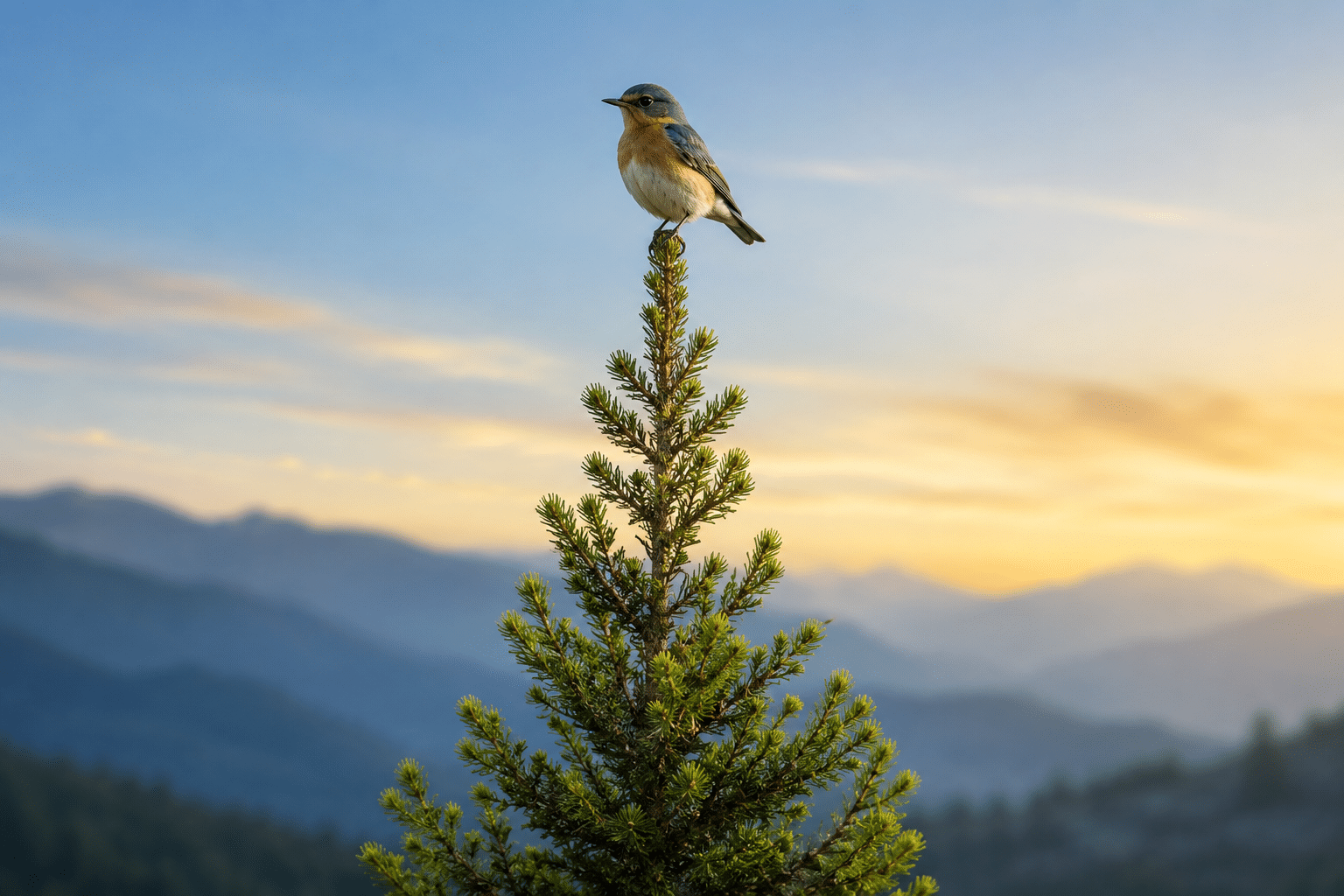
Imagine a moment when you spot A Bird Perched at the Top of a tree, its presence commanding attention and evoking a sense of wonder.
It sparks curiosity and invites you to pause and reflect. What draws that bird to such a spot? What can you learn from its quiet strength and perspective? You’ll discover how this small moment can inspire your own outlook, boost your focus, and change the way you approach challenges.
Keep reading—you’re about to see the world from a whole new angle.

Credit: www.shutterstock.com
Understanding the significance of A Bird Perched at the Top of its perch can deepen our appreciation for wildlife.
Scenic Vantage Points
Birds often seek high places to rest and watch the world below. These spots offer wide views and fresh air. Humans also enjoy these scenic vantage points for the same reasons.
When A Bird Perched at the Top of a tall tree, it sees the world with a unique perspective that many of us can learn from.
From nature to urban areas, tall locations give a special perspective. Let’s explore some popular places where birds perch and views unfold.
Mountain Peaks
Mountain peaks stand tall above the land. Birds use these high spots to spot prey and rest safely. The air is clear and cool, making it a peaceful place to pause.
A Bird Perched at the Top of a mountain peak can spot danger from miles away, enhancing its survival.
- Wide panoramic views of valleys and forests
- Strong winds that birds use for gliding
- Quiet surroundings away from humans
- Sunrise and sunset views that paint the sky
Tall Trees
Tall trees give birds a natural perch. They also provide shade and shelter from weather. Many birds choose these spots to build nests and watch for food.
A Bird Perched at the Top of a tree can witness the changing seasons and the life that unfolds below.
| Tree Type | Height (feet) | Bird Species Seen |
| Oak | 70 | Woodpeckers, Hawks |
| Pine | 100 | Owls, Jays |
| Redwood | 300 | Eagles, Ravens |
Skyscraper Rooftops
In cities, birds use skyscraper rooftops as lookout points. These tall buildings mimic natural high spots. They offer a safe place above the busy streets.
Urban dwellers can often catch sight of A Bird Perched at the Top of skyscrapers, blending nature with city life.
Here are reasons why skyscraper rooftops attract birds:
- Good views to find food and other birds
- Warm surfaces for resting in cold weather
- Few ground predators nearby
- Places to build nests or rest during migration

Credit: freerangestock.com
Birds’ Perspective
The insight gained from A Bird Perched at the Top of its domain opens new avenues for understanding nature.
Birds see the world in a unique way from high above. Their view shapes how they live and survive. Understanding this view helps us learn more about birds and nature.
From flight patterns to hunting and territory, birds use their perspective to navigate and thrive. Each behavior links to how they perceive their environment.
Every time you see A Bird Perched at the Top of a tree, remember the lessons it teaches us about life and focus.
Flight Patterns
Birds follow specific flight paths based on wind, weather, and landmarks. These patterns help them save energy and avoid dangers.
- Soaring high to spot prey or threats
- Using thermal currents to glide without flapping
- Flying in formations to reduce wind resistance
- Changing altitude to navigate obstacles
Hunting Strategies
Birds hunt with sharp vision and fast movements. Their perspective helps them find food with less effort.
When we observe A Bird Perched at the Top of its perch, we can learn about the patience and skill it takes to hunt.
| Strategy | Description |
| Spotting | Birds watch from above to locate prey |
| Diving | Quickly dropping to catch fish or insects |
| Hovering | Staying still in air to aim precisely |
| Ambushing | Waiting quietly before striking |
Territorial Views
Birds use their perch to watch over their area. They defend it from others to keep food and safety.
Watching A Bird Perched at the Top of its territory can teach us about vigilance and the need to defend our space.
Common signs of territorial behavior:
- Singing loudly to warn intruders
- Chasing away other birds
- Marking boundaries with calls or displays
- Choosing high spots to see all around
Natural Wonders From Above
Birds see the world in a special way. From high above, they spot beauty few can reach.
A Bird Perched at the Top of the forest canopy gives us a glimpse into a world that is often hidden from view.
Looking down from a bird’s perch shows forests, rivers, and skies in a new light.
Forests And Valleys
Forests look like green blankets spread over the land. Valleys cut through them like deep paths.
- Tall trees stand close together
- Sunlight filters through leaves
- Valleys hold streams and animals
- Colors change with seasons
Rivers And Lakes
Rivers twist like ribbons across the earth. Lakes rest quietly like mirrors reflecting the sky.
From A Bird Perched at the Top of a lakeside tree, the reflections of the water create mesmerizing visuals.
| Feature | Description |
| Rivers | Flow through forests and fields |
| Lakes | Gather rain and streams in basins |
| Water Color | Blue, green, or muddy depending on depth |
| Wildlife | Fish, birds, and insects thrive here |
Sunrises And Sunsets
Sunrises paint the sky with soft pinks and gold. Sunsets blaze with reds and oranges before night.
Witnessing A Bird Perched at the Top of a tree during sunrise adds beauty to the start of the day.
Colors to watch for:
- Morning: pale pink, light orange, soft purple
- Evening: deep red, bright orange, violet
- Cloud shapes change with light
- Birds often sing more at these times

Credit: www.shutterstock.com
Hidden Secrets Revealed
A bird perched high can show us hidden parts of nature. These places hold many secrets.
Each observation of A Bird Perched at the Top of its environment reveals the secrets of nature’s design.
We explore animal homes, rare plants, and unseen views. These treasures lie where few look.
Animal Habitats
Animals live in special spots that fit their needs. These habitats protect them from harm.
Birds build nests in tall trees or cliffs. Small animals hide in bushes or underground.
The habitats around A Bird Perched at the Top of a cliff tell stories of survival and adaptation.
- Forests give shelter to many species
- Wetlands support water birds and fish
- Grasslands are homes for insects and small mammals
Rare Plant Species
Some plants grow only in hidden places. These rare plants need special care to survive.
They can have unique shapes or colors. These plants help keep the ecosystem balanced.
- Orchids that bloom in deep forests
- Succulents found on rocky cliffs
- Ferns that grow in damp, shaded areas
Unseen Landscapes
Many beautiful views remain hidden from most people. These landscapes are quiet and untouched.
They include deep valleys, secret waterfalls, and high mountain peaks. These places show nature’s true beauty.
A Bird Perched at the Top of hidden landscapes encourages us to explore the uncharted.
- Remote valleys with clear streams
- Hidden waterfalls behind thick trees
- Mountain tops with wide views of the land
Photography Tips From The Top
Photography of A Bird Perched at the Top of its sanctuary allows us to capture its beauty and grace.
Birds perched at the top of trees or posts make great photo subjects. These tips will help you take better pictures of them.
Learn how to capture wide angles, use natural light, and time your shots perfectly for stunning photos.
Capturing Wide Angles
Wide angles show the bird and its surroundings well. Use a wide-angle lens or zoom out to include more of the scene.
This gives context and tells a story about where the bird is perched.
- Keep the bird sharp in the center of the frame
- Include branches or sky for natural framing
- Use a tripod for steady shots
Using Natural Light
Natural light makes bird photos look clear and bright. Take pictures in the early morning or late afternoon.
The soft light at these times reduces harsh shadows and shows the bird’s colors well.
- Avoid direct noon sun to prevent strong shadows
- Shoot with the sun behind you for even light
- Use cloudy days for softer, diffused light
Timing The Perfect Shot
Birds move quickly, so timing matters. Watch the bird’s behavior and be ready to click.
Take many shots to increase your chance of a great photo.
- Focus on the bird’s eyes for sharpness
- Use burst mode to capture fast movements
- Be patient and wait for the bird to look your way
Cultural Significance Of High Perches
A Bird Perched at the Top of cultural discussions highlights the deep connection between humans and nature.
Birds often choose high perches to watch their surroundings. This behavior has many meanings in cultures worldwide. People see birds on tall places as symbols of freedom and vision.
High perches also appear in stories, art, and books. They represent ideas beyond just nature. Let’s explore how high perches shape myths, art, and literature.
Understanding the symbolism of A Bird Perched at the Top of our stories enriches our cultural narratives.
Myths And Legends
Many cultures tell stories about birds perched high. These birds often carry messages from gods or the spirit world. They watch over people and warn them of danger.
- In Native American tales, the eagle on a high tree means strength and courage.
- In Greek myths, the raven on a tower is a sign of prophecy.
- In African folklore, birds on tall baobab trees bring good luck.
Symbolism In Art
Artists use birds on high perches to show power and freedom. Paintings and sculptures often place birds above humans. This shows a link between earth and sky.
| Art Type | Symbolism of Birds on High Perches |
| Painting | Freedom and watchfulness |
| Sculpture | Strength and protection |
| Folk Art | Connection to spirits |
Birds In Literature
Writers often describe birds on high branches to set a scene or mood. These birds symbolize hope, dreams, or warning signs. They help readers feel the story’s deeper meaning.
In literature, A Bird Perched at the Top of a tree often symbolizes freedom and potential.
Examples of birds in literature:
- In “To Kill a Mockingbird,” the mockingbird represents innocence and goodness.
- In “The Raven” by Edgar Allan Poe, the raven’s perch shows mystery and loss.
- In many poems, birds on high perches symbolize freedom and aspiration.
Frequently Asked Questions
What Does A Bird Perched At The Top Symbolize?
A Bird Perched at the Top of its domain symbolizes freedom, perspective, and achievement. It signifies reaching new heights.
Why Do Birds Choose High Places To Perch?
Birds choose high places like A Bird Perched at the Top of a tree for safety and better visibility, helping them spot predators.
How Does A Bird’s Perch Affect Its Behavior?
A Bird Perched at the Top of its environment influences its behavior, enhancing its alertness and social interactions.
Can The Perch Location Impact Bird Species Identification?
Yes, the location of A Bird Perched at the Top aids in identifying species, providing insights into their habits and preferences.
Conclusion
A Bird Perched at the Top serves as a powerful reminder to pause and reflect on nature’s lessons. It inspires us to seek new perspectives.
Appreciate small moments. Find peace and understanding. Embrace the beauty around us. Let nature guide your thoughts. With each new day, seek fresh perspectives. Grow in wisdom and awareness. The bird teaches patience and serenity. A gentle reminder of life’s simple joys.
Always seek higher understanding. Let your spirit soar like the bird.