Have you ever wished your classroom could come alive with the sights and sounds of nature? Imagine your students watching colorful birds visit right outside your window, sparking curiosity and excitement in every lesson.
Classroom window bird feeders make this possible by bringing wildlife up close, creating a unique learning experience that’s both fun and educational. If you want to transform your classroom into a vibrant, interactive space where students connect with nature every day, keep reading to discover how these simple feeders can make a big impact.
Benefits Of Window Bird Feeders
Classroom window bird feeders bring birds close to students. They help children see nature from inside school.
These feeders create chances for students to learn and enjoy watching birds safely. This is good for many reasons.
Encouraging Outdoor Observation
Window feeders make birds visible up close. Students watch birds without leaving the classroom.
Watching birds helps students notice details like colors, shapes, and behaviors. This skill grows their observation power.
Enhancing Learning Experiences
Bird feeders add real-life examples for science lessons. Students learn about animals and ecosystems by seeing birds daily.
Teachers can use feeders to teach reading, writing, and math. Students can write stories or count bird visits.
- Identify bird species and traits
- Record bird activity for data practice
- Create bird-related art and stories
Promoting Environmental Awareness
Window feeders teach students to care for nature. They see how birds depend on food and safe spaces.
Students learn to protect animals and their habitats. This helps build respect for the environment from a young age.

Credit: www.amazon.com
Choosing The Right Bird Feeder
Classroom window bird feeders bring birds close for learning. They help students observe birds safely indoors.
Picking the right feeder makes bird watching easier and safer for kids. Consider the feeder type, material, and safety features.
Types Of Window Feeders
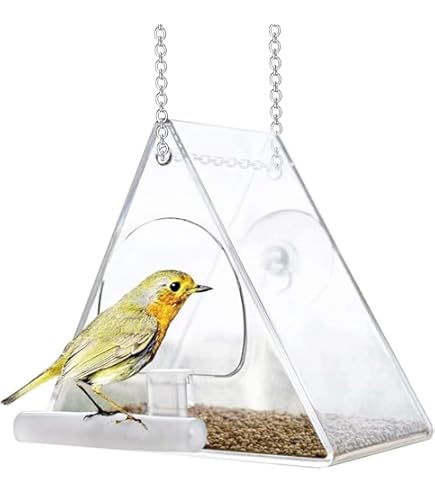
Window feeders come in many designs. Some have suction cups, others hang outside the window.
- Suction cup feeders stick directly on glass for close views.
- Hanging feeders attach outside a window with a hook or bracket.
- Platform feeders offer a flat surface for many birds.
- Tube feeders hold seeds in a clear container for easy viewing.
Choose a type that fits your window and bird watching goals. Clear views help students see birds better.
Materials And Durability
Feeders come in plastic, metal, or wood. Each material has benefits and drawbacks.
- Plastic feeders are light and easy to clean but may crack in cold weather.
- Metal feeders last long and resist chewing by squirrels.
- Wood feeders look natural but need sealing to avoid rot.
Choose materials that last outdoors and are safe for birds. Durable feeders reduce the need for repairs.
Safety Considerations
Safety is key when placing feeders near classrooms. Avoid feeders with sharp edges or small parts.
- Check suction cups often to prevent falls.
- Place feeders where birds can escape if threatened.
- Use bird-safe paint or finishes without chemicals.
- Keep feeders clean to stop disease spread.
Safe feeders protect birds and children. Regular checks keep the feeding area healthy and fun.
Selecting Bird Food
Choosing the right bird food is important for a classroom window bird feeder. Different birds like different foods. The right food helps attract many bird types.
Good food keeps birds healthy and coming back to your feeder. It also makes watching birds fun and educational.
Popular Bird Seeds
Some bird seeds are popular because many birds enjoy them. These seeds attract a wide variety of birds to your feeder.
- Black oil sunflower seeds: small and easy to eat
- Millet: favorite of sparrows and finches
- Nyjer (thistle seed): loved by finches and siskins
- Cracked corn: attracts larger birds like jays
- Safflower seeds: good for cardinals and grosbeaks
Seasonal Food Choices
Bird food needs can change with the seasons. Offering different foods helps birds survive all year.
In winter, birds need high-energy seeds. In spring and summer, fresh fruits and insects attract more species.
- Winter: sunflower seeds and suet for energy
- Spring: soft fruits and mealworms for babies
- Summer: berries and nectar for variety
- Fall: nuts and seeds for fat buildup
Avoiding Harmful Foods
Some foods can harm birds or attract pests. Avoid these to keep birds safe and healthy.
Do not use bread, salty snacks, or moldy seeds. These can cause illness or starvation in birds.
- Bread: lacks nutrition and can spoil
- Salty or sugary foods: harmful to birds
- Moldy or old seeds: cause disease
- Peanuts with shells: can mold easily
- Foods with pesticides or chemicals: always unsafe
Credit: www.amazon.sa
Setting Up The Feeder
Setting up a classroom window bird feeder is a fun way to watch birds up close. It helps students learn about nature and bird behavior.
This guide shares tips on placing, mounting, and cleaning the feeder for the best experience.
Placement Tips
Choose a window that gets good sunlight. Birds like bright spots but avoid direct harsh sun all day.
Place the feeder where students can easily see it. Make sure it is not too high or too low.
- Pick a clean window with clear views
- Avoid windows near busy roads or noisy areas
- Place feeder near trees or bushes for bird safety
- Keep feeder within easy reach for refilling
Mounting And Securing
Use strong suction cups designed for bird feeders. They keep the feeder steady on the glass.
Check that the feeder is stable before adding birdseed. A loose feeder can fall and hurt birds or students.
- Clean the window before attaching suction cups
- Press suction cups firmly to remove air bubbles
- Test the feeder’s hold by gently pulling it
- Secure feeder with extra hooks if needed
Maintaining Cleanliness
Clean the feeder often to keep birds healthy. Dirty feeders can spread diseases.
Remove old seeds and wash the feeder with warm soapy water. Rinse well and dry before refilling.
- Clean feeder at least once a week
- Use a brush to scrub hard-to-reach spots
- Check for mold or seed buildup daily
- Wear gloves when cleaning to stay safe
Integrating Bird Feeders Into Lessons
Classroom window bird feeders offer a unique way to connect students with nature. They bring birds close to the classroom for easy observation.
Teachers can use bird feeders to create lessons across subjects. These activities encourage learning through real-life experiences.
Science Activities
Bird feeders help students study bird behavior and habits. They can observe how different birds eat and interact.
Students learn about bird species, diets, and seasonal changes. They can record data to understand migration and feeding patterns.
- Identify bird species visiting the feeder
- Track feeding times and frequency
- Compare seed preferences of birds
- Observe changes in bird visits through seasons
Art And Creativity
Bird feeders inspire creative art projects in the classroom. Students can draw or paint the birds they see at the feeder.
Crafting bird feeder decorations or making bird-related collages also sparks imagination. These projects connect art with nature.
- Draw detailed pictures of birds visiting the feeder
- Create bird masks or puppets
- Make collages using feathers and leaves
- Design and decorate homemade bird feeders
Writing And Observation Journals
Keeping journals helps students improve writing and observation skills. They record what they see and learn from the bird feeder visits.
Journals can include drawings, notes, and stories about the birds. This practice builds patience and attention to detail.
- Write daily or weekly observations of bird activity
- Describe bird behaviors and interactions
- Create stories or poems about the birds
- Include drawings and sketches with notes
Engaging Students With Birdwatching
Classroom window bird feeders bring nature close to students. Watching birds helps them learn about wildlife.
Birdwatching sparks curiosity and teaches patience. It also improves observation and recording skills.
Identifying Local Bird Species
Students can learn to recognize birds by their colors, shapes, and sounds. This builds their knowledge of the local environment.
- Look at the bird’s size and color patterns
- Notice the shape of the beak and tail
- Listen to the bird’s call or song
- Check the bird’s behavior and movement
- Compare with pictures in a field guide
Using Binoculars And Field Guides
Binoculars help students see birds clearly from a distance. Field guides provide pictures and facts to help identification.
| Tool | Purpose |
| Binoculars | See birds far away |
| Field Guide | Identify species by pictures |
| Notebook | Write observations |
| Camera | Capture bird images |
Recording Bird Behavior
Watching how birds act gives clues about their lives. Students can note what birds eat and how they move.
Try recording these behaviors:
- Feeding habits
- Flight patterns
- Social interactions
- Nesting activities
Addressing Challenges
Classroom window bird feeders bring birds close for learning and fun. They also come with challenges that need care.
Taking steps to handle weather, window collisions, and pests keeps the feeders safe and useful.
Dealing With Weather Conditions
Bird feeders face sun, rain, wind, and snow outside classroom windows. These weather changes can damage feeders or scare birds.
Use strong, weatherproof materials to build feeders. Check feeders often for damage or loose parts. Move feeders if extreme weather is expected.
- Choose plastic or metal feeders for durability
- Secure feeders tightly to windows
- Clean feeders regularly to avoid mold
- Bring feeders indoors during storms
Preventing Window Collisions
Birds can fly into windows because they see reflections or think they can pass through. This can hurt or kill birds.
Reduce window collisions by making glass visible to birds. Use decals, tape, or screens near feeders. Keep feeders close to the window to slow bird flight.
- Apply bird-safe window decals in patterns
- Use lightweight netting or screens on the glass
- Place feeders within 3 feet of the window
- Turn off indoor lights at night
Managing Pests And Predators
Pests like squirrels or ants can steal food or harm birds at feeders. Predators such as cats can scare or catch birds.
Keep the area clean and use feeders designed to block pests. Watch for predators and move feeders if needed to keep birds safe.
- Choose feeders with squirrel guards
- Clean up spilled seeds daily
- Place feeders away from places predators hide
- Teach students to watch quietly near feeders
Expanding Nature Learning Beyond The Feeder
Classroom window bird feeders are a great start to learning about nature. They bring birds close for students to see and study. But learning can grow beyond just watching the feeders.
By exploring outdoor habitats, home observations, and community programs, students can deepen their connection to birds and the environment.
Creating Outdoor Habitats
Building outdoor habitats near classrooms helps students see birds in their natural settings. Native plants, water sources, and shelter attract different species. This creates a living lab for hands-on learning.
- Plant native flowers and shrubs
- Provide fresh water in shallow dishes
- Use logs and brush piles for shelter
- Avoid pesticides and chemicals
- Observe changes through seasons
Encouraging Home Observations
Students can extend bird watching to their homes. This practice helps them notice local species and behavior. Families can share observations to build community knowledge.
| Activity | Purpose |
| Set up a bird feeder at home | Attract local birds for study |
| Keep a bird journal | Track species and habits |
| Draw or photograph birds | Enhance observation skills |
| Share findings with classmates | Build group learning |
Connecting With Community Bird Programs
Community bird programs offer support and resources. Joining these helps students learn from experts and participate in bird counts. It also shows how local actions impact bird life.
Here are ways to connect with community bird efforts:
- Attend local bird walks and talks
- Join citizen science projects like eBird
- Visit nature centers and bird sanctuaries
- Invite guest speakers to class
- Share student observations in community groups

Credit: www.amazon.com
Frequently Asked Questions
What Are Classroom Window Bird Feeders?
Classroom window bird feeders are small feeders attached to windows. They allow students to observe birds up close, enhancing learning. These feeders attract various bird species, providing a hands-on nature experience right inside the classroom.
How Do Window Bird Feeders Benefit Students?
Window bird feeders encourage curiosity and outdoor learning. They help students develop observation skills and understand bird behavior. Feeding birds also fosters empathy and environmental awareness, making lessons more engaging and interactive.
What Materials Are Best For Window Bird Feeders?
Clear plastic or acrylic feeders work best for window attachment. They are lightweight, durable, and safe for birds. Suction cups are commonly used for easy installation and removal without damaging windows.
How To Safely Install A Window Bird Feeder?
Clean the window surface thoroughly before attaching the feeder. Use strong suction cups and press firmly for a secure fit. Place feeders at eye level for easy viewing and away from potential hazards like predators.
Conclusion
Bird feeders in classrooms offer unique learning opportunities. Students observe nature up close. Birds visiting the feeders bring excitement and curiosity. These interactions spark interest in wildlife and conservation. Teachers can incorporate birdwatching into lessons. It encourages appreciation for nature and biodiversity.
Setting up a classroom window bird feeder is simple. It’s a great way to bring the outside world in. Students can learn while enjoying a peaceful view. This simple addition can enhance the classroom experience. Plus, it helps students develop a lifelong love for nature.
Consider adding one to your classroom today.