Have you ever wanted to discover a peaceful place where nature truly comes alive? The Bill Jarvis Migratory Bird Sanctuary offers just that—a hidden gem where you can witness thousands of birds in their natural habitat.
Whether you’re an avid birdwatcher or simply looking for a quiet escape, this sanctuary invites you to connect with the beauty of wildlife like never before. Keep reading to find out what makes this sanctuary so special and how you can make the most of your visit.
Location And Landscape
Bill Jarvis Migratory Bird Sanctuary is a protected area known for its beautiful natural environment. It serves as a resting and feeding place for many migratory bird species.
The sanctuary features a mix of wetlands, forests, and open water that support various wildlife. Its landscape offers peaceful spaces for birds and visitors alike.
Geographic Setting
The sanctuary is located near the northern coast of Canada, in the province of Newfoundland and Labrador. It lies close to the Atlantic Ocean, giving it a unique coastal environment.
The area is part of a larger network of bird sanctuaries in eastern Canada. This location helps protect migratory birds that travel long distances.
Key Natural Features
Bill Jarvis Migratory Bird Sanctuary includes wetlands, marshes, and tidal pools. These habitats provide food and shelter for many bird species.
The sanctuary also has forested areas with native trees and shrubs. These support birds during nesting and resting periods.
- Freshwater and saltwater wetlands
- Coastal shorelines and tidal pools
- Mixed forests and shrublands
Climate And Seasons
The sanctuary experiences a cool maritime climate. Winters are cold with snow, while summers are mild and wet.
Spring and fall are important for bird migration. Many species stop here to rest and feed during these seasons.
- Winter: cold, snowy, and icy
- Spring: cool, wet, bird migration season
- Summer: mild temperatures, frequent rain
- Fall: cool, wet, another migration period
Bird Species To Spot
Bill Jarvis Migratory Bird Sanctuary is a great place for bird watchers. Many different bird species visit or live here.
You can see birds that travel long distances and those that stay all year. Some birds here are rare or need protection.
Migratory Visitors
Each year, many birds fly to this sanctuary to rest or feed. These migratory visitors come from far away places.
- Canada Geese
- Sandhill Cranes
- Common Loons
- Snow Geese
- American White Pelicans
Resident Birds
Some birds live in the sanctuary all year long. These resident birds build nests and raise their young here.
They adapt well to the local environment and are easy to spot.
- Black-capped Chickadee
- Red-winged Blackbird
- Great Horned Owl
- American Robin
- Downy Woodpecker
Rare And Endangered Species
The sanctuary also protects some rare and endangered birds. These species need special care to survive.
Seeing these birds is a special experience for visitors and helps raise awareness about conservation.
- Piping Plover
- Whooping Crane
- Least Tern
- Red Knot
Wildlife Beyond Birds
The Bill Jarvis Migratory Bird Sanctuary is home to many animals besides birds. Visitors can find a variety of mammals, aquatic creatures, and plants. These species add to the sanctuary’s natural beauty and balance.
Exploring beyond the skies reveals a rich world full of life. Each group plays a vital role in the sanctuary’s ecosystem.
Mammals In The Sanctuary
The sanctuary hosts several mammals that live in its forests and wetlands. These animals are active at different times of the day.
Common mammals include deer, rabbits, and foxes. They help control insect and plant populations.
- White-tailed deer
- Eastern cottontail rabbit
- Red fox
- Beavers near water
- Raccoons searching for food
Aquatic Life
The sanctuary’s ponds and streams support many aquatic animals. Fish, amphibians, and insects live in these waters.
These creatures keep the water healthy and provide food for other wildlife.
- Brook trout and other freshwater fish
- Frogs and salamanders
- Dragonfly larvae and water beetles
- Freshwater mussels
Flora And Vegetation
The sanctuary has many types of plants. Trees, shrubs, and wildflowers create habitats for animals.
Plants also help keep the soil healthy and clean the air.
- Tall hardwood trees like maple and oak
- Wetland plants such as cattails and sedges
- Wildflowers that bloom in spring and summer
- Mosses and ferns in shaded areas

Credit: www.chicagobirder.org
Activities For Visitors
Bill Jarvis Migratory Bird Sanctuary offers many fun activities for visitors. You can enjoy nature and learn about birds here.
The sanctuary has quiet spots for watching birds and trails to explore. Visitors of all ages can join guided tours or take photos.
Birdwatching Tips
Bring binoculars to see birds clearly from a distance. Wear quiet, neutral colors to avoid scaring birds away.
Look early in the morning or late in the afternoon. Birds are most active during these times.
- Stay still and move slowly
- Listen for bird calls to locate them
- Use a bird guidebook or app to identify species
Guided Tours And Trails
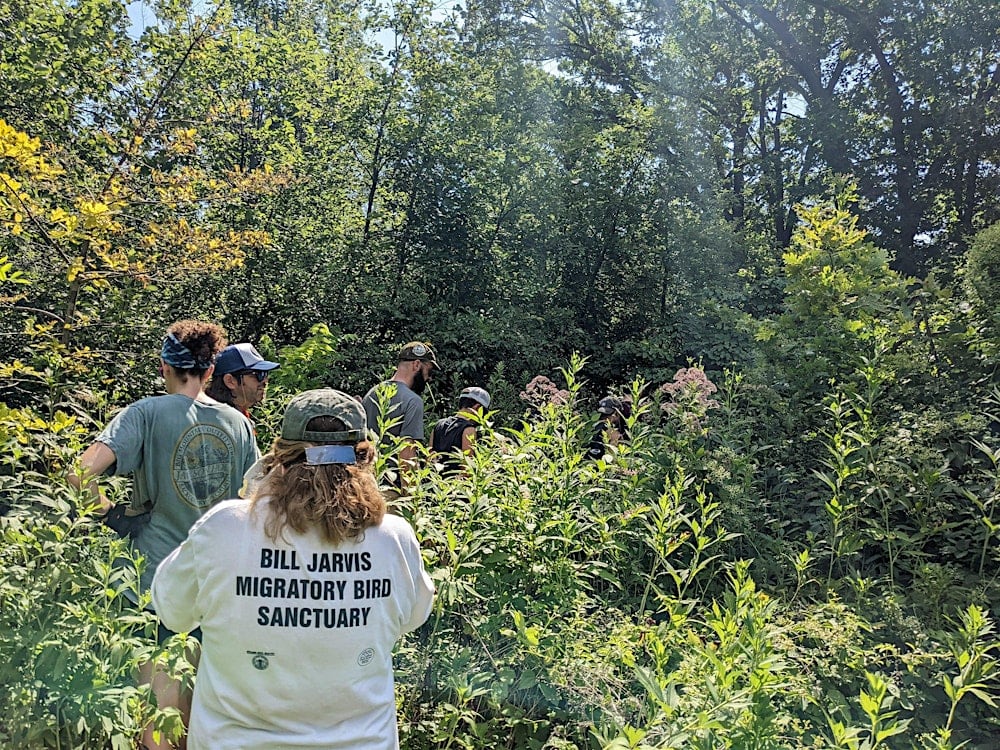
The sanctuary offers guided tours led by experts. They explain the birds and plants you see along the way.
There are marked trails for self-guided walks. Trails vary in length and difficulty to suit all visitors.
- Short loop trails for easy walks
- Longer trails for more adventure
- Boardwalks over wet areas for better views
Photography Opportunities
The sanctuary is a great place to take photos of birds and nature. Early morning light gives the best pictures.
Use a zoom lens to capture distant birds without disturbing them. Be patient and wait quietly for the right moment.
- Photograph birds in flight or at rest
- Capture colorful feathers and behaviors
- Include plants and water for scenic backgrounds
Conservation Efforts
The Bill Jarvis Migratory Bird Sanctuary works hard to protect many bird species. It is a safe place where birds can rest and breed.
Conservation efforts focus on keeping the environment safe and healthy for birds. These actions help keep bird numbers steady or growing.
Protection Measures
The sanctuary uses rules to protect birds and their homes. These rules limit harmful activities inside the sanctuary.
People cannot hunt or disturb the birds. Signs and patrols help keep the area safe from damage.
- Ban on hunting and trapping
- Restricted access during breeding season
- Habitat restoration projects
- Regular patrols to prevent disturbances
Community Involvement
Local people help care for the sanctuary. They join clean-up events and share knowledge about birds.
Schools and groups visit to learn about birds and nature. This helps raise awareness and support for conservation.
- Volunteer programs for habitat care
- Educational workshops and tours
- Bird watching events for families
- Community meetings to discuss protection
Research And Monitoring
Scientists study bird populations to understand their needs. They track migration patterns and health of species.
Data from research helps improve protection plans. Monitoring also detects problems early, like pollution or invasive species.
- Counting birds during migration seasons
- Tracking nests and breeding success
- Testing water and soil quality
- Studying effects of climate change

Credit: www.chicagobirder.org
Visitor Amenities
Bill Jarvis Migratory Bird Sanctuary offers a peaceful place for bird watchers and nature lovers. Visitors can enjoy the natural beauty and watch many kinds of birds.
The sanctuary provides several amenities to make your visit comfortable and educational. This guide explains what you can expect during your visit.
Access And Transportation
The sanctuary is reachable by car and public transport options are limited. It is best to plan your trip ahead to avoid difficulties.
There is a parking lot near the main entrance for visitor vehicles. The paths inside the sanctuary are mostly flat and easy to walk.
- Car access via the main highway
- Limited parking available on site
- Walking paths suitable for all ages
- No public bus service directly to the sanctuary
Facilities And Services
The sanctuary has basic facilities to support visitors during their stay. These include restrooms and picnic areas.
Information boards help visitors learn about the birds and plants in the area. Guided tours may be available seasonally.
- Restroom facilities at the visitor center
- Picnic tables and shaded areas
- Information signs and bird identification guides
- Occasional guided bird watching tours
Best Times To Visit
The best time to visit is during bird migration seasons in spring and fall. You can see many species during these times.
Early mornings offer the best chance to see active birds. Weekdays are usually less crowded than weekends.
- Spring (April to June) for migrating birds
- Fall (September to November) for bird watching
- Early morning visits for more activity
- Weekdays for quieter experience

Credit: wanderboat.ai
Frequently Asked Questions
What Is Bill Jarvis Migratory Bird Sanctuary?
Bill Jarvis Migratory Bird Sanctuary is a protected area dedicated to preserving migratory bird habitats. It offers safe nesting and feeding grounds for various bird species during migration seasons.
Where Is Bill Jarvis Migratory Bird Sanctuary Located?
The sanctuary is located in Canada, specifically in the province of Manitoba. It is situated near key migratory routes, making it an important stopover for many bird species.
Which Bird Species Are Found In The Sanctuary?
The sanctuary hosts numerous migratory birds, including ducks, geese, and shorebirds. It supports both common and rare species during their migration and breeding periods.
When Is The Best Time To Visit The Sanctuary?
The best time to visit is during spring and fall migration seasons. These periods offer optimal birdwatching opportunities as many species stop to rest and feed.
Conclusion
Bill Jarvis Migratory Bird Sanctuary offers a peaceful nature escape. Visitors can see many bird species in their natural home. The sanctuary protects important habitats for these birds. Walking trails invite you to explore quietly and observe wildlife. This place helps people learn about bird migration and nature.
A visit here supports conservation efforts and local wildlife. Experience the calm and beauty of the sanctuary yourself. It’s a special spot for bird lovers and nature fans. Plan a trip and enjoy the simple wonders of this sanctuary.