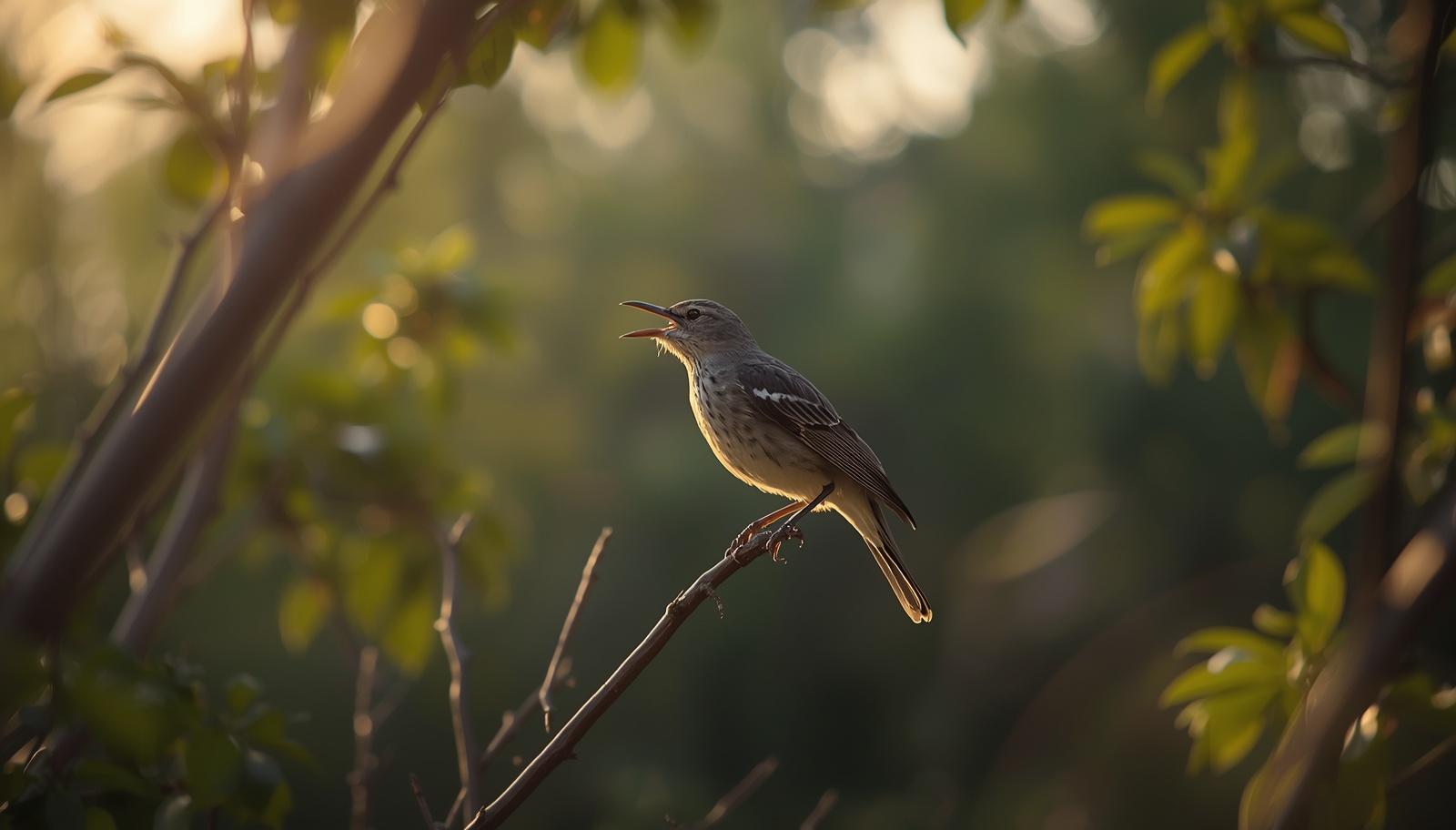
Birds Mimic Sounds: Amazing Ways Birds Copy Nature
Have you ever wondered why some birds sound just like the noises around them? From the call of a telephone to the bark of a dog, these feathered mimics can copy it all.
But why do they do this? Understanding the reasons behind birds’ ability to mimic sounds will surprise you and change the way you listen to their songs forever. Keep reading, and you’ll discover fascinating secrets about your feathered neighbors that you never expected.
Bird Mimicry Explained
Birds mimic sounds to communicate and survive. They copy noises from other birds and their surroundings.
This skill helps birds attract mates, warn of danger, and defend territory.
How Birds Learn Sounds
Young birds learn sounds by listening to adults. They practice copying these sounds until they get it right.
Some birds have special brain parts that help them remember and mimic sounds accurately.
Common Species That Mimic
Many birds are known for mimicry. Some are better at copying sounds than others.
- Mockingbirds
- Lyrebirds
- Starlings
- Crows and Ravens
- Parrots
Types Of Sounds Imitated
Birds mimic many types of sounds. These include calls from other birds and noises from their environment.
- Other bird songs and calls
- Animal sounds like frogs or insects
- Human-made sounds like bells or car alarms
- Environmental sounds like wind or water

Credit: owlcation.com
Reasons Behind Mimicry
Birds mimic sounds for several important reasons. This behavior helps them survive and communicate in their environment.
Mimicry allows birds to send messages to others. It can also help them find mates and protect their space.
Attracting Mates
Many birds mimic sounds to attract a mate. A bird that can copy many sounds may seem stronger or smarter.
Males often sing complex songs with mimicry. This shows their fitness to females and increases their chances of mating.
Territorial Defense
Birds use mimicry to defend their territory. Copying sounds of other species can scare away intruders.
By mimicking the calls of predators or other birds, they warn rivals to stay away. This helps keep their area safe.
Social Interaction
Mimicking sounds helps birds interact with their group. It can strengthen social bonds and improve group coordination.
Some birds learn new sounds from others. This sharing of sounds helps build a social community among them.
Mimicry And Survival
Birds mimic sounds to help them survive in the wild. They copy noises from other animals and their environment.
This mimicry helps birds avoid danger and live better in changing places.
Deterring Predators
Some birds copy sounds of bigger animals to scare away predators. This stops enemies from attacking them.
By sounding like dangerous animals, birds can stay safe without fighting.
Camouflage Through Sound
Birds use mimicry to blend into their sound environment. They copy nearby noises to hide their presence.
This sound camouflage helps birds avoid being noticed by predators or rivals.
Adapting To Environment
Birds learn new sounds to fit their habitats. They copy noises that help them communicate and survive.
This ability lets birds adjust to new places and find food or mates more easily.

Credit: www.reddit.com
Bird Brain And Vocal Skills
Birds mimic sounds for many reasons. They use their brain and vocal skills to copy noises. This helps them communicate and survive in the wild.
Understanding how birds learn sounds shows us their intelligence. Their brain and vocal parts work together for this skill.
Neurology Of Sound Learning
Birds have special brain areas for learning sounds. These areas help them hear, remember, and copy noises.
The brain changes as birds practice sounds. This makes their learning better over time.
- Auditory brain regions process sounds
- Memory centers store sound patterns
- Motor areas control vocal muscles
Comparing Bird Intelligence
Some birds are smarter than others at copying sounds. Parrots, mynahs, and some songbirds show high intelligence.
Bird intelligence helps them learn new calls fast. They use sounds to find mates or mark territory.
- Parrots mimic human speech well
- Songbirds learn complex melodies
- Mimicry helps birds adapt and survive
Vocal Apparatus And Flexibility
Birds use a voice box called the syrinx. It lets them produce many sounds and change pitch easily.
The syrinx has flexible muscles. This allows birds to copy sounds from their environment with great skill.
- Two sides of the syrinx can work separately
- Birds control sound loudness and tone
- Flexible vocal cords create varied sounds
Human Impact On Bird Mimicry
Birds mimic sounds to communicate and survive. Human activities change the sounds around birds. This affects how and what birds mimic.
Understanding how humans impact bird mimicry helps us protect wildlife. It shows how birds adapt to new environments.
Urban Sounds Influence
City noises like car horns and alarms become part of bird songs. Birds living in cities often copy these sounds.
These sounds can confuse natural bird calls. Birds use them to stand out or defend their space.
- Traffic noise changes bird communication patterns
- Birds mimic alarms and sirens in urban areas
- Natural sounds may be harder to hear in cities
Captivity And Mimicry Changes
Birds in captivity often hear human voices and sounds. They may copy words or household noises instead of natural sounds.
This changes their mimicry skills and what they learn to copy. Captive birds might lose some wild mimicry behaviors.
- Captive birds mimic human speech and sounds
- Reduced exposure to wild sounds limits natural mimicry
- Some birds adapt by mixing human and wild sounds
Conservation And Acoustic Environment
Protecting natural sound environments helps birds keep their mimicry skills. Quiet areas let birds hear and copy other animals.
Conservation efforts focus on reducing noise pollution. This supports healthy bird communication and mimicry.
- Preserve natural habitats with low noise levels
- Limit human noise near bird nesting sites
- Encourage use of quiet technology in nature areas

Credit: www.reddit.com
Frequently Asked Questions
Why Do Birds Mimic Other Animal Sounds?
Birds mimic sounds to communicate, attract mates, and defend territory. Copying different noises helps them blend into their environment and confuse predators or rivals.
How Does Mimicry Benefit Birds in the Wild?
Mimicry aids survival by improving social interactions and deterring threats. It helps birds establish dominance and increases their chances of reproductive success.
Which Birds Are Known for Sound Mimicry?
Common mimics include mockingbirds, lyrebirds, and parrots. These species imitate sounds from their surroundings, including other birds, animals, and even human noises.
Can Birds Learn New Sounds Throughout Life?
Yes, many birds continuously learn and refine sounds. This adaptability allows them to expand their vocal repertoire and respond to changing environments.
Conclusion
Birds mimic sounds to communicate and survive in the wild. They copy calls to attract mates or warn friends of danger. Sometimes, they learn from other birds or sounds around them. This skill helps birds adapt and fit into their environment.
Listening closely reveals how clever and social birds really are. Their mimicry shows nature’s surprising ways to connect and thrive. Understanding why birds mimic helps us appreciate their unique behaviors more. It also reminds us to protect their habitats for future generations.
Birds teach us that communication comes in many forms.