Whippoorwill Bird Sound: Discover the Magic of Its Song
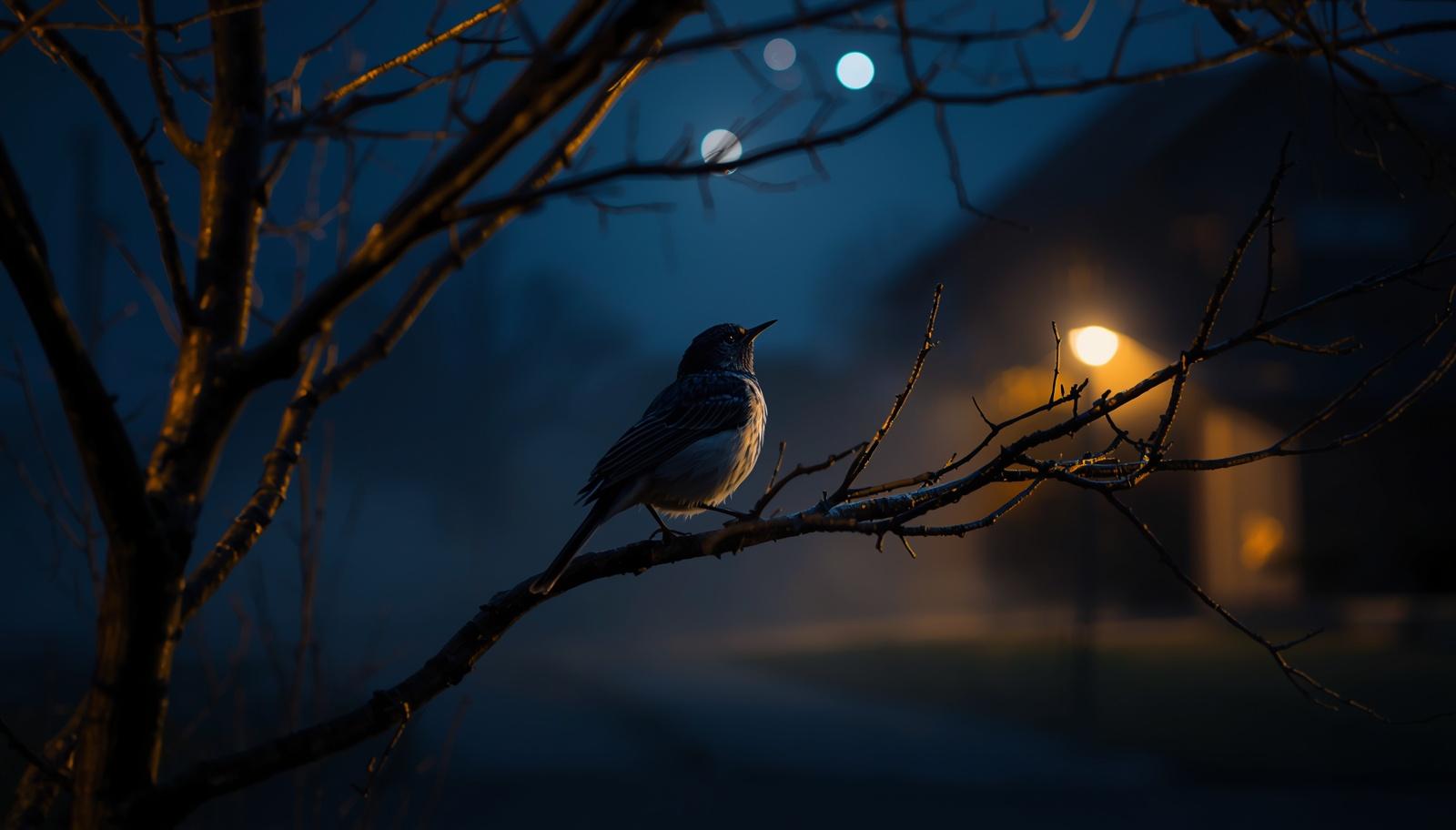
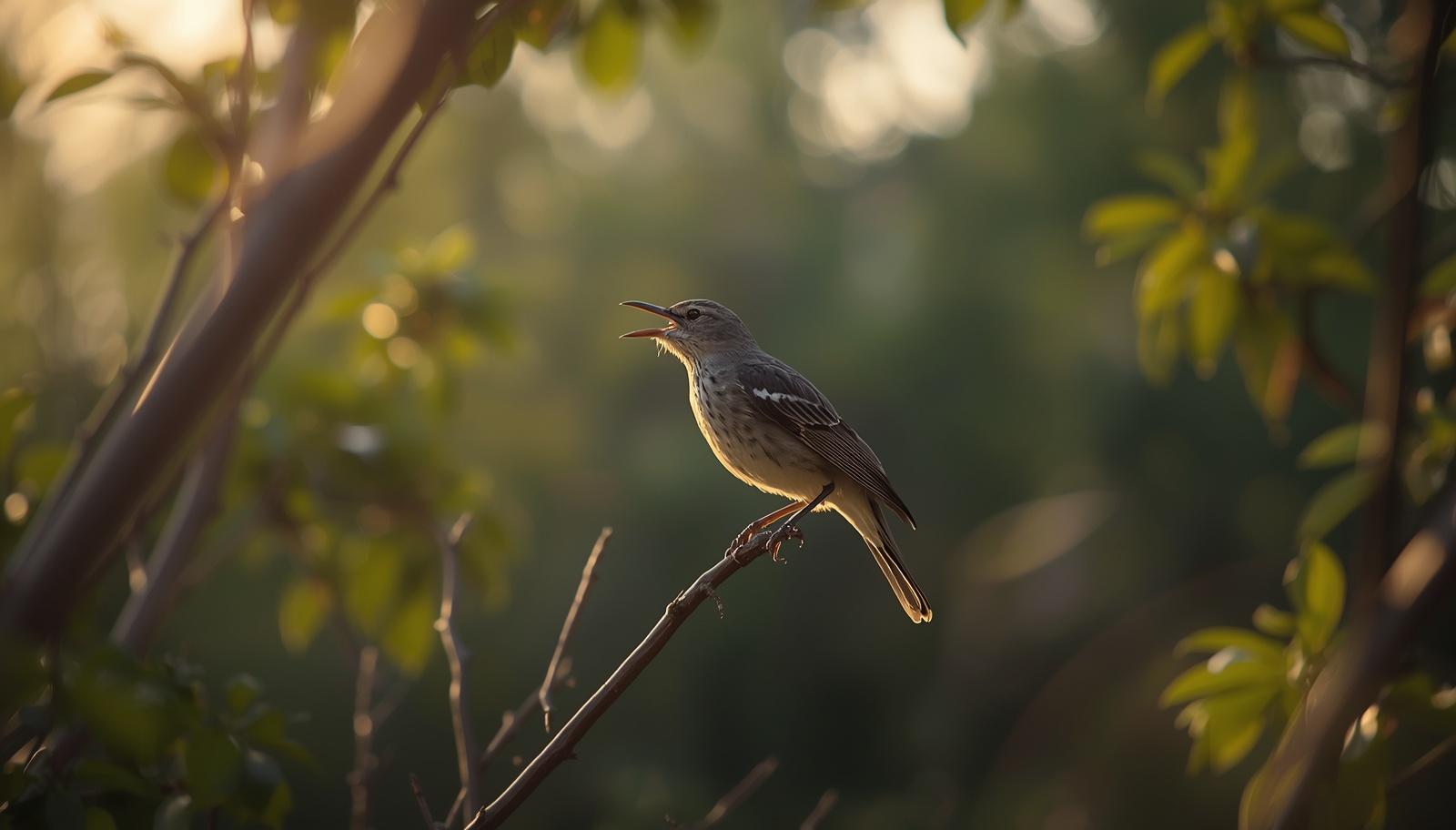
Have you ever been outside at dusk and heard a mysterious, rhythmic call that seems to echo through the trees? That enchanting sound is the whippoorwill bird, known for its unique and haunting song.
If you’ve ever wondered what makes the whippoorwill’s call so special, or how to recognize it in the wild, you’re in the right place. This article will help you connect with nature in a whole new way by unlocking the secrets behind the whippoorwill bird sound.
Get ready to discover why this bird’s song captures the hearts of so many and how you can identify it whenever you hear it.
Credit: pethelpful.com
Whippoorwill Bird Profile
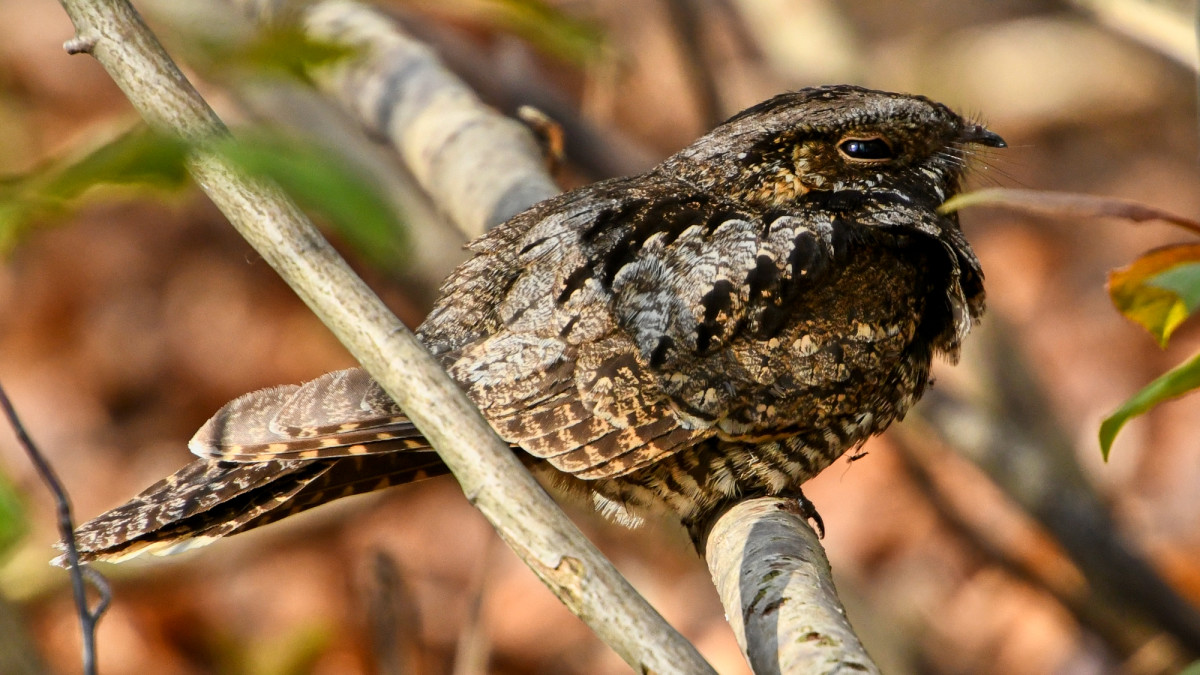
The whippoorwill is a nocturnal bird known for its distinct call. It is part of the nightjar family and blends well with its surroundings.
This bird is often heard but rarely seen because of its excellent camouflage and night activity.
Physical Features
The whippoorwill has mottled brown, gray, and white feathers. These colors help it hide in leaf litter and tree bark.
It has large eyes to see well at night and a wide mouth to catch flying insects.
- Length: About 9 to 11 inches
- Wingspan: Around 16 inches
- Color: Brown with gray and white patterns
- Eyes: Large and dark for night vision
- Beak: Short and wide
Habitat And Range
Whippoorwills live in forests and woodlands with open areas. They prefer places with dense trees and clearings.
These birds are found in North and Central America, mostly in the eastern United States and parts of Canada.
- Woodlands with leaf litter
- Open forest clearings
- Eastern United States
- Southern Canada
- Parts of Mexico and Central America
Behavior Patterns
Whippoorwills are active at dusk and during the night. They use their loud calls to communicate and mark territory.
They feed mostly on flying insects caught in flight. During the day, they rest on the ground, blending into leaves.
- Nocturnal: Active at night
- Calls: Loud "whip-poor-will" song
- Diet: Flying insects like moths and beetles
- Rest: Camouflaged on the forest floor
- Flight: Silent and quick to catch prey
Unique Whippoorwill Call
The whippoorwill bird is known for its distinct call. This sound stands out in the quiet of the night.
Many people recognize the whippoorwill by its repeated name-like call. It is a key part of its identity.
Sound Characteristics
The whippoorwill call is sharp and clear. It sounds like the bird is saying "whip-poor-will" over and over.
The call is made up of three quick notes. The pitch rises and then falls, making it easy to hear.
- Three distinct syllables: whip-poor-will
- Rising then falling pitch pattern
- Repeated quickly without long breaks
Purpose Of The Call
The whippoorwill uses its call to mark its territory. It warns other birds to stay away.
The call also helps birds find mates. It shows the bird is healthy and ready to breed.
- Marking territory
- Attracting a mate
- Communication with other whippoorwills
When And Where To Hear It
You can hear the whippoorwill call at dusk and during the night. It is most active in the spring and summer.
These birds live in forests and open woodlands. Listen near the ground where they hide.
- Time: Dusk and nighttime
- Season: Spring and summer
- Habitat: Forests and open woodlands
- Location: Near the ground among leaves and logs
Role In Ecosystem
The whippoorwill bird plays an important role in many forests and woodlands. Its unique sound marks the presence of healthy habitats.
This bird helps control insect populations and supports the balance of nature in its environment.
Diet And Hunting
Whippoorwills mostly eat insects and small bugs. They hunt at night using their sharp eyesight and hearing.
The bird catches moths, beetles, and other flying insects. It sits still and waits for prey to come close.
- Feeds mainly on moths and beetles
- Hunts during twilight and night
- Uses camouflage to avoid being seen
Predators And Threats
Whippoorwills face danger from animals like raccoons, snakes, and larger birds. These predators may eat their eggs or young.
Human activities also threaten them. Habitat loss and light pollution make it hard for whippoorwills to live and hunt.
- Predators include raccoons and snakes
- Light pollution disrupts their hunting
- Habitat destruction reduces safe nesting areas
Contribution To Biodiversity
Whippoorwills help keep insect numbers balanced. This supports plant health and other animal species.
Their presence shows a rich and healthy ecosystem. Protecting whippoorwills helps preserve many other living things.
- Controls insect populations naturally
- Indicator of forest and woodland health
- Supports the balance of many species
Cultural Significance
The whippoorwill bird sound holds special meaning in many cultures. People hear its call and feel connected to nature.
Its unique, repetitive call has inspired stories, songs, and symbols across different traditions.
Folklore And Legends
Many Native American tribes tell stories about the whippoorwill. They see the bird as a messenger between worlds.
Some legends say the bird’s call warns of danger or signals the spirit world’s presence. Others believe it brings good luck.
- Whippoorwill calls mark the start of night.
- They are signs of changing seasons.
- Some cultures say the bird guides lost souls.
In Literature And Music
Writers often use the whippoorwill’s sound to set a quiet, mysterious mood. Its call appears in many poems and stories.
Musicians include whippoorwill sounds to create natural, calming effects. Folk songs sometimes mention the bird to express longing or night themes.
- Poems use the call to symbolize night or loneliness.
- Folk songs mention the bird in love stories.
- Nature sounds in music include whippoorwill calls.
Symbolism And Meaning
The whippoorwill symbolizes mystery, transition, and the unknown. Its call often reminds people of life’s changes.
In some cultures, the bird is a symbol of protection or a sign from ancestors. Its sound connects the living with the past.
- Represents night and darkness.
- Seen as a guardian spirit.
- Symbolizes messages from ancestors.
- Reminds of nature’s cycles and change.
How To Attract Whippoorwills
Whippoorwills are night birds known for their unique calls. Attracting them requires creating the right environment.
Learning about their habits helps you enjoy their presence more. This guide shows how to invite whippoorwills to your area.
Creating Suitable Habitat
Whippoorwills prefer open woodlands with plenty of leaf litter. They need places to hide and hunt for insects.
Plant native trees and shrubs to provide shelter. Avoid cutting leaf litter and dead wood where they nest.
- Keep areas with low ground cover
- Leave dead leaves on the forest floor
- Plant native shrubs and small trees
- Avoid strong outdoor lights at night
- Minimize loud noises in the area
Best Times For Observation
Whippoorwills are most active at dusk and dawn. These times give the best chance to hear and see them.
Spring and early summer are their breeding seasons. Males sing loudly during this time to attract mates.
- Observe around sunset and sunrise
- Visit during spring and early summer
- Find quiet, dark places away from city lights
Recording Their Calls
Recording whippoorwill calls helps you study their behavior. Use a good quality microphone for clear sound.
Record during calm nights to avoid background noise. Stay still and quiet to get the best results.
- Use a directional microphone
- Record at dusk or dawn
- Stay at least 20 feet away
- Choose nights without wind or rain
- Label recordings with date and location
Conservation Efforts
The Whippoorwill bird is known for its unique and soothing call. Protecting this bird helps keep nature balanced. Conservation efforts focus on saving their homes and raising awareness.
Many groups work to monitor Whippoorwill numbers and stop threats. Learning about their challenges helps people support their survival.
Current Population Status
The Whippoorwill population has decreased in recent years. Scientists track their numbers through field surveys and audio recordings. Some areas still have healthy groups, but many places show fewer birds.
Tracking helps experts understand where the birds live and how they use their habitat. This data guides conservation plans to protect them.
Threats From Habitat Loss
Whippoorwills need open forests and clearings to live and nest. Cutting down trees and building roads destroy these habitats. This loss makes it hard for them to find food and shelter.
Other threats include light pollution and noise from cities. These changes confuse the birds and stop their natural behaviors.
- Deforestation removes nesting sites
- Urban growth shrinks safe areas
- Lights disrupt night activities
- Noise affects communication
Ways To Support Preservation
You can help protect Whippoorwills by supporting habitat restoration projects. Planting native trees and keeping forests healthy creates safe spaces for birds.
Reducing outdoor lights at night helps birds stay active and find mates. Joining local bird groups raises awareness about their needs.
- Support forest conservation efforts
- Use less outdoor lighting at night
- Volunteer with wildlife organizations
- Learn and share facts about Whippoorwills

Credit: medium.com
Frequently Asked Questions
What Does The Whippoorwill Bird Sound Like?
The Whippoorwill bird produces a repetitive, clear call that sounds like "whip-poor-will. " This distinctive call is often heard at dusk and dawn.
When Is The Best Time To Hear Whippoorwill Calls?
Whippoorwill calls are most common during twilight hours, especially at dusk and dawn. They are more vocal during their breeding season in spring and early summer.
Where Do Whippoorwills Typically Live?
Whippoorwills prefer deciduous or mixed woodlands with open understories. They are commonly found in North America, especially in rural and forested areas.
Why Do Whippoorwills Call Repeatedly?
Whippoorwills use their calls to establish territory and attract mates. The continuous repetition helps males communicate presence and readiness to breed.
Conclusion
The whippoorwill bird sound is unique and easy to recognize. It fills quiet nights with a soft, rhythmic call. This bird’s song helps people connect with nature. Listening closely reveals the beauty of simple sounds. Next time you hear a whippoorwill, pause and enjoy.
It reminds us to slow down and appreciate small moments. Nature speaks in many ways, and this bird’s voice is one of them. Keep your ears open for this special nighttime melody.