
A Bird Eats a Worm Who is the Predator Explained Clearly
Ever watched a bird swoop down and snatch a worm from the ground? It seems like nature’s simplest story: the bird is the hunter, and the worm is the hunted.
In the wild, a bird eats a worm who is the predator in this interaction, showcasing the intricacies of nature.
But what if there’s more to this tale than meets the eye? What if we told you that, in the grand scheme of things, the roles of predator and prey aren’t as clear-cut as they appear? You might be wondering how this everyday event ties into the complex web of life.
It’s not just about survival but a fascinating dance of instincts and strategies. By the end of this article, you’ll not only understand who the real predator is but also discover how this interaction impacts the world around you. Ready to see the natural world in a whole new light? Let’s dive in.
This article emphasizes how a bird eats a worm who is the predator, highlighting their roles in the ecosystem.
Credit: a-z-animals.com
Birds As Predators
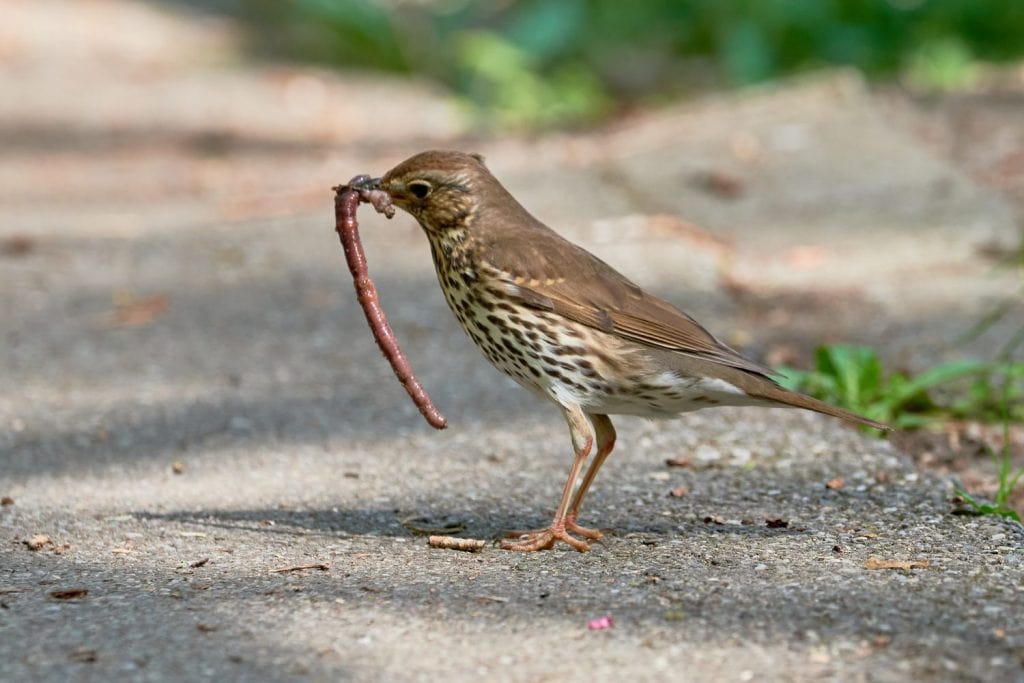
Birds play an important role in nature as predators. They hunt many small animals, including worms. These birds help control worm populations in the soil.
When discussing the food chain, a bird eats a worm who is the predator, reflecting the balance of nature.
Worms are a common food source for many birds. Birds use their sharp eyesight and quick movements to catch worms from the ground.
Common Worm-eating Birds
Many birds eat worms as part of their diet. Some birds are especially good at finding and eating worms.
These birds exemplify the idea that a bird eats a worm who is the predator, demonstrating their hunting prowess.
- Robins often hunt worms early in the morning.
- Thrushes use their beaks to dig worms from the soil.
- Starlings pick worms from grass and dirt.
- Blackbirds also feed on worms to get protein.
Hunting Techniques Of Birds
Birds use different ways to catch worms. They watch the ground carefully to spot worms moving.
Understanding how a bird eats a worm who is the predator allows us to appreciate their hunting techniques.
Some birds tap the soil to make worms come out. Others dig with their beaks to find worms underground.
- Watching for worm movements on the surface
- Pecking and digging into the soil
- Listening for sounds of worms under the ground
- Waiting quietly for worms to appear
Adaptations For Catching Prey
Notably, a bird eats a worm who is the predator, reflecting the adaptability of both creatures in their environment.
Birds have special features that help them catch worms. Their beaks are strong and pointed to dig into soil.
Birds also have sharp eyesight to see small worms. Their quick reflexes help them catch worms fast.
- Sharp, pointed beaks for digging and grabbing
- Strong legs to scratch soil
- Good vision to spot moving worms
- Fast movements to catch prey quickly
Worms As Prey
Worms are small creatures that live in soil and water. Many animals eat worms to get food and energy.
This further illustrates how a bird eats a worm who is the predator, emphasizing their ecological roles.
Birds often catch worms to feed themselves and their young. Worms play a big role in nature as prey.
Types Of Worms In Ecosystems
There are many types of worms found in different places. Some live in soil, others in water.
Common types include earthworms, flatworms, and roundworms. Each type helps the environment in its own way.
- Earthworms improve soil by breaking down dead plants
- Flatworms often live in water and some are parasites
- Roundworms can live in soil or inside animals
Defense Mechanisms Of Worms
Worms have ways to protect themselves from predators like birds. They try to stay hidden and safe.
Relying on instinct, a bird eats a worm who is the predator, signifying the circle of life.
Some worms burrow deep into the soil to avoid being seen. Others produce slimy coatings to make it hard to catch them.
- Burrowing deep into soil to hide
- Releasing slime to make capture difficult
- Quick movement to escape predators
Role Of Worms In The Food Chain
Worms are a key part of the food chain. They provide food for many animals like birds, frogs, and insects.
Worms are often caught when a bird eats a worm who is the predator, showcasing the food chain’s dynamics.
By eating dead plants and soil, worms help recycle nutrients. This supports plants and other life in the ecosystem.
- Serve as food for birds and small animals
- Help break down dead material into nutrients
- Support healthy soil for plants to grow
Predator-prey Dynamics
Birds eating worms is a clear example of predator-prey dynamics. The bird is the predator, and the worm is the prey. This interaction helps keep nature in balance.
In this predator-prey interaction, a bird eats a worm who is the predator and maintains ecological balance.
Predator-prey relationships are important for healthy ecosystems. They control population sizes and support biodiversity.
How Birds Locate Worms
Birds use their keen eyesight to spot worms on or near the soil surface. They watch for movement or changes in the ground.
Some birds can hear worms moving underground. They tilt their heads and listen carefully before pecking the soil.
- Sharp vision helps detect worm movement
- Hearing senses underground sounds
- Quick pecking captures the worm fast
Impact On Soil And Ecosystem
Worms improve soil by making tunnels and breaking down leaves. Birds eating worms control worm numbers to avoid overpopulation.
To illustrate, a bird eats a worm who is the predator, highlighting their interdependent relationship.
This balance keeps soil healthy and helps plants grow well. It also supports other animals in the ecosystem.
- Worms aerate and enrich soil
- Birds keep worm population balanced
- Healthy soil supports plants and animals
Balance Between Predator And Prey
Predator and prey numbers affect each other. If birds eat too many worms, worm numbers drop.
This relationship emphasizes that a bird eats a worm who is the predator, which is essential for ecosystem stability.
If worm numbers fall, birds find less food and their numbers may drop too. This balance keeps both alive.
- More predators reduce prey numbers
- Less prey means fewer predators survive
- Nature balances both for survival

Credit: www.earthofbirds.com
Nature’s Hunting Strategies
In nature, animals use different ways to catch their food. Birds and worms have unique skills to survive. These skills help them stay alive in their environment.
Notably, the act of a bird eating a worm who is the predator illustrates survival in nature.
This article explores how birds hunt and how worms try to avoid being eaten. It also looks at how the environment affects these hunts.
Stealth And Speed In Birds
Birds use quiet moves and quick flights to catch worms. They watch carefully and strike fast before the worm can escape.
- Birds stay still to avoid scaring prey
- They fly low and fast to surprise worms
- Some birds use sharp eyesight to spot worms underground
- Timing is key to catching worms before they hide
Survival Tactics Of Worms
Worms have ways to stay safe from birds. They hide in soil and move slowly to avoid attention.
Worms develop strategies to survive when they know a bird eats a worm who is the predator.
| Survival Tactic | How It Works |
| Burrowing | Worms dig deep to stay out of reach |
| Slowing Movement | Less movement means less chance of being seen |
| Staying Moist | Helps them move underground easily |
| Timing Activity | Come out when birds are less active |
Environmental Factors Influencing Hunts
Weather and soil type change how birds and worms act during hunts. Wet soil can help worms hide better.
Here are key environmental factors that affect hunting:
- Soil moisture affects worm movement and bird hunting success
- Temperature changes worm activity times
- Vegetation cover offers hiding spots for worms
- Wind can affect bird flight and hearing
Human Perspective On Predation
People have watched predators and prey for a long time. We learn how animals hunt and survive.
For example, observing a bird eats a worm who is the predator teaches us about food chains.
Seeing a bird eat a worm shows a natural food chain. It helps us understand life in nature.
Observing Nature’s Food Chain
Predation is part of the food chain. One animal eats another to live. This cycle keeps balance in nature.
- A bird eats a worm to get energy.
- The worm eats soil and plants.
- Plants get energy from sunlight.
Importance Of Predators In Ecosystems
Predators help keep nature healthy. They stop some animals from overgrowing.
Understanding how a bird eats a worm who is the predator helps us appreciate ecological balance.
In conclusion, a bird eating a worm who is the predator is a vital aspect of the ecosystem.
| Role | Effect on Ecosystem |
| Predators | Control prey numbers |
| Prey | Feed predators and plants |
| Plants | Provide oxygen and food |
Conservation And Protection Efforts
Humans work to protect predators and their homes. This helps nature stay balanced.
- Protect habitats from destruction.
- Stop hunting of important species.
- Teach people about nature’s food chain.

Credit: stockcake.com
Frequently Asked Questions
Who Is The Predator When A Bird Eats A Worm?
The bird is the predator because it hunts and consumes the worm for food.
Why Is The Bird Called A Predator In This Scenario?
The bird actively searches, captures, and eats the worm, making it the predator.
Is The Worm Considered Prey To The Bird?
Yes, the worm is prey since it is hunted and eaten by the bird.
How Does The Predator-prey Relationship Affect Ecosystems?
This relationship controls population balance, promotes biodiversity, and supports ecosystem health.
Conclusion
A bird eating a worm shows a clear predator-prey link. The bird hunts to feed itself, making it the predator. The worm tries to avoid being eaten, playing the prey’s role. This simple act reveals nature’s food chain in action.
This example of a bird eating a worm who is the predator illustrates the interdependence of species in nature.
Such relationships keep ecosystems balanced and alive. Understanding who the predator is helps us learn about wildlife. It shows how animals depend on each other for survival. Nature’s dance of life moves through these daily interactions.
Ultimately, understanding that a bird eats a worm who is the predator reveals the complexity of life.



