A Bird Perch: Types, Placement, and Comfort Tips for Healthy Birds
Have you ever noticed how birds seem to find the perfect spot to rest, sing, or watch the world? That simple branch or ledge they choose is more than just a place to land—it’s a bird perch, and it plays a big role in their daily life.
Whether you’re a bird lover, a gardener, or just curious, understanding what makes a great bird perch can change the way you see your outdoor space. Keep reading, and you’ll discover easy tips to attract birds, create cozy spots for them, and bring more life and joy right to your window or backyard.
Your new feathered friends are waiting!

Credit: www.ebay.ca
Types Of Bird Perches
Bird perches come in many styles and materials. Choosing the right type helps keep birds healthy and happy.
This guide explains natural and artificial perches, materials used, and important size and shape details.
Natural Vs. Artificial Perches
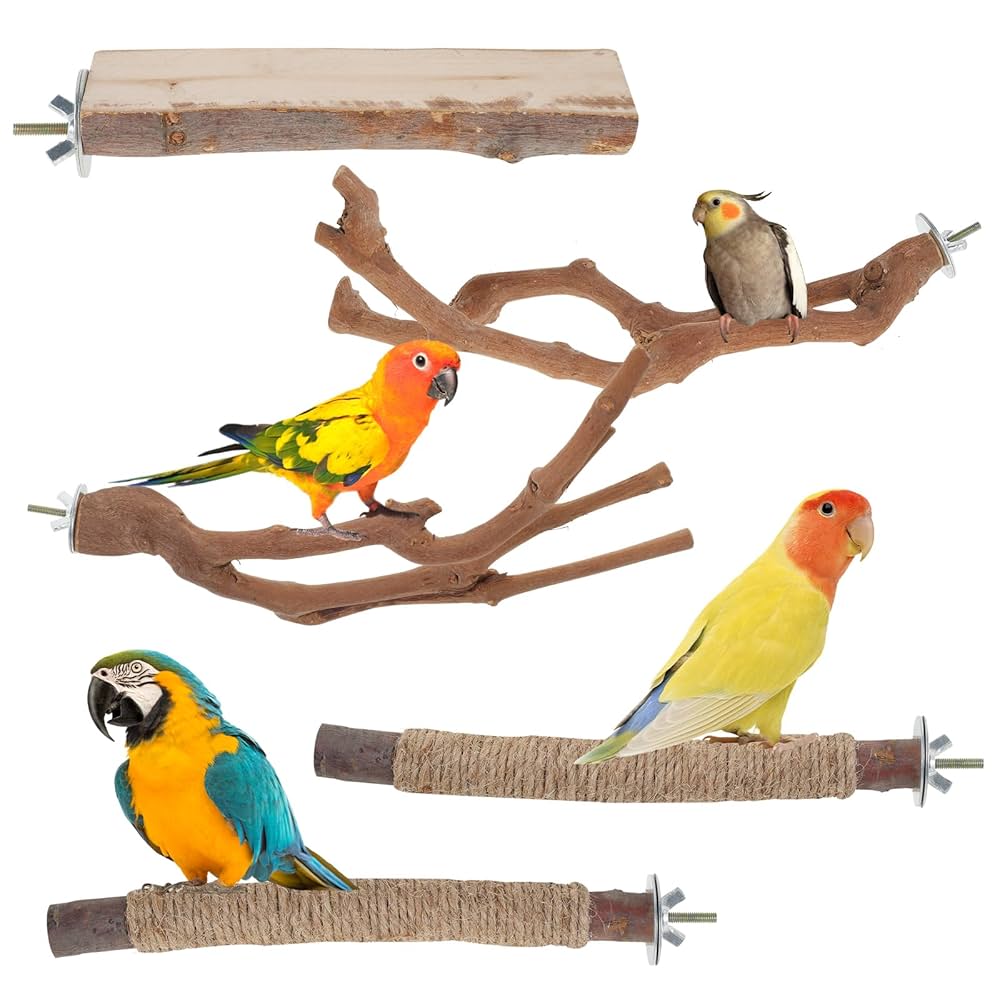
Natural perches come from real tree branches. They vary in texture and diameter, which is good for birds’ feet.
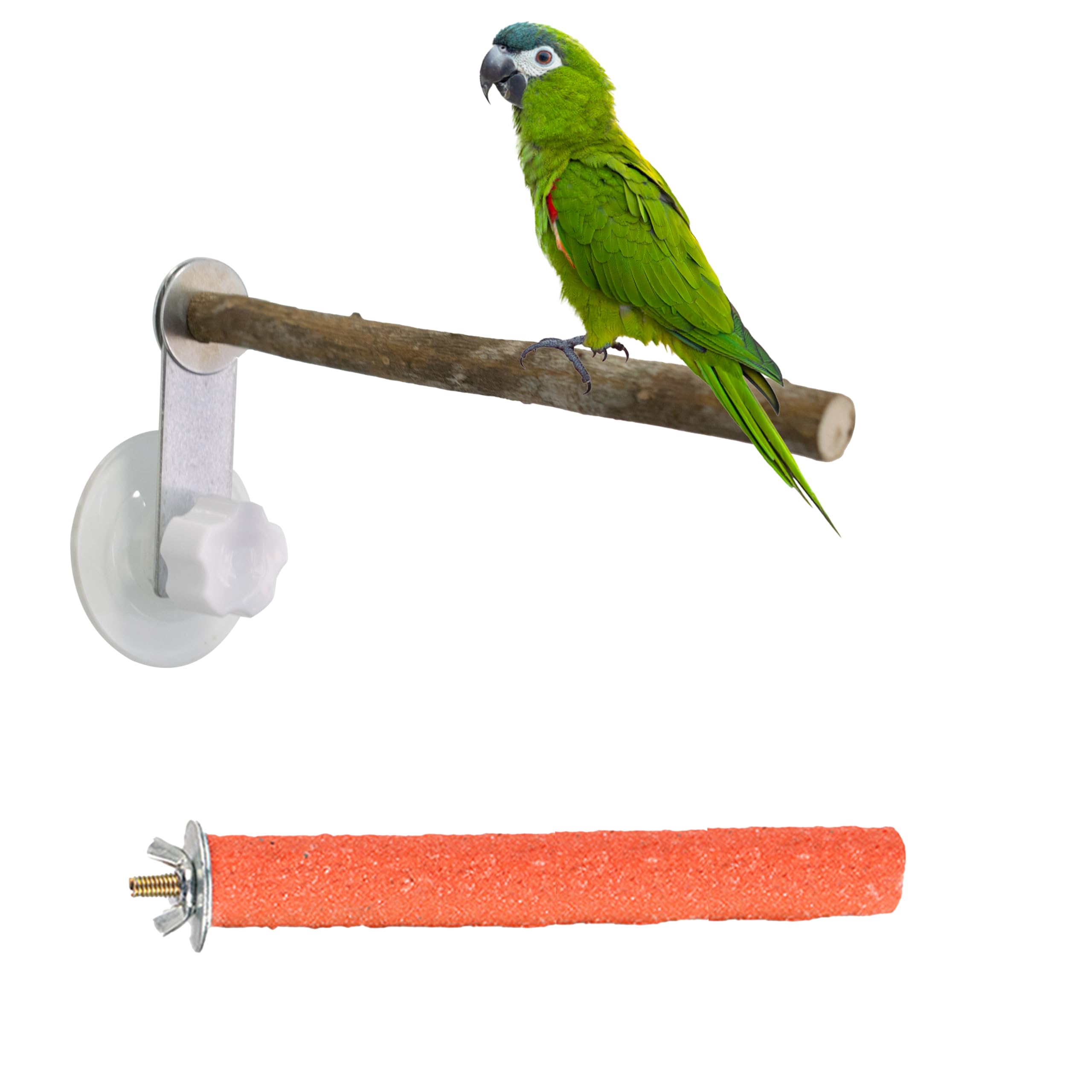
Artificial perches are made from plastic, wood, or rope. They are easy to clean and come in many shapes and sizes.
Materials Used For Perches
- Wood: Safe and natural, provides good grip.
- Plastic: Easy to clean but may be slippery.
- Rope: Soft and flexible, good for climbing.
- Concrete: Helps keep nails trimmed but can be hard on feet.
- Natural branches: Offer varied textures and shapes.
Size And Shape Considerations
| Perch Feature | Ideal Size | Reason |
|---|---|---|
| Diameter | Varies by bird size | Prevents foot problems and gives grip |
| Shape | Round or irregular | Natural shapes keep feet strong |
| Length | Long enough to move on | Allows comfort and activity |
| Surface | Textured | Helps prevent slipping |
“To ensure your bird isn’t straining its tendons, use the 75% Rule. When your bird is perched, their toes should wrap around approximately three-quarters (75%) of the branch’s circumference. If the front and back toes meet or overlap, the perch is too thin and can cause painful ‘pressure sores.’ If the foot is splayed too flat, the bird cannot properly lock its tendons to sleep, leading to chronic exhaustion and muscle fatigue.”
Ideal Locations For Bird Perches
Bird perches need the right location to keep birds happy and safe. Choosing a good spot helps birds feel comfortable and secure.
This guide covers tips for placing bird perches indoors and outdoors. It also shows how to keep perches safe and easy to reach.
Indoor Placement Tips
Place bird perches where birds can see the room but avoid busy areas. A quiet corner near a window works well. Make sure the perch is away from drafts and direct sunlight.
- Choose a spot with natural light
- Keep away from air vents or heaters
- Place perch at bird’s eye level
- Ensure space for bird to move freely
Outdoor Spot Selection
Outdoor perches should be in shaded areas to protect birds from heat. Place perches near trees or bushes so birds feel safe. Avoid places with strong winds or loud noises.
| Location | Benefit | Note |
| Under tree branches | Shade and shelter | Protect from sun and rain |
| Near bushes | Privacy and cover | Keep away from predators |
| Patio corner | Easy to watch birds | Use shade cloth if needed |
| Quiet garden area | Less noise stress | Avoid busy walkways |
Safety And Accessibility
Safety is key for bird perches. Place them where cats and other pets cannot reach. Make sure perches are sturdy and easy for birds to land on. Keep the area clean and free of hazards.
- Check perch stability regularly
- Use non-toxic materials for perches
- Keep perches away from open flames or chemicals
- Place perches where birds can easily fly to and from
Factors Affecting Bird Comfort
Birds need a comfortable place to rest and feel safe. Many things affect how well a bird perch works. These factors help birds stay healthy and happy.
Good perches balance sunlight and shade. They keep birds safe from predators. They also offer stable grip for easy standing.
“Birds spend 100% of their lives on their feet. Using only perfectly smooth or uniform perches can lead to Bumblefoot (Pododermatitis)—painful pressure sores that can become infected. Expert bird keepers recommend a ’70/30′ rule: 70% natural, irregular branches to exercise foot muscles and 30% varied textures (like rope or safety-sand) to keep nails trim and prevent cramping.”
Sunlight And Shade Balance
Birds like warmth from sunlight but need shade to avoid overheating. A perch should offer spots with sun and spots with shade. This helps birds regulate their body temperature throughout the day.
- Place perches near trees or shrubs for natural shade
- Use materials that do not get too hot in the sun
- Avoid placing perches in full sun all day
Protection From Predators
Birds feel safe if their perch protects them from predators. High and hidden spots help birds watch for danger. Open areas with no cover can make birds nervous and less likely to use the perch.
- Place perches away from ground predators
- Use thorny or dense plants nearby
- Keep perch area clean to avoid attracting predators
Perch Stability And Grip
Birds need a stable perch that does not wobble or slip. The surface should give a good grip to their feet. A rough or textured surface works best to keep birds steady and comfortable.
| Feature | Benefit |
| Non-slip surface | Prevents feet from sliding |
| Strong support | Stops wobbling and falling |
| Comfortable diameter | Fits bird’s feet well |
Maintenance And Cleaning
Keeping a bird perch clean is important for your pet’s health. Dirt and droppings can cause infections. Regular care helps your bird stay happy.
Proper maintenance also extends the life of the perch. You can enjoy a safe and comfortable spot for your bird.
Cleaning Frequency
Clean the bird perch every day to remove droppings and debris. A deep clean once a week helps keep bacteria away. This routine prevents bad odors and health issues.
Materials Best For Easy Maintenance
| Material | Cleaning Ease | Durability |
|---|---|---|
| Wood | Moderate | Good |
| Plastic | Easy | Fair |
| Metal | Easy | Excellent |
| Natural Branches | Difficult | Varies |
Choose materials that clean well and last long. Metal and plastic perches are good for easy cleaning. Wood is natural but needs more care.
Preventing Pest Infestations
- Clean the perch and cage regularly
- Remove old food and water daily
- Check for mites or insects weekly
- Use safe pest control if needed
- Keep the area dry to stop pests
Good habits keep pests away from your bird’s home. Watch for signs of bugs and act fast to protect your pet.
Enhancing Perch Appeal
A bird perch can be more than just a resting spot. Making it interesting keeps birds happy and healthy. Adding natural touches and fun items invites birds to explore.
Using simple ideas helps create a space where birds want to spend time. This guide shows how to improve a bird perch with natural elements, toys, and interaction.
Adding Natural Elements
Natural materials make a bird perch feel safe and comfortable. Birds enjoy textures and smells that remind them of the outdoors. Use branches, leaves, and wood pieces to add charm.
- Choose untreated wood for safer chewing
- Add small branches of different thickness
- Place dried leaves nearby for natural scent
- Include bark pieces for texture variety
- Use stones or shells to decorate the base
Incorporating Toys And Accessories
Toys and accessories keep birds active and curious. Bright colors and moving parts grab their attention. Add swings, bells, and ladders for more fun.
| Toy Type | Material | Purpose |
|---|---|---|
| Bell | Metal | Sound and movement |
| Swing | Wood and rope | Balance and play |
| Ladder | Wood | Exercise and climbing |
| Chew Toy | Safe wood or natural fibers | Beak health and stress relief |
Encouraging Bird Interaction
Birds feel more comfortable when they can interact. Talk to them softly and offer treats. Create spots where they can meet and play with others.
Try these ways to boost interaction:
- Place the perch near a window for outside views
- Use mirrors carefully to provide social reflection
- Rotate toys regularly to keep interest
- Spend time near the perch to encourage trust
Credit: www.amazon.com
Frequently Asked Questions
What Is A Bird Perch Used For?
A bird perch provides a resting spot for birds. It helps birds exercise their feet and maintain balance. Perches are essential in bird cages and aviaries for comfort and natural behavior.
How To Choose The Best Bird Perch?
Choose a perch based on bird size and species. Natural wood perches prevent foot problems and provide grip. Vary perch diameters to exercise bird feet and avoid pressure sores.
Can Bird Perches Improve Bird Health?
Yes, perches improve foot health and muscle strength. They prevent boredom by encouraging movement and play. Proper perches reduce stress and support natural behaviors in pet birds.
Where Should I Place A Bird Perch?
Place perches at different heights inside the cage. Avoid placing them near food and water to keep areas clean. Ensure perches are stable and allow easy bird access.
Conclusion
A bird perch offers comfort and safety for pet birds. It’s an essential part of their habitat. Birds need a place to rest and play. With the right perch, they stay happy and healthy. Choose one that fits your bird’s needs.
Consider size and material. Regular cleaning keeps it safe. A well-chosen perch enriches your bird’s life. It’s a small change with a big impact. Your feathered friend will thank you. Enjoy watching them perch, play, and explore!