A Bird That Eats Fruit and Insects: Diet, Adaptations, and Ecological Impact
Have you ever wondered about a bird that enjoys both juicy fruit and crunchy insects? Imagine a creature that balances its diet perfectly, thriving on nature’s sweet treats and protein-packed snacks.
You’ll discover how this unique eating habit helps the bird survive and why it matters to the environment around you. Keep reading to uncover fascinating facts that might change how you see your backyard visitors forever.
Fruit-eating Birds
Many birds eat fruit and insects for a balanced diet. Fruit provides energy, while insects give protein.
These birds help nature by spreading seeds and keeping insect numbers low.
Common Fruit-foraging Species
Several bird species commonly eat fruit and insects. They live in forests, gardens, and orchards.
- Toucan – Known for its large colorful bill, it eats many fruits and some insects.
- Oriole – Brightly colored, it often eats berries and catches small bugs.
- Woodpecker – While it mostly eats insects, some species also eat fruit.
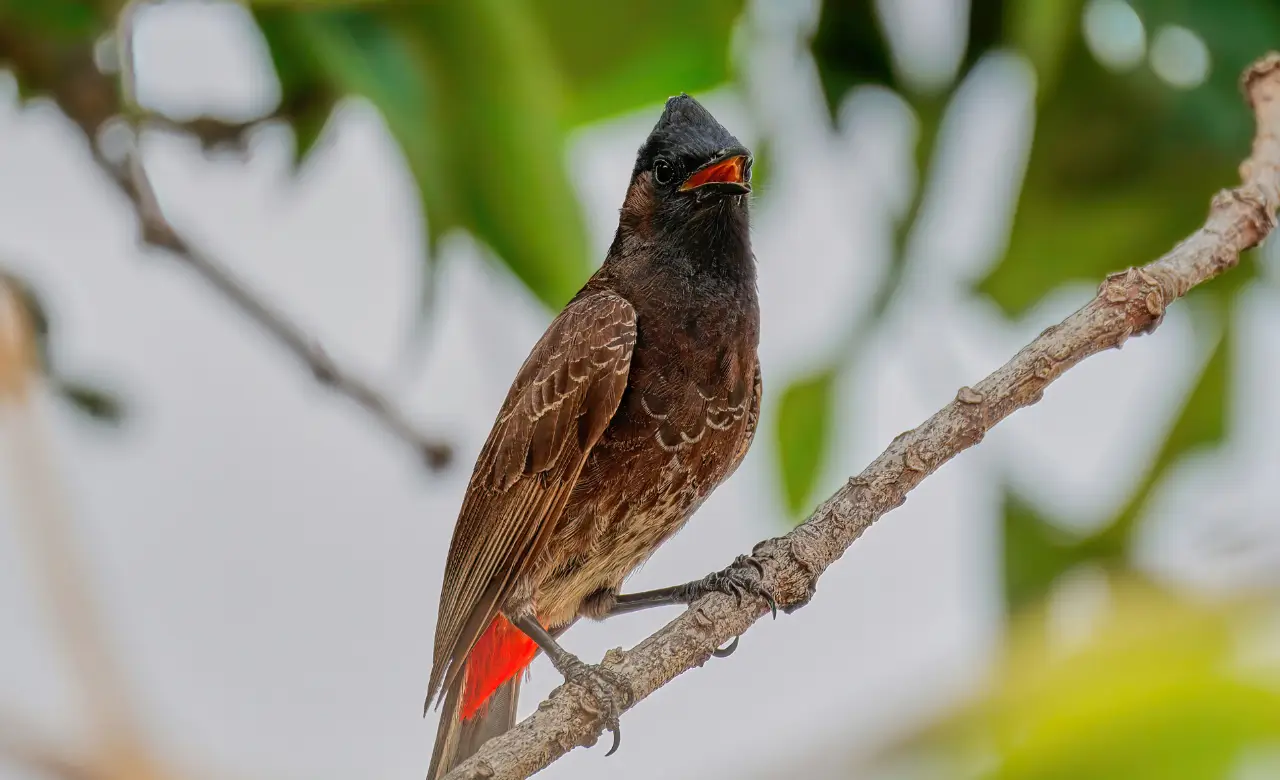
- Bulbul – A small bird that feeds on fruits and small insects in tropical areas.
- Fruit Dove – Prefers soft fruits but also takes insects for protein.
Adaptations For Fruit Consumption
Birds that eat fruit have special body parts to help them find and eat food.
| Adaptation | Description |
| Strong Beak | Helps to peel or break tough fruit skins. |
| Wide Tongue | Aids in swallowing soft fruits quickly. |
| Good Vision | Spots ripe fruits from a distance. |
| Digestive System | Processes fruit sugars and breaks down seeds safely. |
| Agile Feet | Grips branches to reach fruits easily. |
Role In Seed Dispersal
Fruit-eating birds help plants grow by spreading seeds far from the parent tree.
Here is how birds spread seeds:
- Eat fruit and swallow seeds.
- Fly to new areas while seeds stay inside.
- Seeds pass out in droppings, where they can grow.
- This helps plants colonize new places and keeps forests healthy.
Credit: mostbeautifulbirds.com
Insectivorous Birds
Insectivorous birds eat mostly insects to get energy and nutrients. Many birds also eat fruit, making their diet mixed.
These birds help control insect populations and keep nature balanced. They live in many habitats worldwide.
Typical Insect Hunters
Many bird species are known for eating insects. Some common insect hunters include warblers, flycatchers, and swallows.
Woodpeckers and nuthatches also find insects under tree bark. These birds have special skills for hunting insects.
- Warblers search leaves for small insects
- Flycatchers catch insects in the air
- Swallows swoop to grab flying insects
- Woodpeckers drill to find hidden insects
- Nuthatches climb trees looking for bugs
Techniques For Catching Insects
Insectivorous birds use many ways to catch insects. They can catch bugs from the air, leaves, or ground.
Some birds use quick flights to grab insects while flying. Others pick insects off plants or dig them out of wood.
- Flycatchers wait and snap insects mid-air
- Warblers hop on branches to find insects
- Woodpeckers tap and drill into trees
- Swallows chase flying insects swiftly
- Nuthatches move headfirst down tree trunks
Benefits Of Insect Diet
Eating insects gives birds many benefits. Insects provide protein, fats, and other nutrients for energy.
Insect diets help birds grow strong and stay healthy. They also reduce insect pests in nature.
- High protein helps build muscles
- Fats provide long-lasting energy
- Vitamins and minerals support health
- Reduces harmful insect numbers
- Supports bird survival and reproduction
Birds That Eat Both Fruits And Insects
Some birds have a diet that includes both fruits and insects. These birds are called omnivorous foragers. They eat a mix of plant and animal foods to stay healthy.
Eating both fruits and insects helps birds get many nutrients. This diet supports their energy and growth throughout the year.
Examples Of Omnivorous Foragers
Many birds eat fruits and insects. Some common examples include the American Robin, the Cedar Waxwing, and the Orioles. These birds find insects on trees and eat fruits like berries.
- American Robin: Eats worms, insects, and berries
- Cedar Waxwing: Likes fruits and catches flying insects
- Orioles: Feed on insects and sweet fruits
Diet Flexibility And Survival
Birds that eat both fruits and insects can survive in different places. Their flexible diet helps them find food even when one source is low. This makes them strong in changing environments.
For example, if insects are scarce, they can eat more fruits. If fruits are not ripe, they eat more insects. This balance helps them stay healthy and active.
Seasonal Dietary Shifts
Many birds change their diet with the seasons. In spring and summer, they eat more insects. These insects provide protein for growing young birds.
In fall and winter, birds eat more fruits. Fruits are easier to find when insects are less active. This change helps birds get energy year-round.
- Spring/Summer: More insects for protein
- Fall/Winter: More fruits for energy
Physical Traits Supporting Dual Diet
Birds that eat both fruit and insects have special body features. These features help them find and eat different foods easily.
Their bodies are built to handle the mix of soft fruit and crunchy insects. This balance helps them survive in many places.
Beak Shapes And Functions
Birds that eat fruit and insects have beaks made for both tasks. Their beaks are often medium-sized and slightly curved.
The shape helps them pick insects from small spaces and also bite into fruit. Their beaks are strong but not too sharp.
- Curved beak tips help catch insects quickly
- Wide base allows biting into fruit
- Moderate length for reaching fruit and insects
- Strong structure to crush hard shells
Digestive Adaptations
These birds have special stomachs to digest both fruit and insects well. Their digestive system is flexible and efficient.
They produce different enzymes that break down sugars in fruit and proteins in insects. This helps them get energy from both foods.
- Strong gizzard to grind insect shells
- Enzymes that digest fruit sugars quickly
- Short intestines for faster insect digestion
- Longer intestines to absorb fruit nutrients
Ecological Impact Of Dual Diet Birds
Birds that eat both fruit and insects play an important role in nature. They help keep the environment balanced by doing two jobs.
These birds affect plants and insects in ways that support healthy ecosystems. Their diet helps many living things survive and grow.
Balancing Ecosystems
Birds that eat fruit and insects help balance ecosystems. They spread seeds from fruit they eat, helping new plants grow.
At the same time, they control insect populations by eating bugs. This stops insects from damaging plants too much.
- Seed dispersal supports forest growth
- Insect control protects crops and trees
- They link plants and insects in the food web
Pollination And Pest Control
Some fruit-eating birds help pollinate flowers while feeding. This helps plants make fruits and seeds.
Birds also eat harmful insects that can destroy plants. This natural pest control reduces the need for chemicals.
- Pollination helps plants reproduce
- Eating pests protects plant health
- Supports a natural and healthy environment

Credit: www.dreamstime.com
How To Spot Fruit And Insect Eating Birds
Birds that eat fruit and insects have unique habits. Watching these habits helps you spot them easily.
These birds play an important role in nature by spreading seeds and controlling insects.
Identifying Behavior Patterns
Fruit and insect eating birds show certain behaviors. They often hop from branch to branch searching for food.
- They flick their wings quickly when excited.
- Watch for pecking at fruits or catching insects mid-air.
- They may shake fruits to remove insects before eating.
- Often call loudly to communicate while feeding.
Preferred Habitats
These birds choose places where fruits and insects are easy to find. Tropical forests and gardens are common habitats.
| Habitat | Common Features | Bird Examples |
|---|---|---|
| Tropical Forests | Many fruit trees and insect life | Toucan, Fruit Dove |
| Woodlands | Mixed trees with berries and bugs | Warbler, Thrush |
| Gardens and Parks | Fruit bushes and flowering plants | Orioles, Robins |
Conservation Challenges And Efforts
Birds that eat both fruit and insects face many risks in the wild. Protecting these birds is important to keep nature balanced.
Conservation groups work hard to save these birds and their homes. Understanding the threats helps make better plans.
Threats To Omnivorous Birds
Many omnivorous birds lose their homes because of cutting down forests. Without trees, they cannot find food or safe places to live.
Pollution and pesticides also harm these birds. Chemicals can poison the insects and fruits they eat, making them sick.
- Habitat loss from deforestation
- Use of harmful pesticides
- Climate change changing food availability
- Predators introduced by humans
- Hunting and trapping
Protective Measures
People protect birds by saving forests and planting new trees. This gives birds places to live and find food.
Using fewer chemicals in farming helps keep birds safe. Many farms now choose natural ways to control pests.
- Creating protected forest areas
- Encouraging organic farming
- Raising public awareness about bird safety
- Monitoring bird populations regularly
- Supporting laws that stop hunting

Credit: en.wikipedia.org
Frequently Asked Questions
What Bird Species Eat Both Fruit And Insects?
Many birds like thrushes, orioles, and tanagers eat fruit and insects. This diet helps them get essential nutrients and energy for survival.
How Do Fruit And Insect Diets Benefit Birds?
Eating fruit provides vitamins and sugars, while insects offer protein. Together, this diet supports bird growth, reproduction, and overall health.
Where Do Fruit-and-insect-eating Birds Live?
These birds often inhabit forests, gardens, and orchards. They prefer areas rich in fruiting trees and insect populations for easy feeding.
How Do Birds Catch Insects While Eating Fruit?
Birds use quick, precise movements to catch insects. They also pick insects off leaves or catch them mid-air while feeding on fruit.
Conclusion
Birds that eat fruit and insects play a vital role in nature. They help in seed dispersal, aiding plant growth. Their diet keeps insect populations in check. This creates a balanced ecosystem. Observing these birds can be a delightful experience.
Their colorful feathers and chirping sounds add beauty to nature. They are an important part of our environment. Protecting their habitats ensures their survival. Planting native trees and shrubs can attract them. Enjoy watching these birds and learn from them.
Nature offers simple joys. Let’s cherish them.