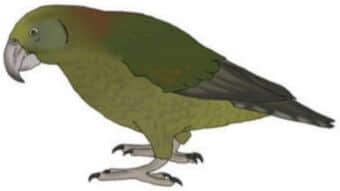
Have you ever wondered how some birds manage to crack open the toughest nuts with hard shells? Imagine watching a bird effortlessly break through a shell that seems impossible to crack.
If you’re curious about which bird has this amazing ability and how it does it, you’re in the right place. This article will reveal the secret behind a bird that can eat large, hard-shelled nuts and explain why this skill is so rare and fascinating.
Keep reading—you won’t want to miss these surprising facts!

Credit: www.birdwatchingdaily.com
The Nutcracker Bird
The Nutcracker bird is famous for eating large, hard-shelled nuts. It lives mostly in mountainous forests. This bird uses its strong beak to crack open tough shells.
Its diet helps spread tree seeds, which supports forest growth. The Nutcracker plays an important role in nature.
Species Known For Hard Nut Diets
Many bird species eat hard nuts, but the Nutcracker is one of the best at it. Here are some birds known for eating tough nuts:
- Nutcracker
- Blue Jay
- Woodpecker
- Acorn Woodpecker
- Clark's Nutcracker
Unique Physical Features
The Nutcracker bird has special features that help it eat hard nuts. Its strong, pointed beak can break shells easily. Its tongue helps to pull out the nut meat inside.
| Feature | Description |
| Beak | Large, strong, and pointed for cracking nuts |
| Feet | Strong and sharp to hold nuts firmly |
| Size | Medium-sized bird, about 11 inches long |
| Color | Brownish-gray with white spots on wings |
Adaptations For Cracking Nuts
Some birds eat large, hard-shelled nuts. They need special body parts to break these tough shells. These adaptations help them get the food inside.
This article explains two key adaptations. One is the beak shape and strength. The other is the jaw muscles and how they work.
Beak Structure And Strength
Birds that crack nuts have strong, thick beaks. The shape fits the nut perfectly. This shape helps them hold and crush the shell easily.
- Thick and heavy beak for more power
- Sharp edges to crack shells
- Curved tip to hold nuts firmly
- Strong bone structure inside the beak
Jaw Muscles And Mechanisms
Strong jaw muscles give the force needed to break hard shells. These muscles work like a clamp. They close the beak with great strength.
| Muscle | Function | Benefit |
| Adductor Mandibulae | Closes the beak | Crushes hard shells |
| Temporalis | Controls jaw movement | Increases bite force |
| Pterygoid muscles | Stabilize jaw | Prevents slipping |
Diet And Feeding Habits
Some birds have strong beaks to eat large, hard-shelled nuts. These nuts are tough to crack, but the birds get important nutrients from them.
These birds use special feeding habits to break open shells and reach the tasty parts inside. Their diet mainly includes these nuts, which give them energy and help them survive.
Types Of Hard-shelled Nuts Eaten
Birds that eat large nuts prefer those with thick shells. These nuts provide good nutrition and are often found in their habitats.
- Brazil nuts
- Macadamia nuts
- Hickory nuts
- Walnuts
- Chestnuts
Each nut type has a unique shell thickness and size. Birds choose nuts they can handle with their beaks.
Foraging Techniques
These birds use their strong beaks to crack nuts open. They may drop nuts on hard surfaces to break the shell.
Some birds hide nuts to eat later. This helps them store food for times when nuts are scarce.
- Use beak to crack shells
- Drop nuts on rocks or hard ground
- Hide nuts in tree crevices or soil
- Search for fallen nuts on the forest floor

Credit: awesomewildlifeco.co.uk
Habitat And Distribution
Some birds eat large, hard-shelled nuts as a main part of their diet. These birds need strong beaks to crack the tough shells. Their habitats are places where these nuts grow naturally.
Understanding where these birds live helps us learn about their behavior and needs. Their habitats give them food and shelter.
Regions Where They Thrive
Birds that eat large, hard-shelled nuts often live in tropical and subtropical areas. These regions have many trees producing such nuts.
They are common in parts of South America, Africa, and Asia. These places provide the right climate and food sources.
- Amazon rainforest in South America
- West and Central Africa
- Southeast Asian rainforests
- Pacific Islands with nut-producing trees
Preferred Natural Environments
These birds prefer dense forests and woodlands. They need areas with many nut trees for food and safe nesting spots.
They also live near rivers and streams where trees grow well. Open fields or deserts do not support their food needs.
- Dense tropical rainforests
- Woodlands with nut-bearing trees
- Areas near freshwater sources
- Regions with year-round warm temperatures
Role In Ecosystems
A bird that eats large hard-shelled nuts plays an important role in many ecosystems. It helps spread seeds and supports forest growth.
These birds also interact with other species, creating a balanced environment. Their actions affect plants and animals around them.
Seed Dispersal And Forest Growth
By eating large nuts, the bird moves seeds away from the parent tree. Some nuts are dropped or stored in new places. This helps trees grow in different areas.
- Birds carry nuts in their beaks or feet
- They hide nuts in the ground for later use
- Some hidden nuts grow into new trees
- This process creates new forest patches
- It increases plant diversity in the forest
Interactions With Other Species
This bird shares its habitat with many animals and plants. It helps spread food for other species and creates homes for small creatures.
| Species | Interaction Type | Effect on Ecosystem |
| Small mammals | Eat leftover nuts | Support food chain |
| Seed plants | Receive seed dispersal | Forest regeneration |
| Predators | Hunt the bird | Control bird population |
| Insects | Use bird nests | Gain shelter |
Challenges And Conservation
Some birds eat large, hard-shelled nuts for food. These birds face many challenges in the wild. Protecting them is very important for nature.
This article explains the threats these birds face. It also shows how people work to save them.
Threats To Survival
Birds that eat hard nuts have few places to live. Cutting down forests makes it hard for them to find food. Some hunters catch these birds for food or trade.
- Loss of forest homes
- Less food due to logging
- Hunting and illegal trade
- Pollution of their environment
Conservation Efforts
People use many ways to protect these special birds. They work to save forests and stop hunting. Some groups teach others about the birds’ needs.
| Action | Description |
| Forest Protection | Keeping trees safe for bird homes |
| Anti-Hunting Laws | Rules to stop hunting and trading |
| Education | Teaching people about bird care |
| Research | Studying birds to help their survival |

Credit: awesomewildlifeco.co.uk
Frequently Asked Questions
What Bird Can Crack Large Hard-shelled Nuts?
The toucan is known for eating large hard-shelled nuts. Its strong, curved beak helps it crack tough shells easily. This bird mainly feeds on nuts, fruits, and insects in tropical forests.
How Do Birds Eat Hard-shelled Nuts?
Birds use their strong beaks to crack nuts. They often drop nuts from heights to break shells. Some birds, like jays and woodpeckers, use tools or rock surfaces to open nuts.
Why Do Some Birds Prefer Hard Nuts?
Hard nuts provide birds with high energy and nutrients. These nuts have fats and proteins essential for survival. Birds with specialized beaks evolve to access these rich food sources efficiently.
Which Habitats Support Nut-eating Birds?
Tropical and subtropical forests are common habitats. These areas have abundant nut-bearing trees and diverse bird species. Birds thrive in environments where food sources like nuts are plentiful year-round.
Conclusion
The bird's nut-cracking skill is truly impressive. Hard-shelled nuts are no match. This unique adaptation showcases nature's ingenuity. Survival in the wild requires such clever techniques. Observing these birds gives valuable insights. It reveals the importance of adaptation in nature.
Their diet of nuts supports forest ecosystems too. Every crack of a shell tells a story. We learn how creatures fit into their habitats. Their survival tactics inspire admiration and respect. Understanding these birds enriches our knowledge. It's a reminder of nature's amazing diversity.