
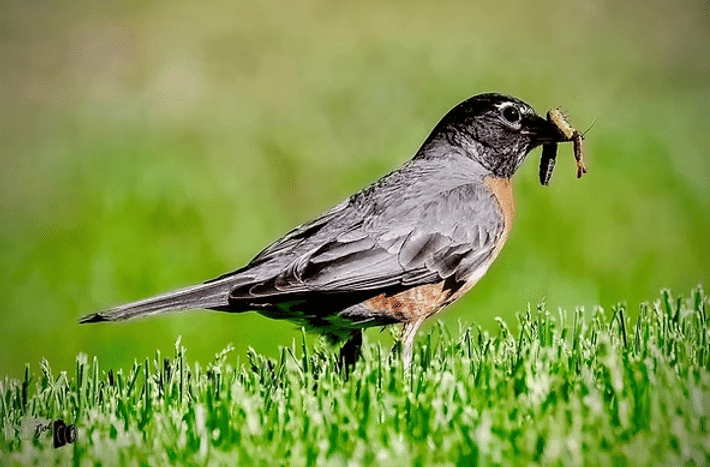
Have you ever wondered which bird loves to dig into the soil for a tasty meal? Imagine watching a clever bird hop around your garden, searching for worms hidden beneath the earth.
This simple act is not just fascinating to watch—it plays a big role in keeping your soil healthy and your plants thriving. If you want to know more about this amazing bird, how it finds its food, and why it matters to your garden, keep reading.
You’ll discover secrets that might change the way you see the little creatures outside your window.

Credit: www.earthofbirds.com
Soil-dwelling Birds
Some birds live close to the ground and eat animals found in the soil. These birds often feed on worms, insects, and other small creatures. They help keep the soil healthy by controlling pests.
Worms are a favorite food for many soil-dwelling birds. These birds use their sharp beaks to find and pull worms from the earth. Watching them can teach us about nature’s balance.
Common Worm-eating Species
Many birds eat worms as a main part of their diet. Some common species include robins, thrushes, and starlings. These birds are often seen searching the soil for worms after rain.
- American Robin
- Song Thrush
- European Starling
- Woodcock
- Thrush Nightingale
These birds have strong legs to dig and sharp eyes to spot movement in the soil. They play an important role in controlling worm and insect populations.
Habitat And Distribution
Soil-dwelling birds live in many places around the world. They are common in gardens, forests, and fields. These birds prefer moist soil where worms are easy to find.
They are often found in temperate regions but can adapt to many environments. Birds like robins live in both cities and countryside areas. This helps them find food year-round.
- Gardens and parks
- Woodlands and forests
- Grasslands and fields
- Urban areas with green spaces
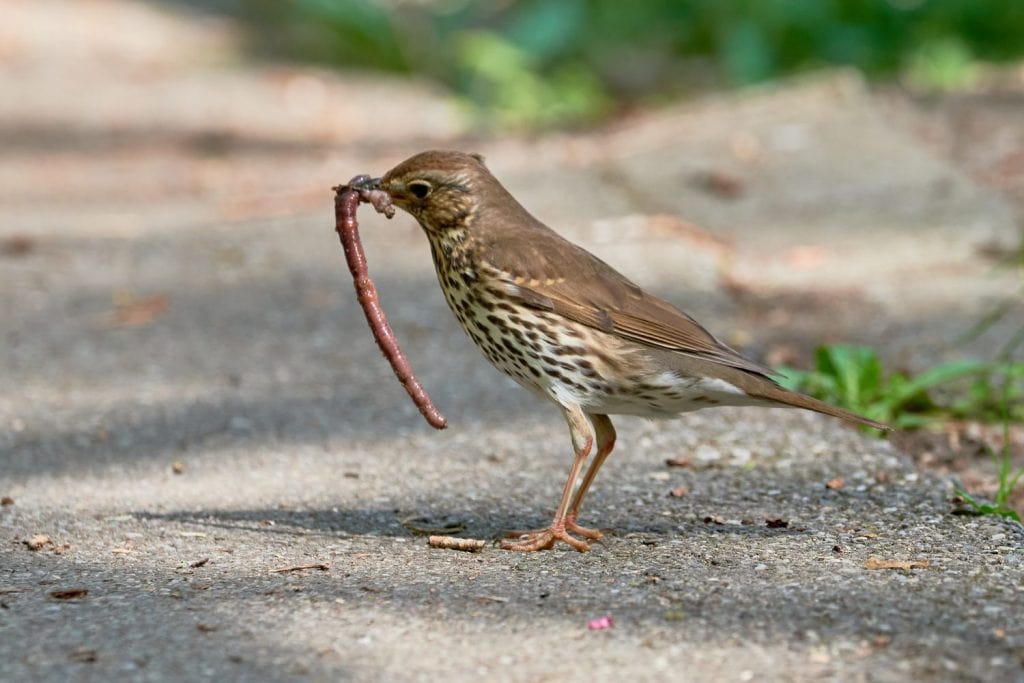
Credit: a-z-animals.com
Feeding Habits
Many birds eat worms that live in the soil. These worms are a good source of food. Birds use special ways to find and catch them.
Understanding how birds find and eat worms helps us learn about their feeding habits. Let’s explore their methods.
How Birds Find Worms
Birds use their sharp eyes to spot small movements on the ground. They watch closely for signs of worms near the soil surface.
- Look for soil that is soft and moist
- Watch for small holes or cracks in the soil
- Notice worm movements or soil shaking
- Listen for subtle sounds made by worms
Techniques For Extracting Prey
Once birds find worms, they use their beaks to pull them out. Some birds tap the ground to scare worms up.
| Technique | Description |
| Probing | Birds insert their beaks into the soil to catch worms. |
| Tapping | Birds tap the ground to make worms come to the surface. |
| Pecking | Birds peck at soil cracks to reach worms hiding inside. |
Role In Soil Health
Birds that eat worms play an important role in keeping soil healthy. They help control pests and improve the soil’s nutrients. This balance supports plants and the entire ecosystem.
These birds dig into the ground to find worms. Their feeding habits affect the soil in many good ways. Let’s explore how they help with natural pest control and soil fertility.
Natural Pest Control
Birds that eat worms also eat many harmful insects in the soil. By reducing pests, they protect plants from damage. This keeps the garden or farm healthy without using chemicals.
- They consume larvae and insect eggs found in the soil.
- They reduce the number of pests that harm roots and leaves.
- They help keep a natural balance in the soil ecosystem.
Enhancing Soil Fertility
When birds dig for worms, they turn over the soil. This process helps air and water reach plant roots. It also mixes organic material into the soil, making it richer.
| Benefit | Effect on Soil |
| Soil Aeration | Improves air flow for roots |
| Organic Matter Mixing | Enhances nutrient content |
| Water Penetration | Helps roots absorb water better |

Credit: www.dreamstime.com
Behavior And Adaptations
A bird that eats worms in the soil shows special behaviors and traits. These help it find food and survive in its habitat. Its habits change with the seasons.
Understanding these behaviors explains how the bird digs for worms and adjusts its feeding during the year. These are key to its survival.
Physical Traits For Digging
This bird has strong legs and sharp claws. These help it dig into the soil to reach worms. Its beak is long and pointed for pulling worms out.
- Strong, curved claws for digging
- Sturdy legs to scratch the ground
- Long, thin beak to catch worms
- Good eyesight to spot worm holes
Seasonal Feeding Patterns
The bird changes its feeding based on the season. In spring and fall, worms are easy to find because the soil is soft. In winter, it looks for other food.
| Season | Feeding Behavior |
| Spring | Eats many worms from moist soil |
| Summer | Feeds on insects and small fruits |
| Fall | Returns to worm feeding as soil softens |
| Winter | Hunts for seeds and berries when worms hide |
Interactions With Ecosystem
A bird that eats worms in the soil plays an important role in nature. It helps keep the soil healthy and supports many other living things. This bird’s actions affect the whole ecosystem around it.
By feeding on worms, the bird changes how soil organisms live and interact. These changes create a balance in the ecosystem and help plants grow better.
Impact On Other Soil Organisms
The bird eating worms reduces worm numbers in the soil. This can lower the worms’ activity, which affects soil quality. Worms help break down dead plants and mix the soil.
When worm numbers go down, other soil creatures may change how they live. Some may find less food, while others may grow in number because of fewer worms.
- Less worm activity can slow soil mixing
- Other insects may increase due to less competition
- Microorganisms might change because of soil shifts
Symbiotic Relationships
This bird helps plants by eating worms that might harm roots. Healthier plants support insects and animals nearby. The bird, plants, and soil organisms work together in nature.
Sometimes, the bird spreads seeds while moving around. This helps plants grow in new places. The bird and plants depend on each other for food and shelter.
- Bird controls worm numbers, protecting plants
- Plants provide food and shelter for the bird
- Soil organisms benefit from balanced interactions
Conservation And Protection
Birds that eat worms play a key role in nature. They help keep soil healthy and support other wildlife.
Protecting these birds means protecting the earth below us. We need to understand their challenges and help them thrive.
Threats To Worm-eating Birds
Worm-eating birds face many dangers. Loss of habitat and pollution reduce their food and homes.
- Use of pesticides kills worms and poisons birds.
- Urban growth destroys natural areas.
- Climate changes affect worm availability.
- Predators such as cats hunt these birds.
Ways To Support Their Population
Helping worm-eating birds is simple. Small actions create safe spaces and food sources.
- Plant native trees and shrubs to provide shelter.
- Avoid using chemical pesticides in your garden.
- Keep outdoor cats indoors to protect birds.
- Build bird feeders and water stations.
- Support local conservation projects and parks.
| Action | Benefit |
| Plant Native Plants | Offers food and cover |
| Reduce Pesticides | Protects worms and birds |
| Control Pets | Limits bird hunting |
| Provide Feeders | Supplement bird diet |
| Support Conservation | Helps habitats grow |
Frequently Asked Questions
What Bird Commonly Eats Worms In The Soil?
The American Robin is well-known for eating worms found in the soil. It uses its keen eyesight to spot and pull worms from the ground.
How Do Birds Find Worms Underground?
Birds detect worms by sensing vibrations and movements in the soil. They listen carefully and dig with their beaks to catch the worms.
Why Do Birds Eat Worms From The Soil?
Worms are a rich protein source for birds, especially during breeding. Eating worms helps birds get essential nutrients for energy and growth.
When Do Birds Usually Eat Worms?
Birds mostly eat worms early morning or after rain. Moist soil makes worms come to the surface, making them easier to catch.
Conclusion
Birds that eat worms play a vital role in nature. They help control worm populations in the soil. This ensures a balanced ecosystem. These birds also improve soil health. They provide natural pest control. Watching them can be a joy for nature lovers.
Their presence indicates a healthy environment. So, next time you see one, appreciate its contribution. It’s a small creature with a big impact. Understanding their role enriches our connection to nature. Embrace the wonders of these feathered friends in your garden or park.
They are nature’s little helpers.



