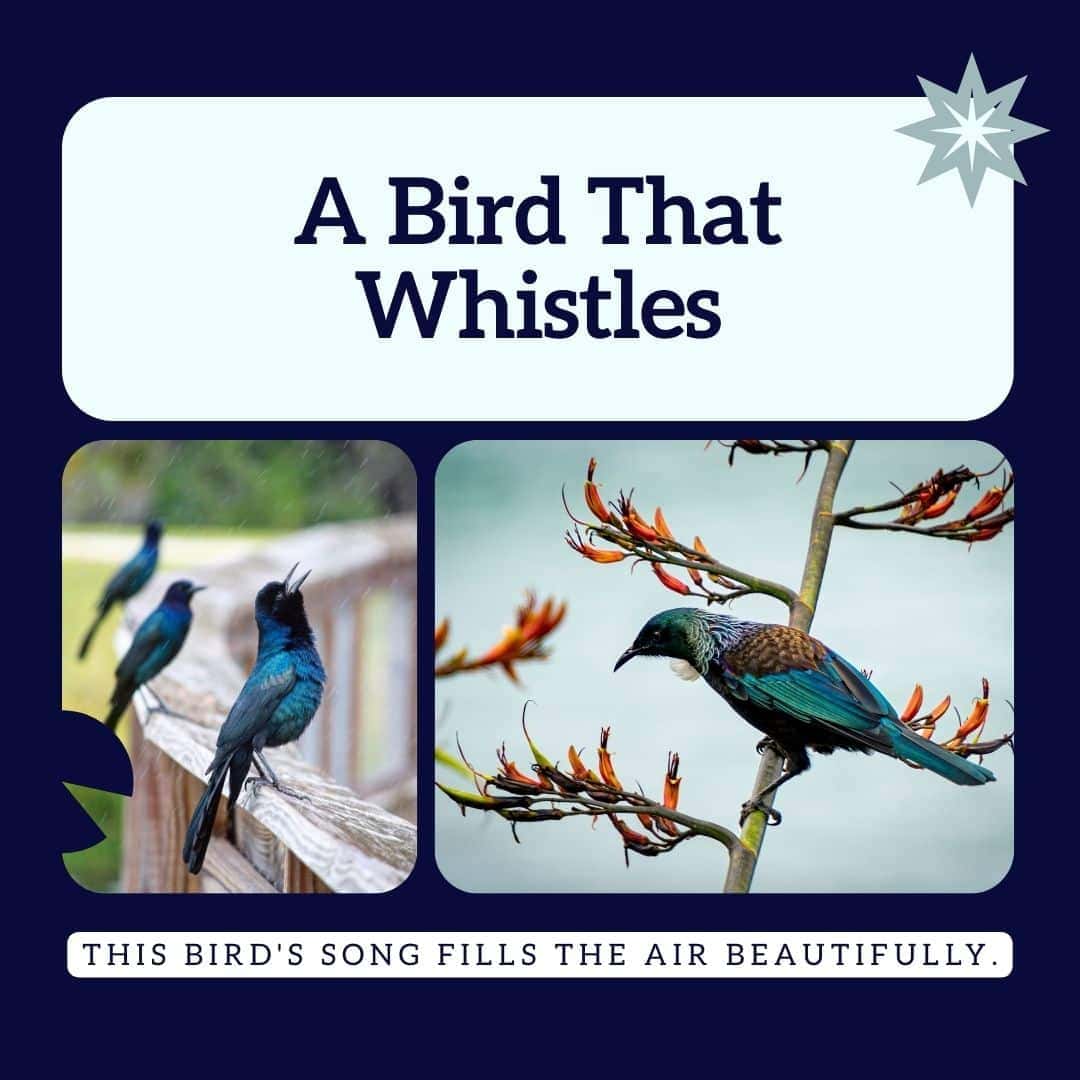
Whistling Birds Around The World
In various regions, a bird that whistles plays a key role in the ecosystem. Its presence signifies a healthy environment.
Birds that whistle have a special way of communicating. Their whistling sounds can be clear and musical. People enjoy listening to these birds in nature.
Observing a bird that whistles can foster a greater understanding of avian communication methods.
Whistling birds live in many parts of the world. Each species has its own unique whistle. These sounds help birds find mates and mark their territory.
Many enthusiasts seek to identify their favorite species, especially a bird that whistles, due to its unique calls.
Famous Whistling Species
Notably, a bird that whistles captivates birdwatchers and casual observers alike.
Some bird species are well known for their whistling. These birds use their calls to stand out in forests, fields, or cities. Their whistles can be loud or soft.
- Nightingale: Famous for a rich and varied whistle.
- Common Loon: Has clear, haunting whistles near lakes.
- European Robin: Uses a bright and cheerful whistle.
- Black-capped Chickadee: Whistles to warn and call friends.
- Eastern Whip-poor-will: Known for its repeating whip-poor-will call.
Habitats And Regions
Whistling birds live in many habitats, such as forests, wetlands, and cities. Each bird adapts its whistle to the environment, which helps it be heard over noise and distance.
A bird that whistles can thrive in various habitats, adapting its calls to suit its surroundings.
These birds are found on every continent except Antarctica. Some live only in tropical areas, and others live in colder or temperate zones.
- Forests: Nightingales and robins often live here.
- Lakes and Rivers: Common loons prefer these areas.
- Urban Areas: Chickadees and some robins adapt well.
Many people find joy in watching a bird that whistles while enjoying outdoor activities.
- Grasslands: Some whistling birds thrive in open fields.
- Tropical Rainforests: Many unique species whistle here.
In the lush tropical rainforests, a bird that whistles enchants visitors with its melodic tunes.
Seasonal Whistling Patterns
Many birds change their whistling with the seasons. During spring and summer, they whistle more to attract mates. This is the breeding season.
During courtship, a bird that whistles often showcases its most beautiful melodies.
In fall and winter, some birds whistle less or stop. Others use whistles to keep in touch with their group. Migration can also affect whistling times.
- Spring: Whistling increases for courtship.
- Summer: Birds defend territory with whistles.
- Fall: Some reduce whistling as the weather cools.
As seasons change, the patterns of a bird that whistles also reflect the rhythm of nature.
- Winter: Whistles help birds stay connected in flocks.
- Migration: Whistles guide birds during travel.
When migrating, a bird that whistles may use its calls to communicate with its flock.
How Birds Produce Whistles
Birds create whistles using special parts of their bodies. These sounds help them communicate with others. Whistles are clear and musical.
The mechanics behind how a bird that whistles produces its tunes are truly fascinating.
Each bird species has a unique way to make these sounds. Their anatomy and techniques shape the whistles they produce.
Anatomy Of Birdsong
A bird that whistles employs its syrinx to create intricate melodies that resonate through the air.
Birds produce sounds using a vocal organ called the syrinx. It sits where the windpipe splits into the lungs and has vibrating muscles and membranes.
- The bird pushes air from its lungs through the syrinx.
Each bird that whistles has a distinct style that sets it apart from others.
- Muscles control the tension of the membranes.
- Vibrations create different pitches and tones.
Recognizing the sound of a bird that whistles can enrich your birdwatching experience.
- The shape of the bird’s throat and beak changes the sound.
Techniques Behind The Tunes
Birds use different methods to make varied whistle sounds. They can change air pressure or adjust their syrinx muscles fast. Some birds sing two notes at once.
| Technique | Description |
| Air Control | Varying air pressure to change volume and pitch. |
| Muscle Tension | Adjusting syrinx muscles to alter sound frequency. |
| Bilateral Sound | Using both sides of the syrinx to create two tones. |
| Beak Movement | Changing beak shape to modify sound quality. |
Variations In Whistle Sounds
Variations in a bird that whistles’ sounds can signal different moods or intentions.
Whistles vary by bird species and purpose. Some are short and sharp. Others are long and melodic. Birds change whistles to show mood or attract mates.
- Simple whistles have one clear note.
- Complex whistles have many notes joined smoothly.
- High-pitched whistles travel far in dense forests.
- Low-pitched whistles are used in open areas.
Purpose Of Bird Whistles
Communication among a bird that whistles is crucial for social interactions and survival.
Bird whistles are sounds birds make to send messages. These sounds help birds survive and live together.
Birds use different whistles for many reasons, like talking to friends or warning about danger.
A bird that whistles uses complex patterns to convey messages to its peers.
Communication And Mating Calls
Birds use whistles to talk to each other. Mating calls attract partners and help birds find mates.
- Males sing to show they are healthy and strong.
- Different sounds help birds recognize their mates.
- Whistles can keep pairs close during nesting time.
Territorial Signals
Birds use whistles to mark their land. These sounds warn other birds to stay away.
| Signal | Purpose | Effect |
| Loud Whistle | Mark Territory | Scare intruders |
| Repeated Calls | Claim Area | Prevent fights |
| High Pitch | Show Strength | Attract mates and warn rivals |
Warning And Alarm Sounds
Birds whistle to warn others about danger. These sounds help birds stay safe.
Common warning whistles include:
- Sharp high-pitched sounds to alert of predators
- Short, rapid calls to signal immediate danger
- Group calls gather birds together quickly

Credit: www.shutterstock.com
Whistling Birds In Culture
In various cultures, a bird that whistles has been celebrated for its enchanting songs.
Birds that whistle have fascinated people for centuries. Their songs appear in many cultures worldwide, and these birds often carry special meanings and stories.
This article explores how whistling birds appear in folklore, art, and music. Each area highlights its importance in human culture.
Folklore And Mythology
Whistling birds often appear in old tales and myths. Many cultures see their songs as signs or messages from nature. Some believe these birds bring good luck or warnings.
- In Native American stories, whistling birds guide lost travelers.
- In Japan, the whistling of certain birds signals changing seasons.
- European folklore sometimes links whistling birds to spirits or souls.
- In African myths, these birds are messengers between humans and gods.
Symbolism In Art And Literature
Artists and writers use whistling birds to express ideas and feelings. Their clear songs symbolize freedom, hope, and nature’s beauty. These birds often represent peace and joy in poems and paintings.
| Art Form | Symbolic Meaning |
| Painting | Freedom and nature |
| Poetry | Hope and peace |
| Novels | Guidance and change |
| Sculpture | Life and spirit |
Influence On Music
Musicians often copy bird whistles in their songs. The sounds inspire melodies and rhythms. Whistling birds add natural beauty and emotion to music.
Musicians often seek to incorporate the sounds of a bird that whistles in their work.
Common ways whistling birds influence music:
- Imitating bird calls in folk songs
- Using bird sounds in classical compositions
- Creating relaxing nature soundtracks
- Inspiring lyrics about nature and freedom
Tips To Spot And Identify Whistling Birds
Birdwatchers often strive to capture the elusive sound of a bird that whistles during their adventures.
Whistling birds make unique sounds that help us find and identify them. Listening carefully can reveal many bird species around you.
This guide shares easy tips on recognizing these birds by their whistles. Learn when and where to listen, how to tell whistles apart, and how to use tools for birdwatching.
Best Times And Places To Listen
Birds whistle more at certain times and places. Early morning and late afternoon are great times to hear them. Parks, forests, and near water are good spots to listen.
- Go outside around sunrise or sunset
- Visit areas with many trees and shrubs
- Listen near ponds, lakes, or rivers
- Stay quiet and still to avoid scaring birds
Recognizing Different Whistles
Bird whistles vary in pitch, length, and pattern. Learning these differences helps you identify species by sound alone.
| Bird Species | Whistle Description |
| Northern Cardinal | Clear, musical whistles in series |
| American Robin | Short, sharp whistles and whistles in phrases |
| Song Sparrow | Complex, varied whistles with trills |
| Black-capped Chickadee | Simple two-note whistles, “fee-bee” sound |
Using Technology For Birdwatching
Technology makes it easier to spot and identify whistling birds. Apps and devices can record and analyze bird sounds quickly.
Try these tools to enhance your birdwatching:
- Mobile apps that identify bird songs
- Audio recorders to capture whistles
- Online bird sound libraries for comparison
- Binoculars with built-in sound detection
Conservation Of Whistling Birds
Whistling birds are known for their beautiful songs. They play an important role in nature.
Protecting these birds helps keep the environment healthy and balanced.
Threats To Their Habitats
Whistling birds lose their homes because forests are cut down. Pollution also harms their environment.
Urban growth and farming reduce the places where they can live and find food.
- Deforestation removes trees and nesting sites
- Pollution damages water and air quality
- Farming destroys natural plants and insects
- Building cities shrinks their living spaces
Efforts To Protect Species
Many groups work to save whistling birds by protecting their homes. They plant trees and clean polluted areas.
Scientists study these birds to learn how to keep them safe and help their numbers grow.
- Creating protected areas and reserves
- Restoring forests and natural habitats
- Reducing pollution and harmful chemicals
- Raising awareness about bird conservation
How You Can Help
You can help whistling birds by planting native trees in your area. This gives them food and shelter.
Avoid using pesticides and keep water clean to protect their health.
- Plant local trees and plants
- Keep your garden free of chemicals
- Support bird-friendly community projects
- Learn about birds and share knowledge
Credit: besgroup.org
Frequently Asked Questions
Many people have a special appreciation for a bird that whistles and its melodic contributions to nature.
What Bird Is Known For Its Whistling Sound?
The common bird known for whistling is the Northern Mockingbird. It mimics other bird calls and produces clear whistles. Whistling helps birds communicate and attract mates. Many songbirds use whistling as part of their vocal repertoire.
Why Do Some Birds Whistle Instead Of Chirp?
Birds whistle to produce melodic, clear sounds. Whistling can travel longer distances than chirping. It helps in communication, mating, and territory defense. Whistling also allows birds to express complex messages, uniquely compared to simple chirps or calls.
How Can I Teach A Bird To Whistle?
You can teach a bird to whistle by consistently repeating simple tunes. Use clear, short whistles near the bird daily. Positive reinforcement, like treats, encourages learning. Patience and regular practice improve a bird’s whistling skills over time.
Which Birds Are Best Known For Their Whistling Abilities?
Birds like canaries, finches, and mynahs are famous for whistling. Parrots also excel in mimicking and whistling human tunes. These birds have strong vocal muscles and learning abilities that help them whistle well.
Conclusion: A Bird That Whistles
The whistling bird amazes us with its unique song—nature’s music at its finest. Birds communicate and express themselves in fascinating ways. Their melodies soothe our minds. Observing these birds brings joy and curiosity. Each whistle tells a story—an opportunity to connect with nature.
Listening can spark a love for wildlife. We should appreciate the simple beauty around us. Encourage others to explore birdwatching. Share the wonder of these remarkable creatures. They are a reminder of the world’s natural wonders. Let’s cherish and protect them for future generations.
Embrace the magic of a whistling bird.
A Bird That Whistles: Species, Sounds, and Cultural Significance
A Bird That Whistles can stop you — have you ever paused to listen when that sweet, clear sound fills the air? That simple tune can brighten your day and awaken a deep wonder.
Many times, people are surprised by the beauty of a bird that whistles. A Bird That Whistles captures our attention and encourages us to pause and appreciate nature.
But what makes a bird whistle, and why do some birds sing so beautifully while others remain silent? If you’ve ever wondered about the mystery behind these charming melodies, you’ll uncover fascinating facts that transform how you experience nature’s music.
Understanding what makes a bird that whistles special can enhance your outdoor experiences and appreciation for wildlife.
Keep reading, and you’ll learn how these birds whistle, why they do it, and how you can recognize their unique calls wherever you go. Your next walk outside might never sound the same again!
A Bird That Whistles is not just an ordinary bird; it represents a connection to the melodies of our environment.
Credit: www.leoalmanac.org
Whistling Birds Around The World
In various regions, a bird that whistles plays a key role in the ecosystem. Its presence signifies a healthy environment.
Birds that whistle have a special way of communicating. Their whistling sounds can be clear and musical. People enjoy listening to these birds in nature.
Observing a bird that whistles can foster a greater understanding of avian communication methods.
Whistling birds live in many parts of the world. Each species has its own unique whistle. These sounds help birds find mates and mark their territory.
Many enthusiasts seek to identify their favorite species, especially a bird that whistles, due to its unique calls.
Famous Whistling Species
Notably, a bird that whistles captivates birdwatchers and casual observers alike.
Some bird species are well known for their whistling. These birds use their calls to stand out in forests, fields, or cities. Their whistles can be loud or soft.
- Nightingale: Famous for a rich and varied whistle.
- Common Loon: Has clear, haunting whistles near lakes.
- European Robin: Uses a bright and cheerful whistle.
- Black-capped Chickadee: Whistles to warn and call friends.
- Eastern Whip-poor-will: Known for its repeating whip-poor-will call.
Habitats And Regions
Whistling birds live in many habitats, such as forests, wetlands, and cities. Each bird adapts its whistle to the environment, which helps it be heard over noise and distance.
A bird that whistles can thrive in various habitats, adapting its calls to suit its surroundings.
These birds are found on every continent except Antarctica. Some live only in tropical areas, and others live in colder or temperate zones.
- Forests: Nightingales and robins often live here.
- Lakes and Rivers: Common loons prefer these areas.
- Urban Areas: Chickadees and some robins adapt well.
Many people find joy in watching a bird that whistles while enjoying outdoor activities.
- Grasslands: Some whistling birds thrive in open fields.
- Tropical Rainforests: Many unique species whistle here.
In the lush tropical rainforests, a bird that whistles enchants visitors with its melodic tunes.
Seasonal Whistling Patterns
Many birds change their whistling with the seasons. During spring and summer, they whistle more to attract mates. This is the breeding season.
During courtship, a bird that whistles often showcases its most beautiful melodies.
In fall and winter, some birds whistle less or stop. Others use whistles to keep in touch with their group. Migration can also affect whistling times.
- Spring: Whistling increases for courtship.
- Summer: Birds defend territory with whistles.
- Fall: Some reduce whistling as the weather cools.
As seasons change, the patterns of a bird that whistles also reflect the rhythm of nature.
- Winter: Whistles help birds stay connected in flocks.
- Migration: Whistles guide birds during travel.
When migrating, a bird that whistles may use its calls to communicate with its flock.
How Birds Produce Whistles
Birds create whistles using special parts of their bodies. These sounds help them communicate with others. Whistles are clear and musical.
The mechanics behind how a bird that whistles produces its tunes are truly fascinating.
Each bird species has a unique way to make these sounds. Their anatomy and techniques shape the whistles they produce.
Anatomy Of Birdsong
A bird that whistles employs its syrinx to create intricate melodies that resonate through the air.
Birds produce sounds using a vocal organ called the syrinx. It sits where the windpipe splits into the lungs and has vibrating muscles and membranes.
- The bird pushes air from its lungs through the syrinx.
Each bird that whistles has a distinct style that sets it apart from others.
- Muscles control the tension of the membranes.
- Vibrations create different pitches and tones.
Recognizing the sound of a bird that whistles can enrich your birdwatching experience.
- The shape of the bird’s throat and beak changes the sound.
Techniques Behind The Tunes
Birds use different methods to make varied whistle sounds. They can change air pressure or adjust their syrinx muscles fast. Some birds sing two notes at once.
| Technique | Description |
| Air Control | Varying air pressure to change volume and pitch. |
| Muscle Tension | Adjusting syrinx muscles to alter sound frequency. |
| Bilateral Sound | Using both sides of the syrinx to create two tones. |
| Beak Movement | Changing beak shape to modify sound quality. |
Variations In Whistle Sounds
Variations in a bird that whistles’ sounds can signal different moods or intentions.
Whistles vary by bird species and purpose. Some are short and sharp. Others are long and melodic. Birds change whistles to show mood or attract mates.
- Simple whistles have one clear note.
- Complex whistles have many notes joined smoothly.
- High-pitched whistles travel far in dense forests.
- Low-pitched whistles are used in open areas.
Purpose Of Bird Whistles
Communication among a bird that whistles is crucial for social interactions and survival.
Bird whistles are sounds birds make to send messages. These sounds help birds survive and live together.
Birds use different whistles for many reasons, like talking to friends or warning about danger.
A bird that whistles uses complex patterns to convey messages to its peers.
Communication And Mating Calls
Birds use whistles to talk to each other. Mating calls attract partners and help birds find mates.
- Males sing to show they are healthy and strong.
- Different sounds help birds recognize their mates.
- Whistles can keep pairs close during nesting time.
Territorial Signals
Birds use whistles to mark their land. These sounds warn other birds to stay away.
| Signal | Purpose | Effect |
| Loud Whistle | Mark Territory | Scare intruders |
| Repeated Calls | Claim Area | Prevent fights |
| High Pitch | Show Strength | Attract mates and warn rivals |
Warning And Alarm Sounds
Birds whistle to warn others about danger. These sounds help birds stay safe.
Common warning whistles include:
- Sharp high-pitched sounds to alert of predators
- Short, rapid calls to signal immediate danger
- Group calls gather birds together quickly
Credit: www.shutterstock.com
Whistling Birds In Culture
In various cultures, a bird that whistles has been celebrated for its enchanting songs.
Birds that whistle have fascinated people for centuries. Their songs appear in many cultures worldwide, and these birds often carry special meanings and stories.
This article explores how whistling birds appear in folklore, art, and music. Each area highlights its importance in human culture.
Folklore And Mythology
Whistling birds often appear in old tales and myths. Many cultures see their songs as signs or messages from nature. Some believe these birds bring good luck or warnings.
- In Native American stories, whistling birds guide lost travelers.
- In Japan, the whistling of certain birds signals changing seasons.
- European folklore sometimes links whistling birds to spirits or souls.
- In African myths, these birds are messengers between humans and gods.
Symbolism In Art And Literature
Artists and writers use whistling birds to express ideas and feelings. Their clear songs symbolize freedom, hope, and nature’s beauty. These birds often represent peace and joy in poems and paintings.
| Art Form | Symbolic Meaning |
| Painting | Freedom and nature |
| Poetry | Hope and peace |
| Novels | Guidance and change |
| Sculpture | Life and spirit |
Influence On Music
Musicians often copy bird whistles in their songs. The sounds inspire melodies and rhythms. Whistling birds add natural beauty and emotion to music.
Musicians often seek to incorporate the sounds of a bird that whistles in their work.
Common ways whistling birds influence music:
- Imitating bird calls in folk songs
- Using bird sounds in classical compositions
- Creating relaxing nature soundtracks
- Inspiring lyrics about nature and freedom
Tips To Spot And Identify Whistling Birds
Birdwatchers often strive to capture the elusive sound of a bird that whistles during their adventures.
Whistling birds make unique sounds that help us find and identify them. Listening carefully can reveal many bird species around you.
This guide shares easy tips on recognizing these birds by their whistles. Learn when and where to listen, how to tell whistles apart, and how to use tools for birdwatching.
Best Times And Places To Listen
Birds whistle more at certain times and places. Early morning and late afternoon are great times to hear them. Parks, forests, and near water are good spots to listen.
- Go outside around sunrise or sunset
- Visit areas with many trees and shrubs
- Listen near ponds, lakes, or rivers
- Stay quiet and still to avoid scaring birds
Recognizing Different Whistles
Bird whistles vary in pitch, length, and pattern. Learning these differences helps you identify species by sound alone.
| Bird Species | Whistle Description |
| Northern Cardinal | Clear, musical whistles in series |
| American Robin | Short, sharp whistles and whistles in phrases |
| Song Sparrow | Complex, varied whistles with trills |
| Black-capped Chickadee | Simple two-note whistles, “fee-bee” sound |
Using Technology For Birdwatching
Technology makes it easier to spot and identify whistling birds. Apps and devices can record and analyze bird sounds quickly.
Try these tools to enhance your birdwatching:
- Mobile apps that identify bird songs
- Audio recorders to capture whistles
- Online bird sound libraries for comparison
- Binoculars with built-in sound detection
Conservation Of Whistling Birds
Whistling birds are known for their beautiful songs. They play an important role in nature.
Protecting these birds helps keep the environment healthy and balanced.
Threats To Their Habitats
Whistling birds lose their homes because forests are cut down. Pollution also harms their environment.
Urban growth and farming reduce the places where they can live and find food.
- Deforestation removes trees and nesting sites
- Pollution damages water and air quality
- Farming destroys natural plants and insects
- Building cities shrinks their living spaces
Efforts To Protect Species
Many groups work to save whistling birds by protecting their homes. They plant trees and clean polluted areas.
Scientists study these birds to learn how to keep them safe and help their numbers grow.
- Creating protected areas and reserves
- Restoring forests and natural habitats
- Reducing pollution and harmful chemicals
- Raising awareness about bird conservation
How You Can Help
You can help whistling birds by planting native trees in your area. This gives them food and shelter.
Avoid using pesticides and keep water clean to protect their health.
- Plant local trees and plants
- Keep your garden free of chemicals
- Support bird-friendly community projects
- Learn about birds and share knowledge
Credit: besgroup.org
Frequently Asked Questions
Many people have a special appreciation for a bird that whistles and its melodic contributions to nature.
What Bird Is Known For Its Whistling Sound?
The common bird known for whistling is the Northern Mockingbird. It mimics other bird calls and produces clear whistles. Whistling helps birds communicate and attract mates. Many songbirds use whistling as part of their vocal repertoire.
Why Do Some Birds Whistle Instead Of Chirp?
Birds whistle to produce melodic, clear sounds. Whistling can travel longer distances than chirping. It helps in communication, mating, and territory defense. Whistling also allows birds to express complex messages, uniquely compared to simple chirps or calls.
How Can I Teach A Bird To Whistle?
You can teach a bird to whistle by consistently repeating simple tunes. Use clear, short whistles near the bird daily. Positive reinforcement, like treats, encourages learning. Patience and regular practice improve a bird’s whistling skills over time.
Which Birds Are Best Known For Their Whistling Abilities?
Birds like canaries, finches, and mynahs are famous for whistling. Parrots also excel in mimicking and whistling human tunes. These birds have strong vocal muscles and learning abilities that help them whistle well.
Conclusion: A Bird That Whistles
The whistling bird amazes us with its unique song—nature’s music at its finest. Birds communicate and express themselves in fascinating ways. Their melodies soothe our minds. Observing these birds brings joy and curiosity. Each whistle tells a story—an opportunity to connect with nature.
Listening can spark a love for wildlife. We should appreciate the simple beauty around us. Encourage others to explore birdwatching. Share the wonder of these remarkable creatures. They are a reminder of the world’s natural wonders. Let’s cherish and protect them for future generations.
Embrace the magic of a whistling bird.