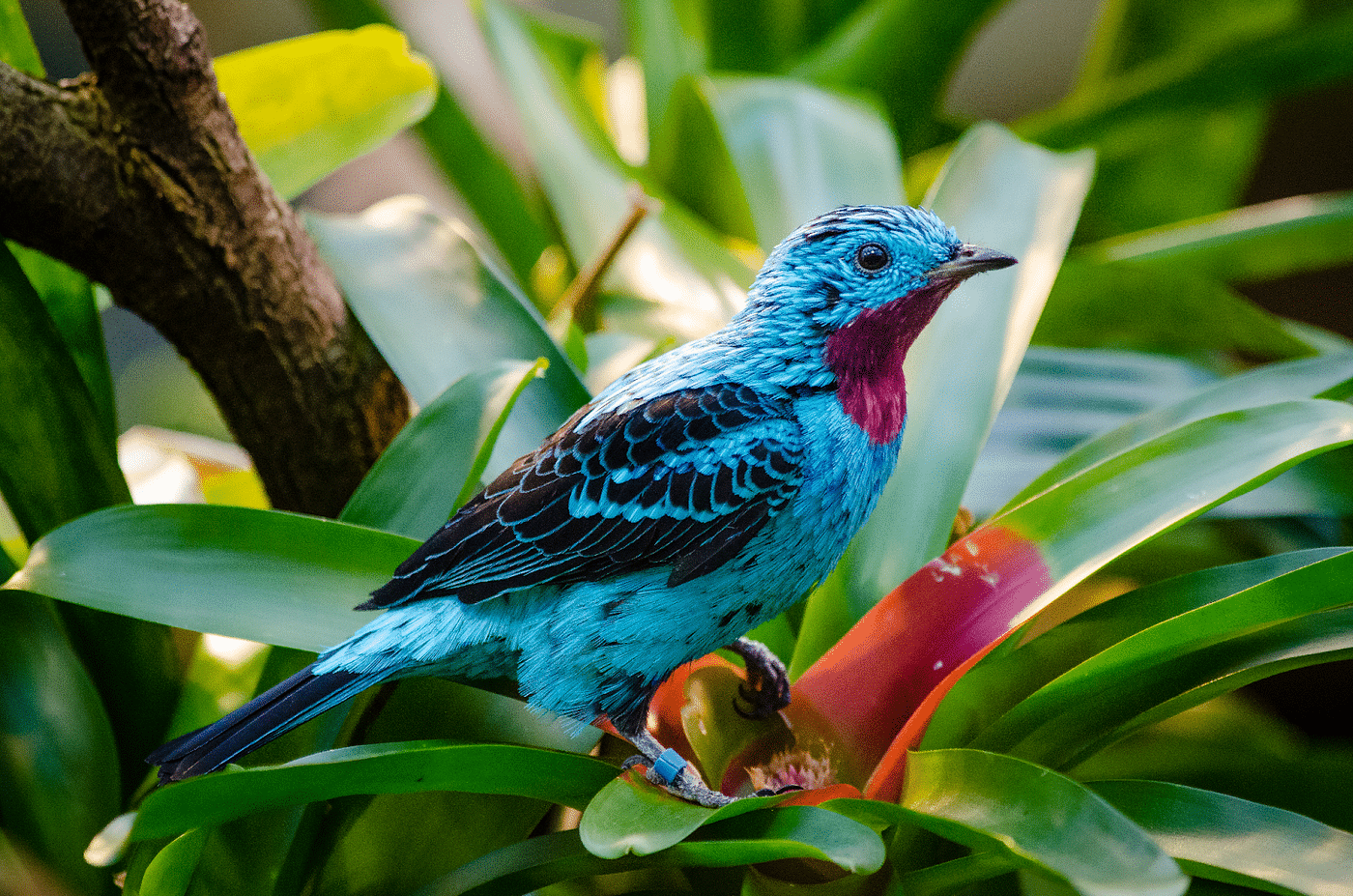
Have you ever wondered what it feels like to spot a splash of color in the deep green of a tropical rain forest? Imagine a bird so vibrant, it seems to bring the forest to life with every flutter.
This colorful bird isn’t just a feast for your eyes—it holds secrets that can surprise you. If you want to discover what makes this bird special and why it matters to the rain forest’s delicate balance, keep reading. Your next favorite nature story is waiting just ahead.
Tropical Rainforest Habitats
Tropical rainforests are home to many colorful birds. These forests have warm weather and lots of rain. Birds find food and shelter here.
The dense trees and plants create a perfect place for birds to live. Many species of birds depend on this habitat.
Climate And Environment
Tropical rainforests have warm temperatures all year. They get heavy rainfall, which helps plants grow. The air is often humid and moist.
This climate makes the forest green and full of life. Birds enjoy this environment because it offers food and safe places.
- Average temperature is around 25-30°C (77-86°F)
- Rainfall is usually more than 2000 mm (80 inches) per year
- High humidity keeps the forest wet and lush
Flora And Fauna Diversity
Tropical rainforests have many kinds of plants. Tall trees, vines, and flowers grow closely together. This provides food and homes for birds.
Many animals live in these forests. Colorful birds, monkeys, insects, and reptiles create a rich ecosystem.
- Large variety of tree species
- Bright flowers attract birds and insects
- Many bird species with different colors and sizes
- Animals depend on plants for food and shelter
Credit: animals.howstuffworks.com
Distinctive Features Of The Bird
This colorful bird lives in tropical rain forests. It stands out with unique looks. Its features help it survive in the dense forest.
We will explore its color patterns, plumage, size, and shape. These details show why this bird is special.
Color Patterns And Plumage
The bird has bright colors that help it blend and attract mates. Its feathers shine in the sunlight.
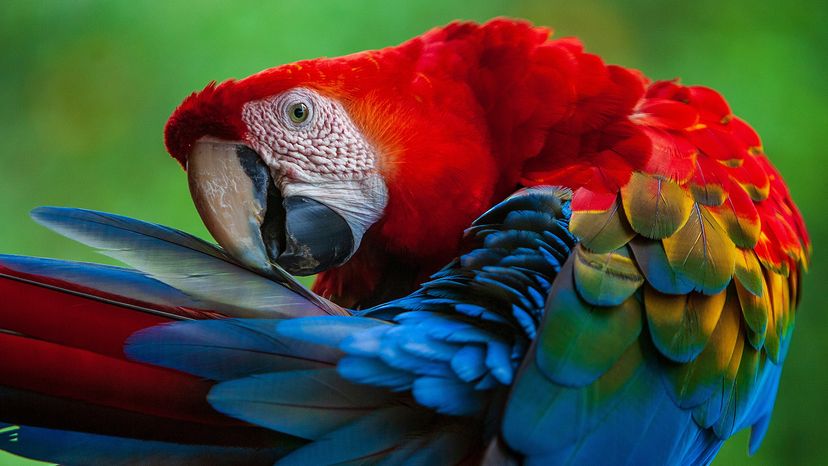
- Vivid reds and blues cover its wings
- Green feathers blend with the leaves
- Yellow patches appear on its chest
- Long tail feathers have iridescent hues
Size And Shape
This bird is medium-sized with a slim body. Its shape helps it move through thick branches.
| Feature | Description |
| Length | About 12 inches (30 cm) |
| Weight | Between 150 and 200 grams |
| Beak | Short and curved for eating fruit |
| Wings | Strong and rounded for quick flight |
Behavior And Lifestyle
A colorful bird found in tropical rain forests shows lively behavior. It moves actively through the trees and uses its bright feathers to communicate.
This bird spends most of its time searching for food and avoiding predators. It often lives in small groups or pairs to stay safe.
Feeding Habits
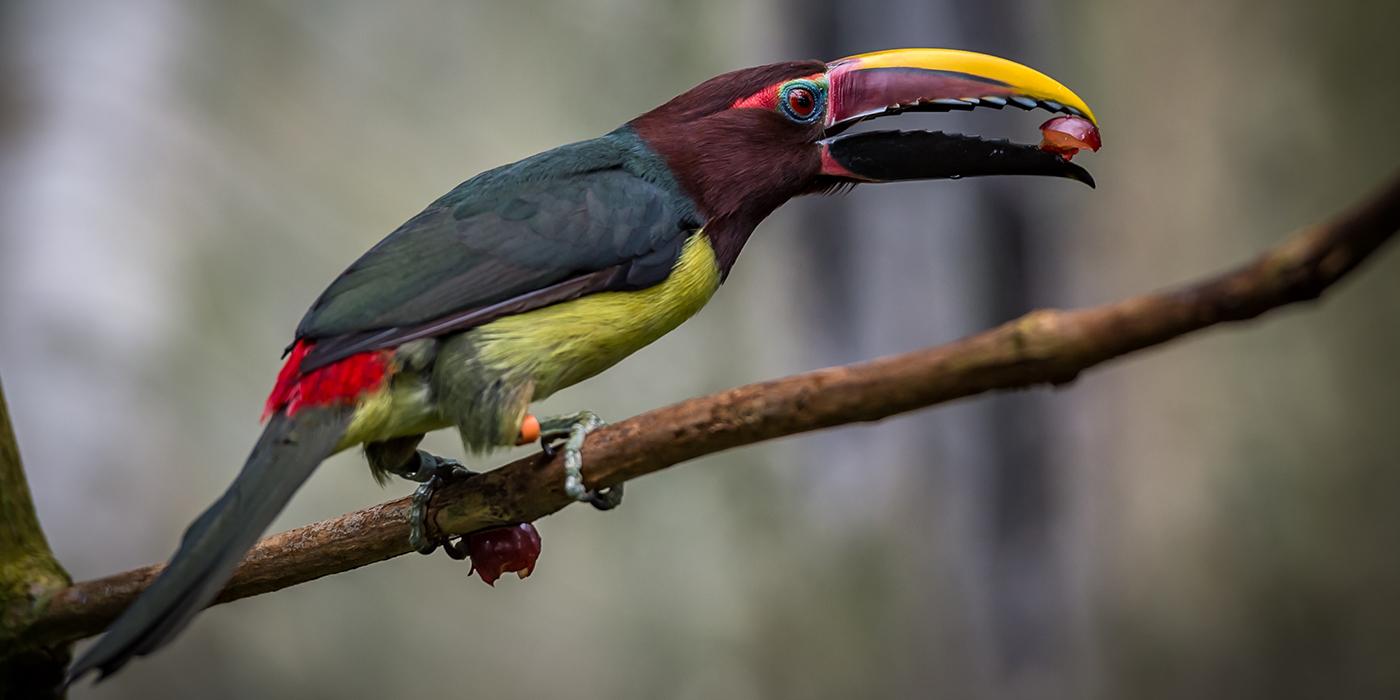
This bird eats fruits, seeds, and insects found in the forest. It uses its strong beak to crack open nuts and catch small bugs.
It often hops from branch to branch looking for food. It prefers fresh fruits and hunts insects early in the morning.
- Eats a mix of fruits, seeds, and insects
- Uses beak to crack nuts and catch bugs
- Feeds mostly in the morning and afternoon
- Forages alone or with a small group
Mating And Nesting
The bird chooses a mate by showing off its bright feathers. Males sing to attract females during the breeding season.
They build nests high in the trees using leaves and twigs. Both parents take turns caring for the eggs and feeding the chicks.
- Males display bright feathers to attract females
- Build nests high in the trees
- Both parents care for eggs and chicks
- Chicks stay in the nest until they can fly
Credit: nationalzoo.si.edu
Role In The Ecosystem
Colorful birds in tropical rain forests play an important role in nature. They help keep the forest healthy and growing.
These birds work with plants and other animals to keep the ecosystem balanced. They move pollen and seeds, and face threats from predators.
Pollination And Seed Dispersal
Many colorful birds visit flowers to drink nectar. While doing this, they carry pollen from one flower to another. This helps plants make fruits and seeds.
These birds also eat fruits and carry seeds far from the parent plant. This spreads plants across the forest and helps new plants grow.
- Carry pollen between flowers for plant reproduction
- Eat fruits and move seeds to new places
- Help maintain plant diversity in the forest
Predators And Threats
Colorful birds face many dangers in the rain forest. Predators like snakes, larger birds, and mammals hunt them for food.
Human actions such as deforestation also threaten their homes. Loss of habitat makes it hard for them to find food and safe places to live.
- Snakes and large birds hunt these colorful birds
- Mammals can also be predators
- Deforestation reduces their living space
- Habitat loss leads to fewer food sources
Conservation Efforts
The colorful bird found in tropical rain forests faces many threats. Conservation efforts help protect this bird and its environment.
These efforts focus on saving the bird’s habitat and involving local communities in protection activities.
Habitat Protection
Protecting the tropical rain forest is key to saving the colorful bird. Many groups work to stop deforestation and preserve natural areas.
- Establishing protected forest reserves
- Reforestation projects to restore damaged areas
- Monitoring illegal logging activities
- Creating corridors for safe bird movement
Community Involvement
Local communities play a big role in conservation. They help watch over the forests and educate others about the bird.
| Community Action | Impact |
| Environmental education | Raises awareness about the bird |
| Eco-tourism | Provides income and promotes protection |
| Forest patrols | Reduces illegal activities |
Credit: medium.com
Tips For Birdwatching
Birdwatching is a fun way to explore nature. Tropical rain forests have many colorful birds.
Watching these birds needs some planning and patience. Here are tips to help you enjoy birdwatching.
Best Times And Locations
The best time to see colorful birds is early morning or late afternoon. Birds are active and easy to spot then.
Look for birds in dense trees and near water sources. Tropical rain forests have many such spots.
- Visit trails and clearings in the forest
- Check near rivers, streams, and ponds
- Go during dry seasons for easier access
- Use quiet movements to avoid scaring birds
Photography Techniques
Use a camera with a zoom lens to take close photos without disturbing birds. Patience is key.
Good lighting helps capture bright colors well. Avoid using flash as it can scare birds away.
- Use a fast shutter speed to freeze bird movements
- Choose natural light for vivid colors
- Focus on the bird’s eye for sharp photos
- Wear neutral colors to blend into the environment
Frequently Asked Questions
What Is The Most Colorful Bird In Tropical Rainforests?
The most colorful bird in tropical rainforests is the toucan. It features vibrant feathers in shades of green, blue, yellow, and red. Its large, multicolored bill also helps it stand out among other species.
Where Do Colorful Tropical Rainforest Birds Live?
Colorful tropical rainforest birds live in the dense canopy of rainforests. They prefer humid, warm environments with abundant fruit and insects. These birds are commonly found in Central and South America, Africa, and Southeast Asia.
What Do Tropical Rainforest Birds Eat?
Tropical rainforest birds mainly eat fruit, insects, and small animals. Their diet varies by species but often includes berries, seeds, and nectar. This diet supports their bright plumage and energetic lifestyles.
How Do Tropical Birds Use Their Colors?
Tropical birds use their colors for camouflage, mating, and communication. Bright feathers can attract mates or warn predators. Colors also help birds blend into the vibrant rainforest environment.
Conclusion
Tropical rainforests house many colorful birds. These birds enchant with their vivid feathers. Their songs fill the air with joy. Observing them can be a delightful experience. Their presence helps the ecosystem thrive. Each bird plays a vital role. They aid in seed dispersal and pest control.
Protecting these birds is crucial. Conserving rainforests ensures their survival. Admire their beauty and importance. Consider visiting a rainforest to witness them. Support conservation efforts whenever possible. Every action counts in preserving these wonders. Our future generations deserve to enjoy these colorful marvels too.
Let's cherish and protect them together.