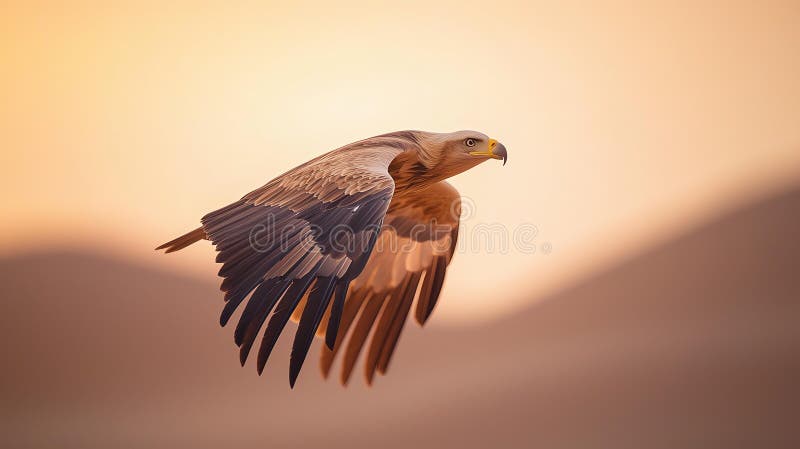
Have you ever wondered what makes the desert eagle bird so fascinating? This powerful bird of prey is not just a symbol of strength but also a master of survival in some of the harshest environments on Earth.
If you want to discover the secrets behind its impressive hunting skills and unique features, keep reading. By the end of this article, you’ll see why the desert eagle bird captures the attention of bird lovers and nature enthusiasts alike—and how understanding it can deepen your appreciation of the wild.

Credit: www.shutterstock.com
Desert Eagle Basics
The desert eagle is a large bird of prey. It is known for its strength and sharp vision.
This bird lives in dry, open areas like deserts and mountains. It hunts small animals to eat.
Physical Features
Desert eagles have strong, broad wings. Their feathers are usually brown with some white.
They have sharp, curved beaks to tear meat. Their talons are powerful for catching prey.
- Wingspan up to 7 feet
- Weight about 7 to 14 pounds
- Sharp eyesight for spotting prey
- Strong legs and feet
Habitat Range
Desert eagles live mostly in deserts and rocky areas. They prefer open spaces with few trees.
They can be found in parts of North America, Africa, and Asia. They need places with enough food.
- Hot, dry deserts
- Mountainous regions
- Open grasslands near deserts
- Areas with good prey availability
Behavior Patterns
Desert eagles hunt during the day. They use their sharp eyes to find small animals from high above.
They build nests on cliffs or tall trees. They are usually solitary except when raising young.
- Hunts small mammals and birds
- Soars high to spot prey
- Makes nests on cliffs or tall trees
- Protects its territory from others

Credit: en.wikipedia.org
Hunting Skills
The Desert Eagle Bird is a skilled hunter. It uses sharp eyesight and strong talons to catch prey.
This bird thrives in dry areas. It adapts its hunting skills to survive harsh conditions.
Prey Selection
The Desert Eagle Bird chooses prey carefully. It hunts small mammals, reptiles, and birds.
- Rabbits and hares
- Snakes and lizards
- Small birds
- Rodents
Hunting Techniques
This bird uses fast dives and sharp claws to catch prey. It can spot movement from high above.
| Technique | Description |
| Soaring | Glides high to scan wide areas |
| Perching | Waits quietly on a branch for prey |
| Diving | Speeds down to grab prey with talons |
| Ambush | Surprises prey by hiding nearby |
Survival Strategies
The Desert Eagle Bird uses smart ways to survive in the desert. It saves energy and stays hidden.
- Hunts mostly in early morning or late afternoon
- Uses camouflage to blend with the environment
- Stores extra food when prey is abundant
- Drinks water from small sources to stay hydrated
Adaptations To Arid Environments
The Desert Eagle Bird lives in dry, hot places with little water. It has special ways to survive these tough conditions. These adaptations help the bird stay safe and healthy.
Understanding these traits shows how animals can live well in deserts. The bird’s body and behavior work together to handle heat and dryness.
Water Conservation
The Desert Eagle Bird saves water by drinking only when needed. It gets moisture from the food it eats, like small animals and insects. This helps it survive long dry spells.
Its kidneys work well to keep water in the body. The bird also avoids sweating or panting to reduce water loss.
Thermoregulation
The bird stays cool by using shade and resting during the hottest times. Its feathers reflect sunlight and protect the skin from sunburn. This helps control body temperature.
It also uses a method called “gular fluttering,” where it rapidly moves its throat to cool down without losing much water.
Nesting Habits
The Desert Eagle Bird builds nests in shaded areas, like cliffs or tall trees. This protects eggs and chicks from the hot sun. The nests are made from sticks and leaves to keep cool air inside.
The bird chooses high places to avoid predators and to catch breezes that help cool the nest.
Role In The Ecosystem
The Desert Eagle bird plays an important role in its natural habitat. It helps keep the balance between different animals and plants. This bird is a strong predator that affects many parts of the ecosystem.
Understanding its role helps us see how animals work together to keep nature healthy. The Desert Eagle impacts prey populations, interacts with other species, and shows the health of the environment.
Impact On Prey Populations
The Desert Eagle hunts small mammals, birds, and reptiles. This hunting controls the number of these animals. Without this control, prey populations might grow too large and harm plants.
- Reduces overpopulation of small animals
- Helps maintain plant life by controlling herbivores
- Supports natural selection by hunting weaker prey
Interactions With Other Species
The Desert Eagle shares its habitat with many animals. It competes with other predators for food. Sometimes, it helps clean the environment by eating dead animals.
| Species | Type of Interaction | Effect |
| Other birds of prey | Competition | Limits food resources |
| Scavengers | Indirect help | Provides food from leftovers |
| Small mammals | Predation | Controls population size |
Indicator Of Environmental Health
The Desert Eagle's presence shows a healthy environment. It needs clean air, water, and enough prey to survive. If the bird's numbers drop, it may mean problems in the habitat.
Signs the Desert Eagle indicates environmental health:
- Stable prey populations
- Low pollution levels
- Balanced ecosystem interactions
Conservation Challenges
The Desert Eagle Bird faces many problems that threaten its survival. Its population is shrinking due to changes in the environment and human activities.
Efforts to protect this bird are important to keep it from becoming endangered. Understanding these challenges can help us act better.
Threats From Habitat Loss
The Desert Eagle Bird needs large areas of open land to live and hunt. When these areas shrink, the bird struggles to find food and shelter.
- Farming reduces natural lands.
- Mining changes the land structure.
- Deforestation removes trees used for nesting.
- Climate change alters the habitat conditions.
Human Encroachment
People moving into the Desert Eagle Bird's home causes many problems. Roads and buildings break up the bird’s territory.
| Human Activity | Effect on Desert Eagle Bird |
|---|---|
| Urban development | Loss of nesting sites |
| Road construction | Increased risk of accidents |
| Off-road vehicles | Disturbance during breeding |
| Pollution | Harm to prey species |
Efforts For Protection
Many groups work to save the Desert Eagle Bird. They use different methods to help the bird survive and grow its population.
- Protect areas where the bird lives.
- Educate people about the bird’s needs.
- Monitor the bird’s numbers and health.
- Control hunting and illegal trade.
- Restore damaged habitats.

Credit: www.dreamstime.com
Frequently Asked Questions
What Is A Desert Eagle Bird?
The Desert Eagle bird is a large raptor found in arid regions. It is known for its powerful flight and keen eyesight. This bird preys on small mammals and reptiles. It plays a vital role in the desert ecosystem by controlling pest populations.
Where Does The Desert Eagle Bird Live?
The Desert Eagle bird inhabits deserts and semi-desert areas worldwide. It prefers open landscapes with sparse vegetation. These birds nest on cliffs or tall trees. Their habitat ranges from North Africa to the Middle East and parts of Asia.
What Does The Desert Eagle Bird Eat?
The Desert Eagle bird primarily feeds on small mammals like rodents and rabbits. It also hunts reptiles and insects. Its sharp talons and strong beak help capture and kill prey efficiently. This diet supports its high energy needs in harsh desert environments.
How Big Is A Desert Eagle Bird?
The Desert Eagle bird is large, with a wingspan of 6 to 7. 5 feet. It weighs between 6 to 14 pounds. This size helps it soar high and spot prey from great distances. Its body is robust and adapted to desert life.
Conclusion
The Desert Eagle bird fascinates with its strength and grace. Its powerful wings and keen eyesight make it a true marvel. This bird thrives in harsh desert landscapes, showcasing resilience and adaptability. Watching a Desert Eagle soar is an awe-inspiring experience.
It reminds us of nature's wonders. Understanding these majestic birds deepens our appreciation for wildlife. Protecting their habitats ensures future generations can admire their beauty. Remember to respect and cherish these incredible creatures. Nature's balance depends on each species, including the Desert Eagle.
Let their majesty inspire us to preserve our natural world.