A Forest Bird Never Wants a Cage: Freedom, Nature, and the Spirit of Wild Birds
Imagine a world where freedom is a feeling you can touch, where each day is a new adventure, and worries are left behind. This is the life of a forest bird.
A Forest Bird Never Wants a Cage is a reminder of how essential freedom is for every creature.
These creatures revel in the simplicity of nature, never longing for more than what the forest provides. But what if we could learn from these birds? What if their instincts could guide us to a life of contentment and happiness?
As you delve into this article, you’ll discover how the mindset of a forest bird might just hold the key to a more fulfilling life for you. You might find yourself questioning the clutter and complications of modern life and wondering if there’s a simpler, more satisfying path right in front of you. Let’s explore why a forest bird never wants for more, and how this perspective can transform your own life.
Embracing the philosophy of A Forest Bird Never Wants a Cage can lead to a more fulfilling existence.
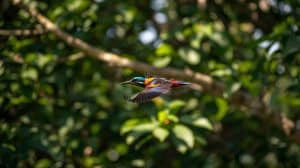
The Spirit Of Forest Birds
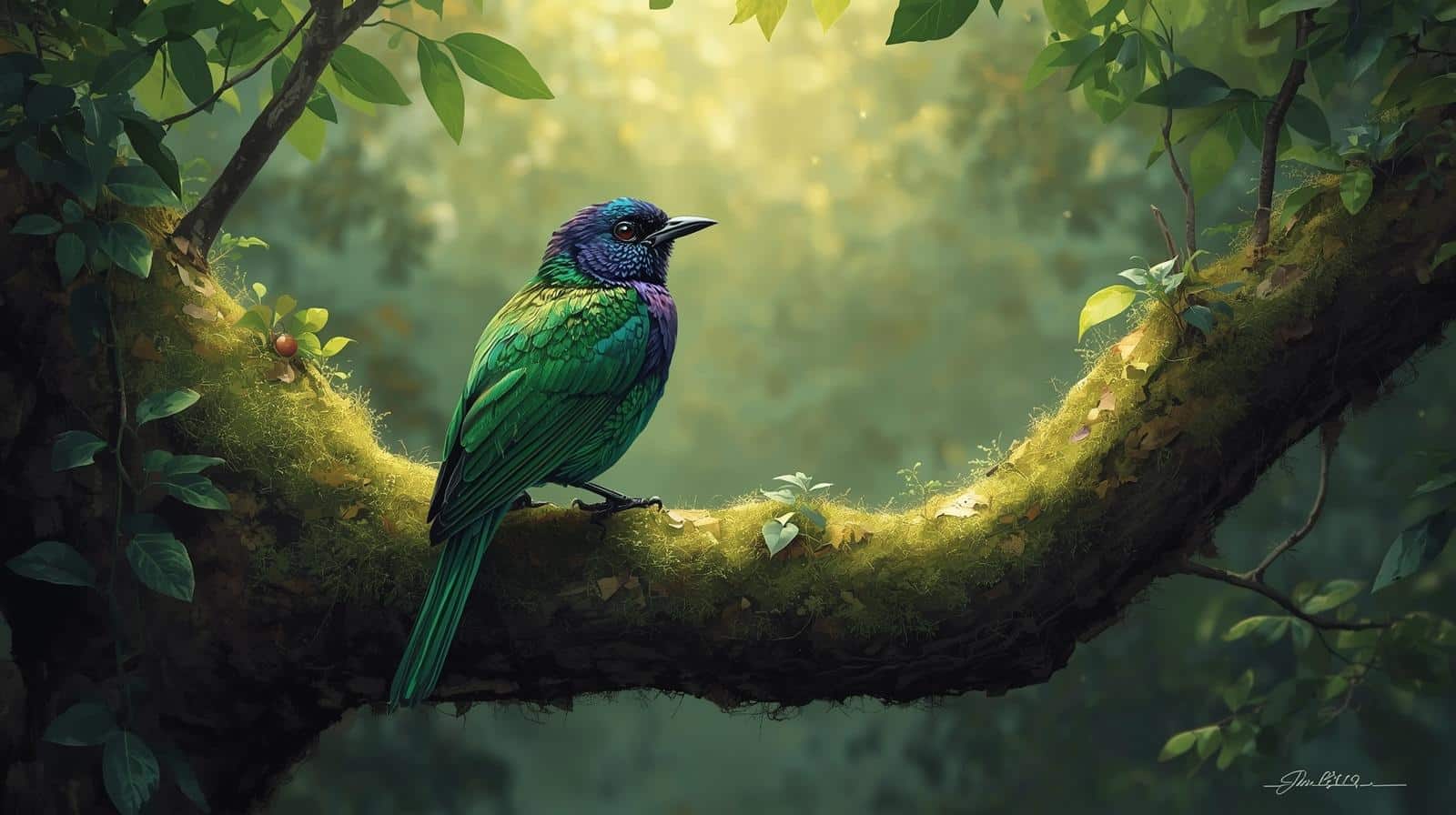
Forest birds live in quiet, green places. They add life and song to the woods.
Just like the saying goes, A Forest Bird Never Wants a Cage, these birds represent unyielding freedom.
These birds show us freedom and peace. Their spirit connects us to nature.
Natural Habitat And Behavior
Forest birds build nests in trees. They find food like insects and seeds.
- They fly between trees with ease.
- Many sing to mark their territory.
- Some migrate to warmer areas in winter.
- They often live in groups or pairs.
Symbolism Of Freedom
Birds in the forest often symbolize freedom and hope. They remind us to dream.
The saying A Forest Bird Never Wants a Cage symbolizes the hope and freedom we all strive for.
| Symbol | Meaning |
| Flight | Freedom and escape |
| Song | Joy and communication |
| Nest | Home and safety |
| Migration | Change and new beginnings |
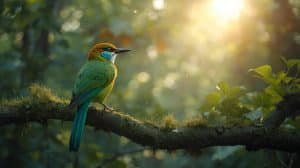
The Impact Of Captivity On Birds
Birds in captivity face many challenges that wild birds do not. Their lives change drastically from freedom to confinement.
In many ways, A Forest Bird Never Wants a Cage exemplifies the struggles of birds in confinement.
Captivity affects birds both physically and mentally. It also takes away their natural behaviors and instincts.
Physical And Mental Effects
Birds often suffer health problems in captivity. Lack of space limits their exercise and flight, leading to weak muscles.
- Feather plucking due to stress
- Obesity from limited movement
- Depression and anxiety signs
- Shorter lifespans compared to wild birds
Mental health issues arise when birds cannot express their natural behaviors. They may become aggressive or withdrawn.
Loss Of Natural Instincts
Captive birds lose many survival skills. These skills include finding food, recognizing threats, and building nests.
A Forest Bird Never Wants a Cage reminds us of the importance of their natural instincts.
| Instinct | Effect of Captivity |
| Foraging | Birds rely on humans for food |
| Flight | Reduced ability due to small cages |
| Social behaviors | Impaired communication with other birds |
| Breeding | Difficulty in mating and raising chicks |
Why Birds Belong In The Wild
Birds live best in their natural homes. The forest is where they find food, shelter, and safety.
Every time we think of birds, we should remember that A Forest Bird Never Wants a Cage.
Taking birds out of the wild can harm them and the environment. They have a special role in nature.
Ecological Importance
Birds help keep the forest healthy. They spread seeds that grow into new plants and trees.
Birds symbolize freedom; after all, A Forest Bird Never Wants a Cage.
Many birds eat insects that can damage plants. This helps protect the forest from pests.
- Seed dispersal grows new plants
- Insect control stops plant damage
- Bird droppings add nutrients to soil
Role In Biodiversity
Birds add to the variety of life in the forest. Each bird species has a unique role.
Protecting birds helps keep the forest balanced. Losing birds can harm many other animals and plants.
-
- Different birds support different plants
- Birds help pollinate flowers
- They serve as food for other animals
By protecting them, we honor the truth that A Forest Bird Never Wants a Cage.
Human Responsibility To Protect Birds
Birds play an important role in nature. They help keep the environment balanced. People must protect birds to keep our forests alive and healthy.
To support birds, we must embody the spirit of A Forest Bird Never Wants a Cage.
Many birds face dangers from human actions. We have a duty to care for them and their habitats. Protecting birds benefits all living things.
Ethical Considerations
Humans share the Earth with birds. We should treat them with respect and kindness. Birds have the right to live safely in their homes.
- Do not harm or disturb birds and their nests.
- Support laws that protect bird species.
- Avoid using harmful chemicals near bird habitats.
- Educate others about the value of birds in nature.
- Respect natural areas and avoid littering.
Conservation Efforts
Conservation means saving birds and their homes. People work together to keep forests safe. This helps birds survive and grow their populations.
| Conservation Action | Purpose |
| Planting native trees | Restore bird habitats |
| Setting up bird sanctuaries | Protect birds from hunting |
| Reducing pollution | Keep air and water clean for birds |
| Monitoring bird numbers | Track health of bird species |
| Public awareness programs | Teach people to protect birds |
Ways To Support Bird Freedom
A Forest Bird Never Wants a Cage is a guiding principle as we create bird-friendly spaces.
Birds are meant to fly free in the wild. Keeping them in cages takes away their freedom. We can help birds live happy lives by supporting their natural habits.
Here are some ways to support bird freedom and protect their right to live in nature.
Creating Bird-friendly Environments
Understanding that A Forest Bird Never Wants a Cage helps us advocate for their freedom.
We can make places where birds live safer and more welcoming. Planting native trees and shrubs helps birds find food and shelter.
Adding bird feeders and birdbaths in your yard gives birds a safe place to eat and drink. Avoid using chemicals in gardens to protect birds from harm.
- Plant native plants for food and shelter
- Provide fresh water with birdbaths
- Keep cats indoors to protect birds
- Avoid pesticides and chemicals
- Keep outdoor windows safe to prevent collisions
Avoiding Bird Captivity
Birds should not be kept as pets in cages. They need space to fly and live naturally. Avoid buying birds from pet stores or markets.
Keeping birds in cages can cause stress and health problems. Let birds stay wild where they belong.
-
- Do not buy or keep caged birds
- Say no to wild bird trade
We must ensure that A Forest Bird Never Wants a Cage is more than just a saying.
- Support laws that protect wild birds
- Educate others about bird freedom
Supporting Wildlife Organizations
Many groups work to protect birds and their habitats. Supporting these groups helps birds stay free and safe. You can donate, volunteer, or spread awareness.
Wildlife organizations also rescue injured birds and release them back to the wild. Your support helps their important work continue.
- Donate to bird conservation groups
- Volunteer for bird rescue centers
- Join local bird watching clubs
- Share information about bird protection
Embracing Freedom In Our Own Lives
A forest bird never wants a cage. It lives in the open sky and trees. This natural freedom teaches us about living without limits.
The message that A Forest Bird Never Wants a Cage is crucial for our understanding of nature.
We can learn to find freedom in our own lives. It means choosing what feels right and letting go of fear.
Lessons From Forest Birds
Forest birds show us how to live freely. They fly where they want and build nests in safe places. They trust their wings and the world around them.
Learning from nature means accepting that A Forest Bird Never Wants a Cage.
These birds remind us to be brave. We should trust ourselves and face challenges without feeling trapped.
- Trust your abilities like birds trust their wings.
- Choose your path freely without fear.
- Find safe places to rest and grow.
Finding Personal Liberation
Personal liberation means feeling free inside. It means making choices that make you happy and calm.
We can break free from worries and rules that do not help us. Like forest birds, we should seek space to be ourselves.
- Let go of fear that holds you back.
- Make decisions that bring you peace.
- Spend time in places that feel open and safe.
Frequently Asked Questions
What Does “a Forest Bird Never Wants A” Mean?
Why Is A Forest Bird’s Habitat Important?
A forest bird relies on its habitat for food, shelter, and breeding. Healthy forests ensure bird survival and biodiversity.
How Do Forest Birds Avoid Predators?
Forest birds use camouflage, quick flight, and alertness to evade predators. Their behaviors ensure safety and continuation of their species.
What Threats Do Forest Birds Commonly Face?
Forest birds face habitat loss, pollution, climate change, and hunting. These threats reduce their populations and disrupt ecosystems.
Conclusion
A forest bird never wants a noisy, crowded place. It needs calm and quiet to feel safe. Trees give shelter and food every day. Birds sing and live happily where nature stays pure. Protecting forests helps birds and keeps the earth healthy.
Ultimately, we must remember that A Forest Bird Never Wants a Cage, and we should protect their homes.
We all can help by caring for trees and animals. Small actions matter. A peaceful forest means happy birds and a better world.
By preserving nature, we honor the truth that A Forest Bird Never Wants a Cage.