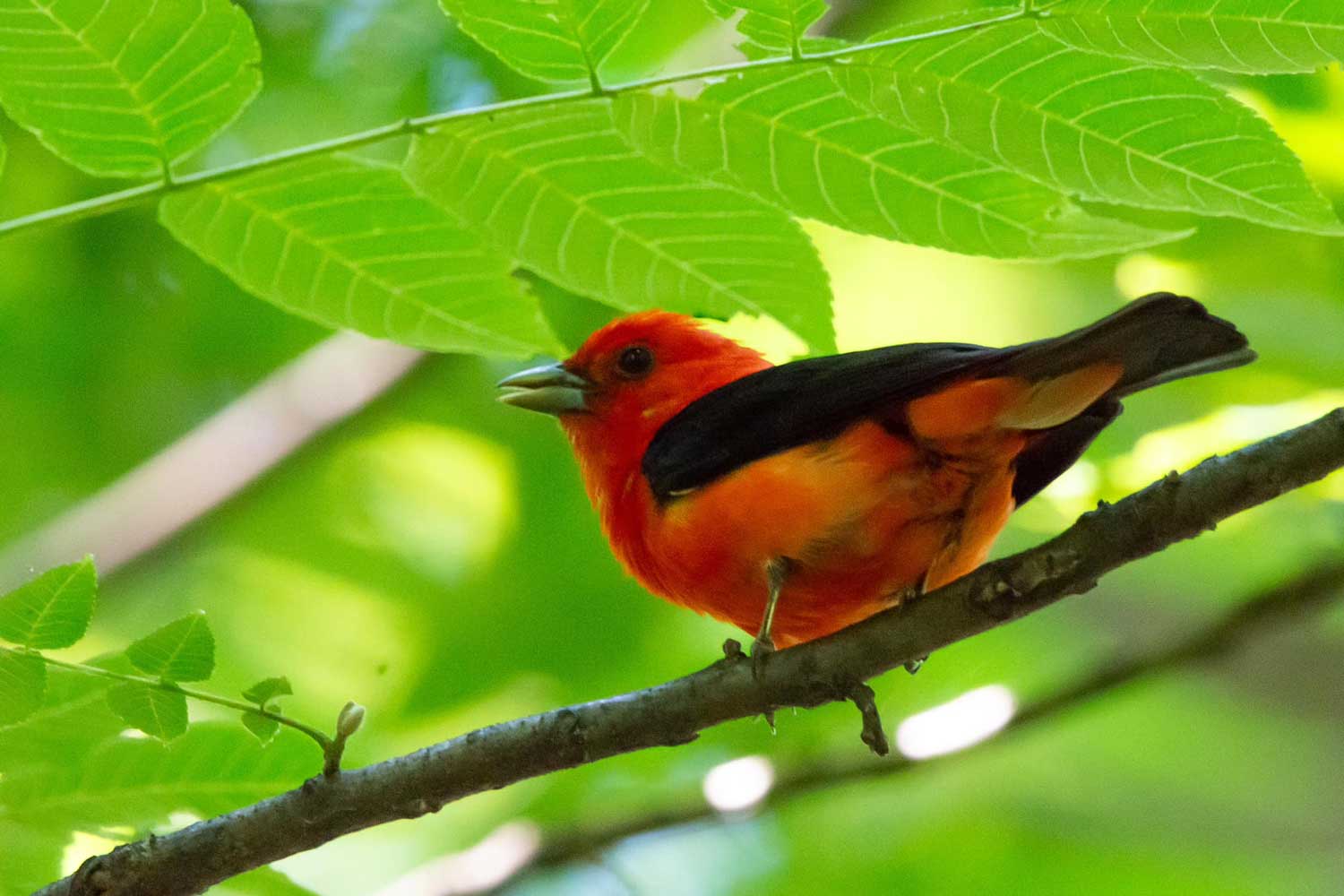
Imagine spotting a bright red bird perched quietly among the green leaves of a forest. You might think it’s just a simple sight, but there’s something special about this moment.
That splash of red against the trees can grab your attention and stir your curiosity. What story does this little bird hold? How does it survive and thrive in the vast, quiet woods? If you want to discover the secrets behind this striking red visitor and see the forest in a whole new way, keep reading.
Your next adventure is just a few words away.
The Allure Of Red Birds
Red birds catch our eyes with their bright colors. They stand out in forests and gardens. Their beauty draws many nature lovers.
These birds play an important role in nature. They help spread seeds and control insects. Their red feathers often have special meanings too.
Common Red Bird Species
Many red bird species live in forests around the world. Some are small and quick. Others are bigger and sing loud songs.
- Cardinal: Known for its bright red color and crest on the head.
- Scarlet Tanager: A vibrant red bird with black wings and tail.
- Red Crossbill: Has a unique crossed bill to eat pine seeds.
- Vermilion Flycatcher: Small bird with striking red chest and dark wings.
- Summer Tanager: Entirely red in males, lives in woodlands.
Symbolism And Cultural Significance
Red birds often symbolize passion and energy. Many cultures see them as signs of hope or love. They appear in stories, art, and traditions.
| Symbol | Meaning | Culture |
| Red Bird | Love and passion | Western folklore |
| Cardinal | Spiritual messenger | Native American |
| Scarlet Tanager | Renewal and energy | South American tribes |
| Red Crossbill | Adaptability | European legends |

Credit: www.freepik.com
Habitats In The Forest
The red bird lives in many forest types. Forests give food, shelter, and safety.
These birds choose their homes based on trees and plants. They need places to nest and find insects.
Preferred Forest Environments
Red birds like forests with many trees and bushes. They prefer mixed forests with tall and short trees.
They often stay near streams or clearings. These spots have more insects and berries to eat.
- Mixed forests with oak, pine, and maple trees
- Areas near water like small rivers or ponds
- Forest edges with open spaces and shrubs
- Places with fallen leaves and branches for insects
Seasonal Movements And Migration
Red birds move depending on the season. They fly to warmer areas in winter.
In spring and summer, they return to forests to breed. This helps them find food and safe nests.
- Spring: Return to northern forests to build nests
- Summer: Stay in forests to raise young birds
- Fall: Start moving south to find warmer places
- Winter: Live in southern forests or woodlands
Adaptations For Survival
The red bird lives in forests full of green leaves and brown trees. It must survive by staying safe and finding food. The bird has special features that help it live well in the forest.
These features help the bird hide from predators and catch its food. Understanding these adaptations shows how the bird fits well in its home.
Camouflage And Coloration
The red bird's bright color might seem easy to see. But it blends well with red flowers and berries in the forest. This helps the bird stay hidden from animals that want to catch it.
The bird’s feathers can also change shade a little to match the light around it. This makes it harder for predators to spot the bird when it rests on branches or near leaves.
- Red feathers blend with forest berries and flowers
- Feathers change shade to match light and shadows
- Color helps the bird hide from predators
Feeding And Hunting Techniques
The red bird uses sharp eyes to find small insects and seeds. It moves quickly through branches to catch food before it flies away. The bird also listens carefully for sounds of insects.
This bird uses a strong beak to crack open seeds and catch insects. It sometimes waits quietly for food to come close, then it moves fast to catch it. These skills help the bird get enough food every day.
- Sharp eyesight to spot insects and seeds
- Quick movements to catch food
- Strong beak for cracking seeds and catching insects
- Patient waiting to surprise prey
Spotting Red Birds
Red birds add bright color to any forest scene. Spotting them can be exciting and peaceful. You just need to know where to look and what to watch for.
These birds often stand out against green leaves. Learning their habits helps you find them more often. Let’s explore the best times and tools for birdwatching.
Best Times For Birdwatching
Birds are most active during certain parts of the day. Early mornings and late afternoons are usually the best times to see red birds. The light is softer and birds move more during these hours.
Season also matters. Spring and fall bring many red birds as they migrate. Watching during these seasons can increase your chances of spotting them.
- Early morning (sunrise to 9 AM)
- Late afternoon (4 PM to sunset)
- Spring and fall seasons
Tools And Tips For Observation
Using the right tools makes spotting red birds easier. A pair of binoculars helps you see birds without getting too close. A bird guidebook or app can help you identify different species.
Wear quiet clothes and move slowly. Red birds can be shy and fly away if you are noisy. Stay patient and watch for movement in the trees.
- Binoculars for clear viewing
- Bird guidebook or identification app
- Quiet clothes in natural colors
- Slow and calm movements
- Watch for movement and listen to bird calls
The Role In Ecosystems
A red bird in a forest plays a key role in its ecosystem. It helps plants grow and keeps animal numbers balanced. These birds support the health of the forest in many ways.
Understanding how red birds contribute helps us see why protecting them is important. They take part in pollination, seed dispersal, and also act as predators or prey.
Pollination And Seed Dispersal
Red birds often visit flowers to find nectar. While doing this, they carry pollen from one flower to another. This process helps plants make seeds and fruits.
- They pick up pollen on their feathers.
- They transfer pollen to other flowers.
- They eat fruits and spread seeds through droppings.
- This helps new plants grow in different places.
Predators And Prey
Red birds eat insects and small animals. This helps control pest numbers. At the same time, they are food for larger predators like hawks and snakes.
| Role | Example | Effect on Ecosystem |
| Predator | Eats insects | Keeps insect population low |
| Prey | Food for hawks | Supports predator survival |
| Seed Disperser | Spreads seeds | Helps plant growth and forest renewal |

Credit: www.shutterstock.com
Conservation Challenges
The red bird living in the forest faces many problems. These problems make it hard for the bird to survive.
People must understand these challenges to help protect the red bird and its home.
Threats To Habitat
The red bird’s forest home is shrinking. Trees are cut down for wood and farms. This takes away places for the bird to live.
Pollution and fires also damage the forest. These threats make it hard for many animals to survive.
- Deforestation reduces nesting spots
- Pollution harms the plants and insects the bird eats
- Forest fires destroy large areas of habitat
- Urban growth pushes the forest edges back
Efforts To Protect Red Birds
People work to save the red bird by protecting the forest. They create parks where trees cannot be cut. This keeps the bird’s home safe.
Scientists study red birds to learn what they need. They teach others how to help the birds and their forest.
- Setting up protected forest areas
- Restoring damaged forest land
- Monitoring bird populations
- Raising awareness about forest conservation
Capturing The Moment
Seeing a red bird in a forest is a special moment. Capturing it with your camera takes patience and skill.
Good photos tell a story and show the bird’s beauty and its natural home.
Photography Techniques
Use a fast shutter speed to catch the bird without blur. A zoom lens helps you get close without scaring it away.
- Find soft natural light for clear pictures.
- Focus on the bird’s eye to make it sharp.
- Use a tripod to keep the camera steady.
- Take many shots to pick the best one later.
Sharing Your Discovery
Sharing your photos helps others see the forest’s beauty and the red bird’s charm. You can post them online or print them for friends.
| Sharing Method | Tips |
| Social Media | Use clear captions and tags for more views. |
| Photo Prints | Choose high-quality paper and frame well. |
| Nature Blogs | Write a short story about the moment. |

Credit: www.dreamstime.com
Frequently Asked Questions
What Species Is The Red Bird In The Forest?
The red bird is often a cardinal or a scarlet tanager. These birds are known for their bright red feathers and are common in North American forests. They play a vital role in the ecosystem by controlling insects and spreading seeds.
Why Are Red Birds Important In Forest Ecosystems?
Red birds help control insect populations, reducing forest pests. They also disperse seeds, aiding plant growth and forest regeneration. Their vibrant colors attract bird watchers, promoting awareness and conservation efforts in forest habitats.
Where Can I Spot A Red Bird In The Forest?
Red birds are usually found in dense forests, woodlands, and gardens. Look for them near shrubs, trees, or forest edges during early morning or late afternoon. Listening for their distinctive songs can also help you locate them.
How Do Red Birds Adapt To Forest Environments?
Red birds have strong beaks for eating seeds and insects. Their bright color helps in mating displays and territory defense. They build nests in thick foliage to protect their young from predators and harsh weather conditions.
Conclusion
The red bird in the forest captivates our imaginations. It stands out among the green. A vibrant symbol of nature's beauty. Observing it reminds us to pause and appreciate life. Simple moments can bring joy and wonder. The forest teaches us about harmony and balance.
Every creature plays a role. Each one important, like the red bird. Exploring these natural wonders enriches our lives. We find peace and inspiration in nature's embrace. Remember to cherish these experiences. They connect us to the world. A red bird.
A forest. A story worth telling.