A Small Insect Eating Bird: Species, Hunting Skills, and Ecological Importance
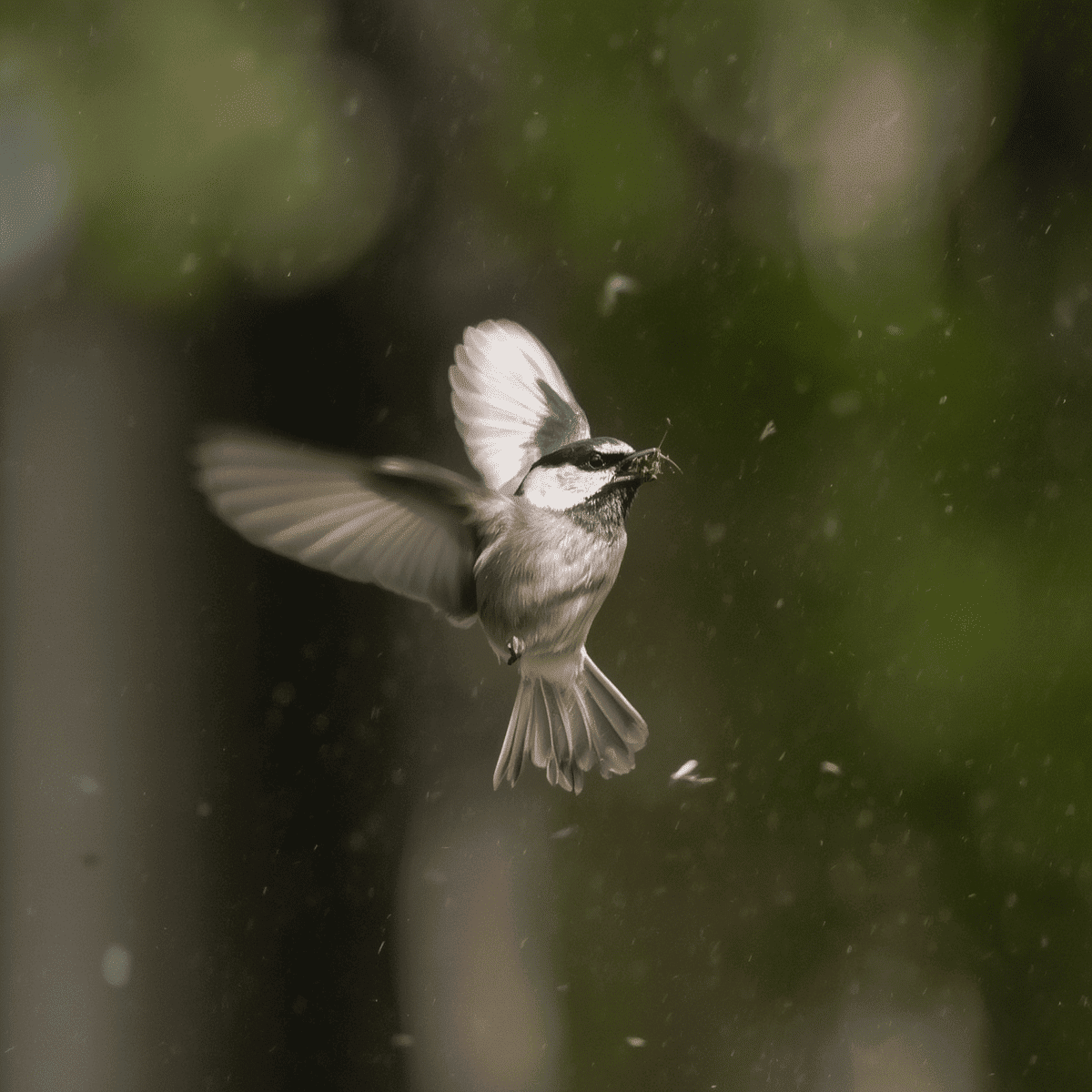
Have you ever noticed a tiny bird darting through the trees, snapping up insects with lightning speed? This small insect-eating bird plays a big role in keeping nature balanced. Small insect eating birds are crucial for maintaining healthy ecosystems.
You might not realize how important these little creatures are to your garden and the environment around you. You’ll discover fascinating facts about these birds, how they hunt, and why you should welcome them into your outdoor space. Keep reading, and you’ll see just how amazing these small insect-eating birds really are!
Including small insect eating birds in your garden can enhance biodiversity and reduce pest populations naturally.
Tiny Hunters In The Wild
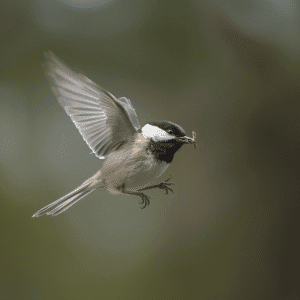
Small birds that eat insects play a big role in nature. They help control insect numbers and keep plants safe.
These birds are quick and skillful hunters. They catch bugs in trees, bushes, and even in the air.
Common Species Of Insect Eating Birds
Many bird species rely on insects for food. Some of the common ones include warblers, chickadees, and flycatchers. Each species has a special way to catch its prey.
- Warblers: Small, colorful birds that pick insects off leaves.
- Chickadees: Curious birds that hop on branches searching for bugs.
- Flycatchers: Skilled at catching insects mid-air with quick moves.
- Nuthatches: Climb tree trunks to find hidden insects.
- Tits: Agile birds that search bark and foliage for food.
Physical Traits And Adaptations
These birds have special features that help them catch insects. Their size, beak shape, and vision are perfect for hunting small prey.
| Trait | Adaptation | Benefit |
|---|---|---|
| Small size | Light body weight | Quick movement through trees and bushes |
| Sharp beak | Thin and pointed | Easy to catch and hold insects |
| Strong legs | Grasp branches tightly | Stable while searching for food |
| Good eyesight | Wide field of vision | Spot tiny insects from a distance |
| Agile wings | Fast wing beats | Catch flying insects in the air |
Diet And Hunting Techniques
Small insect eating birds are not only fascinating to observe, but they also play an essential role in controlling insects around us.
Small insect-eating birds rely on insects for their food. They use quick movements to catch their prey. These birds have special hunting skills.
Understanding what insects they like and how they catch them helps us learn about their survival. Their diet and hunting style are closely linked.
Favorite Insect Prey
These birds eat many kinds of insects. They prefer soft-bodied insects that are easy to catch. Common prey includes flies, ants, and beetles.
They also eat caterpillars and spiders. The choice depends on what insects are nearby and easy to find.
- Flies
- Ants
- Beetles
- Caterpillars
- Spiders
Methods Of Capturing Insects
Small insect-eating birds use different ways to catch insects. Some catch insects in the air during flight. Others pick insects off leaves or tree bark.
They may also hop on the ground to find insects hiding under leaves. These birds use their sharp eyes to spot moving prey.
- Catch insects while flying
- Pick insects from leaves and bark
- Search on the ground and under leaves
- Use sharp eyesight to find prey
Role Of Speed And Agility
Speed helps these birds catch fast insects. Agility allows quick turns and sudden stops. These skills make hunting easier and more successful.
They can chase insects through thick branches and tight spaces. Their small size and quick moves help them avoid danger while hunting.
- Fast flying to catch insects
- Quick turns and stops
- Move through branches easily
- Small size helps escape threats
Ecological Importance
Small insect-eating birds play a key role in nature. They help keep insect numbers balanced. This helps plants and other animals stay healthy.
These small insect eating birds contribute significantly to the health of their environments by managing insect populations.
These birds support many parts of the ecosystem. Their presence affects farming, wild plants, and animal diversity.
Controlling Insect Populations
These birds eat many kinds of insects. They reduce pests that can harm plants and trees. This natural control helps keep the environment stable.
- They eat caterpillars that damage leaves.
- They consume mosquitoes and flies.
- They reduce harmful beetle larvae.
- They help stop insect outbreaks.
Impact On Agriculture
Small insect-eating birds protect crops by eating pests. Farmers benefit because they use fewer chemicals. This leads to better food quality and safer soil.
| Benefit | Effect on Farming |
| Reduced Pest Damage | Higher crop yield |
| Less Pesticide Use | Lower costs and pollution |
| Improved Soil Health | Better plant growth |
Contributions To Biodiversity
These birds add to nature’s variety. They support many plants by controlling insect numbers. Their nesting helps spread seeds and build habitats.
Small insect eating birds are vital for the ecological balance, offering both pest control and helping with pollination.
- Help keep insect species balanced.
- Support healthy plant life and forests.
- Provide food for larger animals.
- Encourage a rich and varied ecosystem.
Habitat And Distribution
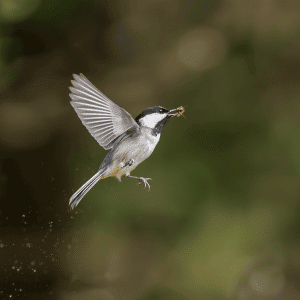
Small insect-eating birds live in many places worldwide. They need areas with plenty of insects to eat.
These birds often stay where insects are easy to find. Their homes change with the seasons.
The presence of small insect eating birds indicates a healthy environment rich in insects and vegetation.
Preferred Environments
These birds like places with many trees and bushes. They often live in forests, gardens, and parks.
Wetlands and meadows are also good homes. These areas have many insects for food.
- Forests with dense leaves
- Gardens with flowering plants
- Wetlands near lakes or rivers
- Open meadows with tall grass
Geographic Range
Small insect-eating birds live on many continents. They are found in North America, Europe, Asia, and Africa.
Some species stay in one area all year. Others spread out to find food.
- North America: forests and woodlands
- Europe: parks and gardens
- Asia: forests and grasslands
- Africa: savannas and wetlands
Seasonal Movements
These birds move to warmer places in winter. They follow insect availability to survive cold months.
In spring and summer, they return to breed. Migration helps them find food and safe nests.
- Spring: travel back to breeding areas
- Summer: stay where insects are many
- Fall: start moving to warmer zones
- Winter: live in mild climates with food
Challenges And Conservation
A small insect-eating bird faces many challenges that affect its survival. These challenges come from human activities and environmental changes.
Conserving this bird requires understanding these threats and taking action to protect its habitat and food sources.
Protecting habitats is crucial for the survival of small insect eating birds as they face numerous threats.
Threats From Habitat Loss
Many insect-eating birds lose their homes because forests and grasslands are cut down. This loss makes it hard for them to find food and shelter.
- Urban development reduces natural areas.
- Farming clears land where birds live.
- Logging removes trees that offer nesting sites.
- Pollution degrades quality of habitats.
Effects Of Pesticides
Pesticides kill many insects that small birds eat. This lowers the bird’s food supply and can poison them directly.
| Type of Pesticide | Impact on Birds |
| Insecticides | Reduce insect numbers, causing starvation |
| Herbicides | Destroy plants, reducing insect habitats |
| Rodenticides | May poison birds indirectly |
Conservation Efforts
People work to save small insect-eating birds by protecting their homes and food sources. Many groups plant native trees and reduce pesticide use.
- Protect natural habitats from destruction.
- Use fewer chemicals in farming and gardening.
- Create safe places for birds to nest.
- Educate communities about bird protection.
Observing These Birds
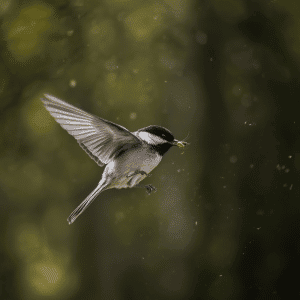
Small insect-eating birds are quick and lively. Watching them can be a fun and peaceful activity. You learn about their habits and their role in nature.
These birds are often hard to spot because of their size and fast movements. Patience and good observation skills help you enjoy their presence.
Tips For Birdwatchers
Use light clothing to blend with the environment. Move slowly and avoid loud noises. Carry binoculars to see these tiny birds clearly.
- Stay still for several minutes to let birds come close.
- Watch near trees and bushes where insects gather.
- Learn bird calls to recognize their presence.
- Note the time and place of sightings for future visits.
Best Times And Places To Spot
Early morning and late afternoon are the best times to see these birds. They hunt for insects when it is cooler and less windy.
| Time of Day | Reason |
| Morning | Birds are active and insects are available |
| Afternoon | Cool weather encourages feeding |
| Near Water | Insects gather here, attracting birds |
| Wooded Areas | Plenty of trees and bushes for shelter |
Photographing Tiny Hunters
Use a camera with a fast shutter speed to capture quick moves. A zoom lens helps to get close without disturbing the bird.
Follow these tips for better photos:
- Find a quiet spot near bird activity.
- Use natural light early or late in the day.
- Focus on the bird’s eye for sharp pictures.
- Be patient and take many shots.
Frequently Asked Questions
What Is A Small Insect-eating Bird?
A small insect-eating bird is a species that primarily feeds on insects. These birds are usually lightweight and agile. They help control insect populations naturally. Examples include warblers, chickadees, and wrens. Their diet mainly consists of beetles, caterpillars, and flies.
How Do Insect-eating Birds Catch Their Prey?
Insect-eating birds use sharp eyesight to spot insects. They catch prey by swooping, gleaning, or hovering. Many have agile flight skills. Some pick insects off leaves or bark. Others snatch flying insects mid-air. This hunting behavior helps maintain ecological balance.
Why Are Small Insect-eating Birds Important For The Environment?
These birds naturally reduce harmful insect populations. They support crop health by controlling pests. Their presence indicates a healthy ecosystem. Insect-eating birds also aid in pollination indirectly. Protecting them supports biodiversity and environmental stability.
Small insect eating birds are important indicators of environmental health and biodiversity.
What Habitats Do Small Insect-eating Birds Prefer?
Small insect-eating birds thrive in forests, gardens, and wetlands. They prefer areas rich in insects and vegetation. Some adapt well to urban parks and backyards. Availability of nesting sites is crucial. Diverse habitats support their feeding and breeding.
Conclusion
Birds are essential for our ecosystem. These small insect-eating birds play a vital role. They control insect populations naturally, benefiting our gardens and farms. Observing these birds can also bring joy and relaxation. Their vibrant colors and lively behaviors captivate us.
By creating an environment that attracts small insect eating birds, we can enjoy their beauty while benefiting our gardens.
By protecting their habitats, we ensure their survival. Plant native trees and shrubs to attract them. Reduce pesticide use to help them thrive. Everyone can make a difference. Appreciate these feathered friends and their importance. Embrace nature’s tiny helpers and enjoy a balanced ecosystem.
Consider planting native species that attract small insect eating birds and support their populations.
Every small action counts in supporting these delightful birds.